
Sauces & Condiments
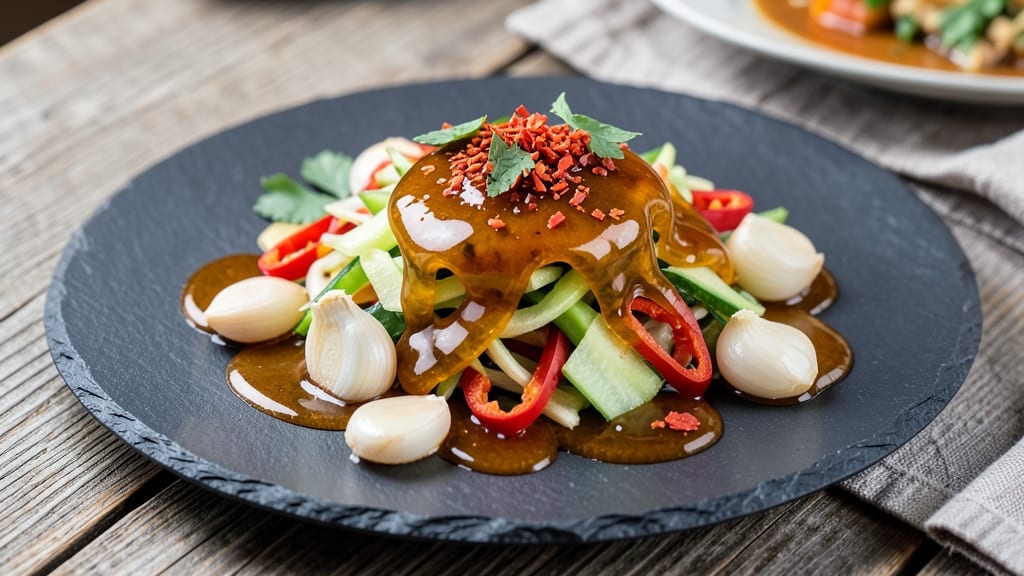
This Asian honey sauce recipe transforms ordinary dishes into something extraordinary with its perfect balance of sweet, tangy, and savory flavors. 🌟 The secret lies in combining honey, soy sauce, and aromatics like garlic and ginger to create a versatile glaze that caramelizes beautifully on stir-fries, wings, or grilled meats.
I developed this recipe after years of experimenting with Asian-inspired sauces—it’s the one that finally delivers that restaurant-quality stickiness at home.
The beauty of this sauce is its simplicity: just five key ingredients simmered together until thick and glossy. No complicated techniques required—just a saucepan, a few minutes of active time, and patience for the flavors to meld.
The honey provides natural sweetness, while rice vinegar adds brightness, and a touch of chili brings subtle heat. It’s foolproof, adaptable, and ready in under 20 minutes—perfect for weeknight cooking or meal prep.
What makes this sauce truly special is its dual-purpose nature. Use it as a sticky glaze for chicken wings, a dipping sauce for spring rolls, or a marinade for tofu.
The caramelized edges and glossy finish elevate any dish, while the balanced flavor profile ensures it’s never overpowering. Once you try it, you’ll never go back to store-bought versions.
Store leftovers in the fridge for up to two weeks, or freeze for longer shelf life. The flavors actually deepen over time, making it a pantry staple worth making in bulk.
Whether you’re grilling, stir-frying, or simply drizzling over rice, this sauce will become your new go-to for adding depth and sweetness to every meal.
Ingredients for asian honey sauce
Five ingredients and a saucepan—this sticky glaze transforms any dish into restaurant-quality perfection.
| Ingredient | Amount | Notes |
|---|---|---|
| Raw Honey 🍯 | ½ cup | Light amber preferred for balance |
| Light Soy Sauce 🍶 | ⅓ cup | Kikkoman or Pearl River brand |
| Rice Vinegar 🍶 | ¼ cup | Seasoned preferred for depth |
| Fresh Ginger 🧄 | 2 tbsp | Finely grated, skin on |
| Garlic Cloves 🧄 | 4 cloves | Minced, not pre-minced jar |
| Red Chili Flakes 🌶️ | 1 tsp | Adjust for heat preference |
| Sesame Oil 🫒 | 1 tbsp | Toasted, not flavored |
| Toasted Sesame Seeds 🌾 | 1 tbsp | For garnish, optional |
The honey is your flavor anchor—look for raw, unfiltered honey (like Manuka or clover) for that floral depth. Soy sauce quality matters too: Kikkoman or Pearl River brands have the right balance of saltiness without overpowering. Ginger and garlic should be fresh—no jarred minced—since they're the aromatic backbone. I always grab ginger with a bit of skin on; it adds subtle texture. For the chili flakes, La Choy or Cholula brands give consistent heat. Toast your sesame seeds in a dry pan for 30 seconds—they'll release their nutty aroma instantly.
No honey? Maple syrup or agave works in a pinch, though the flavor won't be identical. Light soy sauce unavailable? Tamari or coconut aminos are decent swaps, but add a pinch of sugar to mimic the sweetness. Skip the rice vinegar? Apple cider vinegar is fine, but the sauce will taste less authentically bright. Pre-minced garlic? Fresh is non-negotiable—jarred garlic has a metallic aftertaste. For extra richness, stir in 1 tbsp of peanut butter at the end (trust me on this). The sesame oil should be toasted—flavored sesame oil will overpower the delicate balance.
This sauce thickens as it cools, so stir in 1 tsp of cornstarch slurry if you need it glossier. Store in a sealed jar in the fridge for up to 2 weeks—the flavors actually improve over time. For longer storage, freeze in ice cube trays; thaw overnight in the fridge. The sauce reheats beautifully—just warm it gently on the stove with a splash of water to restore its gloss. I make a double batch every time—one for immediate use, one for the freezer. The caramelized edges on wings or tofu? Worth the extra minute of simmering.
Why You'll Love This Recipe
- Five-Ingredient Magic: I swear by this—just honey, soy, vinegar, ginger, and garlic. That’s it. No fancy techniques, no last-minute grocery runs. The ginger and garlic simmer down to a fragrant paste while I chop veggies or stir-fry, and by the time I’m done, the sauce is ready to drizzle. Honestly, it’s the kind of recipe that makes me feel like I’ve outsmarted cooking.
- Sweet-Savory Balance: The honey gives it that sticky, golden glow, but the rice vinegar cuts through the richness—like a bright little surprise. That first taste? It’s addictive. The soy adds depth, while the fresh ginger lingers with a warmth that makes every bite feel cozy. I’ll be real: I’ve drizzled this over everything from grilled chicken to cold noodles, and it never gets old.
- Weeknight Workhorse: This sauce is my go-to for busy nights. I make a big batch on Sundays, and it lasts all week in the fridge—perfect for glaze, marinade, or quick stir-fry finishes. My kids even ask for it on their plain rice. Between us, it’s the kind of sauce that turns a simple meal into something that feels special without the fuss.
- Budget-Friendly Flex: Light soy sauce and honey are pantry staples, and ginger/garlic last forever. A little goes a long way, so I stretch it across multiple meals without breaking the bank. Plus, the leftovers? They keep tasting fresh, even after a few days. It’s my secret weapon for making cheap ingredients taste ridiculously good.
Step-by-step instructions for Asian honey sauce
This vibrant sauce comes together in minutes with bold flavors that balance sweet, tangy, and spicy notes.
🍳 Step 1: Bloom the Ginger and Garlic
Heat a small saucepan over medium-low heat and add the 1 tablespoon sesame oil. Once shimmering, add the 2 tablespoons finely grated fresh ginger and 4 minced garlic cloves. Let them cook for 30-45 seconds until fragrant but not browned—this prevents bitterness and builds aromatic depth.
Here's the thing—ginger burns faster than you think. Keep the heat gentle and watch closely. You'll know it's ready when the kitchen smells like a bustling Asian street market. Remove from heat immediately after cooking to preserve their bright flavors.
🥘 Step 2: Combine Wet Ingredients
Return the saucepan to medium heat and pour in the 0.5 cup raw honey, 0.33 cup light soy sauce, and 0.25 cup rice vinegar. Bring to a gentle simmer, stirring constantly with a wooden spoon to dissolve the honey completely. This should take about 2-3 minutes—the mixture will bubble softly and begin to thicken slightly.
I like to use a wooden spoon here because metal can sometimes scorch the sauce. Stir in a circular motion to ensure even distribution of all ingredients. The sauce should look glossy and slightly translucent at this stage.
🔥 Step 3: Infuse and Thicken
Reduce heat to low and let the sauce simmer gently for 5-7 minutes, stirring occasionally. This slow cooking allows the flavors to meld while the sauce thickens to a perfect glaze consistency. You're aiming for a texture that coats the back of a spoon but still flows easily—like thick syrup.
If it thickens too quickly, add 1-2 tablespoons of water to maintain the right consistency. The sauce should be vibrant amber with a sheen that reflects light beautifully. Taste and adjust seasoning—add more soy sauce for saltiness or rice vinegar for tang.
🔪 Step 4: Finish with Heat and Garnish
Remove from heat and stir in the 1 teaspoon red chili flakes. Let the sauce sit for 1 minute to allow the chili to infuse without burning. The heat should be subtle but noticeable—a gentle warmth that complements the sweetness. For the final touch, drizzle in the remaining 1 tablespoon sesame oil while stirring.
Transfer to a bowl and let cool for 5 minutes before using. This resting period allows the flavors to fully develop. Garnish with 1 tablespoon toasted sesame seeds just before serving—this adds texture and visual appeal. The sauce will keep in the refrigerator for up to 2 weeks, making it perfect for batch cooking.
Pro Tips For Making Asian Honey Sauce
- Simmer Slow and Low: That honey’s got a temper—boil it too fast, and you’ll end up with a bitter, burnt mess. Keep the heat at a gentle simmer (think tiny bubbles, not rolling) and stir every 30 seconds. I learned this the hard way after turning my first batch into caramelized regret.
- Grate, Don’t Mince Ginger: Fresh ginger loses its punch when you mince it fine. Use a box grater for a rough texture—it blends better and keeps the zing. (And skip the jarred stuff; it’s got no comparison.) Trust me, your sauce will taste like it came from a street stall, not a shortcut.
- Balance the Vinegar First: Taste before you add honey—rice vinegar’s sharpness can sneak up on you. Mix 1 teaspoon vinegar with 1 tablespoon soy sauce first, then adjust the rest. This way, you’re not drowning out the other flavors with a sudden tang overload.
- Toast the Garlic: Raw garlic cloves? Nope. Sauté them in a dry pan for 30 seconds until fragrant—just until they smell like heaven, not like they’re burning. This step takes your sauce from "fine" to "holy moly delicious." (Yes, even if you’re impatient like me.)
Serving suggestions for leftovers
Wings and Meat Glazes
This sauce transforms baked or fried wings into a sticky, caramelized masterpiece. Toss 8-10 wings in 2 tablespoons of the sauce after baking at 400°F for 25 minutes, then broil for 3-5 minutes to achieve that glossy finish.
For grilled meats, brush on 1 tablespoon per pound during the last 5 minutes of cooking—it’ll caramelize beautifully. I love using it on pork chops or beef short ribs for a restaurant-quality glaze. 🔥
Stir-Fry Sauce Base
Use 2-3 tablespoons as the sauce component in stir-fries instead of traditional teriyaki. Toss with bell peppers, broccoli, and snap peas for a sweet-savory twist. For extra richness, add 1 tablespoon of peanut butter to the sauce before using.
I often serve it over jasmine rice or udon noodles—the sticky texture clings perfectly to everything. 🍜
Dipping Sauce Perfection
Serve warm or at room temperature as a dipping sauce for spring rolls, dumplings, or even fries. Thin with 1 tablespoon of warm water if needed for easier dipping.
Garnish with extra sesame seeds and thinly sliced scallions for freshness. This is my go-to for taking-out nights—it’s so much better than store-bought versions. 🥟
Marinade for Tofu
Marinate extra-firm tofu in ½ cup of sauce for 20 minutes before baking or air-frying. The sauce adds a sticky, crispy crust when baked at 425°F for 20 minutes.
For extra flavor, toss marinated tofu with 1 teaspoon of cornstarch before baking—it’ll create a glossy, caramelized exterior. This is a game-changer for veggie dishes! 🌱
Rice Bowl Elevator
Drizzle 1-2 tablespoons over steamed rice along with sautéed veggies and protein for an instant flavor boost. I often add soft-boiled eggs and quick-pickled cucumbers for a complete bowl. The sauce’s balance of sweet and tangy cuts through the richness of fried rice or ramen noodles. 🍚
Breakfast Twist
Use it as a sweet glaze for pancakes or waffles—just brush on 1 tablespoon per stack after cooking. Top with whipped cream and toasted nuts for a dessert-like breakfast.
For French toast, mix 2 tablespoons of sauce with 1 egg and dip bread before cooking. The honey caramelizes beautifully! 🍳
Nutrition facts
Frequently asked questions
Can I make this sauce without honey?
Yes, but the flavor will change! For a similar sweetness, use ½ cup maple syrup or agave nectar—though honey's floral notes are unique. If avoiding sugar entirely, try coconut aminos with extra soy sauce for umami depth, but the sauce will be less glossy. The honey is key for that signature caramelization.
How do I adjust the heat level?
Start with ½ teaspoon chili flakes for mild heat, or 1½ teaspoons for a noticeable kick. For extra spice, add ½ teaspoon of gochujang (Korean chili paste) or a pinch of cayenne. Always taste as you go—you can reduce heat by adding more honey or rice vinegar to balance.
Why did my sauce turn grainy?
This usually happens when honey crystallizes or the sauce thickens too quickly. To fix it, stir in 1 teaspoon of warm water or a pinch of cornstarch while heating gently. For prevention, use light amber honey (less likely to crystallize) and simmer on low heat until fully dissolved before thickening.
Can I use this sauce on seafood?
It pairs beautifully with salmon, shrimp, or scallops. For delicate seafood, use 1-2 tablespoons per pound and brush on during the last 3-5 minutes of cooking to avoid overpowering the natural flavor. The sweetness complements the richness, while the vinegar cuts through any fishiness.
How long can I store homemade honey sauce?
In the fridge, it keeps for 2 weeks in an airtight container. For longer storage, freeze in ice cube trays—thaw overnight in the fridge. The sauce actually tastes better after a few days as flavors meld! If it thickens too much, thin with 1 teaspoon of water before using. Never store with raw meat juices.