
Sauces & Condiments
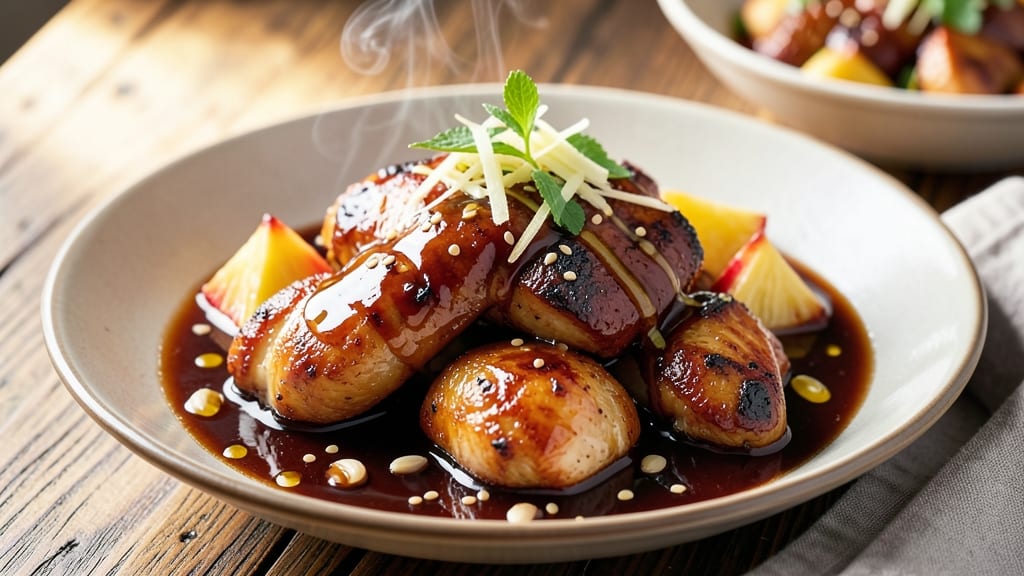
This Asian glaze sauce recipe transforms ordinary stir-fries into restaurant-quality masterpieces with just a few pantry staples. The secret lies in balancing sweet, salty, and umami flavors through careful reduction—creating a glossy, sticky sauce that clings perfectly to proteins and vegetables.
I developed this version after years of testing, ensuring it delivers that signature caramelized depth without requiring specialized ingredients.
The foundation starts with a simple simmer of soy sauce, sugar, and aromatics like garlic and ginger, which build complex layers of flavor. As the mixture reduces, it develops a rich, syrupy consistency that enhances any dish.
What makes this sauce truly versatile is its ability to adapt—sweeten it more for a dessert glaze, add chili for heat, or keep it classic for stir-fries and marinades.
By the time you're done, you'll have a sweet-savory umami bomb that elevates everything it touches—whether drizzled over grilled chicken, tossed with noodles, or brushed on roasted vegetables. The best part?
It keeps well in the fridge for up to two weeks, so you can make a big batch and use it all week. This is the kind of sauce that turns simple meals into standout dishes.
Ready to master this technique? The process is straightforward, and the results are undeniably impressive. Let's get started with ingredients you likely already have on hand.
Ingredients for asian glaze sauce
Nine simple ingredients transform into a restaurant-worthy glaze that sticks like magic.
| Ingredient | Amount | Notes |
|---|---|---|
| Kosher Soy Sauce 🥢 | ½ cup | High-quality, low-sodium preferred |
| Brown Sugar 🍯 | ½ cup | Packed firmly for accuracy |
| Rice Vinegar 🍶 | ¼ cup | White or seasoned variety |
| Fresh Ginger 🌿 | 2 tbsp | Grated, peel removed |
| Garlic Cloves 🧄 | 4 cloves | Minced for even distribution |
| Sesame Oil 🫒 | 1 tbsp | Toasted sesame oil preferred |
| Cornstarch 🌾 | 1 tbsp | For thickening consistency |
| Water 💧 | ¼ cup | Room temperature preferred |
| Red Chili Flakes 🌶️ | ½ tsp | Adjust for heat preference |
| Diamond Crystal Kosher Salt 🧂 | ½ tsp | For final seasoning |
The soy sauce and brown sugar are your flavor anchors—Kikkoman soy sauce or Lee Kum Kee delivers that authentic depth, while organic cane sugar (if you're splurging) adds caramel notes that store-brand brown sugar can't match. Ginger and garlic? Fresh is non-negotiable here—the dried stuff just doesn't cut it for that bright, zesty punch. I always grab ginger from the Asian market section of my grocery store; it's more vibrant and less fibrous. For garlic, peel and mince just before using—it releases more flavor when fresh.
No sesame oil? Toasted peanut oil works in a pinch, though it'll taste slightly different. Short on cornstarch? Arrowroot powder at the same amount gives a similar glossy finish. The rice vinegar can be swapped for apple cider vinegar if that's what you've got, but it'll be slightly less tangy. For heat lovers, double the chili flakes—just remember you can always tone it down later. The sauce thickens as it reduces, so if you're nervous about consistency, start with slightly less cornstarch and add more if needed during simmering.
This sauce keeps beautifully—2 weeks in the fridge sealed in a jar, or 3 months in the freezer if you're prepping ahead. I like to portion it into small glass jars for easy grab-and-go use. When reheating, low heat only—microwaving can make it grainy. The magic happens when it's warm, so let it sit at room temp for 5 minutes before drizzling. Pro tip: Add a splash of water when reheating to restore that glossy texture.
Why You'll Love This Recipe
- Pantry-Friendly Magic: I swear by this sauce because it lives in my cupboard. Just toss in soy sauce, brown sugar, and vinegar—no fancy shopping required. The ginger and garlic add that zing without needing a spice drawer.
- Sweet-Savory Balance: That perfect harmony of caramelized brown sugar and tangy rice vinegar? It’s ridiculously addictive. The garlic and ginger hit just right—bold enough to stand alone but subtle enough to let the dish shine.
- Glazes Everything: Slather it on grilled chicken, drizzle over roasted veggies, or toss with noodles—it works everywhere. Honestly, I’ve even used it as a quick dip for spring rolls. (Yes, even on a Tuesday night.)
- Makes Leftovers Taste Fresh: A little glaze transforms last night’s takeout into tonight’s star. Store it in the fridge for up to a week, and it’s ready to revive bland meals with zero effort. My secret weapon for lazy days.
Step-by-step instructions for sweet-savory Asian glaze sauce
Here's how to make this perfect balance of sweet, salty, and umami that elevates any stir-fry.
Combine Wet Ingredients for the Base
In a medium saucepan over medium heat, add the 0.5 cup kosher soy sauce, 0.5 cup packed brown sugar, and 0.25 cup rice vinegar. Stir constantly for 2-3 minutes until the sugar begins to dissolve completely and the mixture starts simmering gently.
This is where the magic starts. The sugar needs time to fully integrate with the soy sauce and vinegar, creating that perfect sweet-savory foundation. If you see any sugar grains lingering at the bottom, keep stirring—this ensures a smooth, glossy finish. The vinegar will add brightness that cuts through the richness of the sugar and soy.
Add Aromatics and Simmer
Reduce heat to low-medium and add the 2 tbsp grated fresh ginger and 4 minced garlic cloves. Let the mixture bubble gently for 4-5 minutes until the garlic becomes fragrant and the ginger softens slightly. You'll smell that wonderful aromatic punch developing.
Here's the thing—don't rush this step. The ginger and garlic need time to release their essential oils into the sauce. You'll know it's ready when the raw garlic smell transforms into a warm, toasty aroma. If you smell anything burning, reduce the heat immediately—this sauce should be fragrant, not smoky.
Thicken the Sauce with Cornstarch Slurry
In a small bowl, whisk together the 1 tbsp cornstarch and 0.25 cup water until completely dissolved. This creates your thickening agent. Slowly pour this slurry into the simmering sauce while stirring constantly.
Watch carefully as the sauce begins to thicken. It should reach a glossy, syrupy consistency that coats the back of a spoon—this typically takes about 2-3 minutes of gentle simmering. If it thickens too quickly, add a splash of water to adjust. The perfect glaze should be thick enough to coat proteins beautifully but still flow smoothly.
Finish with Seasoning and Oil
Remove the sauce from heat and stir in the 1 tbsp toasted sesame oil, 0.5 tsp red chili flakes, and 0.5 tsp diamond crystal kosher salt. Let it sit for 1 minute to allow all the flavors to meld together.
This is where the sauce comes together. The sesame oil adds nutty depth, the chili flakes bring just the right amount of heat, and the salt balances everything. Taste and adjust—you might want to add a pinch more salt or a dash of chili flakes depending on your preference. The sauce should be sweet, salty, umami-rich, and just slightly spicy with a lingering aroma.
Cool and Use Immediately
Transfer the sauce to a bowl and let it cool for 5-10 minutes before using. This resting period allows the flavors to fully develop and the sauce to reach its ideal consistency for glaze application.
Now you're ready to use this sauce as a glaze for your stir-fries. It works best when applied generously to hot proteins right before serving. The sauce will caramelize beautifully under the broiler for 1-2 minutes if you want extra gloss and depth of flavor. Store any leftovers in an airtight container in the refrigerator for up to 1 week—just reheat gently before using.
Pro Tips For Making Asian Glaze Sauce
- Simmer Slow and Low: This isn’t a race—reduce the sauce on medium-low heat or the rice vinegar will evaporate too fast, leaving you with a bitter, concentrated mess. I learned this after one batch turned into a sticky, vinegary glop because I cranked the heat to "get it done." Let it bubble gently for 10-15 minutes, stirring occasionally, until it thickens to a glossy syrup.
- Grind Ginger Like a Pro: Skip the pre-grated ginger from the jar—it’s waterlogged and dull. Use a microplane or fine grater for fresh ginger, then squeeze out the excess liquid with your hands before adding it to the sauce. That extra moisture throws off the balance, and jarred ginger just doesn’t cut it.
- Balance the Sugar Early: Taste the sauce before it’s fully reduced—especially when adding brown sugar. If it’s too sweet, splash in a little more rice vinegar or a dash of soy sauce to cut through it. I used to wait until the end and end up with a dessert glaze instead of a savory one.
- Toast the Garlic First: Mince the garlic, then dry-toast it in a separate pan for 30 seconds until fragrant—this deepens its flavor without burning. Add it to the sauce after the ginger and soy sauce have simmered for 2 minutes, so it doesn’t turn bitter. (Yes, even if you’re impatient like me, wait.)
Creative variations of asian glaze sauce
Sweet Chili Glaze
Transform your classic glaze into a fiery-sweet masterpiece by adding 2 tbsp sriracha and 1 tbsp honey to the base recipe. Replace half the brown sugar with agave nectar for a smoother finish.
This variation works amazingly on grilled shrimp or as a dipping sauce for spring rolls. I love using Thai bird's eye chili sauce for extra heat if sriracha isn't available. 🌶️
Hoisin-Sesame Glaze
Swap the soy sauce for ½ cup hoisin sauce and reduce the brown sugar to ¼ cup. Add 1 tbsp toasted sesame seeds and 1 tsp five-spice powder at the end.
This Chinese-inspired glaze pairs perfectly with Peking duck or roasted pork belly. For extra richness, stir in 1 tbsp peanut butter during the final simmer. The texture becomes beautifully thick and nutty.
Miso-Ginger Glaze
Create a fermented depth by replacing half the soy sauce with ¼ cup white miso paste and adding 1 tbsp mirin. Use 1 tbsp grated daikon radish instead of ginger for a subtle sweetness.
This Japanese-inspired glaze shines on black cod or grilled eggplant. I recommend Shinshu white miso for the best flavor balance. The result is umami-rich with a velvety texture.
Spicy Peanut Glaze
Blend ¼ cup smooth peanut butter with the base ingredients and add 1 tsp sambal oelek for heat. Use coconut sugar instead of brown sugar for a caramelized peanut flavor. This Thai-inspired glaze is perfect for satay skewers or as a sauce for pad thai.
For extra richness, stir in 1 tsp coconut milk at the end. The sauce develops a beautiful peanut crunch when applied to hot proteins.
Teriyaki Twist
Make a lighter teriyaki-style glaze by using ¼ cup mirin and 2 tbsp sake instead of rice vinegar. Reduce the sugar to ⅓ cup and add 1 tsp grated lemon zest for brightness. This Japanese variation works wonderfully on grilled chicken or salmon.
For extra gloss, brush the sauce on proteins and broil for 1-2 minutes before serving. The lemon zest adds a refreshing contrast to the sweetness.
Caramelized Onion Glaze
Add ½ cup finely chopped caramelized onions to the base recipe during the final simmer. Use 1 tbsp balsamic vinegar instead of rice vinegar for depth. This French-Asian fusion glaze is perfect for roasted vegetables or as a topping for pizza.
The onions add natural sweetness and a beautiful texture contrast. For extra richness, finish with 1 tsp truffle oil before serving. 💫
Nutrition facts
Frequently asked questions
Can I make this glaze sauce without cornstarch?
Yes, you can substitute 1 tbsp arrowroot powder or 1 tbsp tapioca starch for the cornstarch. For a corn-free option, try reducing the sauce longer (up to 10-15 minutes) on low heat while stirring constantly—just monitor closely to avoid burning. The texture will be slightly thicker but still work well for glazing.
How do I adjust the sweetness level?
Start with the recipe as written, then taste as you go. To reduce sweetness, add 1-2 tbsp more rice vinegar (½ tbsp at a time) or a pinch of salt. For extra sweetness, stir in 1-2 tsp honey or maple syrup during the final simmer. Remember, flavors meld as the sauce cools, so adjust gradually.
What's the best way to store and reheat this sauce?
Store in an airtight container in the fridge for up to 2 weeks or freeze for 3 months. To reheat, transfer to a saucepan with 1 tbsp water and warm over low heat until bubbly (about 2-3 minutes). Never microwave—it can make the sauce grainy. For best results, let it sit at room temperature for 5 minutes before using.
Can I use this glaze on non-meat dishes?
This versatile sauce works beautifully on tofu, grilled vegetables, spring rolls, and even roasted potatoes. For vegetables, brush on after cooking and broil for 1-2 minutes to create a caramelized crust. It also makes an excellent dipping sauce for dumplings or noodles. The key is applying it to hot foods for maximum adhesion.
Why did my glaze turn out too thick?
This usually happens from over-reducing or adding too much cornstarch. Thin with 1 tsp water at a time while stirring over low heat. If it's still too thick, try adding ½ tsp soy sauce—it helps emulsify the mixture. For future batches, reduce heat to low-medium during thickening and watch closely. The perfect glaze should coat the back of a spoon but still flow smoothly.