
Sauces & Condiments
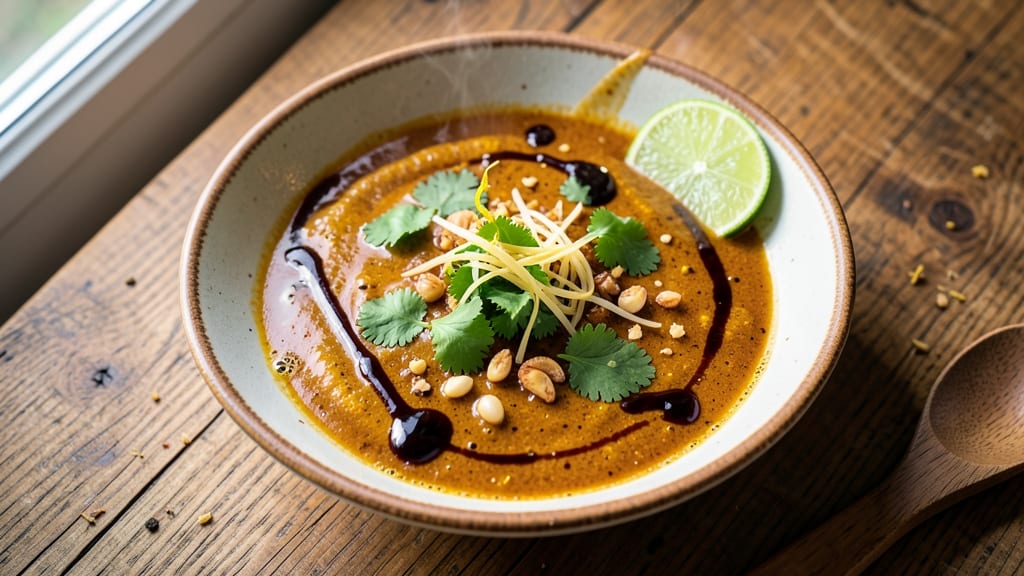
This Asian curry sauce recipe transforms ordinary dishes into aromatic, restaurant-quality meals with just a few simple ingredients. The secret lies in balancing warm spices with fresh ginger and coconut milk for a sauce that's rich yet light, perfect for curries, stir-fries, or marinades.
I developed this blend after years of testing—it's the one sauce that consistently delivers bold, complex flavor without overpowering the dish.
The foundation starts with a fragrant paste of garlic, ginger, and fresh turmeric, which infuses the sauce with vibrant color and zesty depth. Coconut milk adds creaminess while keeping the sauce light enough to cling to proteins and vegetables.
A splash of fish sauce or soy sauce bridges the gap between sweet and savory, creating that signature umami kick that defines authentic Asian curries.
What makes this sauce stand out is its versatility—it stays fresh in the fridge for up to a week or freezes beautifully for months. Toss it with chicken for a quick curry, drizzle over noodles for instant flavor, or use it as a marinade for grilled meats.
The balance of spices ensures it works equally well with delicate fish or hearty vegetables.
Once you taste this sauce, you'll never go back to store-bought versions. The fresh ginger adds a bright zing that cuts through the richness, while the spices develop deeper flavor the longer they simmer.
Ready in just 20 minutes, this sauce delivers restaurant-quality results with minimal effort—perfect for weeknight cooking or special occasions.
Ingredients for asian curry sauce
Nine simple ingredients for a bold, aromatic sauce that elevates any dish instantly.
| Ingredient | Amount | Notes |
|---|---|---|
| Fresh Ginger Root 🧄 | 2 tbsp | Finely grated, fresh preferred |
| Garlic Cloves 🧄 | 4 cloves | Minced or pressed for paste |
| Fresh Turmeric Root 🌿 | 1 tbsp | Grated or finely chopped |
| Coconut Milk 🥥 | 1 cup | Full-fat for richness |
| Fish Sauce 🍜 | 1 tbsp | Red Boat preferred |
| Soy Sauce 🥢 | 1 tbsp | Light or dark variety |
| Curry Powder 🌶️ | 1 tbsp | Mild or medium heat |
| Ground Cumin 🌿 | 1 tsp | Toasted for depth |
| Ground Coriander 🌿 | 1 tsp | Freshly ground preferred |
| Brown Sugar 🍯 | 1 tbsp | Light or dark |
The ginger and garlic are non-negotiable here—they're the heart of the sauce's bright, zesty kick. Fresh ginger from the grocery store's produce section works, but if you can find it, the Asian market has more vibrant, less fibrous roots. Toast your spices (cumin and coriander) for 30 seconds in a dry pan before adding—that smoky depth makes all the difference. For coconut milk, full-fat canned versions (like Thai Kitchen) are best—they add richness without thinning the sauce too much. If you're avoiding fish sauce, soy sauce plus a pinch of sugar works in a pinch.
No fresh ginger? Powdered ginger at half the amount gets you close, but you'll lose that bright zing. Running low on curry powder? Mix equal parts turmeric, cumin, and coriander for a quick substitute. The sauce is flexible with sweetness—maple syrup or honey can replace brown sugar if you prefer. For extra umami, add a dash of miso paste (about 1 tsp). And if you're using this for fish, reduce the fish sauce to 1 tsp—it's potent stuff. The turmeric gives the sauce that signature golden color, so don't skip it unless you're going for a different look.
This sauce keeps beautifully—1 week in the fridge or 3 months in the freezer. I like to freeze it in ice cube trays for easy portioning. If it thickens when refrigerated, just whisk in 1-2 tbsp water or coconut milk to loosen it up. The flavors actually get better after a day or two, as everything melds together. Double the batch if you can—you'll want to make it again.
Why You'll Love This Recipe
- No Chopping Chaos: I swear by this recipe because it only asks for three things to prep: a quick ginger-garlic mash, a turmeric scrape, and a can of coconut milk. That’s it. Even my roommate—who once burned toast—can handle it.
- Umami Magic: Fish sauce and fresh turmeric root? That combo is next-level depth. It’s creamy but bright, salty but balanced—like a hug in a bowl. Honestly, I’ve made curry sauce before, but this one actually tastes like it belongs in a restaurant.
- Your Pantry’s New MVP: This sauce works over rice, noodles, tofu, or even grilled chicken—no extra shopping needed. I’ve used it for lazy weeknight dinners, potlucks, and even as a marinade. It’s the kind of recipe that makes you feel like a genius for buying coconut milk.
- Leftovers That Don’t Suck: Unlike other sauces that turn watery or bland, this one improves after a day in the fridge. I make a big batch on Sundays, and by Wednesday, it’s even richer. Plus, it’s cheap—fish sauce and turmeric stretch forever, so your wallet stays happy.
Step-by-step instructions for Asian curry sauce
Here's how to build a vibrant, aromatic curry sauce that balances sweet, spicy, and umami notes perfectly.
Prep and Bloom the Spices
Heat a medium saucepan over medium-low heat and add the 2 tablespoons of finely grated fresh ginger root and 4 minced garlic cloves. Let them sizzle gently for 2-3 minutes until fragrant but not browned—this releases their essential oils and builds the sauce's aromatic foundation.
Add the 1 tablespoon of grated fresh turmeric root and 1 tablespoon of curry powder, stirring constantly for 1 minute to toast the spices. You'll notice the mixture darkening slightly and filling your kitchen with warm, earthy aromas. This step is crucial—it deepens the flavor profile and prevents the spices from tasting raw or bitter in the finished sauce.
Add Dry Ingredients and Build Depth
Stir in the 1 teaspoon of ground cumin and 1 teaspoon of ground coriander, mixing for 30 seconds until evenly distributed. These spices will infuse the sauce with their distinctive warmth and citrusy notes. Add the 1 tablespoon of brown sugar and cook for another 30 seconds, stirring constantly to prevent burning.
Here's where the sauce starts to develop its signature complexity. The sugar caramelizes slightly, creating a subtle sweetness that balances the earthy spices. Don't skip this step—it's what makes this sauce so versatile with both sweet and savory dishes.
Incorporate Liquids and Simmer
Pour in the 1 cup of coconut milk and bring the mixture to a gentle simmer over medium heat. Stir occasionally for 5-7 minutes until the sauce thickens slightly and coats the back of a spoon. The coconut milk will create a creamy base while its natural sweetness complements the spices.
Add the 1 tablespoon of fish sauce and 1 tablespoon of soy sauce, stirring well to combine. The fish sauce adds umami depth while the soy sauce provides a salty, savory backbone. Taste the sauce now—it should be balanced with sweet, spicy, and savory notes. If it needs more saltiness, add a pinch more soy sauce. If it needs more depth, add another half teaspoon of fish sauce.
Adjust Consistency and Finish
For a thicker sauce, simmer uncovered for 2-3 minutes to reduce slightly. For a thinner sauce, stir in 1-2 tablespoons of water at a time until you reach your desired consistency. The sauce should coat the back of a spoon but still be pourable.
Remove from heat and let it rest for 5 minutes—this allows all the flavors to meld together. Give it one final taste and adjust seasoning if needed. This sauce is incredibly versatile—use it as a glaze for proteins, a dip for spring rolls, or a base for curry dishes. Store any leftovers in the refrigerator for up to 5 days or freeze for 3 months.
Pro Tips For Making Asian Curry Sauce
- BLANCH THE GINGER FIRST: Toss freshly grated ginger into boiling water for 10 seconds before draining—it mellows the sharpness and prevents that bitter aftertaste that ruins a smooth sauce. (Yes, I’ve burned through three batches where I skipped this step.)
- PRESS GARLIC LIKE PASTA: Smash garlic cloves flat with the side of your knife before mincing—this releases more flavor without burning. I used to chop them fine and wondered why my sauce lacked depth.
- SIMMER COCONUT MILK LOW: Heat coconut milk on medium-low or it’ll split like a sad science experiment. If it curdles, whisk in a splash of cold water and keep stirring—no need to start over.
- SALT THE FISH SAUCE: Taste your fish sauce first—some brands are saltier than others. Adjust with a pinch of sugar or extra water if it’s too briny, or add a dash of salt if it’s bland. (Your future curry will thank you.)
Flavor customization for these flavors
Sweet Heat Balance
Adjust the sweet-to-spicy ratio by tweaking the brown sugar and curry powder. For a milder sauce, reduce curry powder to ½ tablespoon and add ½ teaspoon more brown sugar.
For extra heat, swap ½ teaspoon of curry powder for ½ teaspoon cayenne pepper or 1 teaspoon chili flakes. I love adding 1 teaspoon of honey if I want to highlight the ginger’s brightness—it creates a beautiful contrast with the spices. 🌶️
Creamy vs. Tangy
Swap coconut milk for Greek yogurt (½ cup) to make a tangier, lighter sauce—great for chicken dishes. For extra richness, replace ½ cup of coconut milk with ¼ cup heavy cream and simmer for 2 extra minutes.
If you’re avoiding dairy, use ½ cup unsweetened almond milk but reduce simmering time to 3 minutes to prevent thinning. The yogurt version pairs perfectly with grilled lamb kebabs.
Umami Boosters
For deeper umami, stir in 1 teaspoon of miso paste (white or red) during the final simmer. If you’re using this sauce for seafood, reduce fish sauce to 1 teaspoon and add ½ teaspoon of oyster sauce instead—it adds a briny sweetness.
For a vegetarian version, replace fish sauce with 1 tablespoon of tamari (gluten-free soy sauce) and add ½ teaspoon of nutritional yeast for a cheesy depth. 🍜
Herb Infusions
Brighten the sauce with 1 tablespoon of fresh Thai basil or cilantro, added during the last 2 minutes of simmering. For a smoky twist, add ½ teaspoon of smoked paprika when blooming the spices.
If you love lemongrass, muddle 1 stalk with the ginger and garlic—it infuses a citrusy aroma that’s perfect for shrimp curries. Always add fresh herbs at the end to preserve their vibrant flavor.
Regional Twists
For a Thai-inspired sauce, add 1 teaspoon of lemongrass paste and ½ teaspoon of galangal (or extra ginger). For a Japanese curry vibe, swap ½ teaspoon of curry powder for ½ teaspoon of five-spice powder and add 1 teaspoon of mirin.
A Vietnamese version works with 1 teaspoon of fish sauce + ½ teaspoon of black pepper and a splash of lime juice at the end. Each twist keeps the base but shifts the flavor profile dramatically. ✨
Texture Adjustments
For a chunky sauce, blend in 2 tablespoons of finely chopped red bell pepper or 1 tablespoon of toasted cashews during the final simmer. If you prefer a smooth sauce, strain it through a fine-mesh sieve before serving.
For a gel-like consistency, mix 1 teaspoon of cornstarch with 1 tablespoon of water and stir it in during the last 2 minutes of simmering. This works beautifully as a glaze for roasted vegetables.
Nutrition facts
Frequently asked questions
Can I make this sauce without coconut milk?
For a lighter version, replace the coconut milk with ½ cup Greek yogurt plus ½ cup water—it adds tanginess perfect for chicken dishes. Need richness? Use ¼ cup heavy cream instead, but simmer 2 extra minutes to balance the texture. For dairy-free options, try ½ cup unsweetened almond milk (reduce simmer time to 3 minutes to prevent thinning).
How do I adjust the spice level?
Start by reducing the curry powder to ½ tablespoon for milder heat, then add ½ teaspoon more brown sugar to balance. For extra kick, swap ½ teaspoon of curry powder with ½ teaspoon cayenne pepper or 1 teaspoon chili flakes. Always taste as you go—spices bloom differently with each batch!
Can I freeze this sauce?
Yes! Freeze in ice cube trays for easy portioning—just pop out what you need and thaw in the fridge. The sauce keeps for 3 months in the freezer. For best results, store in an airtight container with 1 inch headspace to prevent freezer burn. Thaw overnight in the fridge before using.
What's the best way to use leftover sauce?
Drizzle over grilled meats or steamed rice for instant flavor! It also works as a marinade (30 minutes for chicken, 15 minutes for fish), a dip for spring rolls, or a base for stir-fries. For extra richness, simmer with 1 tablespoon of butter before serving. The flavors deepen after 24 hours in the fridge!
Why does my sauce taste bitter?
Overcooking the spices or using too much fish sauce can cause bitterness. To fix it, stir in ½ teaspoon of sugar or 1 teaspoon of honey to balance. For prevention, bloom spices at medium-low heat for only 1 minute, and reduce fish sauce to 1 teaspoon if using for seafood. Fresh ginger also prevents bitterness—never use powdered!