
Sauces & Condiments
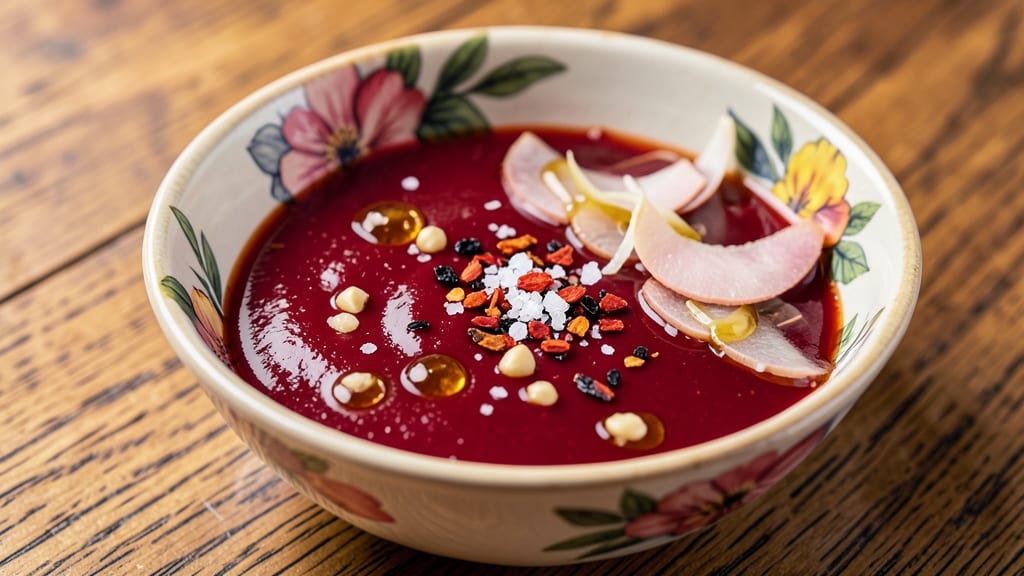
This Asian chilli sauce recipe delivers the perfect balance of fiery heat and sweet tang that transforms ordinary meals into extraordinary ones. The secret lies in simmering aromatic shallots, garlic, and fresh ginger with chili flakes until their flavors meld into a rich, complex paste.
What makes this sauce truly special is its versatility—it works as a bold dipping sauce for spring rolls, a marinade for grilled meats, or a finishing drizzle over stir-fries.
The process is straightforward yet rewarding: fresh ingredients are simmered until fragrant, then blended with vinegar, sugar, and a touch of fish sauce for depth. Unlike store-bought versions, this homemade sauce develops layers of flavor over time, becoming even more vibrant as it sits.
The result is a glossy, sticky sauce with just the right kick—spicy enough to wake up your taste buds but sweet enough to balance the heat.
Once made, this sauce keeps beautifully in the fridge for up to two weeks, or you can freeze it for longer storage. Its bright, aromatic profile elevates everything it touches, from crispy fried noodles to grilled shrimp skewers.
The best part? You can adjust the spice level to suit your preference by adding more or less chili flakes.
Perfect for meal prep, gifting, or keeping on hand for spontaneous cooking, this chilli sauce is a game-changer in any kitchen. Let's get started on creating your own batch—your taste buds will thank you.
Ingredients for asian chilli sauce
Ten ingredients that pack a punch—sweet, spicy, and irresistibly aromatic for any dish.
| Ingredient | Amount | Notes |
|---|---|---|
| Shallots 🧅 | ½ cup | Finely minced for aromatic base |
| Garlic Cloves 🧄 | 4 cloves | Peeled, minced for depth |
| Fresh Ginger 🌿 | ½ cup | Finely grated, vibrant color |
| Chili Flakes 🌶️ | 2 tbsp | Adjust for heat preference |
| Rice Vinegar 🍶 | ½ cup | White or seasoned variety |
| Brown Sugar 🍯 | ¼ cup | Light or dark preferred |
| Fish Sauce 🍶 | 1 tbsp | Red Boat preferred |
| Extra-Virgin Olive Oil 🫒 | ¼ cup | For richness and gloss |
| Sesame Oil 🌰 | 1 tbsp | Toasted for nutty aroma |
| Salt 🧂 | ½ tsp | Kosher or sea salt |
The fresh aromatics are non-negotiable here. Shallots and garlic need to be minced fine for maximum flavor infusion—no big chunks. I grab mine from the produce section at Whole Foods when they're in season, but any grocery store's fresh produce aisle works. For ginger, look for firm, knobby roots with no soft spots—Asian markets usually have the freshest, brightest ginger. Chili flakes? Penzeys has amazing options, but the regular grocery store stuff works fine if it's labeled 'hot' or 'extra hot'. The fish sauce is where you can splurge: Red Boat is my go-to, but any reputable brand will do.
No fresh ginger? Powdered ginger at half the amount works in a pinch, though it won't have the same depth. Out of fish sauce? Soy sauce plus a pinch of sugar gets you close, but you'll lose that umami punch. The sesame oil is what gives this sauce its signature aroma—don't skip it. Want it sweeter? Add another tablespoon of brown sugar. Need more heat? Add cayenne pepper to the blend. The rice vinegar can be swapped for apple cider vinegar if you're out, though it'll have a slightly different tang. And if you're worried about the olive oil overpowering, use the lightest extra-virgin you can find—it should be fruity but not peppery.
This sauce gets better with time—30 minutes in the fridge lets all the flavors marry beautifully. Keeps for 2 weeks in the fridge, or 3 months frozen in ice cube trays. I always make a double batch because once you taste homemade, store-bought just won't cut it. The sauce thickens as it sits, so if it seems too thick after blending, just add a splash of water or vinegar. Trust me, your taste buds will thank you for every last drop.
Why You'll Love This Recipe
- Few Ingredients, Big Payoff: I swear by this—just five simple things: shallots, garlic, ginger, chili flakes, and rice vinegar. That’s it. No fancy pantry staples, no last-minute grocery runs. The sauce practically makes itself while you chop.
- Umami Bomb in Minutes: The moment I blend toasted shallots, garlic, and fresh ginger with chili flakes, my kitchen smells like a street food stall. That tangy-sweet kick from the rice vinegar? It’s the kind of flavor that makes you reach for the jar again before the meal even ends.
- Dips, Glazes, Everything: I use this on everything—drizzled over grilled chicken, stirred into ramen, or as a dip for spring rolls. It’s my secret weapon for turning boring meals into something exciting. Honestly, I’ve even poured it on popcorn when I’m feeling wild.
- Lasts All Week: A single batch keeps in my fridge for days, and I don’t even need to refrigerate it if I’m storing it in a clean jar. Plus, it’s dirt cheap to make—way cheaper than buying store-bought sauces. Between us, I’ve saved enough money to buy extra chili flakes just for fun.
Step-by-step instructions for Asian chilli sauce
Here's how to craft a vibrant, balanced sauce that's perfect for dipping, drizzling, or elevating any dish.
Bloom the Aromatics in Olive Oil
Heat the 0.25 cup extra-virgin olive oil in a medium saucepan over medium-low heat. Add the 0.5 cup finely minced shallots and cook for 3-4 minutes until they soften and become translucent. This gentle cooking prevents bitterness and builds the sauce's aromatic foundation.
Next, add the 4 cloves minced garlic and 0.5 cup finely grated fresh ginger. Stir constantly for 2 minutes until the garlic turns golden and the ginger releases its bright, citrusy aroma. You'll know it's ready when the mixture smells intensely fragrant—this is where all the flavor magic begins. Keep the heat low to avoid burning these delicate ingredients.
Add Heat and Sweetness
Increase the heat to medium and stir in the 2 tablespoons chili flakes. Let them toast for 30 seconds until they darken slightly and release their smoky depth. This step intensifies the heat and adds complexity to the sauce.
Immediately reduce the heat back to medium-low and add the 0.5 cup rice vinegar and 0.25 cup brown sugar. Stir well to combine, letting the mixture simmer gently for 3-4 minutes until the sugar dissolves completely. You'll notice the sauce begin to thicken slightly as the vinegar cooks off and the sugar caramelizes just enough to create that perfect sweet-spicy balance.
Build Depth with Fish Sauce and Sesame Oil
Remove the pan from heat and let it cool for 1 minute. This prevents the fish sauce from cooking out its umami punch. Stir in the 1 tablespoon fish sauce and 1 tablespoon toasted sesame oil, mixing until fully incorporated. The fish sauce adds that signature savory depth, while the sesame oil brings nutty richness.
Return the pan to low heat and add the 0.5 teaspoon salt. Simmer gently for 2-3 minutes to let all the flavors meld together. The sauce should now have a glossy sheen and a perfect balance of sweet, spicy, tangy, and umami. If it's too thick, add 1-2 tablespoons water to reach your desired consistency.
Cool and Adjust to Perfection
Transfer the sauce to a bowl and let it cool completely at room temperature. This cooling step is crucial—it allows the flavors to fully develop and settle. Taste the sauce and adjust the seasoning if needed: add more fish sauce for saltiness, brown sugar for sweetness, or chili flakes for heat.
The sauce should be vibrant red with a glossy finish, ready to elevate everything from grilled meats to fresh spring rolls. Store any leftovers in an airtight container in the refrigerator for up to 2 weeks, or freeze for up to 3 months. The flavors actually improve with time as they continue to meld!
Pro Tips For Making Asian Chilli Sauce
- CHAR THE GINGER FIRST: I used to toss in fresh ginger raw—big mistake. Char it over high heat for 30 seconds per side until blackened spots appear. That smoky depth cuts through the acidity of rice vinegar and makes the sauce taste like it’s been simmering for hours.
- MINCE SHALLOTS SMALL: Tiny dice, not slices. Shallots should be so fine they almost dissolve when cooked. I learned this after my sauce had visible chunks—like someone dumped in raw onion by accident. Use a sharp knife or pulse in a food processor for consistency.
- CONTROL THE HEAT: Chili flakes burn faster than you think. Start with half the amount, taste, then add more if needed. I once turned my sauce into a smoky, bitter mess because I dumped in the whole jar at once—now I keep a small bowl of flakes nearby for gradual adjustments.
- USE COLD VINEGAR: Add rice vinegar at the very end, straight from the fridge. Warm vinegar mellows the acid and flattens the flavor. I was skeptical until I tried it—I now keep a chilled bottle in the fridge just for this purpose. The tang stays bright, and the sauce doesn’t taste like it’s been cooked down too long.
Essential equipment for this dish
Essential Blending Tools
For a silky-smooth texture, use an immersion blender like the Ninja Foodi or a high-speed blender like the Vitamix. These tools emulsify the sauce perfectly, creating that glossy finish you crave. If you don’t own one, a standard countertop blender works too—just pulse until smooth.
I’ve found that blending hot sauce directly in the pan (after removing from heat) gives the best results, as the residual heat helps break down the ingredients more evenly. 💫
Heat Control Essentials
A medium saucepan with sloped sides (like All-Clad Stainless Steel) prevents spattering when adding vinegar and sugar. For precise temperature control, use a digital thermometer to monitor heat—keeping it between 180-200°F ensures even cooking without burning.
A wooden spoon is ideal for stirring, as metal can scratch the pan and affect flavor. I keep a small bowl of ice water nearby to quickly cool the sauce after blending for easier handling.
Storage Containers
Transfer your sauce to glass mason jars or BPA-free plastic containers for fridge storage—they preserve freshness better than metal. For freezing, use silicone ice cube trays to portion out single servings, or freezer-safe bags with labels.
I always leave ½-inch headspace in containers to account for expansion. The Weck brand mason jars are my go-to—they seal tightly and stack neatly in the fridge. ❄️
Optional Fermentation Gear
If you want to ferment your sauce for deeper flavor (like a gochujang-style version), grab a fermentation kit with an airlock lid. A Mason jar with a fermentation lid (like Ball Mason) works perfectly.
For small batches, a glass fermentation crock keeps things contained. Fermenting adds complexity, but it’s optional—this sauce shines even without it!
Safety Must-Haves
Always keep a heat-resistant glove (like Oven Mitts by OXO) when handling hot pans, and a splash guard if you’re nervous about vinegar splatter. A fine-mesh strainer helps remove any unwanted bits if you prefer a smoother texture.
I also recommend a small whisk for stirring while the sauce cools—it’s gentler than a spoon and prevents lumps. Safety first, flavor second! 🔥
Nutrition facts
Frequently asked questions
Can I make this sauce without fresh ginger?
Yes! Use ¼ cup ground ginger instead of fresh, but reduce the amount by half since it's more concentrated. For best results, toast the ground ginger in the pan for 30 seconds before adding other aromatics to deepen its flavor. If you're out of ginger entirely, a pinch of ground allspice can add warmth, though it won't match the fresh ginger's brightness.
How can I adjust the spice level?
For milder heat, reduce chili flakes to 1 tablespoon and add ½ teaspoon cayenne powder for subtle warmth. For extra fire, increase chili flakes to 3 tablespoons and add 1 teaspoon crushed red pepper flakes. Always taste as you go—homemade sauce lets you customize perfectly!
Will this sauce thicken as it sits?
The starches from shallots and sugar naturally thicken the sauce over 24 hours. For immediate use, thin with 1 tablespoon water or vinegar while warm. If it becomes too thick later, stir in ½ teaspoon cornstarch mixed with 1 teaspoon water to adjust. The final texture should coat the back of a spoon but remain pourable.
Can I use this sauce as a marinade?
Yes, but dilute it first! Mix ¼ cup sauce with ½ cup soy sauce for chicken or pork. For seafood, use ¼ cup sauce with ½ cup coconut milk to prevent overcooking. Marinate proteins for 30-60 minutes max—chili sauce's acidity works quickly. Always pat dry before cooking for better searing.
What's the best way to remove excess oil?
After blending, spoon the sauce into a bowl and refrigerate for 1 hour. The oil will rise to the top—simply spoon it off with a clean spoon. For a completely oil-free version, blend with 1 tablespoon arrowroot powder before refrigerating. This creates a gel-like layer that traps oil for easy removal. The result is a lighter, more balanced sauce.