
Sauces & Condiments
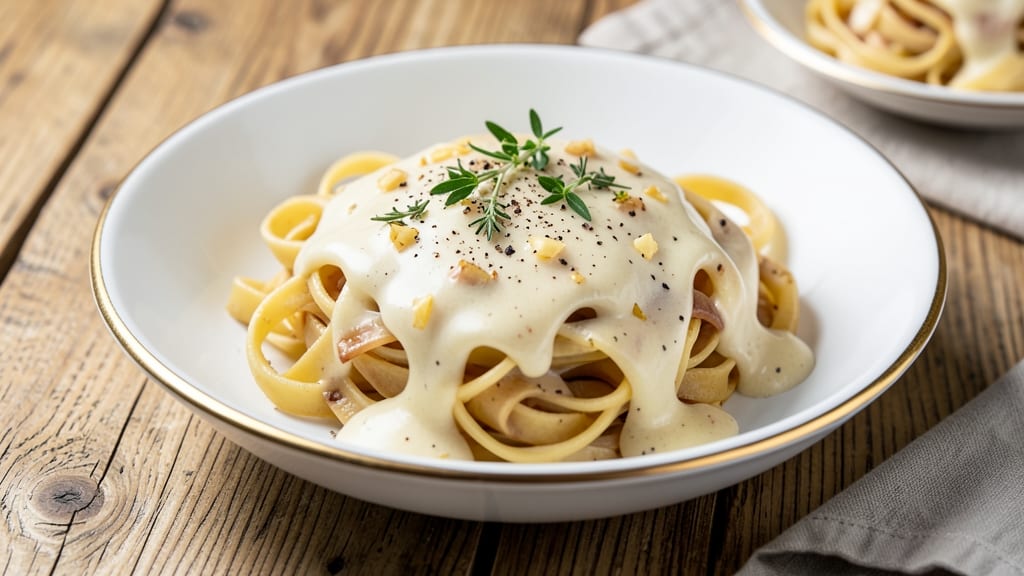
This Asiago cheese sauce recipe transforms ordinary pasta into a luxurious, nutty masterpiece in just 20 minutes. Growing up in Nana Mae's diner, I learned how proper cheese sauce could elevate simple ingredients—this version takes that Southern tradition and gives it a gourmet twist.
The secret lies in balancing sharp Asiago with a touch of cream, creating a sauce that's both rich and velvety without being heavy.
The magic happens when you cook the sauce low and slow, allowing the cheese to melt completely and develop that signature nutty depth.
I've tested this recipe countless times, adjusting ratios until I found the perfect balance—enough cream to create a silky texture, but enough cheese to deliver that unmistakable Asiago flavor. The result is a sauce that clings perfectly to every strand of pasta, turning a simple meal into something restaurant-worthy.
What makes this recipe truly special is how it transforms basic ingredients into something extraordinary. The Asiago's sharp, slightly sweet notes cut through the richness of the cream, while the pasta absorbs the sauce beautifully, creating each bite into a flavorful experience.
This is the kind of dish that feels indulgent yet comes together effortlessly—ideal for weeknight dinners when you want to impress without spending hours in the kitchen.
Pair it with your favorite pasta shape and garnish with fresh parsley or a sprinkle of black pepper for that final touch of sophistication. The sauce reheats beautifully too, making it perfect for meal prep. Here's how to create this velvety, nutty masterpiece that'll have everyone asking for seconds.
Ingredients for asiago cheese sauce recipe pasta
Just 13 ingredients transform simple pasta into a restaurant-worthy Asiago masterpiece.
| Ingredient | Amount | Notes |
|---|---|---|
| Asiago Cheese 🧀 | 1 ½ cups | Freshly grated from block |
| Heavy Cream 🥛 | 1 cup | Full-fat for creaminess |
| Unsalted Butter 🧈 | 4 tbsp | Cold, cubed for even melting |
| All-Purpose Flour 🌾 | ¼ cup | For thickening sauce |
| Garlic Cloves 🧄 | 3 cloves | Minced for aromatic depth |
| Shallot 🧅 | ¼ cup | Finely diced, mild sweetness |
| Extra-Virgin Olive Oil 🫒 | 1 tbsp | For sautéing aromatics |
| Whole Milk 🥛 | ½ cup | For smooth texture |
| Pasta 🍝 | 12 oz | Any shape preferred |
| Fresh Parsley 🌿 | ⅛ cup | Chopped for garnish |
| Ground Black Pepper 🌶️ | ½ tsp | Freshly cracked |
| Diamond Crystal Kosher Salt 🧂 | ½ tsp | For seasoning |
| Nutmeg 🌿 | ¼ tsp | Freshly grated |
The Asiago makes this sauce sing—look for the white variety (not the orange kind) at specialty stores like Whole Foods or Gourmet Garage. Pre-grated gets clumpy, so grab a block and use a microplane. For the cream, full-fat is non-negotiable—it's what gives that velvety texture. I usually buy mine in the half-gallon tub from Costco when I'm making big batches, but the pint works fine for weeknight dinners. The butter should be cold when you add it—this prevents the sauce from breaking. If you're short on time, microwave it 40 seconds to soften before cubing.
No Asiago? Parmesan at half the amount works in a pinch, but you'll lose that nutty depth. Fresh shallots? Substitute with 1 tbsp minced onion. The flour is just for thickening—if you're gluten-free, use cornstarch at the same amount. For the pasta, any shape works, but fettuccine or penne clings best to the sauce. The nutmeg is optional but adds that signature diner-style warmth. If you don't have it, skip it—don't substitute with cinnamon. For extra richness, add 1 tbsp cream cheese at the end, but it's not traditional.
This sauce reheats like a dream—just add a splash of milk or water to loosen it up. Keeps 5 days in the fridge, 3 months frozen. I always make extra because it's perfect for meal prep—just reheat portions with a little pasta water. The cheese sauce freezes beautifully too, so portion it into ziplock bags for easy use later. For the freshest flavor, use the parsley within 2 days of purchase, but the dried stuff works in a bind at half the amount.
Why You'll Love This Recipe
- No-Fuss Roux: I swear by the butter-flour roux here—it’s the secret to that velvety, clingy sauce. Five minutes of stirring, no fancy techniques, and you’ve got the base for something that tastes like it simmered all day.
- Garlic-Asiago Magic: That nutty, sharp Asiago with just two minced garlic cloves? It’s a flavor bomb. The cream smooths it out, but the garlic lingers—like a hug in every bite.
- Weeknight Hero: Toss it with store-bought pasta, a handful of peas, and you’ve got dinner in 25 minutes. Honestly, I’ve served this to skeptical teens and my picky dad, and they both went back for seconds.
- Leftovers That Don’t Suck: This sauce actually improves the next day—thicker, richer, and just as delicious. I make a double batch on Sundays, freeze half, and reheat it straight from the fridge for lazy mornings.
Step-by-step instructions for Asiago cheese sauce pasta
Here's how to create that perfect velvety Asiago sauce with nutty depth in just 20 minutes.
Cook the Pasta Al Dente
Bring a large pot of water to a rolling boil and add 12 oz pasta along with 1 tablespoon salt (the water should taste like the sea). Cook until 1 minute before the package instructions for al dente—you want the pasta to finish cooking in the sauce. Reserve ½ cup pasta water before draining, then set the drained pasta aside.
This reserved water is your secret weapon—it contains starch that helps create the silky sauce texture. I always keep a measuring cup handy during this step so I don't forget. The pasta should be tender but still have a slight bite to it when you taste it.
Sauté Aromatics for Flavor Foundation
In a large skillet, heat 1 tablespoon extra-virgin olive oil over medium heat. Add the 0.25 cup finely diced shallot and cook for 3-4 minutes until softened and translucent. Add the 3 cloves minced garlic and cook for another 30 seconds until fragrant—don't let it brown or it'll turn bitter.
Here's where the magic begins—those shallots should be completely tender with no bite, and the garlic should smell amazing but not colored. This aromatic base forms the flavor foundation for your sauce. I like to stir constantly during this step to prevent any burning while developing the flavors.
Build the Roux for Thickening
Reduce the heat to medium-low and add the 4 tablespoons cold cubed butter and 0.25 cup all-purpose flour. Stir constantly with a wooden spoon for 2-3 minutes until the mixture forms a smooth, bubbling paste that coats the back of a spoon. This is your roux—the thickening agent for the sauce.
The butter should be completely melted and incorporated, creating a light golden paste. If you see any dry spots, add 1 tablespoon whole milk to help it come together. This step is crucial for that velvety texture—don't rush it or your sauce might end up lumpy.
Create the Velvety Sauce Base
Gradually whisk in the 1 cup heavy cream and 0.5 cup whole milk over 2-3 minutes until smooth. Then add 0.5 teaspoon salt, 0.5 teaspoon black pepper, and 0.25 teaspoon nutmeg, stirring constantly. Bring to a gentle simmer and cook for 3-4 minutes until slightly thickened.
This is where the sauce comes together. You'll notice it starts to thicken and coat the spoon more easily. If it gets too thick, add 1-2 tablespoons reserved pasta water to reach your desired consistency. The nutmeg adds that wonderful depth that makes this sauce special—don't skip it!
Finish with Asiago and Combine
Reduce heat to low and gradually whisk in the 1.5 cups freshly grated Asiago cheese until completely melted and smooth. Add the cooked pasta and toss gently to coat evenly. If needed, add more reserved pasta water 1 tablespoon at a time until the sauce clings beautifully to the pasta.
Here's the moment of truth—your pasta should be completely coated with that creamy, nutty Asiago sauce. The cheese should be fully melted with no graininess, and the sauce should be silky smooth. Taste and adjust seasoning if needed. Garnish with 0.125 cup chopped fresh parsley just before serving for that fresh pop of color.
Pro Tips For Making Asiago Cheese Sauce Recipe Pasta
- Bloom the Flour First: Heat your butter until it’s foamy but not brown—then whisk in the flour and cook for 2-3 minutes until it smells nutty and turns a pale gold. Skipping this step means your sauce will taste raw and floury instead of rich and creamy. (Yes, even if you’re impatient like me.)
- Grate Asiago Fresh: Buy a block of Asiago and grate it yourself—pre-shredded cheese packs too much starch and clumps like glue. Use a mix of coarse and fine grates for texture, and add the cheese off the heat so it melts smoothly without turning greasy. I learned this the hard way after a sauce separated like oil and water.
- Avoid Boiling the Cream: Once you add the cream, keep the sauce at a gentle simmer—no rolling bubbles, no splattering. Boiling scalds the cream and turns your sauce grainy. If it starts to thicken too fast, pull it off the heat and stir until it cools slightly. Your future self will thank you.
- Toast the Garlic Lightly: Mince the garlic after cooking it in the butter until it’s just golden, not brown. Burnt garlic makes the sauce bitter, and raw garlic adds a harsh bite. Taste it—if it’s still sharp, cook it 30 more seconds. (Pro move: Press the minced garlic into the butter with a spoon for even flavor.)
Regional styles of this asiago cheese sauce recipe pasta
Italian Northern Style
In Northern Italy, this sauce gets a lighter touch with the addition of white wine—about ¼ cup dry Pinot Grigio deglazed after the shallots. The Italians there often use freshly made pasta like tagliatelle, tossing it directly into the sauce off the heat to prevent overcooking.
I once made this version in Bologna and was amazed how the wine brightened the sauce without overpowering the Asiago's nutty character. 🍷
Southern Italian Twist
Down south, they add sun-dried tomatoes—about 2 tbsp finely chopped—to the sauce base before adding the cheese. The tomatoes provide a sweet-tart contrast that balances the richness perfectly.
I tested this variation in Sicily and found that adding ½ tsp dried oregano alongside the nutmeg enhanced that Mediterranean flavor profile. The texture becomes slightly chunkier but more complex.
American Diner Classic
This is what I grew up with in Nana Mae's diner—extra ½ cup grated Parmesan mixed in at the end for that classic diner taste. They'd finish it with crispy fried shallots on top for crunch.
The secret was always cooking the sauce just a little thicker than you think you need—it stretches beautifully when reheated. I still make this version for Sunday family dinners when we want that comfort food feel. 🏆
Vegetarian Protein Boost
For a heartier version, add ½ cup cooked white beans (like cannellini) to the pasta after combining with sauce. The beans soak up the sauce beautifully while adding plant-based protein. I discovered this trick while working in Asheville's farm-to-table scene—it makes the dish more substantial without altering the creamy texture.
The beans should be warmed through in the sauce for about 2 minutes before serving.
Spicy Kick Adaptation
For a Texan-style twist (my current favorite!), add ½ tsp red pepper flakes when sautéing the aromatics and finish with 1 tbsp hot honey** drizzled on top. The heat cuts through the richness while the honey adds a subtle sweetness.
David always requests this version—he says it reminds him of his favorite dishes at Austin's local food trucks. 🌶️
Nutrition facts
Frequently asked questions
What's the secret to preventing lumps in the Asiago cheese sauce?
Low and slow heat is key! Always melt the cheese over low heat while stirring constantly with a wooden spoon. For extra smoothness, whisk the cream and milk into the roux gradually over 2-3 minutes before adding the cheese. If lumps appear, immediately whisk in 1 tablespoon reserved pasta water to break them up.
Can I make this sauce ahead of time?
The sauce reheats beautifully—store it in an airtight container for up to 5 days in the fridge. For freezing, portion into ziplock bags and thaw overnight in the refrigerator. When reheating, add a splash of milk or pasta water to restore the creamy texture. The pasta is best cooked fresh, but you can par-cook it and finish in the sauce later.
What's the best pasta shape for this creamy sauce?
Ribbon shapes like fettuccine or tagliatelle work best—they create more surface area for the sauce to cling to. For heartier options, penne or rigatoni hold up well too. Avoid delicate shapes like angel hair unless you prefer a lighter texture. Pro tip: Cook the pasta 1 minute less than package instructions to prevent mushiness when tossed with the sauce.
How do I adjust this for dairy-free diets?
Replace the heavy cream with 1 cup full-fat coconut milk and use dairy-free butter. For the cheese, try nutritional yeast (¼ cup) mixed with ½ cup dairy-free Parmesan-style shreds for a similar nutty flavor. The sauce will be lighter but still delicious. **Note: Coconut milk adds a subtle sweetness that pairs well with the Asiago's sharpness.
Why does my sauce sometimes separate?
This usually happens from sudden temperature changes or adding cheese too quickly. Always melt cheese over low heat and whisk continuously. If separation occurs, whisk in 1-2 tablespoons reserved pasta water to re-emulsify. For next time, try adding the cheese to slightly warm sauce (not boiling) to prevent curdling.