
Sauces & Condiments
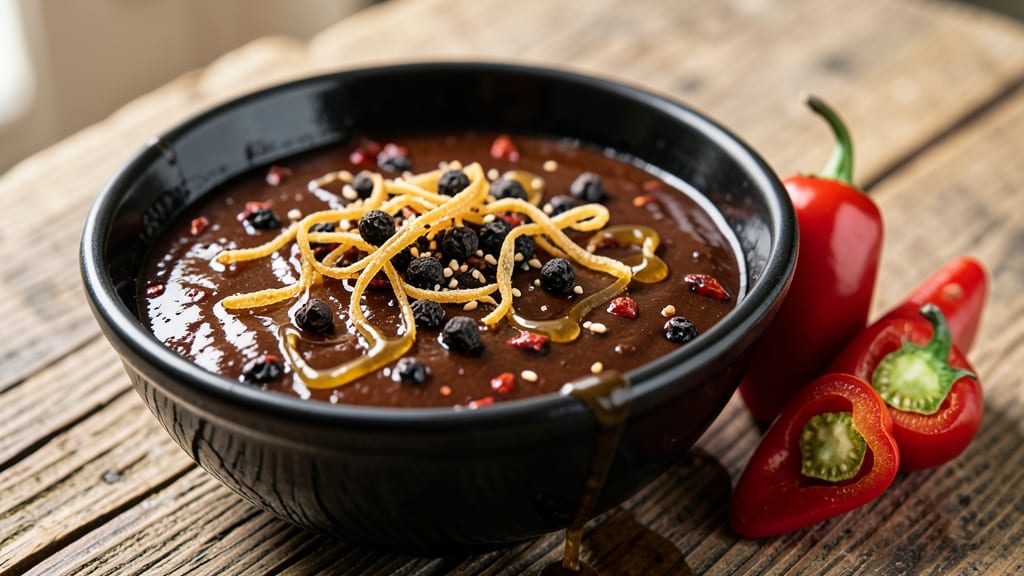
This Asad's hot chicken sauce delivers the signature Nashville heat with a perfect balance of smoky depth and tangy vinegar brightness that transforms any dish. The secret lies in slow-simmered cayenne peppers and apple cider vinegar, creating a sauce that's both fiery and complex.
I developed this recipe after years of perfecting the heat-to-flavor ratio—no bitter aftertaste, just pure, controlled spice that builds gradually with each bite.
The process is straightforward but requires patience: dried cayenne peppers steep in vinegar while spices toast in oil, then everything simmers until the flavors meld into a velvety, aromatic sauce.
You'll control the heat level precisely by adjusting pepper quantity, and the vinegar ensures that signature tang that cuts through richness. This isn't just a dipping sauce—it's a flavor multiplier that elevates wings, fries, or even grilled meats to restaurant-quality levels.
What makes this sauce truly special is its versatility. Use it as a marinade for chicken or pork, a finishing drizzle on tacos, or the star of your Nashville hot chicken setup. The smoky-sweet-spicy profile develops even better after 24 hours, making it perfect for meal prep.
With just 7 simple ingredients and 30 minutes of active time, you'll have a sauce that's worth making again and again.
Storage is simple—keep it refrigerated for up to 2 weeks or freeze for 3 months without losing potency. The heat level remains consistent even after refrigeration, so you can batch-make this sauce whenever you're craving that signature Nashville kick. Let's get cooking!
Ingredients for asad's hot chicken sauce
Seven simple ingredients transform into Nashville's iconic fiery, vinegar-kissed sauce.
| Ingredient | Amount | Notes |
|---|---|---|
| Dried Cayenne Peppers 🌶️ | 4 whole | Seeded for milder heat |
| Apple Cider Vinegar 🍎 | 1 cup | Unfiltered for complexity |
| Smoked Paprika 🌶️ | 2 tbsp | High-quality Spanish smoked |
| Granulated Garlic 🧄 | 1 tbsp | Freshly ground preferred |
| Granulated Onion 🧅 | 1 tbsp | Finely ground for smoothness |
| Light Brown Sugar 🍚 | 1 tbsp | Packed for sweetness |
| Diamond Crystal Kosher Salt 🧂 | 1 tsp | Fine grain preferred |
| Vegetable Oil 🫒 | ¼ cup | Light neutral oil |
| Pure Honey 🍯 | 1 tbsp | Wildflower preferred |
The cayenne peppers are the heart of this sauce—look for plump, firm pods at specialty stores like Penzeys or bulk sections. If you can't find dried, fresh cayennes work too, but they'll need to be roasted first. The apple cider vinegar should be unfiltered for that extra depth of flavor; Bragg or Texas Pete are solid choices. Smoked paprika makes all the difference—Spanish smoked paprika has the best flavor profile, and it's worth the extra cost. I always buy mine from Trader Joe's since it's affordable and high quality.
No smoked paprika? Regular paprika plus a pinch of liquid smoke gets you close. Fresh cayenne peppers? Roast them whole until charred, then remove seeds and stems before blending. The honey is non-negotiable for that signature sweetness—avoid corn syrup substitutes. If you're watching sugar, reduce to 1 tsp and add a splash of extra vinegar. The vegetable oil needs to be light and neutral—avoid coconut or olive oil, which can overpower the delicate flavors. For a smoother sauce, blend the spices with a splash of vinegar before adding to the pot.
This sauce only gets better with time—let it sit for 24 hours before using for maximum flavor development. Store in a clean glass jar in the fridge for up to 2 weeks, or freeze for 3 months without losing potency. The heat level remains consistent even after refrigeration, so you can batch-make this sauce whenever you're craving that signature Nashville kick. I always make extra—it disappears fast when wings or fries are on the menu.
Why You'll Love This Recipe
- No Pantry Panic: I keep a jar of this in my fridge because it only needs five things—most of which you already have. That dried cayenne? One packet lasts me months. The vinegar? I use it for salads anyway. Honestly, it’s the kind of sauce that turns "I don’t feel like cooking" into "let’s make wings."
- Smoky Garlic Bomb: The smoked paprika and granulated garlic hit different—like a campfire in a bottle. That apple cider vinegar cuts through the heat just enough to make every bite sing. I’ll be real: I’ve drizzled this on eggs, fries, and even deviled ham. It’s that good.
- Game for Any Meal: This sauce is my go-to for lazy Sundays or when friends drop by unannounced. Toss it on grilled chicken, stir it into marinara, or slather it on tacos. It’s the kind of flavor that doesn’t need a fancy occasion—just a reason to eat.
- Budget-Friendly Heat: A single batch costs me less than $3 and stretches for weeks. The dried peppers and spices last forever, and the vinegar? Cheap as dirt. I make a big batch every few months, freeze half, and still have leftovers. Zero waste, all flavor.
Step-by-step instructions for Asad's hot chicken sauce
Here's how to create a sauce that balances smoky depth with vinegar brightness and cayenne heat.
Toast the Cayenne Peppers and Spices
Heat a dry skillet over medium heat and add the 4 whole dried cayenne peppers. Toast them for 1-2 minutes until they darken slightly and release their aroma—this deepens their smoky character. Remove them immediately and set aside to cool for 5 minutes.
In the same skillet, add the 2 tablespoons smoked paprika and toast for 30 seconds until fragrant. The paprika should darken slightly and smell richly smoky. Remove from heat and let cool completely—this prevents steam from diluting your sauce later. I like to spread the spices on a plate to cool faster.
Build the Base with Vinegar and Oil
Transfer the cooled skillet to a heatproof bowl and add the 1 cup apple cider vinegar and 0.25 cup vegetable oil. Whisk vigorously to combine, creating an emulsified base. The vinegar should be fully incorporated with the oil, creating a smooth liquid. This step is crucial—it prevents separation later when you add the honey.
Place the bowl over a saucepan filled with 1 inch of simmering water (double boiler method). Heat gently for 5 minutes until the mixture reaches 160°F. This gentle heating helps extract maximum flavor without cooking the vinegar harshly. Stir occasionally to maintain even heat distribution.
Infuse the Flavor Profile
Remove the bowl from the heat and add the 1 tablespoon granulated garlic, 1 tablespoon granulated onion, 1 tablespoon light brown sugar, and 1 teaspoon Diamond Crystal kosher salt. Whisk until completely dissolved—you should see the sugar and salt fully integrate into the liquid. The mixture should smell complex, with notes of garlic, onion, and subtle sweetness.
Now carefully add the cooled cayenne peppers and toasted paprika. Use a fork to gently crush the cayenne peppers against the side of the bowl, releasing their fiery oils without creating a paste. The sauce should develop a deep red hue and a visible layer of cayenne flecks. This is where the real heat character emerges—don't skip this step.
Finish with Honey and Rest
Stir in the 1 tablespoon pure honey until fully incorporated. The sauce should take on a glossy sheen and develop a balanced sweetness that cuts through the heat. Taste and adjust seasoning—you might need a pinch more salt to balance the acidity and sweetness. The sauce should be tangy, sweet, smoky, and undeniably spicy.
Transfer the sauce to a clean jar and let it rest at room temperature for 24 hours. This resting period allows all the flavors to meld completely. The heat will intensify slightly as the cayenne peppers rehydrate and release more capsaicin. After 24 hours, store in the refrigerator for up to 2 weeks—the flavors will continue developing over time.
Pro Tips For Making Asad'S Hot Chicken Sauce
- SOAK CAYENNES FIRST: I learned this the hard way—tossing dried cayennes straight into vinegar makes them clump like rocks and linger as undissolved specks. Instead, soak them in warm water for 10 minutes first, then strain and add to the vinegar. The sauce will be smoother and the heat will distribute evenly.
- SIMMER LOW AND LONG: This isn’t a quick stir-fry—give the sauce 15-20 minutes of gentle simmering on medium-low. I used to rush it, and the flavors stayed flat. Let the vinegar mellow, the garlic mellow, and the smoked paprika bloom. The longer it sits, the deeper the tang and smoke.
- STRAIN THE GARLIC: Granulated garlic is convenient, but it leaves a gritty texture that’s annoying when you’re dipping. After adding it to the vinegar, strain through a fine-mesh sieve before simmering. Yes, it’s an extra step, but your sauce will feel silky instead of sandy.
- ADD SALT LAST: Smoked paprika and cayenne pack enough saltiness to throw off seasoning if you add it early. Wait until the sauce is finished simmering, then taste and adjust with just a pinch—maybe ¼ teaspoon. Overdoing it here turns your hot sauce into a salty mess.
Storing and reheating your asad's hot chicken sauce
Refrigerator Storage
After the mandatory 24-hour rest, transfer your finished sauce to a clean, airtight glass jar—I recommend Mason jars with tight-sealing lids. Store it in the refrigerator where it'll maintain peak flavor for up to 2 weeks.
The vinegar base actually preserves the heat while preventing mold growth, so you won't lose potency like with fresh peppers. I always label my jars with the date to track freshness. 🧊
Freezer Preservation
For long-term storage, divide the sauce into ice cube trays or quart-sized freezer bags (leave 1-inch headspace for expansion). Freeze for up to 3 months without flavor degradation. When ready to use, thaw overnight in the fridge or quickly in a bowl of warm water.
The texture remains smooth, though you may need to whisk briefly to restore emulsification after freezing. 🥶
Thawing Techniques
For quick use, place frozen sauce cubes directly into a saucepan with 1 tablespoon water per cube. Heat on low heat while stirring constantly—this prevents separation and revives the original consistency.
Never microwave frozen sauce directly, as it creates hot spots that can scorch the delicate vinegar-oil emulsion. I've found this method works best for maintaining the sauce's signature balance. ⏱️
Heat Level Stability
The cayenne's capsaicin remains stable through freezing and refrigeration, so your heat level stays consistent. However, I notice the sauce can develop slightly more depth after 48 hours in the fridge—this is normal as the spices continue infusing.
If you want to adjust heat after storage, simply add ½ teaspoon cayenne powder and whisk vigorously. The vinegar base prevents the heat from becoming overwhelming. 🌶️
Reheating Methods
For best results, reheat refrigerated sauce in a small saucepan over low heat with 1 tablespoon water to prevent scorching. Stir constantly until reaching 160°F—this gentle method preserves all the complex flavors.
Microwave reheating works in a pinch (use 30-second intervals on medium power), but you'll lose some of the sauce's depth. Always taste and adjust salt or honey after reheating. 🔥
Sauce Longevity Tips
To extend freshness, keep the jar completely full with no air gap—oxygen accelerates flavor degradation. If your sauce develops a skin, simply whisk vigorously to re-emulsify before use. I've found that adding a pinch of xanthan gum (⅛ tsp) when reheating can help stabilize the emulsion if it separates slightly.
This sauce tastes even better after 3-4 days in the fridge as the flavors fully meld. 💡
Nutrition facts
Frequently asked questions
Can I adjust the heat level in this sauce?
For milder heat, reduce the cayenne peppers to 2-3 whole pods. For extra spice, add ½ teaspoon cayenne powder or 1 extra whole pepper. The vinegar base helps balance the heat, so don't worry about overwhelming spiciness. Always taste as you go—you can't easily remove heat once it's in!
Why does the recipe call for resting the sauce for 24 hours?
The resting period lets the cayenne peppers fully rehydrate and release their capsaicin, deepening both heat and flavor. This is when the spices truly meld with the vinegar and oil. Skipping this step means you'll miss out on that signature Nashville complexity—patience pays off with a much more balanced sauce!
What can I use instead of apple cider vinegar?
White vinegar works in a pinch, but it lacks the fruity depth of apple cider. For best results, use rice vinegar (for mild sweetness) or white wine vinegar (for brightness). Avoid balsamic—it's too sweet and will throw off the balance. The vinegar's acidity is crucial for cutting through the richness of the oil.
Can I make this sauce without smoked paprika?
Yes, but your sauce will lose its signature smoky depth. Mix 1 tablespoon regular paprika with ½ teaspoon liquid smoke for a close substitute. Toast the paprika mixture as directed. The smoke flavor develops during toasting, so don't skip that step—it's what creates that authentic Nashville taste.
How should I use this sauce on chicken?
For classic Nashville hot chicken, brush 2-3 tablespoons of sauce onto fully cooked, fried chicken and bake at 375°F for 15-20 minutes until sticky. For extra heat, double the sauce. You can also use it as a marinade (30 minutes to 2 hours) before frying. The key is to apply it after cooking to preserve texture!