
Sauces & Condiments
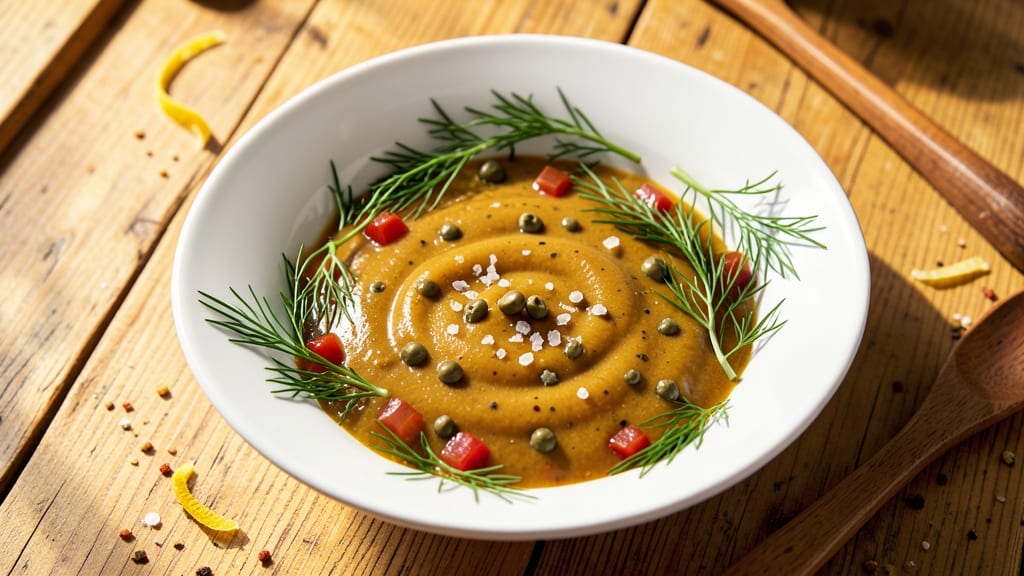
Arthur Treacher's tartar sauce recipe delivers that iconic balance of creamy mayonnaise, briny capers, and tangy pickles—exactly how it should taste. This classic condiment transforms simple seafood dishes into restaurant-worthy meals with just a few minutes of prep and no cooking required. The secret lies in the right ratio of ingredients and proper mixing technique, which creates that signature smooth yet textured consistency.
The sauce's signature flavor comes from the combination of mayonnaise as the base, finely chopped capers for that signature briny bite, and dill pickles for tangy sweetness. A splash of lemon juice brightens the flavors while keeping the sauce fresh-tasting.
This recipe stays true to the original while offering flexibility for dietary preferences, such as using Greek yogurt for a lighter version or adding a touch of hot sauce for extra kick.
What makes this tartar sauce truly special is its versatility—perfect for dipping fried fish, topping loaded baked potatoes, or pairing with shrimp cocktails. The sauce keeps well in the refrigerator for up to a week, making it an ideal make-ahead condiment for entertaining or meal prep.
Once you taste this classic version, you'll never settle for store-bought again.
With just five simple ingredients and a foolproof mixing method, you'll achieve that signature Arthur Treacher's tartar sauce texture every time. The result is a creamy, slightly grainy sauce that's perfectly balanced between rich, briny, and tangy—exactly what makes it the ultimate seafood companion. Let's get started!
Ingredients for arthur treacher's tartar sauce
The quintessential tartar sauce begins with these eight essential ingredients, each playing a crucial role in achieving that signature briny-creamy balance.
| Ingredient | Amount | Notes |
|---|---|---|
| Mayonnaise 🥫 | 1 cup | High-quality, smooth variety preferred |
| Capers 🍅 | ¼ cup | Finely chopped, not salt-packed |
| Dill Pickles 🥒 | ¼ cup | Finely chopped, seeds removed |
| Fresh Dill 🌿 | 2 tbsp | Finely chopped, stems removed |
| Lemon Juice 🍋 | 1 ½ tbsp | Freshly squeezed, strained |
| Kosher Salt 🧂 | ½ tsp | Diamond Crystal preferred |
| Black Pepper 🌶️ | ¼ tsp | Freshly ground, coarse grind |
| Fresh Chives 🌱 | 1 tbsp | Finely chopped, for garnish |
The mayonnaise serves as the creamy foundation, so opt for a high-quality brand like Hellmann's or Best Foods—avoid store-brand versions that often lack richness. Capers are the star of this sauce, contributing that signature briny bite. Look for non-salt-packed capers in jars at specialty stores or well-stocked grocery sections; they're worth hunting down for authentic flavor. Fresh dill and chives add aromatic depth, so prioritize these over dried varieties. The pickles should be dill variety, not bread-and-butter, for the right tangy-sweet contrast. Lemon juice should be freshly squeezed for brightness—bottled versions lack the same vibrancy.
No capers? Finely chopped green olives or cornichons work in a pinch, though they alter the flavor profile slightly. Substitute Greek yogurt for mayonnaise to lighten the sauce, but reduce the lemon juice to 1 tablespoon to balance the tang. For extra kick, add 1/2 teaspoon hot sauce or a dash of Worcestershire sauce (ensure it's vegetarian if needed). The pickles can be swapped for fresh cucumber if you prefer a milder taste, but they won't provide the same tangy crunch. Always strain the lemon juice to avoid graininess in the final sauce.
This sauce maintains its peak quality for up to 7 days when stored in an airtight container in the refrigerator. The texture may separate slightly after a few days—simply stir before serving. For longer storage, transfer to a sealed container and freeze for up to 3 months. Thaw overnight in the fridge before using. Garnish with fresh chives just before serving to preserve their vibrant color and aroma. The sauce pairs beautifully with fried fish, shrimp cocktails, or as a topping for loaded baked potatoes.
Why You'll Love This Recipe
- Here’s what sold me: that bright punch from the lemon and pickles cutting through the richness of the mayo. The capers add a salty crunch, and fresh dill? It’s like a little herb hug in every bite. Honestly, it’s the kind of flavor that makes me reach for seconds without thinking.
- I’ll be real: I double the batch and stash it in the fridge. It keeps for days, so I’m never scrambling for a last-minute condiment. Plus, it’s budget-friendly—no specialty ingredients, just pantry staples. That means more money for actual food (or wine, no judgment).
Step-by-step instructions for Arthur Treacher's tartar sauce
This classic sauce delivers that signature Arthur Treacher's balance of briny capers, tangy pickles, and fresh herbs in just minutes.
Finely Chop the Capers and Pickles
Use a sharp chef's knife to chop the 0.25 cup capers into tiny pieces—think rice grain size or smaller. The key here is uniformity; uneven pieces will create texture inconsistencies in the final sauce. Transfer these to a medium bowl.
Next, finely chop the 0.25 cup dill pickles, removing all seeds and skin fragments. You want these to blend seamlessly into the mayonnaise without any noticeable pickle texture. I press the pickles against the cutting board with my knife blade to ensure even mincing—this prevents any lingering crunch.
Mix the Base Ingredients
In a separate bowl, combine the 1 cup mayonnaise with the chopped capers and pickles. Use a silicone spatula to fold gently at first, then switch to a whisk for thorough mixing. You're looking for a smooth, homogeneous texture without any visible chunks.
Add the 1.5 tablespoons lemon juice and mix again. The lemon brightens the flavors and balances the saltiness of the capers. Taste at this stage—you should notice a clean, slightly tangy base with no harsh caper bite yet. If you're using a high-quality mayonnaise, this is where its smooth texture becomes evident in the sauce.
Incorporate Fresh Herbs and Seasonings
Finely chop the 2 tablespoons fresh dill and 1 tablespoon fresh chives, removing stems completely. The dill should be minced into tiny confetti-like pieces, while the chives can be slightly larger but still delicate. Add these to the mayonnaise mixture and whisk vigorously for 30 seconds to distribute evenly.
Sprinkle in the 0.5 teaspoon kosher salt and 0.25 teaspoon black pepper, then whisk again until fully incorporated. The salt should enhance the capers' brininess, while the pepper adds subtle warmth. Taste again—now you should detect the fresh herb notes emerging alongside the tangy base.
Rest and Adjust for Perfect Consistency
Cover the bowl and refrigerate the sauce for at least 30 minutes before serving. This resting period allows all the flavors to meld completely. The cold temperature also helps the mayonnaise stabilize, preventing any potential separation.
After chilling, check the consistency. If the sauce appears too thick, add 1 teaspoon water at a time while whisking until it reaches a smooth, spreadable texture. For extra tang, you can add another ½ teaspoon lemon juice. The final sauce should coat the back of a spoon with a velvety finish, ready to complement golden fried fish or crispy chicken fingers.
Pro Tips For Making Arthur Treacher'S Tartar Sauce
- CHOP PICKLES FINE: Skip the lazy dice—finely chop those dill pickles into tiny, almost paste-like pieces. I used to leave them chunky, but this recipe demands texture balance, and tiny pickles distribute flavor evenly without overpowering the mayo.
- DRAIN CAPERS WELL: Rinse and drain those capers in a fine-mesh strainer for at least 30 seconds. The brine clings to them like glue, and if you skip this, your sauce will taste salty and unbalanced—trust me, I’ve learned this the hard way.
- MIX IN STAGES: Start by folding in the pickles and dill into the mayo, then add capers and lemon juice last. This keeps the sauce from breaking and lets you taste as you go—adjust the acidity or salt before committing to the full caper punch.
- USE FRESH DILL: No dried dill here—fresh is non-negotiable. Roughly chop the stems too (they’re not wasted) and give it a good muddle with the lemon juice first. This releases the oils and makes the flavor pop in every bite.
Regional styles of this arthur treacher's tartar sauce
British Classic Style
Arthur Treacher’s tartar sauce originates from British fish-and-chip shops, where it was traditionally served with beer-battered cod or mushy peas. The original version relied on salt-packed capers (not drained) for extra brininess, and some early recipes included a splash of white wine vinegar instead of lemon juice.
I’ve found that using malt vinegar in place of lemon juice creates a more authentic British flavor profile, though it’s less common today.
The British version also often incorporated hard-boiled egg yolks for extra richness—about 1-2 yolks blended into the mayonnaise base. This technique was popular in traditional pub recipes, though it’s less common in modern adaptations.
For a true British pub-style tartar, try adding 1 teaspoon prepared mustard to the mix for a subtle depth of flavor. 🍺
American Diner Twist
Across the Atlantic, American diners adapted tartar sauce to suit local tastes, often making it sweeter and slightly milder. Classic American versions frequently included diced sweet pickles (like Heinz sweet gherkins) instead of dill pickles, and some recipes called for a pinch of sugar to balance the acidity.
I’ve noticed that diner-style tartar sauce often omits fresh dill, relying instead on 1 teaspoon dried dill for convenience.
Another American innovation was the addition of finely chopped red onion (about 1 tablespoon) to add a subtle sharpness. This variation works especially well with fried shrimp or fish sandwiches, where the onion’s bite cuts through the richness.
For a true diner-style tartar, I recommend reducing the lemon juice to 1 tablespoon and adding ½ teaspoon sugar to round out the flavors. 🌶️
Modern Fusion Adaptations
Today’s chefs are putting creative spins on tartar sauce, blending traditional flavors with global influences. One popular fusion is Asian-inspired tartar sauce, where rice vinegar replaces lemon juice, and fresh cilantro joins the dill.
I’ve experimented with adding 1 teaspoon sesame oil and a dash of soy sauce for an umami depth that pairs beautifully with tempura-fried fish or sushi rolls. 🌿
Another trendy variation is smoky chipotle tartar sauce, where ½ teaspoon adobo sauce (from canned chipotles) adds a subtle smokiness. This works surprisingly well with grilled salmon or blackened shrimp.
For a Mediterranean twist, swap capers for finely chopped Kalamata olives and add 1 teaspoon oregano—this version shines with grilled octopus or seafood platters.
Regional British Variations
In Northern England, tartar sauce often includes grated apple (about 1 tablespoon) for a subtle sweetness, a nod to the region’s love of sharp flavors balanced with fruit. This variation is particularly popular with fish and chips in coastal towns like Whitby.
Meanwhile, Scottish versions sometimes incorporate a pinch of smoked paprika for a hint of smokiness, especially when served with smoked haddock.
Down in Cornwall, the sauce might feature sea salt instead of kosher salt, reflecting the region’s coastal traditions. Some Cornish recipes also call for finely chopped watercress (about 1 tablespoon) to add a peppery kick.
For a true regional twist, try adding 1 teaspoon cider vinegar—a staple in Cornish cooking—to brighten the flavors. 🏴
Nutrition facts
Frequently asked questions
Can I make Arthur Treacher's tartar sauce without mayonnaise?
Yes! For a lighter version, substitute mayonnaise with 1 cup Greek yogurt (plain or whole milk). Reduce the lemon juice to 1 tablespoon since yogurt is tangier. For a vegan option, use vegan mayo or blend ½ cup silken tofu with ½ cup vegan mayo until smooth. The texture will be slightly thicker but still delicious.
Why does my tartar sauce taste too salty?
Capers and pickles contain salt, so taste as you go! If it's too salty, balance it with 1-2 teaspoons honey or sugar (for American-style sweetness) or add ½ cup plain yogurt to dilute the saltiness. For British-style tartar, a splash of malt vinegar can help cut through the salt.
How do I store homemade tartar sauce?
Transfer to an airtight container and refrigerate for up to 7 days. The texture may separate slightly—just stir before serving. For longer storage, freeze for 3 months. Thaw overnight in the fridge to preserve texture. Pro tip: Add a thin layer of water to the container before sealing to prevent drying.
What's the best way to serve Arthur Treacher's tartar sauce?
This classic sauce is perfect for dipping fried fish, fish and chips, or shrimp cocktails. It also works as a topping for loaded baked potatoes or as a sandwich spread. Garnish with fresh chives right before serving to keep it vibrant. For extra flair, serve in a small bowl with lemon wedges on the side.
Can I make tartar sauce ahead of time?
This sauce tastes even better after 24 hours as flavors meld. Make it a day ahead for gatherings—just store properly in the fridge. For parties, divide into small containers so guests can take home portions. The longer it rests, the more balanced the flavors become.