
Sauces & Condiments
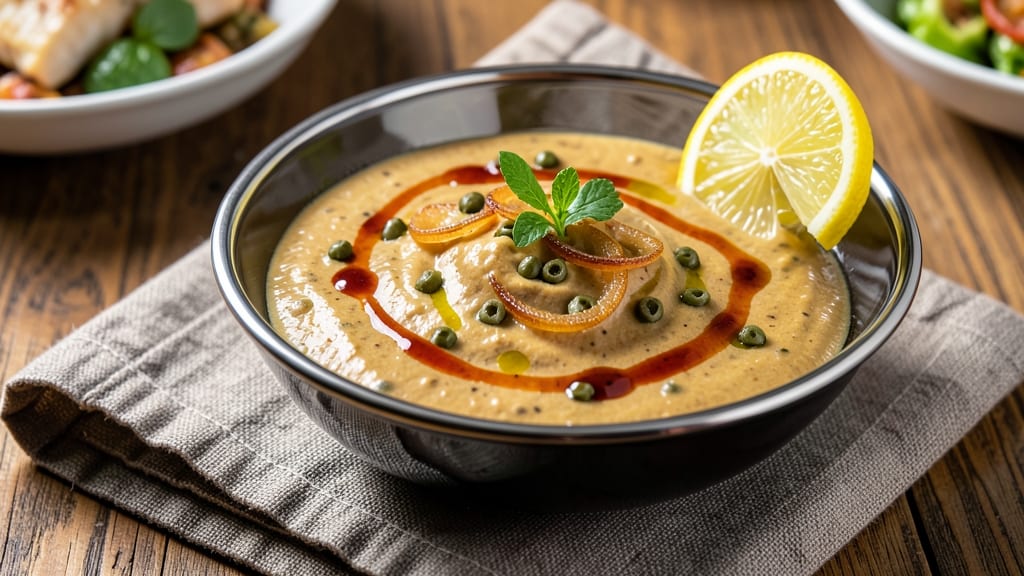
Arnaud's remoulade sauce transforms any seafood dish into a Cajun masterpiece with its signature tangy, creamy, and slightly spicy profile. 🌟 This classic Louisiana condiment balances capers, mustard, and herbs for a sauce that clings perfectly to poached shrimp, grilled fish, or even fried oysters.
What sets this recipe apart is the careful balance of acidity and richness—no one ingredient overpowers the others, creating harmony in every bite.
The foundation of great remoulade lies in its ingredients: finely chopped shallots, Dijon mustard, and a touch of cayenne for heat, all emulsified with mayo and a splash of lemon.
I’ve perfected this version to stay true to Arnaud’s original while offering flexibility for dietary needs—swap mayo for Greek yogurt for a lighter option or add hot sauce for extra kick. The sauce should be thick enough to coat but still drizzle gracefully, ensuring every forkful delivers bold flavor.
What makes this sauce truly special is its versatility beyond seafood. It elevates fried chicken, sandwiches, or even as a dip for crusty bread. The key is letting the flavors meld for at least 30 minutes before serving, allowing the capers and herbs to infuse deeply.
Whether you’re serving a classic po’ boy or experimenting with new pairings, this remoulade adds a touch of Louisiana charm to any dish.
Ready to elevate your cooking? This sauce is your secret weapon for turning simple ingredients into something extraordinary. Let’s get started—your taste buds will thank you.
Ingredients for arnaud's remoulade sauce
Nine bold ingredients that pack Cajun flavor into every bite of your po' boy.
| Ingredient | Amount | Notes |
|---|---|---|
| Mayonnaise 🥫 | 1 cup | High-quality, full-fat preferred |
| Dijon Mustard 🌶️ | ¼ cup | Mild or medium heat |
| Capers 🍈 | ¼ cup | Chopped, not drained |
| Shallots 🧅 | ¼ cup | Finely chopped, about 2-3 whole |
| Lemon Juice 🍋 | ⅛ cup | Freshly squeezed |
| Hot Sauce 🌶️ | 1 tbsp | Crystal or Tabasco preferred |
| Cayenne Pepper 🔥 | ½ tsp | Adjust for heat preference |
| Fresh Parsley 🌿 | ¼ cup | Finely chopped, stems removed |
| Salt 🧂 | 1 tsp | Kosher or sea salt |
| Black Pepper 🌶️ | ½ tsp | Freshly ground preferred |
The mayo is where the sauce gets its signature creaminess—Duke's or Hellmann's are my go-tos for that rich, tangy base. Capers are non-negotiable here; look for the non-paste kind at Trader Joe's or Whole Foods—they hold their briny bite better. Shallots add depth that onions can't match, so don't substitute. Fresh parsley is the secret herb—it brightens everything up. If you're short on time, dried parsley at half the amount works, but trust me, fresh makes a difference.
No capers? Pickles or brined olives chopped fine can stand in, though they'll change the flavor slightly. Swapping mayo for Greek yogurt? Use full-fat and add 1 tbsp olive oil to keep it creamy. Hot sauce preferences vary—Crystal for smokiness, Tabasco for classic heat. The cayenne is adjustable: start with less if you're sensitive to spice, but this sauce is meant to have a little kick. For extra tang, add another tablespoon of lemon juice—just taste as you go.
This sauce keeps beautifully in an airtight jar in the fridge for up to 2 weeks. I like to make a double batch because it's perfect for leftovers on fried shrimp or as a dip. If it thickens too much, just stir in a splash of water or lemon juice. For serving, let it sit at room temperature for 10 minutes before drizzling—it'll be smoother and more flavorful. Leftovers? Freeze in ice cube trays for single-serving portions.
Why You'll Love This Recipe
- Pantry Magic: I swear by this one—no fresh herbs, no fancy prep. Just mayo, mustard, and those little capers that pack a punch. You’re basically assembling a flavor bomb while your dinner simmers.
- Tangy Crunch: That lemon juice and shallot combo? It’s bright, sharp, and just salty enough to make your taste buds dance. Honestly, the capers add this unexpected pop that turns a simple sauce into something special.
- Game for Any Meal: Slather it on grilled fish, toss it with pasta, or drizzle it over a charcuterie board. It’s my go-to for weeknights and dinner parties because it works everywhere without trying too hard.
- Make-Ahead MVP: Between us, this sauce tastes better the next day. I double the batch, store it in the fridge, and use it all week—no waste, no stress. Plus, the shallots mellow out, deepening the flavor.
Step-by-step instructions for Arnaud's remoulade sauce
Here's how to make this iconic Cajun sauce with perfect balance—creamy, tangy, and packed with flavor.
👨🍳 Step 1: Chop and Prep All Ingredients
Start by finely chopping the 2-3 whole shallots into tiny pieces—think almost paste-like, not coarse dice. This ensures they blend smoothly into the sauce without any texture surprises. Next, finely chop the 0.25 cup fresh parsley, removing the stems first. I like to keep the parsley separate until the very end so it stays vibrant and fresh-tasting.
Don't drain the 0.25 cup capers—those briny juices are essential for that signature remoulade tang. Give them a quick rinse if they're particularly salty, but leave them packed in their juice. Measure out all other ingredients: 1 cup mayonnaise, 0.25 cup Dijon mustard, 0.125 cup lemon juice, 1 tbsp hot sauce, 0.5 tsp cayenne pepper, 1 tsp salt, and 0.5 tsp black pepper. Having everything prepped means you can mix this sauce up quickly without interruptions.
🍳 Step 2: Combine Wet Ingredients for the Base
In a medium bowl, whisk together the 1 cup mayonnaise and 0.25 cup Dijon mustard until completely smooth. The mayonnaise should lighten in color slightly as it incorporates with the mustard. This step is crucial—it creates the creamy foundation that holds all the other flavors together. If you're using a high-quality, full-fat mayonnaise, you'll notice it's thicker and more stable than lighter versions.
Next, add the 0.25 cup capers (with their juice), 0.25 cup finely chopped shallots, 0.125 cup lemon juice, 1 tbsp hot sauce, and 0.5 tsp cayenne pepper. Stir everything together until fully combined. You'll see the sauce start to take on a deeper, richer color from the capers and cayenne. Taste a small spoonful at this stage—it should be tangy, slightly spicy, and briny, but still need the freshness of the parsley and the final seasoning.
🥘 Step 3: Season and Fold in Fresh Parsley
Now it's time to balance all those bold flavors. Add the 1 tsp salt and 0.5 tsp black pepper, then give the sauce another thorough stir. Taste again and adjust the seasoning if needed—this is where you can tweak the heat or tang to your preference. I usually add a pinch more cayenne if I want extra kick, or a splash more lemon juice if it needs more brightness.
Gently fold in the 0.25 cup chopped parsley at the very end. This keeps the parsley bright and fresh-tasting rather than letting it wilt in the acidic environment. The sauce should now have a perfect balance of creaminess from the mayonnaise, tang from the lemon and capers, heat from the cayenne and hot sauce, and freshness from the parsley. Give it one final taste—it should be bold, complex, and ready to elevate any dish.
⏰ Step 4: Rest and Serve
Let the remoulade sauce sit at room temperature for 10-15 minutes before serving. This resting time allows all the flavors to meld together beautifully. The sauce will thicken slightly as it comes to room temperature, which is actually ideal—it means the flavors have had time to develop and deepen.
Serve the remoulade immediately over fried fish or shrimp for the classic po' boy experience, or use it as a bold condiment for burgers, sandwiches, or even as a dip. The sauce keeps well in the refrigerator for up to 5 days, though I find it's always best when freshly made. If it thickens too much in the fridge, simply stir in a teaspoon of water or lemon juice to loosen it back up to your desired consistency.
Pro Tips For Making Arnaud'S Remoulade Sauce
- Mince Those Shallots: I learned this the hard way—chopping shallots into big chunks means you’ll taste every single one. For Arnaud’s remoulade, pulse them in a food processor until they’re almost paste-like, but not quite. This keeps the texture smooth and blends them evenly into the mayo without any gritty surprises.
- Drain and Pat Capers: Capers straight from the jar hold way too much brine, and that’ll dilute your sauce. Drain them, then spread them on a paper towel and press gently to soak up excess liquid. Trust me, the flavor will be sharper and more balanced—no one likes a watery remoulade.
- Mix Mayo Last: Dijon mustard and lemon juice are acidic, and adding them to mayo too soon can break it. Start by emulsifying the mustard with a splash of warm water or lemon juice first, then slowly fold in the mayo. This keeps the sauce silky instead of splitting like a bad mayo disaster.
- Use Room-Temp Ingredients: Cold mayo and chilled shallots make for a stiff, lumpy sauce. Let your mayo sit out for 30 minutes and give your shallots a quick rinse under warm water to soften them. The sauce will come together smoother, and you’ll avoid that dreaded grainy texture.
Dietary considerations for arnaud's remoulade sauce
Gluten-Free Adaptations
Traditional remoulade sauce is naturally gluten-free, but always double-check your ingredients. The mayonnaise and hot sauce are the only potential sources of hidden gluten. I recommend Duke's mayonnaise and Crystal hot sauce, both of which are certified gluten-free.
For extra safety, use a dedicated gluten-free mayo brand like Hellmann's Gluten-Free if you have celiac concerns. 🌾
Dairy-Free Options
To make this sauce dairy-free, simply swap the mayonnaise for vegan mayo—I love Just Mayo or Sir Kensington's for their rich texture. Add 1 tablespoon olive oil to help maintain creaminess.
The rest of the ingredients remain the same, so the tangy, briny flavor profile stays intact. This version works beautifully with vegan fried fish or shrimp.
Lower-Fat Versions
For a lighter option, replace the mayonnaise with Greek yogurt (full-fat for best texture) and reduce the oil to 1 teaspoon. Use 2 tablespoons lemon juice instead of 1.5 tablespoons to help emulsify the sauce.
The result is still rich but with fewer calories. This version pairs perfectly with grilled fish or as a dip for veggie sticks.
Nut-Free Considerations
This sauce is naturally nut-free, but always verify that your mayonnaise and hot sauce are produced in nut-free facilities. Some brands process in shared facilities with tree nuts. If you're highly sensitive, opt for store-brand mayonnaise, which often has clearer allergen labeling.
The capers and other ingredients are inherently nut-free, so no other adjustments are needed. 🥜
Spice-Free Adjustments
For a milder version, reduce the cayenne pepper to ¼ teaspoon and omit the hot sauce entirely. Enhance the flavor with an extra ½ teaspoon of salt and 1 tablespoon of lemon juice to keep the tang.
This version still delivers the signature briny, creamy profile without the heat, making it ideal for kids or sensitive palates.
Nutrition facts
Frequently asked questions
What makes Arnaud's remoulade sauce different from regular tartar sauce?
Arnaud's remoulade sauce stands out with its signature Cajun-inspired kick from capers, cayenne, and hot sauce—unlike classic tartar sauce which relies on pickles and paprika. The shallots and Dijon mustard add depth, while the parsley keeps it bright. Remoulade is also more versatile, working with both seafood and fried dishes beyond just fish fillets.
Can I make this sauce without mayo?
For a lighter version, swap the mayo with Greek yogurt (full-fat works best) and add 1 tablespoon olive oil to maintain creaminess. This keeps the tangy, briny profile while reducing fat. The texture will be slightly thinner, but it still clings beautifully to fried seafood or sandwiches.
How do I adjust the heat level?
Start with the 0.5 teaspoon cayenne and 1 tablespoon hot sauce as written, then taste before serving. For milder heat, reduce cayenne to ¼ teaspoon and cut hot sauce to ½ tablespoon. For extra kick, add another ½ teaspoon cayenne or swap in 1 teaspoon hot sauce. Always adjust gradually!
What's the best way to store leftovers?
Transfer the sauce to an airtight container and refrigerate for up to 5 days. If it thickens, stir in 1 teaspoon lemon juice or water to restore consistency. For longer storage, freeze in ice cube trays—thaw overnight in the fridge before using. Never freeze without a container to prevent freezer burn.
Can I use this sauce on non-seafood dishes?
Definitely! While it's a seafood classic, remoulade elevates fried chicken, burgers, or even grilled steak sandwiches. The tangy, creamy balance cuts through richness perfectly. Try it as a dip for crispy fries or on top of loaded baked potatoes for a Cajun twist.