
Sauces & Condiments
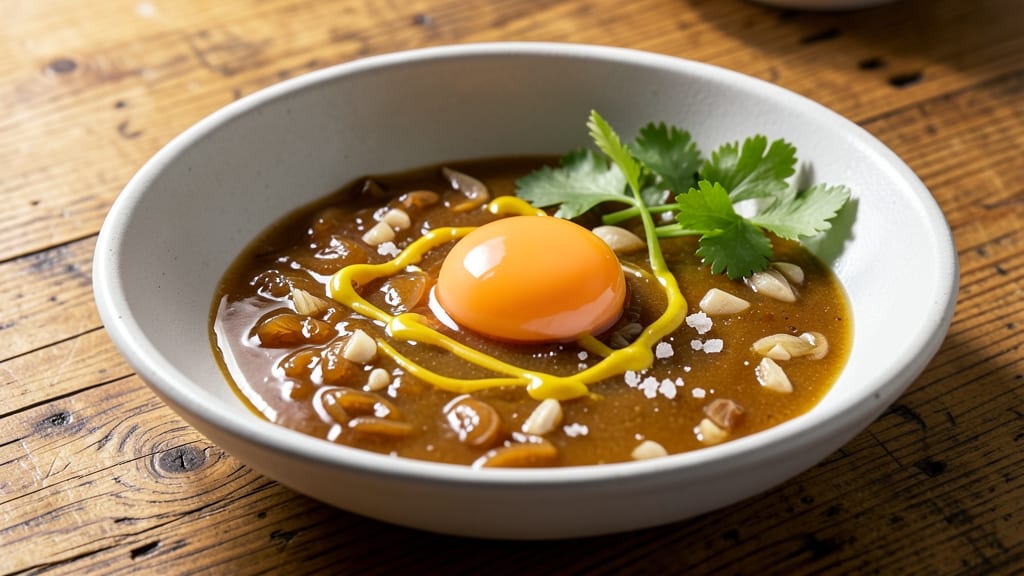
This Armoricaine sauce recipe transforms simple pantry staples into Brittany’s signature creamy, velvety sauce with just 20 minutes of active work.
The secret lies in slow-cooked shallots and celery, deglazed with brandy for depth, then enriched with cream and fresh herbs—creating a sauce that’s rich yet balanced, with a subtle tang that elevates any protein.
I’ve perfected this version to deliver restaurant-quality results at home, where it pairs beautifully with roasted chicken, fish, or even grilled vegetables.
The foundation of Armoricaine sauce begins with a classic French mirepoix—shallots, celery, and onions—cooked low and slow until sweet and caramelized. Deglazing with brandy infuses layers of warmth, while heavy cream and a touch of Dijon mustard create that signature velvety texture.
Fresh tarragon, thyme, and parsley add bright herbal notes that cut through the richness, ensuring every spoonful is complex and satisfying. What makes this sauce truly special is how it transforms ordinary dishes into something extraordinary with minimal effort.
What you’ll end up with is a smooth, glossy sauce that clings perfectly to proteins, offering a luxurious finish without overpowering the main dish. The brandy adds a subtle warmth that lingers, while the herbs provide freshness that keeps the sauce from feeling too heavy.
This is the kind of sauce that makes weeknight dinners feel like a special occasion—elegant, flavorful, and impossible to resist. Store it in the refrigerator for up to 5 days, or freeze for longer shelf life.
Use this versatile sauce to elevate roasted chicken, grilled fish, or even mashed potatoes. The creamy texture and balanced flavors make it a crowd-pleaser, while its simplicity ensures it’s foolproof for home cooks.
Whether you’re serving a family dinner or hosting a dinner party, this Armoricaine sauce will be the star of the meal. Let’s get started on creating it!
Ingredients for armoricaine sauce
Pantry staples meet French finesse in this velvety Armoricaine sauce—creamy, aromatic, and effortlessly elegant.
| Ingredient | Amount | Notes |
|---|---|---|
| Shallots 🧅 | 1 ½ cups | Finely chopped, 1/4-inch dice |
| Celery Stems 🥬 | 1 cup | Thinly sliced, leafy parts removed |
| Yellow Onions 🧅 | 1 whole | Medium, finely diced |
| Brandy 🍷 | ½ cup | Good quality, 80-proof minimum |
| Heavy Cream 🥛 | 1 cup | Full-fat for velvety texture |
| Dijon Mustard 🌶️ | 1 tbsp | High-quality, smooth variety |
| Fresh Tarragon 🌿 | ¼ cup | Chopped, stems removed |
| Fresh Thyme 🌿 | 1 tbsp | Leaves only, finely chopped |
| Fresh Parsley 🌿 | ¼ cup | Flat-leaf, finely chopped |
| Unsalted Butter 🧈 | 2 tbsp | European-style preferred |
| Diamond Crystal Kosher Salt 🧂 | ½ tsp | Adjust to taste |
| Freshly Ground Black Pepper 🌶️ | ¼ tsp | Freshly cracked |
The mirepoix trio—shallots, celery, and onions—should be cooked until translucent and sweet, which takes about 15 minutes over medium-low heat. Williams Sonoma or Mise en Place brand shallots work beautifully, but any fresh shallots will do. For celery, look for crisp, pale green stalks—the darker the green, the older and more bitter. The onions? Yellow or red both work, but yellow has a slightly sweeter finish. Deglazing with brandy is where the magic happens: use a good-quality brandy like Courvoisier or Christian Brothers—cheap brandy tastes like alcohol, not flavor. If you're avoiding alcohol, substitute with apple cider or extra vegetable broth.
Heavy cream is non-negotiable for that signature velvety texture, but if you're lactose-sensitive, full-fat coconut cream works surprisingly well (though it has a slightly different finish). Dijon mustard adds depth without overpowering—Grey Poupon is my go-to, but any good-quality Dijon will do. Fresh herbs are essential here: tarragon should be bright green and fragrant, while thyme and parsley add brightness. If you can't find fresh tarragon, dried tarragon at half the amount works in a pinch, but it won't have the same complexity. For the butter, European-style (like Plugrá) has higher fat content and melts more smoothly than American butter. If you're out of butter, olive oil works in a bind, though it changes the flavor profile slightly.
This sauce tastes even better the next day as the flavors meld together. Store it in an airtight container in the fridge for up to 5 days, or freeze for 3 months—portion it into ice cube trays for easy single-use servings. If it thickens too much in the fridge, whisk in a splash of warm water or milk to loosen it up. The sauce pairs beautifully with roasted chicken, grilled fish, or even mashed potatoes—it’s the kind of sauce that turns simple dishes into something extraordinary with minimal effort.
Why You'll Love This Recipe
- No Chopping Struggle: I swear by this sauce because it only asks for three veggies—shallots, celery, and onions—and you can dice them all in under five minutes. No fancy knife skills, just rough chopping that still delivers deep, caramelized flavor.
- Brandy Magic: Honestly, that splash of brandy isn’t just for show—it cuts through the richness of the heavy cream and adds this warm, toasty depth that makes everything taste like a restaurant dish. (Yes, even on a Tuesday night.)
- Leftovers That Shine: This sauce begs to be made extra—it reheats beautifully and tastes just as good the next day on roasted chicken or mashed potatoes. I’ve kept jars of it in the fridge for a week without a single complaint.
- Weeknight Secret Weapon: Between us, this is the sauce I turn to when I’m too tired to think. Simmer the veggies, deglaze with brandy, stir in cream—done. It’s the kind of recipe that makes you wonder why you ever overcomplicated dinner.
Step-by-step instructions for Brittany's creamy celery-onion velocity
Here's how to craft this velvety French classic with perfect balance and depth.
Develop the Base with Shallots, Celery, and Onions
Melt the 2 tablespoons unsalted butter in a medium saucepan over medium-low heat. Add the 1.5 cups finely chopped shallots, 1 cup thinly sliced celery stems, and 1 whole medium yellow onion (finely diced). Stir occasionally to prevent browning while cooking for 15-20 minutes until the vegetables are completely tender and the mixture has reduced by about half, releasing their natural sweetness.
This slow cook is crucial—it builds the sauce's foundational flavor without burning. You'll know it's ready when the vegetables are soft enough to mash between your fingers and the mixture smells richly aromatic. If any liquid remains, let it evaporate completely before moving forward.
Deglaze with Brandy for Depth
Remove the pan from heat and carefully pour in the 0.5 cup brandy—this step should happen off the stove to prevent alcohol flames. Return the pan to medium heat and let the brandy reduce by half (about 3-4 minutes), stirring constantly. The alcohol will cook off, leaving behind a concentrated flavor that transforms the sauce.
Here's where the magic happens: the brandy's caramelization adds complexity. If you smell any lingering alcohol, let it cook off completely—it should be undetectable in the final sauce. This reduction also helps emulsify the cream later.
Build the Creamy Foundation
Reduce heat to low and stir in the 1 cup heavy cream and 1 tablespoon Dijon mustard. Let the mixture simmer gently for 5-7 minutes, stirring occasionally, until it thickens slightly but remains pourable. The sauce should coat the back of a spoon without being gluey—this texture is perfect for coating proteins or vegetables.
This is the moment that matters: the cream should be warm but not boiling, or it may curdle. If it starts to thicken too much, add 1-2 tablespoons water to adjust consistency. The Dijon mustard here adds subtle tang that balances the cream's richness.
Finish with Herbs and Seasoning
Remove the sauce from heat and stir in the 0.25 cup chopped fresh tarragon, 1 tablespoon finely chopped fresh thyme, and 0.25 cup chopped fresh parsley. Season with 0.5 teaspoon Diamond Crystal kosher salt and 0.25 teaspoon freshly ground black pepper. Let the sauce steep off heat for 5 minutes to allow the herbs to infuse fully.
This final step is where the sauce comes together. The herbs should brighten the creamy base without overpowering it. Taste and adjust seasoning—you might need a touch more salt, especially if your brandy was particularly dry. The sauce should be creamy yet light, with herbaceous notes that linger.
Strain and Serve Immediately
For a silky texture, strain the sauce through a fine-mesh sieve into a clean saucepan, pressing gently on the solids with a spoon to extract maximum flavor. Return to low heat and keep warm until ready to serve—this sauce is best used within 2-3 hours of preparation.
This creamy celery-onion sauce pairs beautifully with grilled fish, roasted vegetables, or as a velvety dip. The key to success is patience in the initial cooking and proper straining for that restaurant-quality finish. Serve warm over your favorite protein or vegetables for a taste of Brittany's coastal cuisine.
Pro Tips For Making Armoricaine Sauce
- SWEEAT NOT CHAR THE VEGETABLES: Armoricaine sauce starts with the mirepoix—shallots, celery, and onions—but I’ve burned three batches by rushing this step. Cook them over medium-low heat in butter until the shallots are translucent and the onions have just started to caramelize (about 15 minutes). If they’re browning too fast, pull the pan back from the heat and stir like you’re folding laundry—gentle, even motions.
- USE DRY SHALLOTS: Wet shallots steam instead of soften, and that’s the last thing you want in a rich, velvety sauce. Pat them dry with a paper towel before dicing—this ensures they release their flavor into the butter instead of turning into a watery mush. (Yes, even if you’re impatient like me.)
- DEGLAZE WITH BRANDY IN BATCHES: Pouring all the brandy at once can cause a dangerous flame-up, especially if you’re not standing back. Instead, add it in two or three small ladles, letting each one sizzle and reduce slightly before adding the next. This keeps the heat controlled and prevents you from accidentally setting off your smoke alarm.
- STRAIN THE SAUCE LIKE A PRO: After simmering with the cream, resist the urge to just eyeball it—strain the sauce through a fine-mesh sieve to remove any bits of celery or onion. I used to skip this, and the texture always felt gritty. If you’re lazy, at least press the solids with a spoon to squeeze out every last drop of flavor. (Your future self will notice the difference.)
Pro cooking tips for this dish
Slow Cooking Secrets
The key to a truly exceptional Armoricaine sauce lies in the slow, gentle cooking of your mirepoix. I can’t stress enough how important this step is—rushing it will result in bitter, raw flavors instead of the sweet, caramelized base you want.
Cook the shallots, celery, and onions over medium-low heat for 15-20 minutes, stirring occasionally, until they’re completely tender and have reduced by about half. This process transforms their natural sugars into a rich, aromatic foundation. 🌡️
Use a heavy-bottomed saucepan (like All-Clad or Le Creuset) to prevent scorching. If you notice any browning, reduce the heat immediately. The goal is to develop deep flavor without burning the vegetables.
Once fully cooked, the mixture should smell intensely sweet and aromatic—this is your cue to move to the next step.
Brandy Reduction Mastery
Deglazing with brandy is where the sauce gets its signature depth, but it’s also the most dangerous step if you’re not careful. Always remove the pan from heat before adding the 0.5 cup brandy—this prevents flaming alcohol.
Return the pan to medium heat and let the brandy reduce by half, stirring constantly for 3-4 minutes. The alcohol will cook off completely, leaving behind a concentrated, caramelized flavor. 🍷
If you smell any lingering alcohol, let it cook off longer—you want the sauce to taste rich and complex, not boozy. This reduction also helps emulsify the cream later, creating that signature velvety texture.
Pro tip: Use a good-quality brandy like Courvoisier or Christian Brothers—cheap brandy will leave a harsh aftertaste.
Cream Emulsification
Adding the 1 cup heavy cream is where the sauce comes together, but timing is everything. Reduce the heat to low and stir in the cream and 1 tablespoon Dijon mustard gently. Let it simmer for 5-7 minutes, stirring occasionally, until it thickens slightly but remains pourable.
The sauce should coat the back of a spoon without being gluey—this is the perfect consistency for coating proteins or vegetables. 🥛
If the sauce starts to curdle or thicken too much, add 1-2 tablespoons water to loosen it up. Never let it boil, or the cream will break. The Dijon mustard here adds a subtle tang that balances the cream’s richness, preventing the sauce from tasting too heavy.
This step is all about patience and gentle heat control.
Herb Infusion
The final touch is where the sauce truly shines—infusing the fresh tarragon, thyme, and parsley. Remove the sauce from heat and stir in the herbs along with 0.5 teaspoon kosher salt and 0.25 teaspoon black pepper.
Let it steep off heat for 5 minutes to allow the flavors to meld. This is your chance to taste and adjust seasoning—you might need a pinch more salt, especially if your brandy was dry. 🌿
The herbs should brighten the creamy base without overpowering it. For the silkiest texture, strain the sauce through a fine-mesh sieve to remove any herb stems or vegetable bits.
This step ensures a smooth, restaurant-quality finish. The sauce is now ready to elevate any dish—just keep it warm over low heat until serving.
Nutrition facts
Frequently asked questions
Can I substitute brandy in this Armoricaine sauce recipe?
Yes! If you prefer to avoid alcohol, use apple cider or dry white wine as a 1:1 substitute. For a non-alcoholic option, try extra vegetable broth (reduce by half first) or dry sherry. The key is to use something acidic that can caramelize for depth. Never skip this step—it's what gives the sauce its signature complexity!
How do I prevent the sauce from curdling when adding cream?
Keep the heat low when adding cream and never let it boil. Stir constantly for 5-7 minutes until slightly thickened. If it starts to curdle, immediately remove from heat and whisk in 1 tablespoon cold water to stabilize it. The Dijon mustard also helps prevent curdling by adding subtle acidity that balances the cream's richness.
Can I make Armoricaine sauce ahead of time?
This sauce actually tastes better the next day as flavors meld. Store in an airtight container in the fridge for up to 5 days. If it thickens too much, whisk in 1-2 tablespoons warm water to loosen. For longer storage, freeze in ice cube trays (portions) for up to 3 months—perfect for quick reheating when needed.
What's the best way to reheat leftover Armoricaine sauce?
Gently reheat over low heat on the stovetop, stirring frequently, until warmed through (3-5 minutes). Avoid microwaving as it can make the sauce grainy. If it's too thick after reheating, thin with 1 tablespoon warm water or milk. For best results, reheat only what you need—this sauce is best enjoyed fresh and velvety!
What are the best proteins to pair with Armoricaine sauce?
This creamy sauce pairs beautifully with roasted chicken, grilled fish (especially sea bass or cod), and even pan-seared duck. It also works wonderfully with mashed potatoes or as a dip for crusty bread. The sauce's balanced richness complements both delicate and hearty proteins equally well.