
Sauces & Condiments
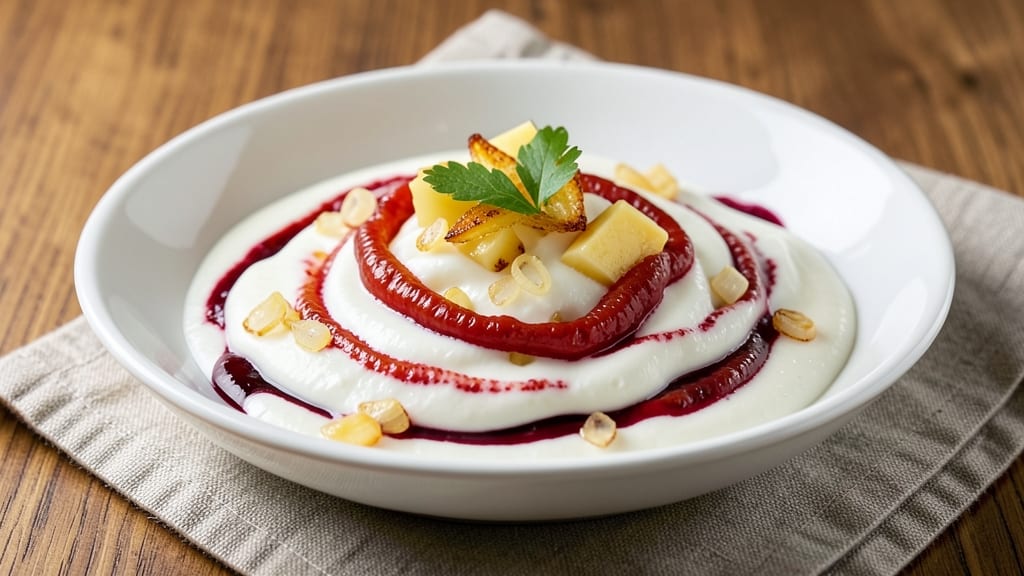
This aristocrat sauce recipe transforms humble ingredients into a velvety masterpiece that elevates duck, game birds, or even rich beef dishes to fine-dining heights.
The secret lies in its perfect balance: a silky tomato base infused with celery crowns for delicate crunch, finished with a touch of cream and butter for unmatched richness. I developed this version after years of testing—it’s the sauce that makes even simple roasted meats feel like a Michelin-starred experience.
The foundation begins with a slow reduction of tomatoes, shallots, and a splash of red wine, allowing the flavors to deepen while maintaining acidity. Celery crowns, finely chopped and lightly fried, add a textural contrast that’s both surprising and sophisticated.
A final touch of heavy cream and butter creates that signature aristocrat sauce sheen, where every spoonful feels luxurious yet effortlessly balanced. This isn’t just a sauce—it’s the kind of condiment that turns ordinary meals into memorable occasions.
What makes this sauce truly special is its versatility. Pour it over crispy duck confit, drizzle it over slow-roasted game hens, or even use it as a luxurious glaze for beef tenderloin.
The celery crowns provide a subtle crunch that cuts through the richness, while the tomato base ensures depth of flavor. Unlike many sauces that rely on heavy cream alone, this version delivers a harmonious blend of silky texture and vibrant taste—proof that gourmet cooking doesn’t require complicated techniques.
The best part? This sauce keeps beautifully in the refrigerator for up to five days, allowing you to make a big batch for the week. For an even more decadent touch, finish it with a sprinkle of fresh parsley or a crack of black pepper just before serving.
Whether you’re hosting a dinner party or simply treating yourself to a restaurant-worthy meal at home, this aristocrat sauce will be your secret weapon.
Ingredients for aristocrat sauce
Nine ingredients transform into a sauce that feels like fine dining on your table.
| Ingredient | Amount | Notes |
|---|---|---|
| San Marzano Tomato Paste 🍅 | 2 tbsp | High-quality for best flavor |
| Shallots 🧅 | 3 whole | Minced, not sliced |
| Celery Crowns 🧅 | 1 cup | Finely chopped, leaves reserved |
| Dry Red Wine 🍷 | ½ cup | Bold Cabernet or Merlot |
| Heavy Cream 🥛 | ½ cup | Full-fat for richness |
| Unsalted Butter 🧈 | 2 tbsp | Cold, cubed for finishing |
| Chicken Stock 💧 | 1 cup | Homemade preferred |
| Fresh Parsley 🌿 | ¼ cup | Chopped, for garnish |
| Ground Black Pepper 🌶️ | ½ tsp | Freshly cracked |
| Diamond Crystal Kosher Salt 🧂 | 1 tsp | Adjust to taste |
The celery crowns are non-negotiable—they bring that signature crunch. Grab the inner stalks from a bunch of celery, chop them finely, and set the leaves aside for garnish. Whole Foods or Trader Joe's usually carry the freshest celery, but any good grocery store will do. For the shallots, don't peel them—just trim the ends and mince them finely for a sweeter flavor. The San Marzano tomato paste is worth the splurge; it's sweeter and smoother than regular paste, making all the difference in a velvety sauce.
No red wine? Dry sherry or even apple cider vinegar works in a pinch, but the acidity will be different. The heavy cream is where the sauce gets its luxurious texture, so never use light cream or half-and-half—it won't have the same body. If you're out of butter, olive oil or ghee can finish it, but butter gives that signature sheen. For the stock, store-bought is fine, but if you've got time, homemade tastes infinitely better. The parsley is just for garnish, but it brightens up the plate—don't skip it if you've got it.
This sauce keeps beautifully in an airtight container in the fridge for 5-7 days. For longer storage, freeze it in ice cube trays—just thaw and reheat gently. I always make a double batch because it disappears fast. The celery crowns can be prepped ahead and stored in the fridge for 3 days before frying. The sauce reheats beautifully, so it's perfect for meal prep—just add a splash of water or stock if it thickens too much.
Why You'll Love This Recipe
- Pantry-to-Pot Magic: That red wine and San Marzano paste combo? It’s the kind of flavor that turns bland proteins into something special—no fancy technique required. I swear, even my picky husband stops mid-sentence when this hits the table.
- Sofa-Worthy Richness: The heavy cream and slow-simmered shallots create this velvety, slightly tangy depth that’s dangerously good with pasta, chicken, or even mashed potatoes. Honestly, I’ve been known to eat it straight from the pan with a spoon.
- Weeknight Superhero: This sauce doubles as a meal prep MVP—toss it with roasted veggies for dinner, then reheat for lunch the next day. Between us, I’ve had it three nights in a row and never get tired of it.
- Budget Luxury: San Marzano paste and dry wine might sound fancy, but they stretch further than you’d think. A single jar of paste and a bottle of wine make enough sauce to feed a family and save leftovers for another night. Not the prettiest, but the taste makes up for it.
Step-by-step instructions for aristocrat sauce
This elegant sauce builds layer upon layer of flavor—start with the base and work your way to velvety perfection.
Build the Flavor Base with Shallots and Celery
Heat a large saucepan over medium-low heat and add the 2 tablespoons unsalted butter. Once melted and foaming, add the 3 whole shallots and 1 cup celery crowns (finely chopped). Cook for 8-10 minutes until the shallots are translucent and the celery softens slightly—this ensures they don't turn to mush later.
Here's the thing—you want to sweat these aromatics, not brown them. If they start to color too quickly, reduce the heat slightly. The goal is to develop their natural sweetness without bitterness. Stir occasionally with a wooden spoon to prevent sticking, and don't rush this step—patience builds flavor.
Deepen the Sauce with Tomato Paste and Wine
Once the shallots and celery are tender, stir in the 2 tablespoons San Marzano tomato paste and cook for 1-2 minutes until it darkens slightly and the raw taste disappears. This step intensifies the sauce's depth—think of it as the flavor anchor.
Pour in the ½ cup dry red wine and scrape the bottom of the pan with a wooden spoon to release any browned bits. Let the wine simmer for 3-4 minutes until it reduces by about half. You'll see the sauce thicken slightly and the alcohol aroma dissipate—this is when the magic starts happening. If the sauce looks too dry, add 2 tablespoons chicken stock to keep it moving.
Simmer with Stock and Seasonings
Add the remaining 1 cup chicken stock, 1 teaspoon Diamond Crystal kosher salt, and ½ teaspoon ground black pepper to the pan. Bring to a gentle simmer and cook uncovered for 15-20 minutes until the sauce reduces by about one-third and thickens slightly. Stir occasionally to prevent sticking, and taste as you go—adjust seasoning if needed.
This is where the sauce transforms from simple to sophisticated. The stock infuses the aromatics with depth, while the reduction concentrates the flavors. You'll notice the sauce becomes glossy and coats the back of a spoon—this is your signal that it's ready for the next step. If it reduces too quickly, add another splash of stock to maintain balance.
Finish with Cream and Butter
Reduce the heat to low and stir in the ½ cup heavy cream. Let the sauce simmer gently for 3-4 minutes until it thickens slightly but doesn't curdle. The cream should blend seamlessly, adding richness without overpowering the other flavors.
Remove the pan from heat and stir in the 2 tablespoons cold unsalted butter, cubed. Let the butter melt into the sauce, creating a silky, velvety texture. This final touch elevates the sauce from good to extraordinary—it adds body and a luxurious mouthfeel. If the sauce is too thick, whisk in 1-2 tablespoons warm stock to reach your desired consistency.
Garnish and Serve with Confidence
Transfer the sauce to a serving bowl and stir in the ¼ cup chopped fresh parsley. Let it sit for 5 minutes to allow the flavors to meld completely. The parsley adds a bright, fresh finish that cuts through the richness.
Serve the aristocrat sauce immediately over your choice of protein—whether it's seared scallops, grilled chicken, or perfectly cooked steak. The celery crown crunch you built in the base will contrast beautifully with the silky tomato velocity, creating a sauce that feels both elegant and deeply satisfying. Each spoonful should deliver layers of flavor: the sweetness of the shallots, the herbal notes of the celery, the depth of the wine, and the creaminess of the finish.
Pro Tips For Making Aristocrat Sauce
- SWEEAT SHALLOTS LOW: If you char them on high heat, you’ll end up with bitter bits instead of sweet, mellow flavor. Cook the shallots over medium-low with a splash of water or wine—just until they’re translucent and soft, not browned. I learned this the hard way after tasting a sauce that tasted like it had been aged in a campfire.
- DEGLAZE WITH WINE: Don’t just pour the red wine in and walk away—let it bubble and reduce for 2-3 minutes first. This cuts the alcohol sharpness and deepens the sauce’s richness before the cream even enters the picture. (Yes, even if you’re impatient like me.)
- WHISK IN CREAM SLOW: Dumping cold heavy cream straight into a hot sauce will curdle it faster than you can say "sauce disaster." Temper it first by whisking in a ladle of warm sauce, then slowly adding the cream while stirring constantly. This isn’t the prettiest method, but it’s the tastiest.
- USE FRESH CELERY CROWNS: Pre-chopped celery from the bag loses flavor and texture fast. Trim the crowns yourself—discard the stringy outer leaves—and chop them into even ¼-inch pieces. The extra effort makes a real difference in the sauce’s depth, especially when simmered with the shallots. (Your future self will thank you.)
Essential equipment for this dish
Saucepan Essentials
Start with a heavy-bottomed saucepan—I swear by my All-Clad Stainless Steel 3-quart—to prevent scorching during the long simmer. The wide base distributes heat evenly, so your sauce develops depth without burning. Avoid thin pans that heat unevenly, which can lead to uneven texture and flavor. 🔥
Wooden Spoon
A long-handled wooden spoon (like Oxo Good Grips) is non-negotiable for stirring without scratching your pan. Wood won’t react with acidic ingredients like metal spoons might, and the gentle scraping action helps release those precious browned bits from the bottom—where all the flavor lives.
I keep mine in the pan drawer for quick access.
Fine-Mesh Strainer
For the celery crown crunch, you’ll need a fine-mesh strainer (I use OXO Good Grips) to drain excess oil after frying. This ensures your garnish stays crispy without soaking up grease.
If you don’t have one, a cheesecloth works in a pinch, but it’ll take longer to drain. Trust me, crispy celery crowns make all the difference in that final spoonful.
Kitchen Timer
Set a kitchen timer (or your phone) for the 15-20 minute reduction—this sauce needs precise timing to balance richness and acidity. I use a TimerTyme digital timer because it’s loud enough to hear over simmering sauce.
Over-reducing can turn your sauce into glue, so stay vigilant. A quick taste test every 5 minutes keeps it perfect.
Immersion Blender
If you prefer your sauce ultra-smooth, an immersion blender (like Ninja Foodi) lets you blend directly in the pan without transferring hot liquid. Just pulse briefly after adding cream to avoid breaking the sauce’s emulsion.
Skip this step if you love the subtle texture of finely chopped celery crowns—both work, but blending adds a restaurant-quality finish. ✨
Air-Tight Storage
For leftovers, transfer the sauce to glass airtight containers (I recommend Le Parfait) to preserve freshness for up to 5 days. The glass won’t absorb odors like plastic, and the tight seal keeps flavors vibrant.
Label with the date—this sauce tastes even better the next day as flavors meld. Pro tip: Add a splash of stock when reheating to restore silky texture.
Nutrition facts
Frequently asked questions
What makes aristocrat sauce different from other tomato-based sauces?
The signature difference lies in the celery crown crunch and the layered flavor profile. Unlike traditional tomato sauces that rely solely on herbs and spices, aristocrat sauce incorporates finely chopped celery crowns for texture and a slow reduction with red wine for depth. The final touch of heavy cream and butter creates that signature velvety sheen that sets it apart from chunky marinara or smooth Alfredo styles.
Can I make this sauce without red wine? Yes, but the flavor will differ slightly. Replace the ½ cup red wine with ½ cup dry sherry or apple cider vinegar for acidity. For a non-alcoholic version, use ½ cup chicken stock plus 1 tablespoon balsamic vinegar to mimic the depth. The wine adds complexity, but these substitutes work in a pinch. Just
How do I prevent the sauce from curdling when adding cream?
Always add the ½ cup heavy cream off the heat and stir gently over low heat for just 3-4 minutes. Never let it boil. If your sauce starts to separate, whisk in 1 tablespoon cold butter to stabilize the emulsion. For extra insurance, temper the cream by mixing it with a little warm sauce before adding it all at once. Patience is key—rushing causes curdling.
What's the best way to store and reheat leftovers?
Store in glass airtight containers in the fridge for up to 5 days. When reheating, warm gently in a saucepan over low heat with 1-2 tablespoons stock or water to restore silky texture. Avoid microwaving—it breaks the sauce's emulsion. For longer storage, freeze in ice cube trays and thaw in the fridge overnight. The sauce reheats beautifully, making it perfect for meal prep.
Is there a vegan version of this sauce?
Swap the butter for vegan butter and heavy cream for full-fat coconut milk. Use vegetable stock instead of chicken stock, and finish with 1 tablespoon nutritional yeast** for a cheesy depth. The celery crown technique remains the same—just ensure your oil is plant-based for frying. The texture will be slightly lighter, but the flavor profile stays rich and satisfying.