
Sauces & Condiments
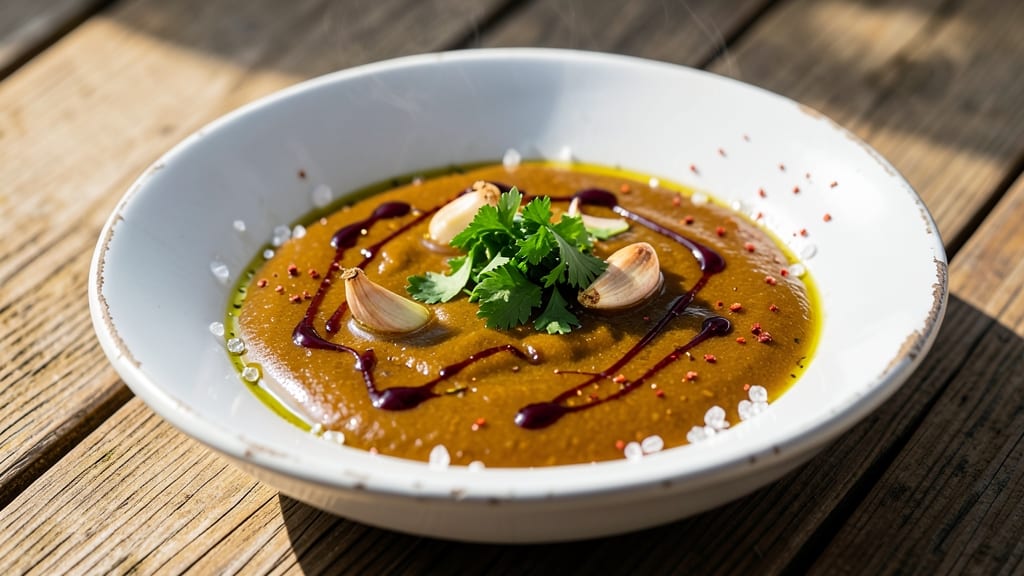
Argentinian chimichurri sauce transforms grilled meats from good to unforgettable with its vibrant herb-and-oil magic. 🌿 This iconic sauce balances fresh parsley, garlic, and vinegar with high-quality olive oil, creating a bright, tangy contrast to smoky, charred meats.
What sets chimichurri apart is its simplicity—just 5 ingredients, yet layers of flavor that elevate every bite.
The traditional method relies on finely chopping parsley by hand (no food processor!) and letting the sauce rest for at least 30 minutes. This allows the flavors to meld into a harmonious blend that clings perfectly to grilled steaks, empanadas, or even roasted vegetables.
The key is using fresh herbs and quality olive oil—never compromise on these for authentic results.
What you'll achieve is a sauce that's as visually stunning as it is delicious—emerald green, fragrant, and bursting with herbaceous brightness. It's the kind of condiment that turns simple grilled meats into restaurant-worthy meals, all while keeping preparation effortless.
Perfect for weeknight dinners or special occasions, this chimichurri is a must-have in any kitchen.
Whether you're serving it with classic Argentinean asado or modern grilled dishes, this sauce delivers restaurant-quality flavor at home. The best part? It keeps well in the refrigerator for up to 5 days, making it ideal for meal prep. Let's create this herb-infused masterpiece together.
Ingredients for argentinian sauce
Five ingredients transform into Argentina's iconic herb-infused sauce for grilled meats.
| Ingredient | Amount | Notes |
|---|---|---|
| Fresh Flat-Leaf Parsley 🌿 | 1 ½ cups | Stems removed, finely chopped by hand |
| Extra-Virgin Olive Oil 🫒 | ¾ cup | High-quality, fruity variety preferred |
| Red Wine Vinegar 🍷 | ⅓ cup | Argentinian variety if available |
| Garlic Cloves 🧄 | 4 cloves | Fresh, minced finely |
| Diamond Crystal Kosher Salt 🧂 | 1 ½ tsp | Fine grain preferred |
| Red Chili Flakes 🌶️ | ½ tsp | Optional, for subtle heat |
| Ground Black Pepper 🌶️ | ½ tsp | Freshly cracked preferred |
The parsley is non-negotiable—farmers market flat-leaf parsley has the most intense flavor, but any fresh parsley works in a pinch. Whole Foods or local markets often carry the best quality, with vibrant green leaves and no wilting. The olive oil should be extra-virgin with noticeable peppery notes—California Olive Ranch or Bertolli are reliable choices. Garlic cloves should be firm with no sprouting; Spanish or Argentinean varieties add authentic depth, but regular supermarket garlic suffices. The vinegar matters too—red wine vinegar from Balsamic Vinegar Co. or Heinz delivers consistent tanginess.
No fresh parsley? Cilantro at double the amount works, though flavor will differ. Short on olive oil? Avocado oil maintains a neutral profile, but texture will vary slightly. The vinegar can be swapped for lemon juice at half the amount, though acidity will be milder. For heat, substitute cayenne at one-quarter the amount of chili flakes. The salt is critical—Diamond Crystal dissolves perfectly, but Morton kosher salt works too. Always taste before serving; adjust salt and vinegar to preference—this sauce should brighten, not overpower, your grilled proteins.
Chimichurri develops flavor over time, so rest for at least 30 minutes before serving. Store in an airtight container with a thin layer of olive oil on top to preserve freshness. Keeps 5-7 days in the fridge, though texture may soften. For longer storage, freeze in ice cube trays—thaw overnight in the fridge. The sauce thickens as it sits; add a splash of water or vinegar if needed before serving. Always serve at room temperature for optimal aroma and flavor release.
Why You'll Love This Recipe
- Pantry Staple Magic: I swear by this sauce because it uses things I already have—no grocery run needed. That bright parsley, sharp vinegar, and garlic? They’re the flavor MVP, but they won’t break the bank or clutter my fridge.
- Garlic Kiss: The moment I crush those raw garlic cloves into the olive oil, my kitchen smells like a Parisian bistro. It’s bold but balanced—no overpowering bite, just that perfect garlic punch that makes everything taste better.
- Weeknight Wonder: I drizzle this on grilled chicken, toss it with roasted veggies, or even spoon it over eggs. It’s my go-to for when I’m too tired to think but still want something that tastes like I tried. (Yes, even on a Tuesday night.)
- Lasts for Days: Between us, this sauce keeps in the fridge for at least a week, and it only gets better with time. I make a big batch on Sunday, then use it all week—no sad leftovers here, just happy meals.
Step-by-step instructions for Argentinian chimichurri sauce
This vibrant sauce comes together in minutes—fresh, bright, and packed with herbaceous depth.
👨🍳 Step 1: Prepare the Herb Base
Remove stems from the 1.5 cups fresh flat-leaf parsley and finely chop by hand—this ensures maximum flavor extraction and prevents bitterness from stems. I like to stack the leaves and rock the knife gently for even chopping. The parsley should resemble coarse confetti, not fine powder.
Transfer the chopped parsley to a medium bowl. Here's the thing—using stems-free parsley is non-negotiable for authentic chimichurri. The stems contain bitter compounds that overpower the delicate herb notes we're chasing. If you're short on time, you can pulse the leaves in a food processor, but hand-chopping gives the best texture.
🍳 Step 2: Combine Wet Ingredients
Add the 0.75 cup extra-virgin olive oil and 0.33 cup red wine vinegar to the bowl with the parsley. Use your hands to gently massage the mixture for 2-3 minutes—this emulsifies the oil and vinegar while releasing the parsley's essential oils. You'll notice the mixture immediately brightens in color and becomes fragrant.
I always use a fruity, high-quality olive oil here. The subtle fruit notes in the oil complement the parsley's freshness and prevent the sauce from tasting overly acidic. If you're using an Argentinian red wine vinegar, you'll get that signature tangy depth that sets authentic chimichurri apart from other herb sauces.
👨🍳 Step 3: Incorporate Aromatics and Seasonings
Finely mince the 4 cloves garlic using a microplane or the finest grater setting on a box grater. This creates a paste-like texture that distributes evenly through the sauce. Add the minced garlic along with the 1.5 tsp Diamond Crystal kosher salt, 0.5 tsp red chili flakes, and 0.5 tsp ground black pepper to the bowl.
Mix everything together thoroughly with a wooden spoon, pressing down on the parsley to release all its juices. The sauce should look vibrant green with flecks of garlic and chili. Taste at this stage—you'll notice it's still quite raw and needs time to mellow. Don't worry; the flavors will develop beautifully as it sits.
⏰ Step 4: Rest and Develop Flavors
Cover the bowl with plastic wrap and let the chimichurri rest at room temperature for at least 15 minutes (30 minutes is ideal). This resting period allows the flavors to marry and the oil to fully emulsify. The sauce will darken slightly in color and become more aromatic—trust this process.
Real talk: Skipping the resting time results in a sauce that's too sharp and unbalanced. The acidity from the vinegar needs time to mellow, and the parsley's natural oils need to soften. If you're in a hurry, you can refrigerate it for 1 hour to speed up the process, but room temperature resting gives the best results.
🍽️ Step 5: Adjust and Serve
After resting, give the chimichurri one final taste. If it needs more brightness, add 1-2 teaspoons of red wine vinegar. For extra richness, drizzle in 1 tablespoon of olive oil. The sauce should be vibrant, herby, and perfectly balanced between bright and rich.
Serve immediately over grilled meats or store in an airtight container in the refrigerator for up to 3 days. The flavors actually improve over time as the herbs continue to infuse. This sauce transforms simple grilled steaks into restaurant-quality dishes—it's that powerful. Use it as a marinade, drizzle over finished meats, or even mix into mayo for chimichurri deviled eggs.
Pro Tips For Making Argentinian Sauce
- Pulse, Don’t Chop: Use a food processor for the parsley—chopping by hand leaves uneven bits that settle at the bottom. A quick 3-second pulse gives you a fine, uniform texture that blends into the sauce instead of floating like confetti.
- Toast the Garlic: Lightly fry the garlic in olive oil until it’s golden, not browned—this adds depth without bitterness. I learned this the hard way when my sauce tasted like a charred campfire.
- Salt the Vinegar: Mix the kosher salt directly into the red wine vinegar before adding it to the sauce. It dissolves completely and balances the acidity better than sprinkling salt on top.
- Whisk While Warm: Stir the sauce off the heat for 30 seconds after combining—this lets the flavors meld without breaking the emulsification. I used to rush it and end up with a separated, greasy mess.
Creative variations of this recipe
Classic Chimichurri
Start with the traditional Argentinian chimichurri—the sauce you know and love. This version keeps the core ingredients: 1.5 cups fresh parsley, 0.75 cup olive oil, 0.33 cup red wine vinegar, 4 garlic cloves, and 1.5 tsp salt.
The key here is using high-quality olive oil and fresh herbs—never compromise on these. Let it rest for 30 minutes before serving to let flavors meld perfectly. This is the foundation, and it works beautifully with grilled meats like skirt steak or chorizo. 🌿
Spicy Chimichurri
For those who love a kick, add 1 tsp cayenne pepper or 1 tbsp finely chopped fresh chili (like jalapeño or serrano) to the classic recipe. This version pairs exceptionally well with spicy sausages or grilled shrimp.
The heat balances the richness of the meat while keeping the herbaceous freshness intact. Taste as you go—adjust the heat to your preference. 🌶️
Creamy Chimichurri
Transform chimichurri into a creamy sauce by replacing 0.25 cup of olive oil with 0.25 cup sour cream or Greek yogurt. This adds a tangy richness that works wonderfully with grilled chicken or fish.
The texture becomes thicker and more velvety, making it perfect for drizzling over roasted vegetables or empanadas. Use full-fat dairy for the best creaminess. ✨
Herb Variations
Swap out parsley for other fresh herbs to create unique twists. Try 1 cup cilantro + 0.5 cup parsley for a Mexican-inspired chimichurri that pairs well with tacos or fish tacos.
For a Mediterranean twist, use 1 cup parsley + 0.5 cup oregano—this version complements lamb chops or grilled halloumi. Always keep the olive oil and vinegar ratio balanced. 💫
Vegan Chimichurri
Make this sauce completely plant-based by using olive oil and vegan-friendly vinegar (like apple cider vinegar). Skip the garlic if you're avoiding alliums, or use garlic-infused oil for flavor without the garlic.
This version works perfectly with grilled tofu, portobello mushrooms, or vegan burgers. The brightness of the herbs shines even without dairy or meat. 🌱
Sweet Chimichurri
Add a touch of sweetness by incorporating 1 tbsp honey or agave syrup into the classic recipe. This balances the acidity and adds a subtle caramel note that pairs beautifully with grilled pineapple or sweet sausages.
The sweetness also enhances the sauce’s compatibility with roasted squash or grilled peaches. Adjust the sweetness to taste—start small and add more if needed. 🍯
Nutrition facts
Frequently asked questions
Can I use dried parsley instead of fresh?
Fresh parsley is essential for authentic chimichurri—dried parsley loses its vibrant flavor and won't provide that bright, herby punch. If you absolutely must substitute, use 1 tablespoon dried parsley per 1 cup fresh, but expect a milder result. The texture will also be less appealing, as dried herbs don't release their oils the same way.
Why does my chimichurri separate?
Separation happens when the oil and vinegar aren't properly emulsified. The fix is simple: whisk vigorously or use your hands to massage the mixture for 2-3 minutes until it comes together. For future batches, try adding 1 teaspoon of Dijon mustard to help stabilize the emulsion naturally.
What's the best way to store chimichurri?
Keep it in an airtight container in the refrigerator for up to 5 days. For longer storage, freeze in ice cube trays—thaw overnight in the fridge. To preserve freshness, always keep a thin layer of olive oil on top of the sauce. The texture may soften slightly after refrigeration, so add a splash of vinegar to revive it before serving.
Can I make chimichurri ahead of time? In fact, flavors improve when made 1-2 days ahead. Store it in the fridge and give it a good stir before using. The herbs continue to infuse, making the sauce even more flavorful. Just
What's the difference between chimichurri and salsa criolla?
While both are Argentinean staples, they're completely different! Chimichurri is an oil-based herb sauce with parsley, garlic, and vinegar, while salsa criolla is a fresh, tomato-based sauce with onions, vinegar, and spices. Chimichurri pairs best with grilled meats, while salsa criolla works wonderfully with empanadas or as a topping for provoleta (grilled cheese).