
Sauces & Condiments
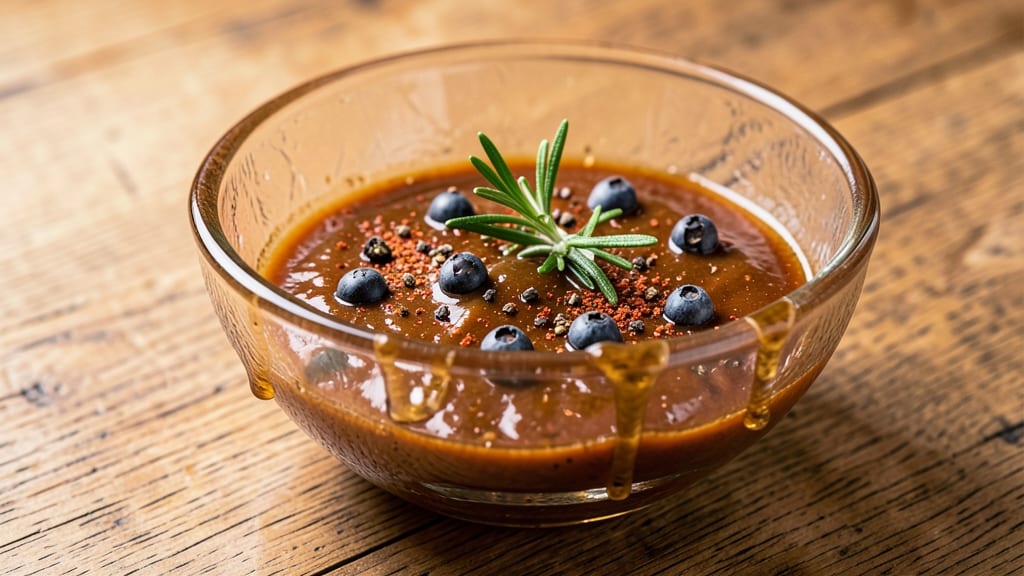
This Arctic Circle sauce recipe transforms game meats into unforgettable centerpieces with its deep smoky-maple flavor and aromatic juniper notes. The glaze caramelizes beautifully while adding a subtle tang that complements venison, elk, or even salmon—perfect for hunters, foragers, and anyone craving bold, woodsy flavors.
What sets this sauce apart is the balance of sweetness from maple syrup and the earthy depth of juniper berries, creating a glaze that's both versatile and restaurant-worthy.
The sauce begins with a simple reduction of maple syrup, apple cider vinegar, and a touch of black pepper for warmth. As it simmers, juniper berries infuse their piney aroma, while smoked paprika adds that signature Arctic smokehouse character.
The result is a thick, glossy glaze that clings to meat like a second skin, enhancing natural flavors without overpowering them. This isn’t just a sauce—it’s a flavor experience that turns simple proteins into something extraordinary.
What makes this sauce truly special is its adaptability. Drizzle it over roasted game meats for a caramelized finish, use it as a glaze for grilled fish, or even spread it on crusty bread for a sweet-savory appetizer.
The smoky-maple profile pairs beautifully with rich, gamey flavors while standing up to lighter proteins like trout or cod. With just a handful of ingredients and minimal effort, you’ll have a sauce that elevates any dish—whether you’re cooking for a holiday feast or a weeknight dinner.
Best of all, this sauce keeps well in the refrigerator for up to two weeks, making it ideal for meal prep or gifting. The juniper berries can be found in specialty stores or online, and if you can’t locate them, a pinch of ground juniper will work in a pinch.
Let’s bring the flavors of the Arctic Circle to your table with this game-changing glaze.
Ingredients for arctic circle sauce
Eight ingredients bring Arctic flavors to your kitchen—bold, woodsy, and unforgettable.
| Ingredient | Amount | Notes |
|---|---|---|
| Pure Maple Syrup 🍁 | 1 cup | Grade B for deeper flavor |
| Apple Cider Vinegar 🍎 | ¼ cup | Raw and unfiltered preferred |
| Juniper Berries 🌲 | 1 tbsp | Whole, lightly crushed |
| Smoked Paprika 🌶️ | 1 tbsp | Hungarian or Spanish variety |
| Ground Black Pepper 🌶️ | ½ tsp | Freshly cracked preferred |
| Ground Juniper 🌲 | ½ tsp | Substitute if whole berries unavailable |
| Fresh Thyme Leaves 🌿 | ¼ cup | Or 1 tsp dried thyme |
| Unsalted Butter 🧈 | 2 tbsp | Cold, cubed for finishing |
Maple syrup is the heart of this sauce, so grab the Grade B stuff—it's richer and less filtered. Wyman's or Citadelle are my go-tos, but any quality brand works. Juniper berries? Find them at World Market or online—just crush them lightly with a mortar and pestle (or a heavy spoon) to release their aroma without turning to dust. Smoked paprika adds that campfire depth, and I always keep Penzeys on hand for the best quality. Fresh thyme is ideal, but dried works in a pinch—just use a third as much.
No juniper berries? Ground juniper is a solid swap, though it loses some of that piney complexity. Short on maple syrup? Brown sugar syrup (equal parts sugar and water) mimics the depth, though it won't have the same caramel notes. Want extra smokiness? Add a pinch of liquid smoke (start with ½ tsp). The butter at the end isn't just for richness—it gives the sauce that silky finish. Use European-style butter if you can find it; it has a higher fat content that stands up to the bold flavors here.
This sauce keeps beautifully—2 weeks in the fridge, sealed in a jar. The flavors actually deepen over time, so make extra. For gifting, portion into small jars with a ribbon—it’s a hit at holiday dinners. Freeze for up to 6 months if you’re prepping ahead. Just reheat gently on the stove, stirring often, until it’s glossy again. The butter will separate when cold, so stir it back in before using.
Why You'll Love This Recipe
- Five-Ingredient Magic: Honestly, this sauce comes together with five ingredients—no fancy techniques, no stress. Just simmer maple syrup and vinegar until it thickens, then toss in juniper berries and smoked paprika for that deep, woodsy punch. My lazy Sundays just got a serious upgrade.
- Unexpected Depth: That first taste of maple and vinegar might sound sweet-sour, but the juniper berries? They add this wild, piney warmth that feels like a hug from a Nordic forest. (Yes, even on a Tuesday night.) The smoked paprika ties it all together—rich, slightly bitter, ridiculously good.
- Game for Any Plate: Drizzle it over roasted pork—chef’s kiss—or toss it into a grain bowl for instant complexity. I’ve even used it as a glaze for grilled veggies when I’m out of BBQ sauce. The vinegar cuts through richness, so it works with fatty meats, crispy roasts, or even as a dipping sauce for fries.
Step-by-step instructions for smoky maple and juniper glaze
This rich, aromatic glaze transforms game meats into showstopping centerpieces—here's how to make it.
Toast the Juniper and Spices
In a small dry skillet over medium heat, lightly toast the 1 tablespoon juniper berries for 2-3 minutes until fragrant and slightly puffed. You'll smell that distinctive piney aroma—this releases their essential oils and deepens the flavor. Immediately transfer the berries to a spice grinder or mortar and pestle and crush them into a coarse powder.
Add the 1 tablespoon smoked paprika, 0.5 teaspoon ground black pepper, and 0.5 teaspoon ground juniper to the same skillet. Toast these spices for 30 seconds just until they smell warm and aromatic. Remove from heat and let cool completely—this prevents steam from diluting your glaze later.
Simmer the Vinegar and Syrup Base
In a medium saucepan, combine the 1 cup pure maple syrup and 0.25 cup apple cider vinegar. Bring to a gentle simmer over medium heat and let it bubble away for 5 minutes, stirring occasionally. This reduces the mixture slightly and helps the flavors meld. You'll notice the aroma becoming more complex—sweet, tangy, and slightly smoky.
Add the toasted spice mixture and stir well to distribute. Let the glaze continue simmering for another 3-4 minutes until it thickens slightly. Here's the thing—you want it to coat the back of a spoon but still be pourable. If it thickens too much, add 1 tablespoon water to loosen it slightly. The goal is a glossy, syrupy consistency that clings beautifully to meat.
Infuse with Thyme and Finish with Butter
Remove the pan from heat and stir in the 0.25 cup fresh thyme leaves. Let the thyme steep in the warm glaze for 10 minutes—this allows the delicate herb flavors to infuse deeply. Then strain the glaze through a fine-mesh sieve into a clean bowl, pressing gently on the thyme to extract every bit of flavor. Discard the herb solids.
Return the strained glaze to the pan and bring to a gentle simmer again. Reduce heat to low and whisk in the 2 tablespoons cold cubed unsalted butter, one piece at a time, until fully melted and incorporated. The butter adds richness and helps create that glossy finish. Taste and adjust seasoning if needed—you might want to add a pinch more black pepper or a splash of vinegar for balance.
Test and Adjust for Perfect Consistency
For an immediate test, brush a small amount onto a piece of cooked game meat and let it sit for 2 minutes. The glaze should form a glossy, sticky coating that doesn't drip excessively. If it's too thick, thin with 1 teaspoon water at a time. If it's too thin, simmer uncovered for 2-3 minutes to reduce further.
For best results, use the glaze immediately or store it in an airtight container in the refrigerator for up to 2 weeks. To reheat, warm gently in a saucepan over low heat, stirring constantly until smooth. This glaze pairs perfectly with venison, elk, or even roasted root vegetables—its smoky-sweet profile elevates any dish it touches.
Pro Tips For Making Arctic Circle Sauce
- CRUSH THE JUNIPER: Start with whole juniper berries—no need to grind them ahead. Toss them into the simmering syrup-vinegar mix and let them steep for 10 minutes first. I learned this the hard way: pre-crushing them turns the sauce bitter and overpowering.
- STIR CONSTANTLY: Low and slow is key here, but don’t walk away. The maple syrup burns faster than you’d think, especially when mixed with vinegar. Keep it at a gentle simmer and stir every 30 seconds—yes, even if you’re impatient like me.
- VINEGAR FIRST: Add the apple cider vinegar to the cold syrup before heating. This prevents the syrup from seizing up or turning grainy when it hits the heat. I used to add it later, and the sauce always came out clumpy.
- SMOKED PAPRIKA LAST: Sprinkle the smoked paprika over the finished sauce, off the heat, just before serving. It keeps the flavor bright and prevents the smokiness from cooking out or turning bitter. (Your future self will thank you.)
Troubleshooting great arctic circle sauce
Glaze Too Thick?
If your sauce thickens more than expected, don’t panic—just add 1 teaspoon water at a time while stirring constantly over low heat. The goal is a glossy, spoon-coatable consistency that still drizzles smoothly.
For extra insurance, keep a small bowl of water nearby during simmering to adjust as needed. 💧
Glaze Too Thin?
Simmer uncovered for 2-3 minutes to reduce excess liquid. Stir occasionally to prevent burning, especially around the edges. If it’s still too runny, repeat the process—just avoid high heat, which can cause the maple syrup to crystallize or burn. A thick, syrupy glaze clings best to meat.
Juniper Overpowering?
If the juniper flavor dominates, balance it with 1 extra teaspoon of maple syrup or a splash of apple cider vinegar. The acidity cuts through the piney notes while maintaining the sauce’s depth. For a smoother finish, strain the glaze again through a fine-mesh sieve after simmering.
Butter Separating?
Cold butter naturally separates when the glaze cools. Before using, gently reheat the sauce over low heat while whisking until smooth. For a quicker fix, stir in ½ teaspoon of cornstarch (mixed with 1 tsp water) to stabilize the emulsion. This trick works wonders for restoring that silky texture.
Glaze Too Smoky?
Reduce the smoked paprika by ½ teaspoon next time or swap it for regular paprika. For a milder juniper profile, toast the berries for only 1-2 minutes instead of 3. The key is balance—this glaze should complement, not overpower, your dish.
Storage Issues?
If your glaze develops a skin or separates after refrigeration, stir vigorously to re-emulsify. For long-term storage, add a thin layer of oil (like grapeseed) on top to preserve freshness. Reheat gently over low heat, stirring constantly until smooth and glossy again. 🧈
Nutrition facts
Frequently asked questions
Can I make this sauce without juniper berries?
If you can't find juniper berries, use ½ teaspoon ground juniper instead. For a milder flavor, swap them with ½ teaspoon ground allspice or a pinch of ground cloves. The sauce will still have depth, though the piney aroma will be different. The key is balancing the sweetness with acidity—keep the apple cider vinegar to maintain that tangy contrast.
What meats pair best with this glaze?
This sauce is designed for rich, gamey flavors but works beautifully beyond just meat. Try it on venison, elk, or bison for a classic pairing, but it also elevates salmon, duck, or even roasted root vegetables. For poultry, use it as a glaze for roasted turkey or chicken thighs—the smoky-sweet notes complement the meat without overpowering it.
How do I adjust the sweetness level?
If you prefer a less sweet glaze, reduce the maple syrup by 2 tablespoons and add 1 extra tablespoon of apple cider vinegar to balance the flavor. For extra sweetness, increase the maple syrup by 1 tablespoon and add a pinch of sea salt to enhance the caramelized notes. The goal is harmony—taste as you go and adjust gradually to avoid overpowering the juniper or smoky flavors.
Can I use this sauce in other dishes besides glazing?
Yes! While this sauce excels as a glaze, its versatile flavor profile works in other ways too. Use it as a dipping sauce for fried fish or chicken wings, drizzle it over mashed potatoes or polenta, or even mix it into burgers or sloppy joe sauce. For a sweet application, spread it on toasted bread or pancakes—the smoky-maple combo adds a gourmet touch to breakfast dishes.
Why does my sauce look cloudy after refrigeration?
Cloudiness usually happens when the butter separates or the maple syrup crystallizes slightly. To fix it, gently reheat the sauce over low heat while whisking constantly until smooth. If it still looks cloudy, strain it through a fine-mesh sieve to remove any separated butter or impurities. For next time, store the sauce in a glass jar and press a piece of parchment paper directly on the surface before sealing to minimize contact with air.