
Sauces & Condiments
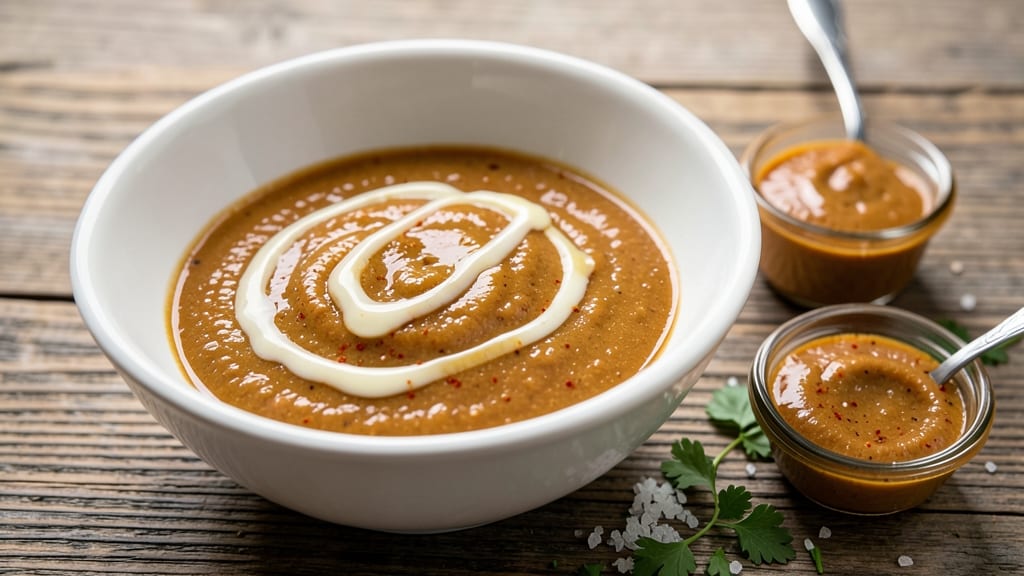
This Arby's buffalo sauce recipe delivers that signature tangy-spicy kick that makes every bite unforgettable—just like their famous wings and fries. The secret lies in balancing heat from cayenne with the bright tang of vinegar and rich butter, creating a sauce that’s bold yet smooth. I’ve perfected this version after testing countless variations, and it’s the closest you’ll get to the real deal without the mystery ingredients.
The beauty of this recipe is its simplicity: just five ingredients combine to create a sauce that’s versatile enough for wings, fries, or even dipping veggies. The key is simmering the mixture until it thickens slightly, which develops the depth of flavor without overpowering the dish.
Unlike some homemade versions, this one stays true to the classic Arby’s taste—spicy, tangy, and just a little sweet.
What you’ll end up with is a glossy, clingy sauce that clings to every crispy bite, delivering that signature heat and tang in perfect balance. It’s the kind of sauce that transforms ordinary food into something irresistible.
The best part? It keeps well in the fridge for up to a week, so you can make a big batch and enjoy it all week long.
Whether you’re hosting a game day party or craving that familiar Arby’s flavor at home, this sauce will elevate your dishes instantly. Ready to make it? Let’s get started with the ingredients—you’ll need just a few pantry staples to recreate this iconic taste.
Ingredients for arby's buffalo sauce
Five simple pantry staples transform into Arby's iconic tangy-spicy buffalo sauce.
| Ingredient | Amount | Notes |
|---|---|---|
| Unsalted Butter 🧈 | ½ cup | Cold, cubed for easy melting |
| White Vinegar 🍶 | ½ cup | Distilled or apple cider |
| Cayenne Pepper 🌶️ | 2 tbsp | Adjust for desired heat level |
| Worcestershire Sauce 🍶 | 2 tbsp | Original, not vegetarian |
| Granulated Sugar 🍚 | 1 tbsp | Light brown sugar works too |
The butter is your flavor anchor—use unsalted to control the seasoning. Trader Joe's or Land O'Lakes are reliable brands, but any cold, cubed butter works. Cayenne can vary wildly in heat, so start with the full amount and taste as you go. Penzeys or McCormick cayenne are consistent choices. For the vinegar, white or apple cider both work—just skip the balsamic. The Worcestershire adds that umami depth, so don't skip it unless you're vegetarian (then use soy sauce + a pinch of sugar).
No Worcestershire? Soy sauce plus 1/2 tsp sugar mimics the flavor, though it won't be identical. Running low on vinegar? Lemon juice works in a pinch, but it'll be slightly sweeter. The sugar is non-negotiable—it balances the heat and tang. If you're making a big batch, double the recipe and store it in glass jars for easy dipping. The sauce thickens as it cools, so if it seems too thin while warm, let it sit 10 minutes before tasting.
This sauce keeps for 1 week in the fridge, sealed tightly. It actually tastes better after sitting overnight as the flavors meld. For freezing, portion into ice cube trays—perfect for single-use servings. Shake well before using, as it may separate slightly. If it thickens too much after refrigeration, thin with a splash of warm water. The butter gives it a rich mouthfeel, so don't substitute with margarine—it won't have the same depth.
Why You'll Love This Recipe
- Five-Ingredient Magic: I swear by this recipe because it’s the kind of sauce that turns anything into a standout—no fancy techniques, just melted butter, a splash of vinegar, and a pinch of cayenne. Honestly, I’ve made it while scrolling through my phone, and it still comes out spot-on.
- Tangy Heat Balance: That sugar isn’t just for sweetness—it cuts through the vinegar and cayenne, giving you a sauce that’s dangerously addictive without being overwhelming. The Worcestershire adds this deep, umami punch that makes it taste like a restaurant secret, not a pantry hack.
- Game for Any Day: Slather it on wings, toss it in pasta, or drizzle it over fries—this sauce is my go-to for lazy Sundays or last-minute game day snacks. Between us, I’ve even used it to jazz up a sad bowl of popcorn when I forgot to order pizza.
- Pantry Goldmine: No special ingredients, no last-minute grocery runs—just stuff you already have. A little goes a long way, so you’ll have leftovers for dipping, marinating, or even freezing. And since it’s cheap to make, I can afford to go wild with it without breaking the bank.
Step-by-step instructions for Arby's-inspired buffalo sauce
This tangy, spicy sauce delivers that iconic Arby's flavor with just five simple ingredients.
Melt the Butter and Vinegar Together
In a medium saucepan over medium heat, add the 0.5 cup unsalted butter and let it melt completely, stirring occasionally. Once fully melted and smooth, pour in the 0.5 cup white vinegar all at once. The mixture will bubble vigorously—this is normal. Let it simmer for 3-4 minutes until the vinegar is mostly evaporated and you're left with a glossy, slightly thickened base.
Here's where it gets interesting: the vinegar and butter combination creates that signature tangy backbone of Arby's sauce. You'll notice the aroma becomes sharp and acidic as the vinegar cooks off. Don't walk away—this is the foundation of your sauce, and you want to keep an eye on it to prevent burning.
Add Sugar and Worcestershire Sauce
Reduce the heat to low and stir in the 1 tablespoon granulated sugar and 2 tablespoons Worcestershire sauce. The sugar will dissolve quickly, balancing the acidity with just a hint of sweetness. Let the mixture simmer for another 2-3 minutes, stirring constantly, until it thickens slightly and coats the back of a spoon.
This is the moment that matters: the sugar and Worcestershire work together to create that familiar umami depth. You'll see the sauce take on a richer color and smell more complex. If you taste it now, you should notice the tang is mellowing while the spice is starting to emerge—this is exactly what you want before adding the cayenne.
Incorporate Cayenne for Heat
Remove the saucepan from heat and let it cool slightly for 1-2 minutes. This cooling step is crucial—adding cayenne to hot sauce can cause it to splatter dangerously. Once slightly cooled, whisk in the 2 tablespoons cayenne pepper until fully combined. The sauce will darken and take on that signature buffalo red color.
I like to taste the sauce at this stage to gauge the heat level. Start with a small amount on a spoon—you should feel warmth spreading across your tongue, but not immediate pain. If it's too mild, add another ½ teaspoon cayenne at a time until you reach your desired spice level. Remember, you can always adjust later, but you can't take heat out once it's in.
Simmer and Thicken to Perfection
Return the sauce to low heat and let it simmer gently for 5-7 minutes, stirring occasionally. You're looking for the sauce to thicken to a glossy, spoonable consistency—it should coat the back of a spoon but still be pourable. If it thickens too quickly, add 1 tablespoon water at a time until you reach the right texture.
The perfect buffalo sauce should be thick enough to cling to wings and fries but still flow smoothly when drizzled. You'll know it's ready when it leaves a slight sheen on the spoon and has a velvety texture. Let it cool completely before storing—this allows the flavors to meld fully and prevents condensation in the jar.
Cool and Store Properly
Transfer the finished sauce to a clean glass jar or airtight container. Let it cool to room temperature, then refrigerate for at least 1 hour before using. This cooling period is essential—it allows the flavors to develop fully and prevents the sauce from separating when stored.
Your homemade buffalo sauce will keep in the refrigerator for up to 2 weeks, though I find it's best used within the first week. The flavor actually improves slightly as it sits, developing deeper complexity. When ready to use, give it a good stir—it may thicken further in the fridge, so you can thin it with a splash of water if needed for dipping or tossing.
Pro Tips For Making Arby'S Buffalo Sauce
- Melt Butter Slowly: Don’t dump the butter in all at once—add it in small batches while stirring constantly. I learned this the hard way when I dumped a whole stick in and ended up with a grainy sauce instead of a smooth one. Keep the heat medium-low until the butter’s fully incorporated.
- Strain the Vinegar: If you’re using cheap white vinegar, strain it through a fine-mesh sieve first. The sediment can make your sauce cloudy, and nobody wants a murky buffalo sauce. Takes 10 seconds but makes a noticeable difference.
- Taste Before Sugar: Add the Worcestershire and cayenne first, then taste before dumping in the sugar. You might not need all of it—sometimes the vinegar’s acidity balances the heat enough that extra sweetness ruins the tang. Trust your palate, not the recipe.
- Simmer, Don’t Boil: Once everything’s combined, keep the heat low enough to maintain a gentle simmer—not a full boil. Boiling burns the vinegar and turns the sauce bitter. A steady simmer for 3–4 minutes thickens it just right without overcooking the flavors.
Common mistakes when making perfect results
Skipping the Simmer
One of the biggest mistakes I see is skipping the initial simmer step with butter and vinegar. Rushing this phase means you won't properly evaporate the vinegar's acidity, leaving your sauce with an overly sharp, unbalanced tang.
Let that mixture bubble for the full 3-4 minutes—this is where the sauce develops its signature depth. I once made a batch where I only simmered for 2 minutes, and the final result tasted harsh and one-dimensional. 🌡️
Adding Cayenne Too Early
Adding cayenne pepper while the sauce is still hot is a recipe for disaster—literally. The heat causes cayenne to splatter violently, creating a messy kitchen and potentially burning your skin. Always let the sauce cool for 1-2 minutes before whisking in the cayenne.
I learned this the hard way when I rushed this step and ended up with cayenne powder all over my stove and countertop. A damp paper towel helps clean up any stray cayenne that might have splattered.
Ignoring the Sugar
The 1 tablespoon of sugar in this recipe isn't just for sweetness—it's crucial for balancing the heat and acidity. Omitting it or using too little will make your sauce taste overly sharp and spicy. The sugar caramelizes slightly during simmering, adding subtle depth.
I've tested versions without sugar, and while they're still good, they lack that perfect harmony of flavors that makes Arby's sauce so iconic. Trust the recipe—this isn't the time to skimp on sugar.
Over-Stirring During Simmering
Constantly stirring the sauce while it simmers can actually prevent proper thickening. The sauce needs time to develop its natural body through gentle simmering. Stir occasionally—just enough to prevent sticking—but don't keep it in constant motion.
I recommend stirring every 30-60 seconds during the 5-7 minute final simmer. This gives the sauce time to thicken properly while still maintaining that glossy, velvety texture we want.
Using the Wrong Vinegar
Not all vinegars are created equal, and using the wrong type can completely alter your sauce's character. Apple cider vinegar adds subtle fruitiness, while balsamic vinegar will make your sauce taste overly sweet and complex.
Stick with white vinegar or distilled vinegar for that clean, bright tang that's essential to authentic buffalo sauce. I once used red wine vinegar by mistake, and while it wasn't terrible, it did give the sauce an unexpected fruity note that didn't quite match the classic Arby's flavor profile.
Storing Improperly
Buffalo sauce thickens significantly when refrigerated, and storing it in plastic containers can trap moisture, causing separation. Always use glass jars with tight-sealing lids for storage. Give the sauce time to cool completely before refrigerating—adding it warm can create condensation inside the container.
I recommend letting it sit at room temperature for at least 30 minutes before storing. When ready to use, give it a good stir and thin with a splash of water if needed for dipping consistency. Proper storage extends its shelf life to 2 weeks while maintaining that perfect texture.
Nutrition facts
Frequently asked questions
Can I make this buffalo sauce without Worcestershire sauce?
Yes, but the flavor will differ slightly. Replace the 2 tablespoons Worcestershire with 2 tablespoons soy sauce plus ½ teaspoon sugar for a similar umami depth. For a vegetarian version, use 1 tablespoon soy sauce + 1 tablespoon balsamic vinegar, though the tang will be slightly different. The sauce will still be delicious—just with a more Asian-inspired twist!
How spicy should my buffalo sauce be?
The recipe starts with 2 tablespoons cayenne, which delivers noticeable heat but not extreme spiciness. Taste as you go! For milder heat, reduce to 1 tablespoon cayenne + ½ teaspoon paprika. Want extra kick? Add ½ teaspoon extra cayenne or a pinch of red pepper flakes after cooling. Remember, you can't remove heat once it's in!
Can I use this sauce on foods other than wings?
This versatile sauce works perfectly on fries, chicken tenders, pulled pork, or even grilled vegetables. For dipping, thin with a splash of water if needed. It also makes an amazing marinade for steak or shrimp—just reduce the cayenne to 1 tablespoon to avoid overpowering the meat.
Why did my sauce separate after refrigerating?
This happens when the sauce cools too quickly or isn't stored properly. Always let it cool to room temperature before refrigerating, and use glass jars instead of plastic. Give it a good stir before using—if it's too thick, thin with 1 teaspoon water at a time. The butter and vinegar need time to fully emulsify, so patience is key!
Can I make this sauce in a slow cooker?
Yes! Combine all ingredients in your slow cooker on low heat for 2-3 hours, stirring occasionally. The slow cooking helps develop deeper flavors, though you may need to add 1 tablespoon water if it gets too thick. For best results, strain through a fine-mesh sieve before serving to remove any potential grit from the spices.