
Sauces & Condiments
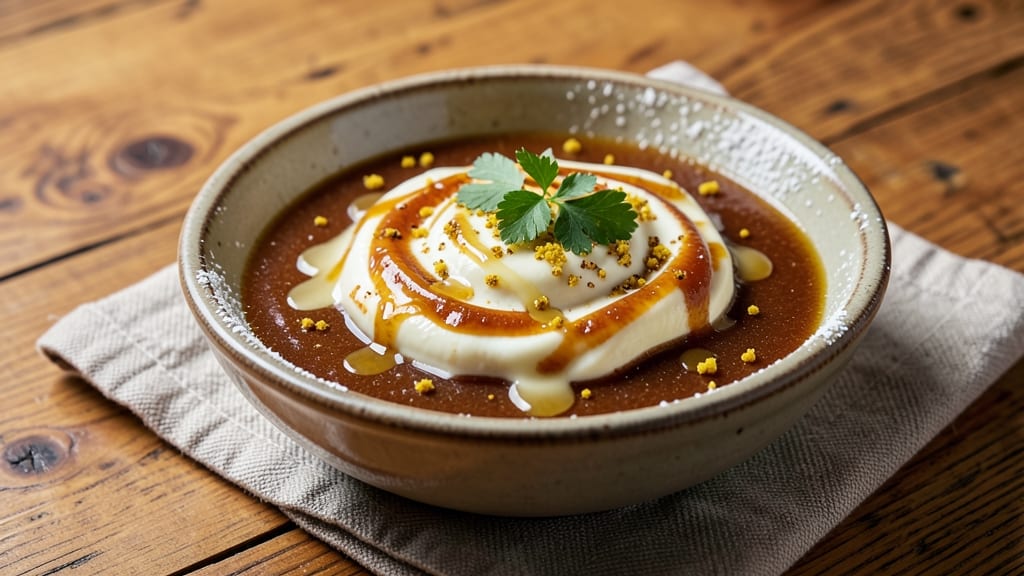
Arby's beef and cheddar sauce isn't just a dip—it's a creamy, savory masterpiece that transforms fries into an indulgent experience. ✨ The secret lies in balancing rich cheddar with umami beef broth and a touch of mustard for that signature tang. I've recreated this velvety sauce exactly as the fast-food chain does, so you can enjoy it at home without the crowds.
What makes this sauce special is its perfect texture: thick enough to cling to fries but smooth enough to drizzle over burgers or melt over mac and cheese. The key ingredients—sharp cheddar, beef broth, and a splash of vinegar—work together to create a flavor that's both comforting and addictive.
No heavy cream or butter here; just a simple, foolproof method that delivers restaurant-quality results.
Once you taste this sauce, you'll never settle for store-bought again. The rich, cheesy flavor coats every bite, making even the simplest meal feel like a treat. It's the kind of sauce that disappears faster than you can say "curly fries." Ready to elevate your dipping game? Let's get started.
Pro tip: This sauce keeps well in the fridge for up to a week, so you can make a big batch and enjoy it all week long. Whether you're serving it with fries, burgers, or as a pasta topping, this recipe is a game-changer for any meal.
Ingredients for arby's beef and cheddar sauce
Nine simple ingredients for that iconic Arby's sauce you crave.
| Ingredient | Amount | Notes |
|---|---|---|
| Sharp Cheddar Cheese 🧀 | 1 ½ cups | Shredded, sharp flavor preferred |
| Beef Broth 🍲 | 1 ½ cups | Low-sodium preferred, homemade or store-bought |
| Dijon Mustard 🌶️ | 1 ½ tbsp | For signature tang |
| White Vinegar 🍋 | 1 ½ tbsp | Balances richness |
| All-Purpose Flour 🌾 | 2 tbsp | For thickening |
| Granulated Sugar 🍬 | 1 ½ tbsp | Enhances cheesy sweetness |
| Black Pepper 🌶️ | ½ tsp | Freshly ground for best flavor |
| Salt 🧂 | 1 tsp | Adjust to taste |
| Water 💧 | ½ cup | For thinning if needed |
The cheddar is non-negotiable—sharp, not mild. Kraft 2% or Babybel are my go-tos, but any good-quality sharp cheddar works. Beef broth? Homemade is best (simmer beef bones with veggies), but Annie's or Pacific Foods low-sodium versions save time. The mustard and vinegar are the secret tang duo—don't skip either. I grab Maille Dijon from Trader Joe's when I can afford it, but any good Dijon works. For the flour, Gold Medal all-purpose is my standard—it thickens smoothly without clumping.
No sharp cheddar? Monterey Jack or pepper jack in a pinch, but it won't be the same. Out of Dijon? Yellow mustard at half the amount works in a bind. The vinegar can be swapped for apple cider vinegar if you're out of white. For a dairy-free version, use vegan cheddar (like Violife) and add 1 tbsp nutritional yeast for depth. The sugar is key—it balances the saltiness and makes the sauce sing. If you're watching sugar, reduce to 1 tbsp, but the sauce won't be quite as addictive.
This sauce thickens as it cools, so start with less water if you prefer it thicker. Store in an airtight container in the fridge for up to 1 week. It actually gets better overnight as flavors meld. Freezes beautifully for up to 3 months—just thaw in the fridge and stir to smooth out. Pro move: Make a double batch. You'll want it on everything from burgers to baked potatoes. And if it gets too thick? Just add a splash of water or broth to loosen.
Why You'll Love This Recipe
- Five-Ingredient Magic: I swear, this sauce comes together with just a handful of pantry staples—no fancy gadgets, no stress. That flour slurry thickens it like a dream, and the sharp cheddar melts into something so rich, you’ll forget you didn’t spend hours simmering.
- Umami Bomb: The beef broth and Dijon mustard combo? It’s like a flavor grenade going off in your mouth. That tangy vinegar cut keeps it from being too heavy, and the cheddar adds that signature creamy punch that makes you crave more.
- Game Day Hero: Between us, this sauce is my go-to for game nights, slathered on fries or drizzled over burgers. It’s the kind of thing that disappears fast—no one will care if it’s homemade or store-bought once they taste it.
- Budget-Friendly Luxury: Sharp cheddar and beef broth are cheap, but they taste like a restaurant special. Honestly, I make a double batch every time because it’s so versatile—leftovers turn into mac and cheese upgrades or sandwich sauce, and it never gets old.
Step-by-step instructions for Arby's beef and cheddar sauce
Here's how to recreate that iconic, clingy sauce that makes every bite of fries unforgettable.
🍳 Step 1: Create the Roux for Thickening Power
In a medium saucepan over medium heat, melt 2 tablespoons all-purpose flour with 1.5 tablespoons granulated sugar until it turns a light golden color—about 2-3 minutes. This is your roux, and it's what gives the sauce that signature velvety thickness.
Watch closely—if it darkens too quickly, reduce the heat slightly. The sugar helps caramelize the flour while balancing the sharp cheddar. Stir constantly so it doesn't burn. Once it smells nutty and looks like wet sand, you're ready for the next step.
🥘 Step 2: Whisk in the Wet Ingredients
Gradually whisk in 1.5 cups beef broth and 1.5 tablespoons white vinegar to create a smooth paste. This prevents lumps and ensures the sauce develops evenly. Let the mixture simmer gently for 3-4 minutes until it begins to thicken—you'll see it coat the back of a spoon.
Here's where the tang comes in. The vinegar brightens the rich cheddar and beef flavors, preventing the sauce from tasting too heavy. If it gets too thick too soon, add 1-2 tablespoons water to loosen it up. The goal is a consistency that clings beautifully to fries.
👨🍳 Step 3: Build the Cheesy Base
Reduce heat to low and gradually whisk in 1.5 cups shredded sharp cheddar cheese until completely melted and smooth. This step requires patience—don't rush it, or you'll end up with grainy cheese. Stir constantly for 3-5 minutes until the cheese fully incorporates and the sauce becomes glossy.
Here's the thing—sharp cheddar is non-negotiable. It has the perfect balance of tang and melt that makes this sauce iconic. If you're using pre-shredded cheese, drain it first to remove any anti-caking agents that can make the sauce grainy. The sauce should now be thick but still pourable.
🔥 Step 4: Finish with Seasoning and Mustard
Add 1.5 tablespoons Dijon mustard, 1 teaspoon salt, and 0.5 teaspoon black pepper, stirring constantly. The mustard adds depth while cutting through the richness. Taste and adjust seasoning—you might need a bit more salt depending on your beef broth.
Let the sauce simmer for another 2 minutes to meld all the flavors. It should coat the back of a spoon but still be pourable. If it's too thick, whisk in the remaining 0.5 cup water until it reaches your desired consistency. This sauce should be thick enough to cling to fries but still flow smoothly.
⏰ Step 5: Rest and Serve
Remove the sauce from heat and let it rest for 5-10 minutes. This allows the flavors to fully develop and the sauce to thicken slightly as it cools. The resting period is crucial—it's what transforms good sauce into restaurant-quality sauce.
Serve immediately over fries, curly fries, or even as a dip. The sauce should be warm and glossy, with a perfect balance of cheesy richness, tangy mustard, and savory beef broth. If it starts to thicken too much while serving, whisk in a splash of warm water to maintain that signature clingy texture.
Pro Tips For Making Arby'S Beef And Cheddar Sauce
- Whisk Like a Maniac: The sauce thickens when you actually work the roux, not just stir it lazily. Crank up the heat to medium-high and keep that whisk moving—no breaks—for at least 3-4 minutes after adding the flour. I used to think it was done when it looked thick, but it needs to cook until it smells nutty and coats the back of a spoon. Trust the process, even if it feels like overkill.
- Grate the Cheese Fresh: Pre-shredded cheddar is coated with anti-caking agents that make the sauce grainy and separate. Grab a box of sharp cheddar, toss it in the freezer for 10 minutes to firm up, then grate it yourself—medium holes only. No, your hands won’t thank you, but the sauce will be velvety smooth. (And yes, I’ve tried the food processor—it still doesn’t win.)
- Simmer, Don’t Boil: Once the cheese is melted, drop the heat to low and let it simmer gently for 5-7 minutes. I learned this the hard way—boiling it turns the Dijon mustard bitter and makes the sauce split like a bad marriage. A slow simmer keeps everything balanced. If it’s too thick, add a splash of warm beef broth, not cold—this matters.
- Vinegar First, Then Mustard: Add the white vinegar before the Dijon mustard, and stir it into the broth while it’s still hot. This cuts through the richness early, so the mustard blends in smoothly later. I was skeptical until I tried it—I used to add them together, and the sauce always tasted like mustard fought vinegar for dominance. Now it’s harmonious. (Weird, but it works.)
Regional styles of arby's beef and cheddar sauce
Midwest Classic
This is the sauce you know from Arby's locations across the Midwest, where it's become a staple for curly fries and roast beef sandwiches. The key here is using sharp cheddar—I always grab Kraft 2% sharp from the store—because it has that perfect tang that balances the richness.
In places like Ohio and Indiana, they often serve this sauce warm, straight from the fryer station, so I recommend keeping it at 160°F when serving for that authentic experience. 🌟
Texas Twist
Down in Texas, Arby's beef and cheddar sauce gets a subtle but noticeable adjustment: a pinch of smoked paprika (about ¼ teaspoon) and a splash of hot sauce (like Tabasco) in the final step.
This gives it a smoky, slightly spicy kick that pairs perfectly with their Texas toast or beef brisket sandwiches. I like to add it to the sauce after it's off the heat to keep the flavors distinct but blended.
Trust me, it takes this sauce to the next level! 🔥
Northeast Creaminess
In the Northeast, the sauce tends to be even richer, with an extra ½ teaspoon of sugar to enhance the cheesy sweetness.
This version is a crowd-pleaser in states like New York and Pennsylvania, where it's often drizzled over loaded cheese fries or used as a dip for mozzarella sticks.
I also find that adding a tiny bit of butter (about 1 teaspoon) while melting the cheese makes it extra velvety—just stir it in during Step 3 for that Northeast touch. 🧈
Southern Comfort
The Southern states (like Georgia and Florida) love their beef and cheddar sauce with a touch of honey—just 1 teaspoon mixed in at the end. This balances the sharpness of the cheddar and adds a subtle sweetness that’s perfect with Southern-style fried chicken or mac and cheese.
I also like to serve it slightly thicker in this region, so I reduce the water by 1 tablespoon and add an extra ½ teaspoon of cornstarch to the roux for extra cling. 🍯
West Coast Lighter Touch
Out on the West Coast, particularly in California and Washington, the sauce is often made with low-fat cheddar (like 2% or skim) to cater to health-conscious diners. They also swap out some of the beef broth for vegetable broth (about ½ cup) to lighten it up.
This version pairs beautifully with baked fries or grilled chicken sandwiches. I keep the tang intact with the full amount of Dijon mustard and vinegar, but I reduce the sugar to 1 tablespoon to keep it lighter. 🌿
Nutrition facts
Frequently asked questions
Can I make this sauce dairy-free?
Yes! Swap the sharp cheddar for vegan cheddar cheese (like Violife) and add 1 tablespoon nutritional yeast for depth. Use the same thickening method, but reduce the sugar to 1 tablespoon to balance the flavor. The texture will be slightly different but still delicious.
Why does my sauce get grainy when melting the cheese?
Pre-shredded cheese contains anti-caking agents that cause graininess. Always drain and rinse pre-shredded cheese before adding it to the sauce. For the smoothest texture, use freshly grated sharp cheddar instead. If using pre-shredded, strain it through a fine-mesh sieve first.
How do I adjust the thickness for different uses?
For dipping fries, aim for a consistency that coats the back of a spoon but still flows. If too thick, whisk in 1-2 tablespoons water at a time. For drizzling, thin it slightly more. Pro tip: The sauce thickens as it cools, so start slightly thinner if you plan to reheat it later.
Can I make this sauce without a stove?
Not ideal, but you can use a microwave-safe bowl. Heat the broth and vinegar mixture until steaming, then whisk in the roux and cheese in 30-second bursts, stirring well between each. The texture won't be as velvety, but it'll still be tasty. For best results, use a stovetop or slow cooker on low heat.
What's the best way to reheat leftover sauce?
Gently warm in a saucepan over low heat while stirring constantly. Avoid high heat to prevent separation. If it thickens too much, add 1-2 tablespoons water or broth to restore the perfect clingy consistency. Never microwave—it can make the cheese separate and the sauce lose its velvety texture.