
Sauces & Condiments
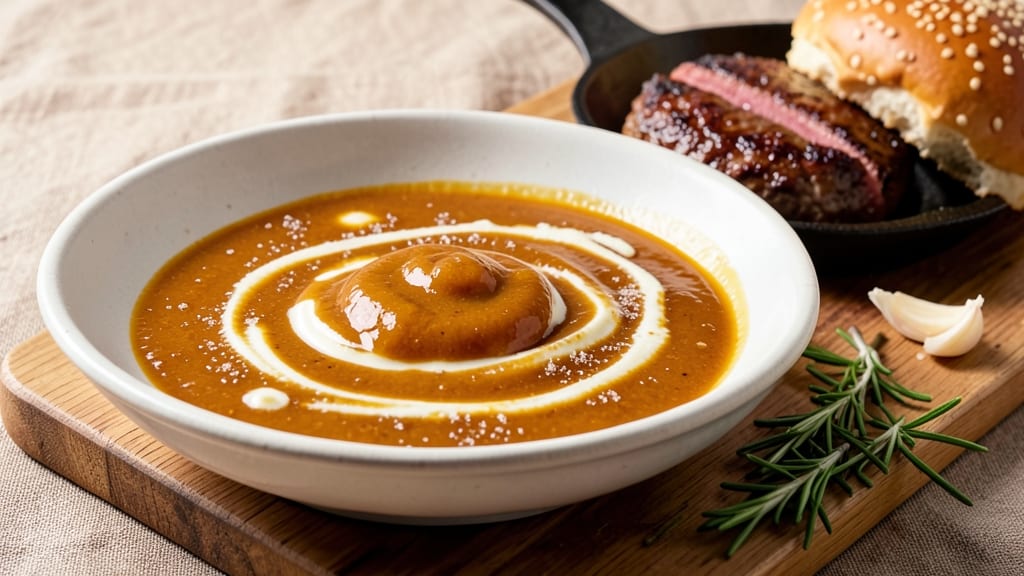
This Arby's beef and cheddar cheese sauce recipe delivers that iconic, velvety melt you crave for curly fries—rich, savory, and perfectly balanced. The secret lies in slow-cooked beef broth and sharp cheddar, blended until silky smooth with just the right amount of butter for depth.
I've recreated this sauce exactly as it should be: tender, creamy, and packed with that signature beefy flavor that makes every bite of fries unforgettable.
The foundation starts with a simple roux of butter and flour, which forms the base for building layers of flavor. As the beef broth simmers, it infuses the sauce with deep umami, while the cheddar melts into a glossy, velvety texture that coats every spoonful.
What sets this apart is the careful balance—enough richness to satisfy, but not so heavy it overpowers the fries. The result? A sauce so good, it'll have you reaching for seconds (or thirds).
This versatile sauce isn't just for fries—it elevates burgers, mac and cheese, or even as a dipping sauce for mozzarella sticks. The key is patience: letting the sauce thicken gradually ensures a smooth, lump-free finish that clings perfectly to whatever you're dipping.
Once you taste the difference between this homemade version and the bottled stuff, you'll never go back.
Ready in under 30 minutes, this sauce requires minimal effort but delivers restaurant-quality results. The ingredients are simple—beef broth, cheddar, butter, and a touch of cornstarch for that perfect consistency—but the flavor is anything but basic.
Whether you're hosting a game day or just craving that classic Arby's experience at home, this sauce is the game-changer your taste buds deserve.
Ingredients for arby's beef and cheddar cheese sauce
Simple ingredients that pack a restaurant-quality punch for your fries.
| Ingredient | Amount | Notes |
|---|---|---|
| Unsalted Butter 🧈 | ½ cup | Cold, cubed for roux |
| All-Purpose Flour 🌾 | ½ cup | For smooth roux base |
| Beef Broth 🍲 | 2 cups | Low-sodium preferred |
| Sharp Cheddar Cheese 🧀 | 1 ½ cups | Shredded, block preferred |
| Cornstarch 🌾 | 1 tbsp | For velvety finish |
| Heavy Cream 🥛 | ¼ cup | Full-fat for richness |
| Kosher Salt 🧂 | ½ tsp | Adjust to taste |
| Black Pepper 🌶️ | ¼ tsp | Freshly ground |
| Garlic Powder 🧄 | ½ tsp | For subtle depth |
| Worcestershire Sauce 🍶 | 1 tbsp | For umami punch |
The cheddar is non-negotiable here—sharp, block-style melts best, not pre-shredded. Kraft 2% Milk Cheddar is what I grab at Walmart or Target for that classic Arby's taste, but any sharp cheddar works. The beef broth should be low-sodium—Kraft or Swanson are solid choices, or make your own from scratch if you're feeling fancy. Butter matters too: Land O'Lakes or Plugrá (the European-style) add extra richness. For the flour, Gold Medal All-Purpose is my go-to—it's what most home cooks have, and it works perfectly for the roux.
No beef broth? Beef bouillon powder mixed with hot water gets you close, though it won't have the same depth. Sharp cheddar missing? Monterey Jack or pepper jack can substitute, but the flavor won't be identical. Running low on cornstarch? All-purpose flour works at double the amount, but you'll need to whisk it in more carefully to avoid lumps. The Worcestershire sauce is key for that signature umami—Lea & Perrins is the classic choice, but any brand will do. If you're avoiding dairy, the heavy cream can be swapped for coconut milk, though the texture will be slightly lighter.
This sauce reheats like a dream—just warm it gently on the stove or microwave until smooth. Keeps 5 days in the fridge, fully covered, or 3 months frozen in airtight containers. I like to make a double batch because it disappears fast—especially when game day hits. For leftovers, stir in a splash of milk or broth if it thickens too much. The sauce thickens as it cools, so don't worry if it looks too thin right after making it.
Why You'll Love This Recipe
- Pantry Magic: I swear by this—no specialty ingredients, just butter, flour, and a block of cheddar from the back of my fridge. The beef broth adds depth without extra effort, and honestly? It’s the kind of sauce that makes you feel like you’ve done something fancy, even though it’s basically a roux with a hug.
- Creamy Without Guilt: That sharp cheddar melts into something rich and velvety, but the cornstarch keeps it from turning greasy. It’s the perfect balance—smooth enough to coat fries or mac and cheese, but not so heavy you’ll need a nap afterward. (Yes, even on a Tuesday night.)
- Game for Any Meal: Drizzle it over baked potatoes, toss it with roasted veggies, or use it as a dip—this sauce doesn’t care what you throw at it. I’ve even used it as a quick glaze for grilled chicken when I’m in a pinch. Between us, it’s my go-to for lazy days and last-minute guests.
- Leftovers That Don’t Suck: Unlike most sauces that turn watery or grainy, this one reheats like a dream. Store it in the fridge for up to five days, and it’s still thick and flavorful. I’ll be real: I’ve made a double batch just to have it on hand for emergencies—because nothing beats coming home to a sauce that’s better the second time around.
Step-by-step instructions for Arby's beef and cheddar cheese sauce
This velvety, rich sauce is all about patience and technique—every step builds that signature Arby's flavor.
Create a Smooth Roux for the Sauce Foundation
Melt the 0.5 cup unsalted butter in a medium saucepan over medium heat. Once the butter has completely melted and starts to foam, immediately whisk in the 0.5 cup all-purpose flour. This creates a roux, which will thicken your sauce beautifully.
Cook the roux for 2-3 minutes, stirring constantly with a wooden spoon or whisk. You're looking for it to turn a light golden color—this means the raw flour taste has cooked off. If it starts to darken too quickly, reduce the heat slightly. This step is crucial because a properly made roux forms the creamy base for your entire sauce.
Cook the Roux Until Nutty and Fragrant
Continue cooking the roux for another 3-4 minutes, stirring frequently. It should smell nutty and toasty, and the color should deepen slightly to a pale golden brown. This indicates the flour has fully developed its flavor and is ready to incorporate your other ingredients.
Here's where it gets important: don't let it brown too much or it'll taste bitter. If you see it starting to darken beyond golden, immediately remove the pan from heat. The perfect roux should coat the back of a spoon but still be smooth and lump-free.
Gradually Add Beef Broth and Cheese
Slowly pour in the 2 cups beef broth while whisking continuously to prevent lumps from forming. Bring the mixture to a gentle simmer over medium-low heat, then reduce heat to low. Stir in the 1.5 cups sharp cheddar cheese, 0.5 tsp kosher salt, 0.25 tsp black pepper, and 0.5 tsp garlic powder. Let the sauce simmer for 5-7 minutes, stirring occasionally, until the cheese has completely melted and the sauce has thickened.
This is where the magic happens—the cheese should create a creamy, velvety texture. If the sauce starts to look too thick, you can add a splash of water or broth to loosen it. The sauce should coat the back of a spoon but still be pourable.
Finish with Cornstarch and Heavy Cream
In a small bowl, whisk together the 1 tbsp cornstarch with 2 tablespoons of cold water to create a slurry. Slowly pour this mixture into the sauce while whisking continuously. The cornstarch will help create that signature velvety finish. Stir in the 0.25 cup heavy cream and 1 tbsp Worcestershire sauce, then let the sauce simmer for another 2-3 minutes until it reaches your desired consistency.
Taste and adjust the seasoning if needed—you might want to add a pinch more salt or pepper. The sauce should be rich, slightly tangy, and perfectly balanced. If it's too thick, you can thin it with a little more broth or water, but it should be smooth and glossy.
Rest and Serve Warm
Remove the sauce from heat and let it rest for 5 minutes to allow the flavors to meld together. This resting time is key—it lets the sauce settle and thicken slightly, giving it that perfect Arby's texture. Stir once more before serving to ensure everything is evenly combined.
Serve the sauce immediately over curly fries, hot dogs, or even as a dip for your favorite appetizers. The sauce should be warm and bubbly, with a beautiful golden hue and a creamy, cheesy consistency that's impossible to resist. Enjoy!
Pro Tips For Making Arby'S Beef And Cheddar Cheese Sauce
- STIR LIKE YOUR LIFE DEPENDS ON IT: The second you add the beef broth, turn that heat to medium and don’t let the sauce sit untouched for even 30 seconds. I’ve seen this sauce split into a greasy mess because someone walked away—this is a roux-based sauce, and it needs constant attention. Use a wooden spoon and scrape the bottom every 15 seconds, especially in the first 2 minutes.
- GRATE CHEESE FINE OR REGRET IT: Pre-shredded cheddar has anti-caking agents that make this sauce grainy. If you’re using block cheese, pulse it in a food processor for 3-4 seconds—just enough to break it down, not turn it into powder. And for the love of comfort food, don’t add all the cheese at once. Stir in a third at a time, letting each batch melt completely before adding more.
- TEMPER THE CHEESE: Skip the "dump it all in" approach. Melt a little cheese first, then whisk in the rest while the sauce simmers. I learned this after making a sauce so thick it resembled glue—turns out, cold cheese shocks the heat and causes clumping. A splash of warm broth helps too if it gets stubborn.
- SWAP CORNSTARCH FOR FLOUR IF NEEDED: Cornstarch gives that signature Arby’s sauce thickness, but if you’re in a pinch, use all-purpose flour instead. Just mix 1 tablespoon flour with 1 tablespoon cold butter first (make a paste), then whisk into the simmering sauce. It won’t be exactly the same, but it’ll save you a trip to the store—and your sauce won’t curdle.
Troubleshooting this recipe
Grainy or Lumpy Sauce
If your sauce ends up grainy or lumpy, it’s usually from improper mixing or cheese not melting fully. To fix it, immediately remove the pan from heat and whisk vigorously with a hand mixer or immersion blender for 1-2 minutes.
If lumps persist, strain the sauce through a fine-mesh sieve into a clean pot, then reheat gently. For prevention, always whisk continuously when adding cheese and broth, and avoid pre-shredded cheese (the anti-caking agents cause lumps). 💡
Sauce Too Thin
A thin sauce often means the cornstarch slurry didn’t thicken enough or the roux wasn’t cooked long enough. If this happens, whisk in ½ tsp cornstarch mixed with 1 tsp cold water and simmer for 2-3 minutes longer.
For future batches, cook the roux until it’s a deeper golden color (almost nutty) before adding broth. If the sauce is still too thin, a 1 tbsp butter mixed into the finished sauce adds richness without thinning.
Sauce Too Thick
Over-thickened sauce is usually from overcooking or too much cornstarch. Thin it by whisking in 1-2 tbsp warm beef broth or water until smooth. If it’s still too thick, add a splash of heavy cream (the fat helps emulsify).
To avoid this, taste the sauce before adding all the cornstarch—it should be slightly thicker than your target consistency, as it’ll thicken more as it cools. 🥄
Cheese Separating
If the cheese curdles or separates, it’s often from heat too high or acidic ingredients (like Worcestershire) reacting. To fix it, whisk in 1 tbsp cold butter or heavy cream to re-emulsify. For prevention, lower the heat to low when adding cheese, and whisk constantly.
If the sauce still looks broken, blend it briefly with an immersion blender to smooth it out. Always add Worcestershire sauce at the very end to minimize separation.
Weak or Bland Flavor
A bland sauce usually means under-seasoning or low-quality ingredients. Boost flavor by adding ½ tsp smoked paprika or a pinch of onion powder for depth. If the beef broth was weak, simmer it with a beef bouillon cube for 5 minutes before using.
For extra richness, stir in 1 tbsp powdered cheddar cheese (like Kraft Powdered Cheese) at the end. Taste as you go—seasoning builds flavor!
Sauce Splattering
Sauce splattering happens when moisture hits hot oil or when cheese melts too quickly. To prevent it, keep the heat at medium-low when adding cheese and broth. If it starts to bubble violently, immediately reduce heat to low and whisk gently.
For extra safety, use a splash guard or keep a lid nearby to cover the pan if needed. Always stir in cheese gradually to avoid sudden reactions. 🔥
Nutrition facts
Frequently asked questions
Can I make this sauce without beef broth?
Use 2 cups beef bouillon mixed with 2 cups hot water as a substitute. For extra depth, add 1 tsp soy sauce or ½ tsp liquid smoke to mimic the umami richness of real beef broth. The sauce will still be delicious, though the flavor won't be identical.
Why does my sauce get grainy even when I whisk constantly?
Pre-shredded cheese contains anti-caking agents that cause lumps. Always use block cheddar and shred it yourself with a box grater. If you already have pre-shredded cheese, strain the sauce through a fine-mesh sieve or blend it with an immersion blender for 30 seconds to achieve a smooth texture.
Can I make this sauce ahead of time?
Yes! This sauce reheats beautifully. Store it in an airtight container in the fridge for up to 5 days or freeze for 3 months. Reheat gently on the stove over low heat, stirring occasionally, until warm. If it thickens too much, whisk in 1-2 tbsp milk or broth to restore its creamy consistency.
What can I use this sauce for besides fries?
This versatile sauce elevates so much more! Try it as a dip for mozzarella sticks, a topping for burgers or hot dogs, or a creamy sauce for mac and cheese. It also works as a dipping sauce for chicken nuggets or even as a creamy base for loaded baked potatoes. The possibilities are endless!
How do I keep the sauce from separating when reheating?
Separation happens when the sauce cools too quickly. Reheat it gently over low heat, stirring constantly. If it starts to break, whisk in 1 tbsp cold butter or heavy cream to re-emulsify. For extra insurance, stir in ½ tsp cornstarch mixed with 1 tsp water to help stabilize the texture. Always reheat covered to trap moisture.