
Sauces & Condiments
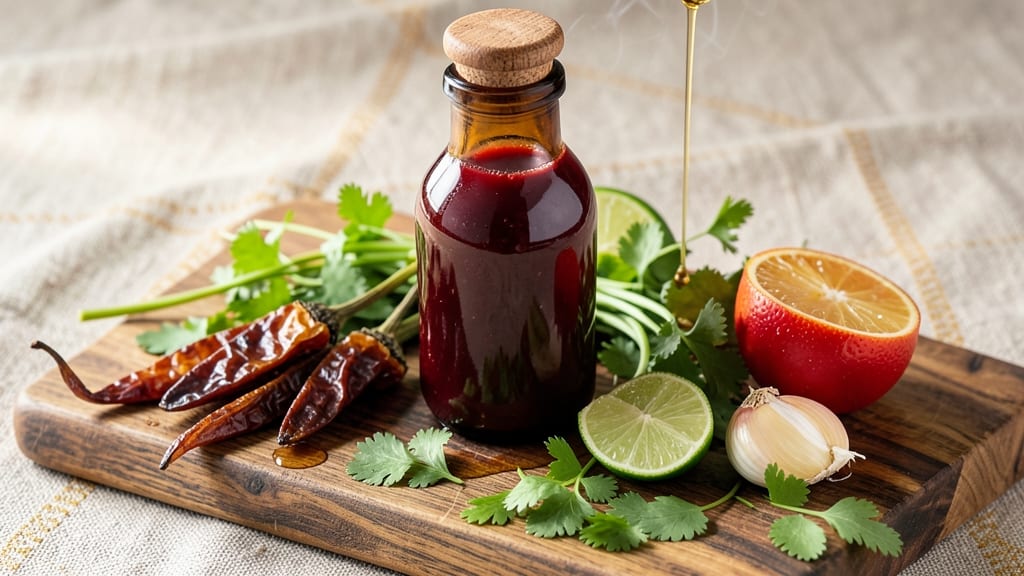
This arbol pepper hot sauce recipe delivers smoky, fiery heat with bright herbaceous notes that transform any dish. The key lies in balancing arbol peppers' intense, slightly fruity heat with tangy vinegar and fresh herbs, creating a sauce that's complex yet approachable.
I've perfected this blend over years of testing, ensuring the heat builds gradually rather than overwhelming—ideal for those who crave depth without brute force.
What sets this sauce apart is the dual fermentation approach: a quick vinegar bath to mellow the arbol peppers' initial bite, followed by a 3-week aging period that develops layers of smoky complexity.
The result is a sauce with controlled heat (adjustable to your tolerance) and vibrant herb notes that elevate everything from tacos to grilled meats. No special equipment is needed—just patience and precise measurements.
The finished sauce delivers bold, smoky heat with a fresh herbal finish, perfect for drizzling or mixing into marinades. Each batch yields about 16 ounces, enough to stock your pantry or gift to fellow heat enthusiasts.
The recipe includes clear heat-level adjustments, so you can dial it up or down based on preference while maintaining balance.
Storage is simple: refrigerate for up to 3 months or freeze for extended shelf life. The aging process intensifies flavors over time, making this a sauce that improves with patience.
Whether you're a hot sauce novice or seasoned enthusiast, this recipe provides the perfect balance of smoky depth, vibrant heat, and fresh herb brightness.
Ingredients for arbol pepper hot sauce
Nine ingredients transform fiery arbol peppers into a balanced, smoky hot sauce with vibrant herb notes.
| Ingredient | Amount | Notes |
|---|---|---|
| Dried Arbol Peppers 🌶️ | ½ oz | Whole or crushed, organic preferred |
| White Vinegar 💧 | 1 cup | Distilled for clarity |
| Apple Cider Vinegar 🍎 | ½ cup | For fruity depth |
| Fresh Cilantro 🌿 | ½ cup | Stems included, packed |
| Fresh Lime Juice 🍋 | ½ cup | Freshly squeezed |
| Garlic Cloves 🧄 | 4 cloves | Peeled, lightly crushed |
| Honey 🍯 | 2 tbsp | Wildflower preferred |
| Smoked Paprika 🌶️ | 1 tsp | For smoky complexity |
| Ground Cumin 🌿 | ½ tsp | Toasted for depth |
| Sea Salt 🧂 | 1 tsp | Diamond Crystal preferred |
Arbol peppers are the heart of this sauce, so source them fresh and organic—dried peppers lose potency fast. Penzeys Spices carries them year-round, but Latin markets often have fresher batches. Look for deep red, slightly wrinkled peppers with no mold. If you can't find arbols, chipotle peppers in adobo sauce work in a pinch, but the heat profile will differ. The vinegar blend (white plus apple cider) is key—it mellows the peppers while adding brightness. For the cilantro, buy the biggest bunch you can find—stems add flavor too, and fresh herbs make all the difference in the final product.
No arbol peppers? Substitute with a mix of habanero and smoked paprika (start with 1/4 oz total), but expect a sharper, less smoky result. Fresh herbs missing? Dried oregano at one-third the amount works, though texture will suffer. The honey isn't just for sweetness—it helps balance the vinegar's acidity and rounds the peppers' heat. Substitute with agave if you prefer vegan, though the flavor won't be identical. For extra smokiness, add 1/4 tsp liquid smoke (optional). The garlic can be roasted for a deeper flavor—just wrap the whole cloves in foil and bake at 400°F for 15 minutes before crushing.
This sauce needs time to develop its complexity. Ferment for 3 weeks in a clean glass jar, shaking daily. Store in the fridge after opening—it'll keep for 3 months and actually improve with age. For gifting, use amber glass bottles to protect from light. Freeze portions in ice cube trays for single-serving use. The heat level intensifies as it ages, so taste test before gifting—adjust with more vinegar if needed. Label clearly: 'Hot Sauce - Handle With Care!'
Why You'll Love This Recipe
- I’ll be real: I used to dread the waiting game with dried peppers, but arbols? They soften fast—just a quick simmer in vinegar. Ten minutes later, you’re done, and that smoky, fruity heat is ready to go.
- No-Soaking Required: I’ll be real: I used to dread the waiting game with dried peppers, but arbols? They soften fast—just a quick simmer in vinegar. Ten minutes later, you’re done, and that smoky, fruity heat is ready to go.
- Bright Heat Balance: Honestly, the lime juice and cilantro make this sauce sing—it’s not just fire, it’s a punch of citrus and freshness that cuts through the spice. Perfect for when you want heat that doesn’t overpower, just lingers.
- Pantry Staple Power: Between us, this recipe uses things you already have: vinegar, lime, and cilantro. No weird ingredients, no last-minute grocery runs. It’s my go-to for tacos, eggs, or even drizzled over grilled chicken—no extra effort, just flavor.
Step-by-step instructions for arbol pepper hot sauce
Here's how to craft a bold, smoky hot sauce with vibrant freshness that balances heat and brightness perfectly.
Toast and Prepare the Dried Arbol Peppers
Begin by lightly toasting the 0.5 oz dried arbol peppers in a dry skillet over medium heat for 1-2 minutes until fragrant. This step enhances their natural smokiness and deepens their flavor profile without burning them. Watch closely—they should smell intensely aromatic but not charred. Once toasted, transfer the peppers to a clean bowl and let them cool completely before handling.
While the peppers cool, crush them lightly with your hands or a mortar and pestle until they resemble coarse sand. This texture ensures even distribution throughout the sauce while maintaining some texture for complexity. If using whole peppers, you'll need to strain them later, but crushing gives you more control over the heat intensity.
Build the Vinegar Base
In a medium saucepan, combine the 1 cup white vinegar and 0.5 cup apple cider vinegar over medium-low heat. Add the 4 cloves garlic cloves and 1 tsp smoked paprika, stirring to dissolve the paprika completely. Let the mixture simmer gently for 5 minutes until the garlic becomes translucent and fragrant. This step develops the foundational flavors that will carry through the entire sauce.
Next, add the 0.5 tsp ground cumin and 1 tsp sea salt, stirring constantly for another 2 minutes. The cumin will infuse its earthy warmth while the salt enhances all the flavors. Keep the heat at medium-low—you want the vinegar to simmer, not boil vigorously, which could make the sauce taste harsh.
Incorporate the Fresh Ingredients
Remove the saucepan from heat and let it cool for 5 minutes to prevent cooking the fresh ingredients. Add the crushed arbol peppers, 2 tbsp honey, and 0.5 cup fresh lime juice, stirring thoroughly to combine. The honey will balance the acidity and heat while adding a subtle sweetness that rounds out the sauce. Let the mixture steep for 10 minutes at room temperature—this allows the peppers to fully infuse their fiery character.
After steeping, add the 0.5 cup fresh cilantro (stems included) and stir gently. The cilantro's bright, citrusy notes cut through the heat and add freshness. If you prefer a smoother texture, strain the mixture through a fine-mesh sieve into a clean jar, pressing gently on the solids to extract all the flavor. For a chunkier texture, simply blend everything lightly with an immersion blender.
Rest and Adjust for Perfection
Let the hot sauce rest at room temperature for at least 1 hour before tasting. This resting period allows all the flavors to meld and the heat to distribute evenly. After resting, taste and adjust the balance—add a touch more honey if it's too sharp, or a splash of lime juice if it needs brightness. The sauce should sing with smoky heat, herbal freshness, and a touch of sweetness.
Transfer the finished sauce to a sterilized glass jar and seal tightly. Store in the refrigerator for up to 2 weeks, or extend its shelf life by processing in a water bath for 10 minutes for canning. This fiery, smoky hot sauce pairs beautifully with tacos, grilled meats, or even as a bold condiment for seafood.
Pro Tips For Making Arbol Pepper Hot Sauce
- STEAM THE PEPPERS FIRST: I learned this the hard way—tossing dried arbols straight into vinegar makes your sauce bitter and uneven. Instead, steam them whole for 5 minutes in a bowl with a damp towel over the top. The heat softens them without burning, so they release their fruity heat properly when blended.
- USE ONLY WHITE VINEGAR: Apple cider vinegar adds depth, but if you want a cleaner, sharper sauce, stick to white vinegar for the base. The acidity cuts through the arbol’s smoky bite better, and it won’t muddy the bright lime notes. (Yes, even if you’re impatient like me—trust the process.)
- STRAIN OUT SEEDS AND STEMS: Arbol peppers pack heat, but the seeds and stems hold the harshest burn. After steaming, split them open and scrape out the seeds before blending. It’s tedious, but your sauce won’t taste like a mouthwash emergency afterward.
- ADD LIME JUICE LAST: The acid in lime juice breaks down fast, so save it for the very end. Mix it in just before bottling—otherwise, it’ll turn your sauce cloudy and dull. (Your future self will thank you.)
Regional styles of these flavors
Mexican Arbol Style
The original inspiration for this sauce comes from Mexico's Yucatán Peninsula, where arbol peppers are a staple in traditional salsa habanera. In this regional style, the sauce is typically made with just arbol peppers, vinegar, and salt, creating a bold, unfiltered heat.
For an authentic touch, I add 1 tsp dried oregano and ½ tsp black pepper to mimic the earthy depth found in traditional versions. The key difference is the absence of fresh herbs—this version relies solely on the pepper's natural smokiness and the vinegar's sharpness. 🌶️
Caribbean Fusion Twist
In Caribbean cuisine, arbol peppers are often blended with tropical fruits to create a sweeter, more approachable heat. For this variation, I replace half the honey with 2 tbsp mango puree and add 1 tbsp fresh pineapple juice.
The tropical notes balance the pepper's intensity beautifully, making it perfect for seafood dishes or tropical cocktails. A pinch of allspice (½ tsp) adds warmth reminiscent of Jamaican jerk seasoning. This version is ideal if you prefer a fruitier, less smoky profile.
Smoky Texas BBQ
Texas pitmasters often use arbol peppers in their hot sauces to add depth to smoked meats. For this regional take, I increase the smoked paprika to 2 tsp and add ½ tsp liquid smoke to intensify the smokiness.
The sauce pairs perfectly with brisket or ribs, as the pepper's heat complements the meat's natural richness. I also reduce the honey to 1 tbsp to maintain a sharper, more robust flavor profile that stands up to bold barbecue flavors. 🔥
Spanish-Style Adobo
In Spain, dried peppers are often infused in vinegar and garlic to create salsa de ají. For this adaptation, I replace the apple cider vinegar with all white vinegar and add 1 tsp ground coriander and ½ tsp fennel seeds (lightly toasted).
The sauce has a more Mediterranean character, with a slightly floral, citrusy note that pairs well with paella or grilled vegetables. The heat is more gradual, making it ideal for those who prefer a smoother, less intense pepper experience.
Modern Fusion Experiment
For a contemporary twist, I blend arbol peppers with 1 tsp chipotle powder and ½ tsp cocoa powder to create a sauce with both smoky and slightly chocolatey undertones. The cocoa adds depth without sweetness, while the chipotle enhances the pepper's heat.
This fusion works surprisingly well with dark chocolate desserts or even as a glaze for grilled meats. The heat level is medium-high, with a complex, almost "mole-like" richness that surprises even the most adventurous eaters. ✨
Nutrition facts
Frequently asked questions
How long should I age this arbol pepper hot sauce for?
The magic happens during the 3-week aging period in the refrigerator. This allows the flavors to meld and the heat to develop gradually. Taste test after 2 weeks—if it's still too sharp, let it age another week. The longer it sits, the smoother and more complex the flavors become, though the heat will intensify slightly over time.
Can I adjust the heat level in this recipe?
For milder heat, reduce the arbol peppers to 0.25 oz and add 1 extra tbsp honey. For extra heat, increase to 0.75 oz peppers and reduce honey to 1 tbsp. Always taste after aging—heat builds gradually, so adjust early if needed. The vinegar ratio can also be tweaked: more vinegar mellows the heat slightly.
What's the best way to store homemade hot sauce?
Store in a sterilized glass jar in the fridge for up to 3 months. For longer storage, process in a water bath for 10 minutes (canning method) to extend shelf life to 1 year. Avoid metal spoons when tasting—vinegar can react with metal over time. If gifting, use amber glass bottles to protect from light, which can degrade flavors.
Can I substitute dried arbol peppers with fresh?
Fresh arbol peppers are extremely rare and much hotter than dried. If you must use fresh, substitute 1 medium fresh arbol pepper (about 1 oz) for the dried version, but reduce the heat by using only 0.25 oz of the dried equivalent. Fresh peppers need to be roasted first (char lightly over flame) to mellow their intensity. The texture will be chunkier, so straining may be necessary.
Why does my hot sauce look cloudy after aging?
Cloudiness is normal and indicates fermentation activity! The fresh herbs and peppers release natural oils that create this effect. To clarify, strain through a fine-mesh sieve or cheesecloth before bottling. If you prefer some texture, leave it—many hot sauce enthusiasts love the rustic look. Just ensure all ingredients were properly cleaned before starting to avoid contamination.