
Sauces & Condiments
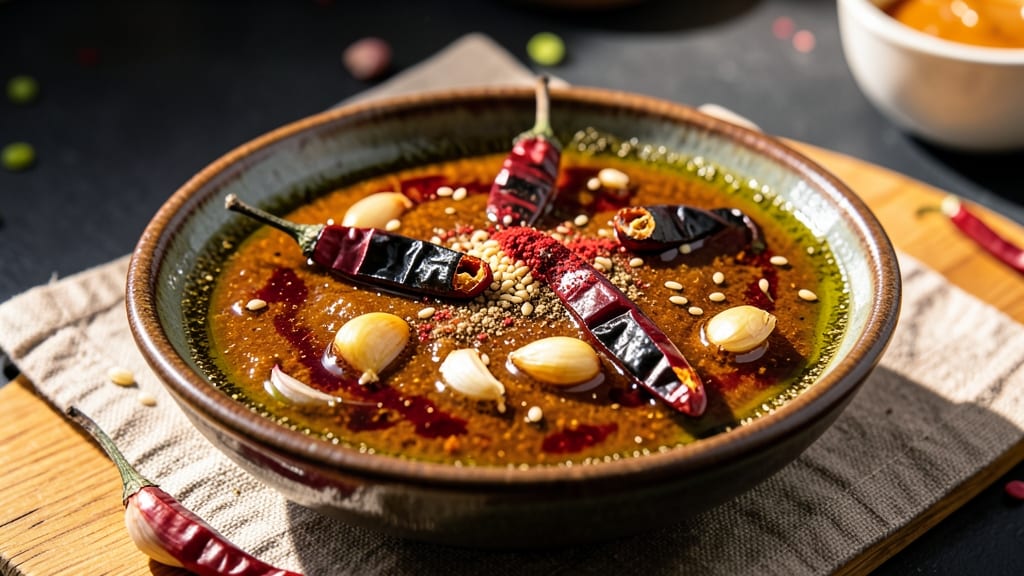
This Arab hot sauce recipe delivers the bold, smoky complexity of Middle Eastern flavors in just minutes—no fermentation required. The secret lies in balancing sumac's tart brightness with chili heat and earthy cumin, creating a sauce that's equally at home on grilled meats, falafel, or fresh bread.
What sets this apart is the dual-roast technique: garlic and spices develop deep, caramelized notes while preserving their freshness, unlike store-bought versions that often taste flat or overly sweet.
The foundation starts with red chili peppers (adjust for heat) and garlic, both roasted until fragrant and slightly charred—a critical step that transforms their flavors from sharp to rich and layered.
Sumac, a staple in Arab cuisine, adds that signature tangy depth, while a splash of apple cider vinegar ensures brightness without overpowering the chili's intensity. The sauce thickens naturally as it simmers, creating a velvety, clingy consistency that clings to every bite.
What you'll end up with is a versatile, restaurant-quality hot sauce that's smoky, tangy, and packed with heat—ready in 20 minutes with just 8 ingredients.
The heat level can be dialed up or down to taste, and it keeps for weeks in the fridge, making it perfect for stocking your pantry.
Whether you're drizzling it over shawarma, mixing into hummus, or using it as a marinade base, this sauce brings authentic Arab flavor to any dish.
For those who prefer a fermented version, I'll share a slow-build method in the variations section—it takes longer but develops even more complex, funky depth. The choice is yours: quick and vibrant, or deep and developed. Let's make this sauce.
Ingredients for arab hot sauce
Eight essential ingredients transform into a restaurant-quality Arab hot sauce with smoky, tangy complexity.
| Ingredient | Amount | Notes |
|---|---|---|
| Red Chili Peppers 🌶️ | ½ cup | Dried or fresh, seeds removed for less heat |
| Garlic Cloves 🧄 | 6 whole | Skin-on for deeper flavor, roasted whole |
| Ground Cumin 🌿 | 1 tbsp | Toasted for enhanced aroma |
| Sumac 🍃 | 2 tbsp | Finely ground for authentic tang |
| Apple Cider Vinegar 🍏 | ¼ cup | Unfiltered for maximum brightness |
| Extra-Virgin Olive Oil 🫒 | ¼ cup | High-quality for richness |
| Smoked Paprika 🌶️ | 1 tbsp | For smoky depth |
| Sea Salt 🧂 | ½ tsp | Diamond Crystal preferred |
The chili peppers and garlic are the flavor anchors—roast them whole in a dry skillet until fragrant and slightly charred. Middle Eastern markets often carry high-quality dried chilis like Aleppo or bird's eye, but any red chili will work. For garlic, Spanish or Italian varieties have the most robust flavor. Sumac, a citrusy spice essential to Arab cuisine, can be found in the international aisle or online—look for bright red, finely ground powder. The smoked paprika adds that signature smokiness without overpowering the chili's heat.
No sumac? Substitute lemon zest plus a pinch of turmeric for brightness, though it won't replicate the exact tang. Running short on chili peppers? Increase the smoked paprika to 1.5 tbsp and add 1 tsp cayenne for heat. The apple cider vinegar is non-negotiable for acidity—avoid white vinegar, as it lacks the fruity depth. For a smoother texture, blend the roasted garlic and chilis before adding to the sauce. The olive oil should be high-quality extra-virgin—cutting corners here results in a flat, greasy sauce.
Store the sauce in a sterilized glass jar with a tight seal to preserve its vibrant color and tang. Keeps for up to 2 weeks in the fridge, though the flavor deepens over time. For longer storage, freeze in 1-tbsp portions—perfect for drizzling on dishes as needed. The sauce thickens as it cools, so stir before each use. If it separates, simply whisk in a splash of warm water to restore its velvety consistency.
Why You'll Love This Recipe
- No-Fuss Blend: I swear by this—just blitz the peppers, garlic, and cumin in a food processor, then let the vinegar and sumac work their magic. No peeling, no straining, no fuss. Honestly, I’ve made it while scrolling through my phone.
- Tangy Heat Balance: That first bite? The sumac’s citrusy punch cuts through the smoky cumin and vinegar’s sharpness, while the peppers linger like a warm hug. It’s not just spicy—it’s layered, and I’ll fight anyone who says otherwise.
- Dresses Up Everything: Drizzle it on grilled chicken, toss it into hummus, or use it to wake up a simple salad. I’ve even dumped it into my morning yogurt when I’m feeling rebellious. (Yes, even on a Tuesday night.)
- Lasts for Months: A single batch keeps in the fridge for weeks, and if you bottle it in sterilized jars, it’ll outlast your pantry. Between us, I’ve had a jar sitting since last summer—still vibrant, still packing heat. Budget-friendly? More like steal.
Step-by-step instructions for Arab hot sauce
Transform simple ingredients into a complex, layered hot sauce with balanced heat and smoky depth.
Roast the Garlic and Chili Peppers for Deep Flavor
Preheat your oven to 400°F. Place the 6 whole garlic cloves (skin-on) and 0.5 cup red chili peppers (cut into ½-inch pieces if fresh) on a parchment-lined baking sheet. Drizzle lightly with 1 teaspoon of the extra-virgin olive oil to prevent sticking.
Roast for 20-25 minutes until the garlic turns golden brown and the chili peppers soften slightly. You'll smell an aromatic intensity—this is your cue that the flavors are developing. The skins should blister and darken, which enhances their natural sweetness and reduces acidity. Remove from the oven and let cool for 10 minutes before handling.
Toast the Spices for Enhanced Aroma
While the garlic and peppers cool, heat a dry skillet over medium heat. Add the 1 tablespoon ground cumin and 1 tablespoon smoked paprika, stirring constantly for 1-2 minutes until fragrant and slightly darkened. This toasting step intensifies their flavors and removes any raw bitterness.
Immediately transfer the toasted spices to a small bowl and set aside. The moment they start to smoke is your signal to remove them—over-toasting can make them bitter. This quick process creates a complex spice base that forms the foundation of your sauce's depth.
Blend the Roasted Components with Vinegar and Oil
In a high-speed blender, combine the cooled roasted garlic, chili peppers, toasted spices, 2 tablespoons sumac, 0.25 cup apple cider vinegar, 0.25 cup extra-virgin olive oil, and 0.5 teaspoon sea salt. Blend on high for 1-2 minutes until completely smooth, scraping down the sides as needed.
Here's the thing—sumac adds that signature tangy brightness, while the vinegar cuts through the richness of the olive oil. The blender should be running continuously to ensure even emulsification. If the mixture looks too thick, add 1-2 tablespoons water to reach a pourable consistency. The sauce should coat the back of a spoon with a silky texture.
Simmer and Reduce for Concentrated Flavor
Transfer the blended sauce to a small saucepan and bring to a gentle simmer over medium-low heat. Let it cook uncovered for 10-15 minutes, stirring occasionally, until reduced by about 25%. You'll notice the sauce thickens slightly and develops a glossy sheen—this indicates the flavors are concentrating.
Taste as you go: the heat should be balanced with the smoky, tangy notes. If it needs more depth, add a pinch of salt or a splash of vinegar. The sauce should finish with a complex interplay of heat, acidity, and umami—no single flavor should dominate. Remove from heat and let cool to room temperature before storing.
Strain and Bottle for Clarity and Shelf Life
Line a fine-mesh strainer with cheesecloth or a coffee filter and strain the sauce into a clean jar or bottle. This step removes any remaining bits of garlic skin or chili seeds, resulting in a smooth, professional finish. The strained sauce will have a vibrant red-orange hue with a glossy appearance.
Let the sauce sit at room temperature for 1 hour to allow any remaining moisture to evaporate. This resting period ensures the final product has optimal texture and shelf stability. Store in a sealed glass jar in the refrigerator for up to 3 months or process for canning if you prefer shelf-stable versions. The flavors will continue to meld and deepen over time.
Pro Tips For Making Arab Hot Sauce
- CHAR THE PEPPERS LOW: Don’t blast them on high heat—medium-low is where the magic happens. I learned this the hard way after turning my kitchen into a smoke-filled warzone; charring peppers too fast burns off their natural sweetness and depth, leaving you with bitter, acrid sauce. A gentle simmer for 10-12 minutes lets them soften and caramelize without sacrificing flavor.
- PEEL GARLIC FAST: Smash the garlic cloves with the flat side of your knife before peeling—it’s faster and keeps the skin intact. I used to waste time prying off peels one by one, but this trick saves minutes and ensures no stray skins sneak into your sauce. (Yes, even if you’re impatient like me.)
- STRAIN SUMAC FIRST: Sift the sumac through a fine-mesh sieve before adding it to the vinegar—this avoids clumps that turn your sauce grainy. I skipped this once and ended up with a lumpy batch that looked like someone dumped sand in there. A quick shake over a bowl takes 30 seconds and makes a real difference.
- VINEGAR LAST, NOT FIRST: Add the apple cider vinegar at the very end—it’s the acid that preserves the sauce, but tossing it in too early can dull the cumin’s warmth and the peppers’ brightness. I was skeptical until I tried it: the finish is sharper, and the flavors stay vibrant longer. (Your future self will thank you.)
Troubleshooting great arab hot sauce
Sauce Too Thin?
If your finished sauce is too runny, simmer it uncovered for an additional 5-10 minutes to reduce the liquid. Alternatively, whisk in 1 teaspoon of cornstarch mixed with 1 tablespoon water until thickened.
For a natural thickener, add 1 tablespoon of tomato paste and simmer for 5 minutes—this also enhances the umami depth. 🌡️
Heat Level Too Mild?
To intensify the heat, add ½ teaspoon of cayenne pepper or finely chopped fresh chili peppers (like habanero) to the blend before simmering. For a smoky kick without extra heat, increase the smoked paprika to 1.5 tablespoons during the toasting step.
Always taste as you go—adjust gradually to avoid overpowering the sauce.
Sauce Separated?
If the sauce separates after storing, whisk in 1-2 tablespoons of warm water or apple cider vinegar until smooth. For a more permanent fix, blend the separated sauce again with 1 teaspoon of olive oil to re-emulsify.
This happens when oil and vinegar aren’t properly balanced—next time, ensure the blender runs until completely smooth. ✨
Funky or Off Smell?
If your sauce develops an off odor (like sourness or fermentation), it may have gone bad. Discard it immediately—this can happen if stored at room temperature too long or if vinegar levels were insufficient.
To prevent this, always store in a sterilized glass jar in the fridge and use within 2 weeks. The vinegar acts as a natural preservative, but refrigeration is key.
Sumac Substitute Issues
If you substituted lemon zest for sumac, the sauce may lack depth. To compensate, add ½ teaspoon of ground coriander and ¼ teaspoon of turmeric for brightness and complexity.
Alternatively, increase the apple cider vinegar to ⅓ cup to boost acidity. Sumac’s tang is irreplaceable, but these tweaks help mimic its role in the flavor profile.
Oil Separation During Storage
To prevent oil from separating in the fridge, stir the sauce vigorously before each use. For a more stable emulsion, blend in 1 teaspoon of xanthan gum (a natural thickener) when first making the sauce.
This binds the oil and vinegar better, especially if you plan to store it long-term. A quick shake before use also works in a pinch! 💪
Nutrition facts
Frequently asked questions
Can I make this hot sauce without sumac?
Yes, but you'll need to adjust for the tangy brightness it provides. Use a mix of ½ teaspoon ground coriander and ¼ teaspoon turmeric for color and depth, then increase the apple cider vinegar to ⅓ cup to compensate. The sauce will still be flavorful but won't have that signature Middle Eastern tang.
How do I adjust the heat level?
For milder heat, remove the seeds and membranes from chili peppers before roasting. For extra spice, add ½ teaspoon cayenne pepper or finely chopped fresh chilis (like habanero) to the blend. Always taste as you go—you can't remove heat once it's added!
What's the best way to store leftover sauce?
Keep your sauce in a sterilized glass jar with a tight seal in the fridge for up to 3 months. The flavors actually improve over time! For longer storage, freeze in 1-tbsp portions—perfect for single-use applications. Always stir before using, as the oil may separate slightly.
Can I ferment this sauce instead of cooking it?
For a fermented version, blend all ingredients as directed, then transfer to a clean jar. Leave 1 inch of headspace and ferment at room temperature for 3-5 days before refrigerating. The heat will develop more complexity, but the tang will be stronger. Use a fermentation kit or airlock lid for safety.
What are the best dishes to use this sauce with?
This versatile sauce elevates grilled meats (like lamb or chicken), falafel, hummus, and fresh flatbreads. Try it as a marinade base for kebabs or drizzle over roasted vegetables. The smoky depth pairs beautifully with creamy dishes too—think tahini sauces or yogurt dips.