
Sauces & Condiments
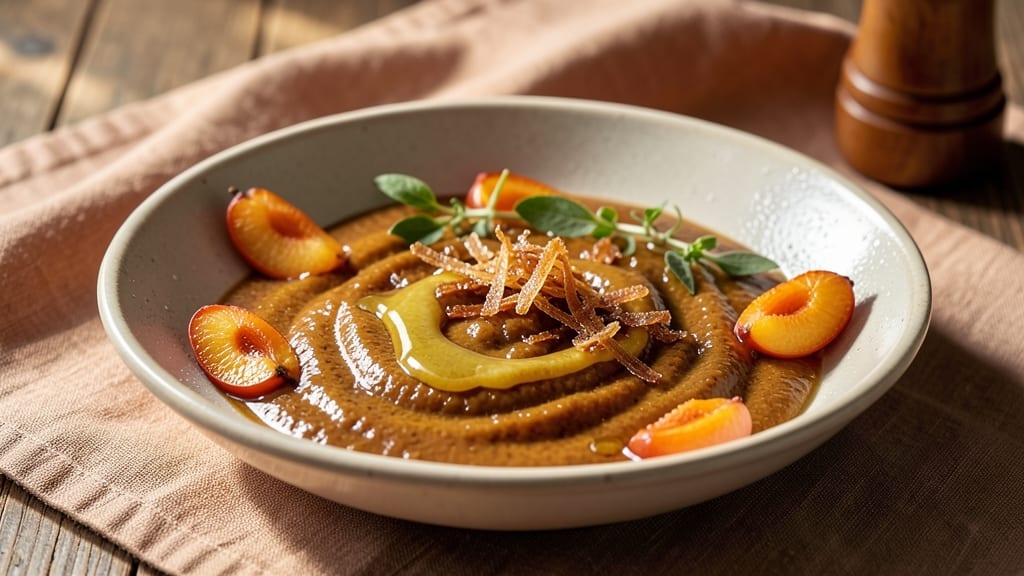
This apricot mustard sauce transforms grilled meats and cheese boards into something extraordinary with its perfect balance of sweet, tangy, and rich flavors.
The secret lies in simmering fresh apricots with Dijon mustard, vinegar, and a touch of honey until the sauce reaches that ideal consistency—smooth, glossy, and just thick enough to cling beautifully.
I developed this recipe after realizing how often store-bought sauces fell short of the depth and complexity I wanted in my dishes.
The process is straightforward but requires patience to achieve that signature harmony. You'll start with fresh apricots (or high-quality jam) and Dijon mustard as the base, then build flavor with apple cider vinegar and a hint of brown sugar.
The sauce should reduce until it coats the back of a spoon, creating a velvety texture that enhances rather than overpowers your dish. This isn't just a sauce—it's a flavor multiplier that elevates everything it touches.
What makes this sauce truly special is its versatility. Drizzle it over grilled chicken or pork to cut through richness, use it as a dip for crusty bread, or pair it with sharp cheeses on a charcuterie board.
The balance of sweet and tangy ensures it works equally well with savory dishes or even as a glaze for roasted vegetables. Once you taste the difference between this homemade version and store-bought alternatives, you'll never go back.
Ready in just 30 minutes with simple ingredients, this sauce keeps well in the refrigerator for up to two weeks, making it perfect for meal prep. The key is adjusting the sweetness and tang to your preference—add more honey for extra sweetness or a splash of vinegar for additional brightness.
Let's create a sauce that will become your new kitchen staple.
Ingredients for apricot mustard sauce
Nine simple ingredients create a sauce that’s sweet, tangy, and perfect for grilling.
| Ingredient | Amount | Notes |
|---|---|---|
| Fresh Apricots 🍑 | 1 lb | Pitted and sliced, skin removed |
| Dijon Mustard 🌿 | ½ cup | High-quality, smooth variety |
| Apple Cider Vinegar 🍎 | ¼ cup | Raw, unfiltered preferred |
| Honey 🍯 | ¼ cup | Wildflower or clover variety |
| Brown Sugar 🍚 | 2 tbsp | Light or dark preferred |
| Extra-Virgin Olive Oil 🫒 | ¼ cup | High-quality, fruity |
| Garlic Cloves 🧄 | 2 cloves | Minced for depth |
| Salt 🧂 | ½ tsp | Kosher or sea salt |
| Black Pepper 🌶️ | ¼ tsp | Freshly ground |
Fresh apricots make all the difference here—look for ripe but firm fruit at the store. Whole Foods or local farmers markets usually have the best quality, but regular grocery stores work too. If fresh apricots aren’t available, high-quality apricot jam (like Bonne Maman) is a great backup. The Dijon mustard should be smooth, not coarse—Maille is my go-to brand, but any good-quality one works. For the vinegar, raw, unfiltered apple cider vinegar adds complexity that pasteurized versions miss. The honey? Wildflower or clover gives the best flavor profile.
No fresh apricots? Substitute with 1/2 cup apricot jam—just reduce the honey to 2 tablespoons. Running low on Dijon? Whole-grain mustard thinned with water works in a pinch, but the texture won’t be as smooth. Skip the honey? Add an extra tablespoon of brown sugar for sweetness. The olive oil is non-negotiable—use extra-virgin for richness. If you’re sensitive to garlic, reduce to 1 clove or omit entirely. The sauce should coat the back of a spoon when done—if it’s too thick, add a splash of water or vinegar; if too thin, simmer longer. Trust your taste buds here, and adjust as you go.
This sauce keeps beautifully in an airtight jar in the fridge for up to 2 weeks. For longer storage, freeze in ice cube trays—perfect for single-use portions. Reheat gently on the stove or microwave until warm. I always make extra because it disappears fast—grilled chicken, pork chops, or even roasted veggies all benefit from this bright, balanced sauce. If you’re prepping for a crowd, double the recipe—it’s that good.
Why You'll Love This Recipe
- No Pitting Required: I’ll admit—peeling and pitting apricots used to stress me out. But this sauce? Just toss them whole into the pan, let them simmer until they burst open like little flavor bombs. The skins dissolve into the sauce anyway, so no fuss, no wasted effort.
- Sweet-Tangy Magic: That first bite of honeyed apricot meets the sharp kick of Dijon and vinegar—it’s like summer in a spoonful. The brown sugar deepens the richness without overpowering, and honestly? It’s the kind of balance that makes you reach for the jar again before you even put it down.
- Glazes Everything: Grilled chicken? Check. Roasted pork? Done. Even plain toast or yogurt gets a gourmet upgrade. I keep a small batch in the fridge and drizzle it on anything that feels boring—it’s my secret weapon for turning simple meals into something special.
- Makes Leftovers Taste New: A batch of this sauce lasts a week, and it only gets better as the flavors meld. I’ll use half on dinner one night, then thin the rest with a splash of water for a quick breakfast dip the next morning. No waste, no regret—just pure, flexible deliciousness.
Step-by-step instructions for apricot mustard sauce
Here's how to balance sweet and tangy flavors perfectly—simple steps for a sauce that elevates any grilled dish.
Prepare the Apricots for Cooking
Start by pitting the 1 lb fresh apricots and slicing them into ¼-inch thick pieces, removing any remaining skin. The goal is to create a smooth, jam-like consistency, so don't worry about perfect uniformity—just aim for even-sized slices that will cook at the same rate. Place the sliced apricots in a medium saucepan and add the 0.25 cup apple cider vinegar and 2 tbsp brown sugar. Stir gently to combine, then bring the mixture to a gentle simmer over medium heat.
Let the apricots cook for 10-12 minutes, stirring occasionally, until they begin to soften and release their juices. You'll notice the mixture darkening slightly and developing a fragrant, fruity aroma. This is where the natural sweetness of the apricots starts to meld with the tangy vinegar, creating the foundation of your sauce. Keep an eye on the pan—you want the apricots to break down but not burn, so maintain a steady simmer throughout this step.
Simmer and Thicken the Base
Once the apricots are tender, reduce the heat to low and stir in the 0.5 cup Dijon mustard and 0.25 cup honey. The Dijon mustard will add depth and a subtle sharpness, while the honey rounds out the flavors and helps thicken the sauce. Let the mixture simmer for another 8-10 minutes, stirring frequently, until it begins to thicken into a jam-like consistency. You're aiming for a sauce that coats the back of a spoon but isn't overly stiff—it should still be smooth and pourable.
If the sauce thickens too quickly, add 1-2 tablespoons of water to loosen it. The key here is balance: the sauce should be rich enough to cling to grilled meats or vegetables but still flow easily. Taste as you go—this is where you can adjust the sweetness or tanginess. If it needs more brightness, add a splash of the apple cider vinegar; if it needs more depth, stir in a touch of honey. This is your chance to fine-tune the flavors to your liking.
Finish with Garlic and Seasonings
With the sauce thickened and balanced, reduce the heat to low and stir in the 2 minced garlic cloves, 0.25 cup extra-virgin olive oil, 0.5 tsp salt, and 0.25 tsp black pepper. The garlic will add a subtle, aromatic punch, while the olive oil ties everything together, giving the sauce a silky texture. Let the mixture simmer for 2-3 minutes more, just until the garlic is fragrant and the flavors have fully melded. The sauce should now be glossy, smooth, and ready to elevate any dish.
For the best results, remove the sauce from heat and let it cool slightly before serving. This resting period allows the flavors to settle and the texture to thicken just a bit more. If you're using it immediately, give it a final taste and adjust the seasoning one last time. The sauce should be a harmonious blend of sweet, tangy, and savory notes—perfect for drizzling over grilled chicken, pork, or even roasted vegetables.
Store or Use Immediately
If you're not using the sauce right away, transfer it to an airtight container and refrigerate for up to 5 days. The flavors will continue to develop over time, becoming even more complex. When you're ready to use it, simply reheat it gently in a saucepan over low heat, stirring occasionally, until warmed through. Avoid boiling, as this can make the sauce too thin or alter its delicate balance of flavors.
This apricot mustard sauce is incredibly versatile—drizzle it over grilled meats, use it as a dip for crusty bread, or even toss it with cooked grains like quinoa or couscous. The combination of sweet, tangy, and savory notes makes it a crowd-pleaser, and the process is straightforward once you get the hang of it. Enjoy the fruits of your labor with every bite!
Pro Tips For Making Apricot Mustard Sauce
- PEEL THE APRICOTS FIRST: Skip the pit-pulling struggle—peel them before cutting. The skin’s tough and bitter, and you’ll end up with more mess (and maybe a trip to urgent care) if you try to peel after pitting. A paring knife works, but a vegetable peeler is faster—just be careful near the stem.
- SIMMER LOW AND SLOW: This sauce isn’t a race. After adding vinegar and sugar, keep the heat at a gentle simmer (small bubbles, not rolling). Rushed cooking turns the mustard sharp and the apricots mealy. I learned this the hard way—my first batch tasted like vinegar had taken over.
- STRAIN THE PITS: Even if you pit carefully, tiny bits sneak into the sauce. Strain through a fine-mesh sieve after cooking to avoid gritty texture. (Yes, it’s extra work, but your teeth will thank you—trust me.)
- SWAP GRANULATED FOR BROWN: Brown sugar’s molasses depth cuts through the mustard’s tang better than white. If you’re in a pinch, use 1:1 granulated sugar, but add ½ teaspoon molasses or a splash of dark corn syrup to mimic the flavor. The difference is subtle but noticeable.
Regional styles of apricot mustard sauce
French Bistro Twist
In French bistros, this sauce often gets a touch of herbs de Provence—about 1 tsp—to complement grilled lamb or duck. I like adding 1 tsp fresh thyme and 1 tsp rosemary at the end for an aromatic depth.
The French also prefer using white wine vinegar instead of apple cider for a brighter acidity. Serve with crusty baguette or over seared duck breast for an authentic bistro experience. 🍷
Southern U.S. Barbecue Style
Down South, this sauce becomes a glaze for pulled pork or ribs, where the sweetness balances the smoky flavors. Add 1 tbsp smoked paprika and 1 tsp cayenne pepper during the final simmer for heat.
I’ve seen it used as a dipping sauce for fried chicken, too—just thin it with a splash of hot sauce before serving. The Southern approach leans heavier on the mustard, so I’d increase to ⅔ cup Dijon for extra tang. 🌶️
Mediterranean Olive Oil Focus
In Mediterranean cuisines, this sauce often stars extra-virgin olive oil as the star—some versions use up to ½ cup for a richer texture. Add 1 tsp dried oregano and zest of 1 lemon to brighten the flavors.
Drizzle it over grilled halloumi cheese or roasted eggplant for a vegetarian twist. The Mediterranean approach also favors dried apricots (soaked in warm water for 30 minutes) instead of fresh for a deeper fruit concentration. 🫒
Modern Fusion Variations
For a fusion twist, try adding 1 tbsp soy sauce and 1 tsp grated ginger for an Asian-inspired version—perfect over grilled teriyaki chicken. Or blend in ½ cup Greek yogurt for a tangy, creamy sauce that works beautifully with shawarma or kebabs.
I’ve also seen it spiked with 1 tsp chili crisp for a sweet-spicy kick, ideal for spicy grilled shrimp. The possibilities are endless when you experiment! ✨
German Mustard Adaptation
German cuisine often uses whole-grain mustard instead of Dijon, creating a heartier texture. For this regional style, replace the Dijon with ½ cup whole-grain mustard and add 1 tsp caraway seeds during the final simmer.
This version pairs perfectly with bratwurst or pretzels, offering a bold, earthy contrast to the sweet apricot. The caraway adds a unique aromatic note that’s quintessentially German. 🥨
Nutrition facts
Frequently asked questions
Can I use dried apricots instead of fresh?
For 1 lb fresh apricots, substitute with ½ cup dried apricots (chopped) that you've soaked in warm water for 30 minutes to rehydrate. Drain well before using, then proceed with the recipe. The texture will be slightly thicker, so you may need to add 1-2 tablespoons of water during simmering to reach the ideal consistency.
How do I adjust the sweetness or tanginess? Start by tasting the sauce after the 8-10 minute simmer with Dijon and honey. For more sweetness, add 1 tsp honey or brown sugar at a time. Need extra tang? Stir in ½ tsp apple cider vinegar or a pinch of Dijon mustard.
Can I make this sauce ahead of time?
Yes, this sauce actually tastes better when made ahead! Store it in an airtight container in the fridge for up to 2 weeks. The flavors meld beautifully over time. When ready to use, simply reheat gently on the stove over low heat, stirring occasionally until warmed through. Avoid microwaving to prevent skin formation.
What's the best way to thin or thicken the sauce?
For a thinner consistency, add 1-2 tablespoons of water or vinegar while simmering. To thicken, simmer uncovered for 2-3 extra minutes or stir in ½ tsp cornstarch mixed with 1 tsp water. The ideal texture should coat the back of a spoon but still be pourable. Test on a small piece of your main dish before serving.
Is this sauce gluten-free?
Only if your Dijon mustard is gluten-free! Most commercial Dijon contains wheat. For a safe version, use a certified gluten-free Dijon mustard (like Annie's or Whole Foods 365). All other ingredients in this recipe are naturally gluten-free. Always check labels, as mustard is the only potential gluten source here.