
Sauces & Condiments
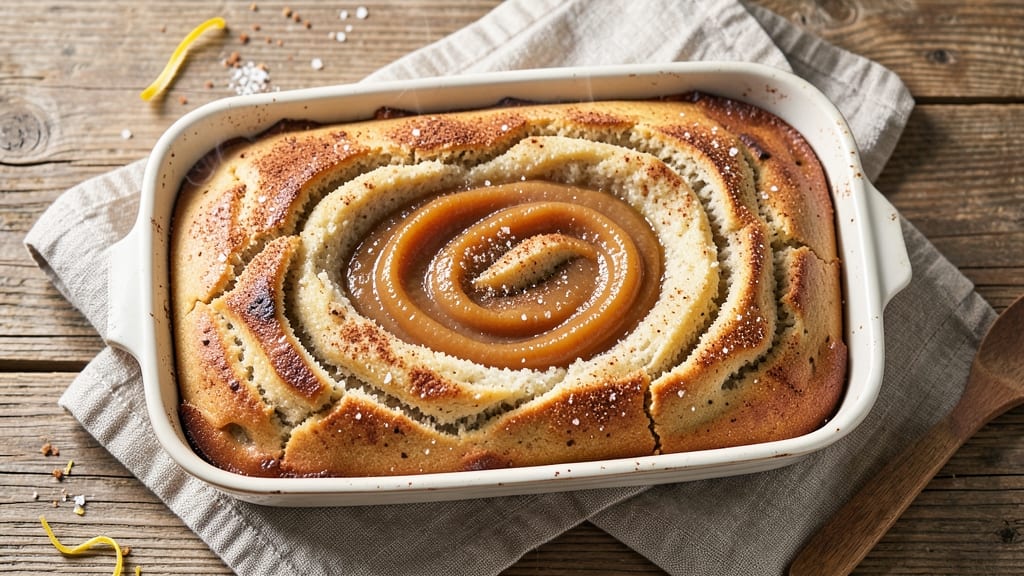
Paula Deen’s applesauce bread delivers that signature Southern comfort—moist, spiced, and crowned with a golden, buttery crust that cracks just enough to reveal tender layers beneath.
This recipe captures her signature touch: a balance of warm cinnamon and nutmeg that lingers with every bite, while unsweetened applesauce keeps the crumb impossibly tender without added fat. The secret? A slow bake at 350°F that ensures even moisture from edge to center.
What sets this bread apart is its versatility—perfect for toast with jam, French toast drizzled in syrup, or simply slathered with butter straight from the oven. The dough comes together in 10 minutes of mixing, then rests while you prep the pan for that signature crackly top.
Paula Deen’s method skips heavy sugar, relying instead on the natural sweetness of the applesauce and a pinch of salt to enhance every spice.
By the time it emerges from the oven, you’ll have a loaf with a crisp exterior and a soft, pillowy interior—the kind that disappears faster than you can slice it.
The aroma alone will have everyone gathering in the kitchen, and the texture? Dense yet airy, with flecks of cinnamon that add warmth to every bite. This isn’t just bread; it’s a centerpiece for breakfast or dessert.
For extra indulgence, fold in chopped pecans or walnuts into the dough, or brush the crust with melted butter before baking for deeper flavor. Serve warm with honey butter or save slices for sandwiches—this recipe does it all. Let’s get baking!
Ingredients for applesauce bread recipe paula deen
Paula Deen’s signature blend of applesauce, warm spices, and buttery richness—just 12 ingredients for a loaf that’s crisp outside, tender inside.
| Ingredient | Amount | Notes |
|---|---|---|
| Unsweetened Applesauce 🍎 | 1 cup | Unsweetened for natural sweetness |
| All-Purpose Flour 🌾 | 4 cups | Sifted for light texture |
| Granulated Sugar 🍚 | ½ cup | Balances applesauce sweetness |
| Instant Yeast 🍞 | 2 tsp | Ensures reliable rise |
| Salt 🧂 | 1 tsp | Diamond Crystal preferred |
| Ground Cinnamon 🌶️ | 2 tsp | Freshly ground for warmth |
| Ground Nutmeg 🌶️ | ½ tsp | Freshly grated preferred |
| Large Egg 🥚 | 1 whole | Room temperature for even mixing |
| Unsalted Butter 🧈 | ½ cup | Cold, cubed for dough tenderness |
| Whole Milk 🥛 | ½ cup | Warmed slightly for activation |
| Granulated Sugar 🍚 | ¼ cup | For crust brushing |
| Melted Unsalted Butter 🧈 | 2 tbsp | For final crust enhancement |
The applesauce is non-negotiable here—unsweetened is key to avoid an overly dense crumb. Mott’s or Store brand work fine, but avoid anything with added sugar. For the flour, King Arthur or Gold Medal brands deliver consistent results, and sifting it removes lumps that can create a tougher texture. The cinnamon and nutmeg? Penzeys or bulk bins at Whole Foods have the most vibrant flavors, but don’t stress if you’ve got the basics. The yeast should be fresh—if it’s older than six months, it might not activate properly, leading to a flat loaf.
No applesauce? Pumpkin puree at the same amount works surprisingly well, though the flavor will shift slightly. Short on butter? Coconut oil at half the quantity keeps the dough workable, though texture will be marginally less tender. The milk can be swapped for plant-based milk like oat or almond, but whole milk gives the best rise. For the crust sugar, turbinado sugar creates a deeper caramelization, but regular granulated works fine. If you’re feeling fancy, fold in chopped pecans or walnuts into the dough for extra crunch—Paula Deen herself might do this for a special occasion loaf.
This dough is best made fresh, but you can prep it up to 24 hours ahead—just let it rise overnight in the fridge. Shape the loaf in a 9x5-inch loaf pan, then brush the crust with the butter-sugar mix right before baking. The bread keeps well for 3 days at room temperature, wrapped in a clean kitchen towel, or 1 week refrigerated. For longer storage, slice and freeze portions—just thaw at room temperature for the best texture. The aroma alone will wake up your kitchen, so plan accordingly.
Why You'll Love This Recipe
- No Mixer Needed: I swear by this recipe when I’m too tired to knead. Just dump the flour, applesauce, and sugar into a bowl, stir until it holds together—no stand mixer, no fuss. The applesauce does all the heavy lifting, keeping it tender without the elbow grease.
- Sweet-Spiced Magic: That first bite? Warm, buttery, with just enough caramelized sugar from the applesauce to make it taste like a bakery treat. Honestly, the yeast and sugar combo gives it this subtle depth—like a cinnamon roll’s sophisticated cousin.
- Breakfast or Snack: I make a batch on Sundays and slice it for toast in the morning or pack it for lunches. The kids grab it after school, and it’s still soft enough to eat cold—no reheating required. (Yes, even on a Tuesday night.)
- Budget-Friendly Staple: Applesauce stretches the dough, so I use half the flour I normally would. A loaf costs me pennies but feels like a splurge. Plus, it keeps for days, so I’m not scrambling to bake something fresh every morning.
Step-by-step instructions for Paula Deen's applesauce bread
Here's how to create that signature Paula Deen spiced bread with a moist crumb and golden crust.
Mix the Wet Ingredients
In a large mixing bowl, combine the 1 cup unsweetened applesauce, 0.5 cup granulated sugar, 1 whole large egg, and 0.5 cup whole milk. Stir until fully blended, creating a smooth, slightly thick mixture. The applesauce will add natural sweetness and moisture while keeping the bread tender.
In a separate small bowl, warm the 0.5 cup whole milk to about 110°F (just warm to the touch) to help activate the yeast. This step ensures your bread rises properly. The warm milk should feel pleasant but not hot to your wrist—too hot will kill the yeast.
Combine Dry Ingredients and Yeast
In the same large bowl, add the 4 cups all-purpose flour, 2 tsp instant yeast, 1 tsp salt, 2 tsp ground cinnamon, and 0.5 tsp ground nutmeg. Sift the flour first to remove lumps, then whisk all dry ingredients together. This ensures even distribution of spices and prevents pockets of unmixed flour.
Make a well in the center of the dry ingredients and pour in the wet mixture. Using a wooden spoon or dough whisk, gently combine everything until a shaggy dough forms. Avoid overmixing at this stage—just until the ingredients come together. The dough will be sticky, which is normal with applesauce.
Knead and Add Butter
Turn the dough onto a lightly floured surface and knead for about 5 minutes until smooth and elastic. Add the 0.5 cup cold unsalted butter, cut into cubes, and work it into the dough by hand or with a dough hook attachment on low speed. The butter should be fully incorporated but still visible in small pieces.
This butter will create that signature flaky, buttery crust Paula Deen is known for. If the dough feels too sticky, wet your hands slightly while kneading—this prevents flour from drying it out. The dough should be soft but not wet, and should spring back slowly when pressed.
First Rise and Shape
Place the dough in a lightly greased bowl, cover with a damp towel, and let rise in a warm place for about 1 to 1.5 hours, or until doubled in size. A warm oven with the light on works well for this. The dough should puff noticeably and feel light when pressed gently with one finger.
Once risen, punch down the dough to release air bubbles, then shape it into a loaf by folding the edges toward the center and sealing the seam. Place it in a greased 9x5-inch loaf pan, seam-side down. This shaping helps create that classic Paula Deen bread shape with a rounded top.
Second Rise and Bake
Cover the loaf pan again and let the dough rise for another 30 to 45 minutes until it reaches the top of the pan. Preheat your oven to 350°F while the bread rises. Brush the top of the loaf with a mixture of 0.25 cup granulated sugar and 2 tbsp melted unsalted butter for that signature golden crust.
Bake for 50 to 60 minutes until the top is golden brown and the internal temperature reaches 190°F. Tap the bottom of the loaf—it should sound hollow. Let cool in the pan for 10 minutes before transferring to a wire rack. This cooling period prevents the bread from collapsing.
Final Touches
While the bread cools, make a simple glaze by mixing 1 tbsp melted butter with 1 tbsp milk. Brush this glaze over the top of the warm bread for extra shine and tenderness. Slice when completely cool—this ensures clean cuts and prevents a gummy texture.
The finished bread should have a moist, tender crumb with warm cinnamon and nutmeg flavors, and a buttery, crackly crust. Each slice should be soft enough to cut with ease but hold its shape. This bread tastes best fresh but can be wrapped and stored at room temperature for up to 3 days or frozen for longer storage.
Pro Tips For Making Applesauce Bread Recipe Paula Deen
- STIR THE YEAST FIRST: Mix the yeast with the warm applesauce before adding dry ingredients—this guarantees it activates fully. I learned this the hard way after a batch sat too long with cold yeast hiding in the flour. The dough will rise faster and smell like a bakery if you do this step right.
- USE COLD BUTTER: Cut that butter into the flour until it’s pea-sized, not melted—this keeps the bread tender without making it greasy. My first try was lazy, and the result was a dense brick. Cold butter = flaky layers, even in applesauce bread.
- DON’T OVERMIX THE DOUGH: Stop folding the flour in when it just comes together—overworking it makes the bread tough. I used to knead like I was punishing the dough, but Paula Deen’s version relies on a gentle hand. Think "coax," not "force."
- LET IT RISE TWICE: The first rise is obvious, but the second one after shaping is where magic happens—give it 30–45 minutes until puffy. Skipping this step gives you a flat, sad loaf. (Yes, even if you’re impatient like me.)
Pro cooking tips for this recipe
Butter Matters
Paula Deen’s signature buttery crust starts with cold, cubed unsalted butter—never melted. Cut the ½ cup butter into small cubes and work it into the dough by hand or with a dough hook on low speed.
This creates pockets of fat that render during baking, producing that signature flaky, golden top. I like to use Plugrá or Land O’Lakes for consistent results—both have high fat content for maximum flavor. 🧈
Yeast Activation
Warm the ½ cup whole milk to 110°F (just warm to the touch) before mixing with yeast. This activates the yeast faster than room-temperature milk. Too hot (120°F+) kills yeast, while too cold (85°F) slows fermentation.
I test temperature with a kitchen thermometer—no guesswork! If your yeast doesn’t foam within 5 minutes, it’s dead, and you’ll need to start over. 🌡️
Dough Consistency
The dough will be sticky but manageable—don’t panic! Wet your hands slightly when kneading to prevent sticking. If it feels too wet, add 1 tbsp flour at a time until it holds together.
Over-flouring toughens the bread, so aim for a dough that springs back slowly when pressed. Think of it like a soft cookie dough—just slightly tacky. 💪
Pan Prep
Grease your 9x5-inch loaf pan generously with butter or oil, then dust with flour. Tap out excess flour—too much creates a dry crust. I like to use a pastry brush for even coating.
For extra Paula Deen flair, sprinkle a thin layer of turbinado sugar in the bottom before adding dough. This caramelizes during baking for a sweet, crunchy base. ✨
Rise Time
Don’t rush the 1–1.5 hour first rise—this builds flavor and structure. Place the dough in a warm spot (I use my oven with the light on). It should double in size and feel light when pressed.
If your kitchen is cold, try a proofing box or microwave a bowl of hot water nearby to create a warm environment. Patience here prevents a dense loaf. ⏰
Crust Trick
Before baking, brush the dough with a mix of ¼ cup sugar + 2 tbsp melted butter. This creates a crackly, caramelized crust that’s irresistible. For extra shine, add 1 tsp milk to the glaze.
I like to bake the bread until the internal temp hits 190°F—this ensures a moist crumb. Let it cool in the pan for 10 minutes before transferring to avoid collapse. 🔥
Nutrition facts
Frequently asked questions
Can I substitute applesauce in this recipe?
Yes, but the flavor and texture will change. For a similar moist texture, use 1 cup pumpkin puree instead. If you need to reduce sweetness, add 1-2 tbsp less sugar. Avoid substitutes like yogurt or sour cream—they can make the bread too dense or tangy.
Why did my bread turn out dense instead of tender?
Dense bread usually means the yeast didn't activate properly or the dough wasn't given enough time to rise. Always warm your milk to 110°F to activate yeast, and let the dough rise until it doubles in size (about 1-1.5 hours). Overmixing or adding too much flour can also make the bread tough.
How do I make this bread without a loaf pan?
Shape the dough into a round or oval loaf on a parchment-lined baking sheet. Brush with the butter-sugar mix and bake at 350°F for 45-55 minutes, checking for doneness at 40 minutes. The crust may be less crackly, but the interior will still be moist. For extra flair, bake on a pizza stone for a crispier crust.
Can I add nuts or chocolate chips to this recipe?
Fold in 1 cup chopped pecans or walnuts for crunch, or ½ cup mini chocolate chips for sweetness. Add them to the dough after kneading but before the first rise. For best results, toast the nuts first to enhance their flavor. Paula Deen might add pecans for a festive touch!
How long does this bread keep, and can I freeze it?
Wrap cooled slices in plastic wrap and store at room temperature for 3 days, or refrigerate for 1 week. For longer storage, freeze slices individually for up to 3 months. Thaw at room temperature for best texture—microwaving can make it gummy. The crust stays crisp even after freezing!