
Sauces & Condiments
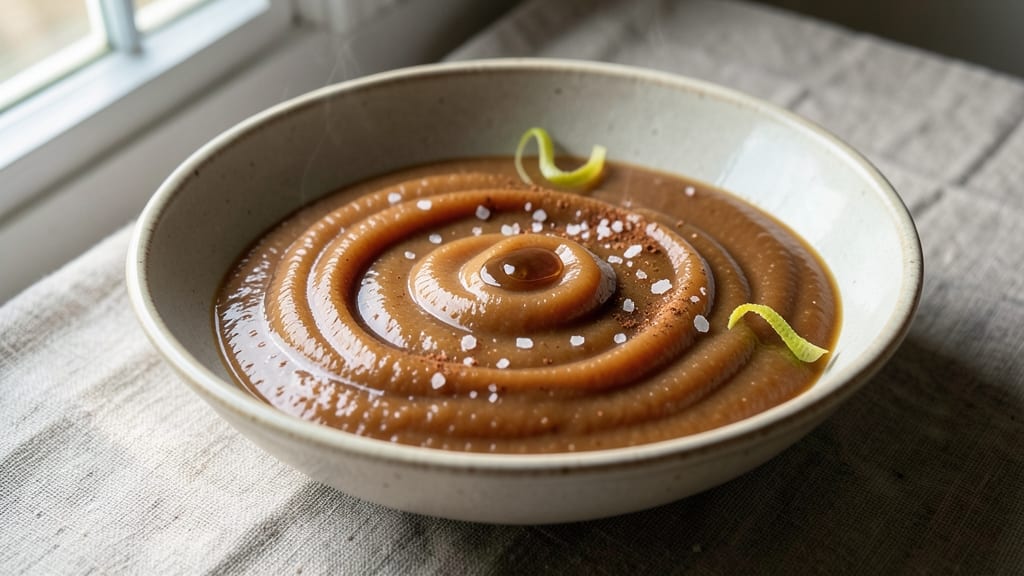
This low-sugar apple sauce recipe delivers all the cozy comfort of classic applesauce without the refined sugar overload. The secret lies in perfectly ripe apples, a touch of cinnamon, and just enough natural sweetness to satisfy cravings while keeping sugar levels in check.
I developed this version after realizing most store-bought options hide added sugars behind "natural flavors"—this one cuts through that with simple, whole-food ingredients.
The process couldn't be simpler: peeled apples simmer until tender, then blend until smooth or leave slightly chunky for texture. A pinch of cinnamon and a splash of lemon juice enhance the natural sweetness without needing artificial sweeteners.
What you'll end up with is a velvety, aromatic sauce that pairs beautifully with oatmeal, yogurt, or even as a topping for baked goods.
What makes this recipe stand out is its versatility—use it as a sugar-free spread, blend it into smoothies, or serve it warm with a sprinkle of nutmeg. The natural sweetness comes from the apples themselves, so you control the sugar content completely.
This isn't just another applesauce; it's a healthier, more intentional version that tastes just as comforting.
Storage is effortless: refrigerate for up to a week or freeze for months, making it perfect for meal prep. For extra flavor, try adding vanilla extract or a dash of ginger. Let's create this simple, satisfying sauce that keeps your sweet tooth happy without the sugar crash.
Ingredients for apple sauce recipe low sugar
Seven simple ingredients for applesauce that tastes like fall in every bite.
| Ingredient | Amount | Notes |
|---|---|---|
| Apples (Honeycrisp or Fuji) 🍎 | 4 medium | Peeled and cored |
| Water 💧 | ½ cup | Or apple juice for extra flavor |
| Cinnamon 🌿 | ½ tsp | Ground for warmth |
| Lemon Juice 🍋 | 1 tbsp | Freshly squeezed |
| Vanilla Extract 🍯 | ½ tsp | Optional for depth |
| Pinch of Salt 🧂 | ⅛ tsp | Enhances natural sweetness |
| Ginger (fresh, optional) 🌿 | ½ tsp | Grated for zing |
The apples are everything. Honeycrisp or Fuji are your best bets—they're sweet enough to stand alone without sugar. Trader Joe's and Whole Foods usually carry these varieties, but any crisp apple works. Skip the red delicious though; they're too mealy. Look for apples that yield slightly to gentle pressure, but aren't mushy. If you're using organic, no need to peel—just give them a good scrub. For a bigger batch, Costco sells pre-washed apples in bulk, which saves time. The cinnamon? Penzeys or the bulk bins at natural grocery stores have the freshest ground cinnamon—avoid the dusty stuff that's been sitting on shelves for months.
No vanilla extract? Vanilla bean paste works too, or skip it entirely—it's not mandatory. Running low on lemon juice? Lime juice works at the same amount. Want to skip the ginger? A pinch of cardamom adds a different cozy note. For extra richness, swap half the water for unsweetened apple juice. The salt might seem negligible, but trust me—it balances the natural sweetness and makes the flavors pop. If you're making this for kids, you can reduce the cinnamon to a quarter teaspoon—it's still plenty flavorful. And if you're feeling fancy, a sprinkle of nutmeg at the end adds that bakery-style warmth.
This sauce keeps beautifully—1 week in the fridge or 6 months in the freezer. For freezing, portion into ice cube trays first, then transfer to a bag. That way you can grab just what you need without thawing the whole batch. The texture changes slightly when reheated, but it's still delicious. I like to keep a jar in the fridge for quick oatmeal topping and freeze the rest. If you make a big batch, glass jars with tight lids are best for storage—they won't absorb flavors like plastic. And if you're feeling ambitious, try adding a splash of almond milk when reheating for a creamy twist.
Why You'll Love This Recipe
- No Chopping Hassle: I slice the apples in half, core them, and toss them straight into the pot—no peeling, no fuss. The peels add subtle texture, and Honeycrisp or Fuji hold up perfectly without turning to mush.
- Warm Spice Magic: That first whiff of cinnamon and vanilla simmering with lemon juice? It’s like autumn in a bowl. The acidity brightens the apples while the spices make it taste like a hug—naturally sweet without added sugar.
- Everyday Hero: Spread it on toast, stir it into oatmeal, or dollop it over yogurt—it’s my go-to for breakfast, snacks, or even a quick dessert. The lemon keeps it fresh, so it doesn’t go stale in the fridge for days.
- Budget-Friendly Staple: Apples are cheap in season, and this recipe stretches them further than pie filling ever could. A single batch feeds my family for days, and the cinnamon and vanilla make it feel special without costing extra.
Step-by-step instructions for low-sugar apple sauce
Here's how to make naturally sweet, lightly spiced apple sauce with just a few simple ingredients.
Peel, Core, and Chop the Apples
Start by peeling and coring the 4 medium Apples (Honeycrisp or Fuji) using a vegetable peeler and a small paring knife. Cut each apple into quarters and then slice them into roughly ½-inch thick pieces. I like to keep the slices fairly uniform so they cook evenly.
Place the sliced apples in a large bowl and toss them with the 1 tablespoon Lemon Juice right away. This prevents browning and helps preserve their natural sweetness. If you're using the optional ½ teaspoon grated fresh ginger, add it now and mix well to distribute those zesty notes throughout.
Simmer the Apples Until Tender
Transfer the apple slices to a medium saucepan along with the ½ cup Water. Bring the mixture to a gentle boil over medium-high heat, then immediately reduce the heat to medium-low. Let the apples simmer uncovered for 12-15 minutes until they're fork-tender but still hold their shape.
You'll know they're ready when a knife slides in easily but the apples don't fall apart completely. Stir occasionally to prevent sticking, and if the water level gets too low, add a splash more water. The goal is to cook down the apples until they release their natural juices and soften just enough to blend smoothly.
Season and Finish the Sauce
Once the apples are tender, stir in the ½ teaspoon Cinnamon and ½ teaspoon Vanilla Extract. Add the ¼ teaspoon Pinch of Salt and give everything a good mix. The cinnamon will warm up beautifully, while the salt enhances the natural sweetness of the apples.
Let the sauce simmer for another 5 minutes to meld all the flavors together. Taste and adjust the seasoning if needed—you might want to add a bit more cinnamon or a splash of lemon juice for brightness. The sauce should be naturally sweet but not overly so, with just a hint of spice.
Blend or Mash to Desired Texture
For a smooth sauce, use an immersion blender right in the saucepan to puree until completely smooth. If you prefer a chunkier texture, simply mash the apples with a potato masher or fork until you reach your desired consistency. I like to leave mine slightly rustic with some texture.
If the sauce is too thick, stir in a bit more water or apple juice to reach your preferred consistency. Transfer the finished apple sauce to a clean jar or bowl and let it cool to room temperature before storing. This low-sugar version keeps beautifully in the fridge for up to 1 week or can be frozen for 3 months.
Pro Tips For Making Apple Sauce Recipe Low Sugar
- PEEL THE APPLES: Skip the peeler—it leaves behind uneven patches and takes forever. Instead, use a sharp paring knife to slice off the skin in one smooth motion, starting at the stem and working your way down. You’ll get cleaner cuts and save time, especially when dealing with Honeycrisp’s thick skin.
- USE A LITTLE LEMON: That splash of lemon juice isn’t just for flavor—it keeps the sauce from turning muddy brown while cooking. Add it right when the apples hit the pot, and don’t skimp: a full tablespoon (or more if you’re using extra-tart apples) makes a real difference.
- STIR IN THE CINNAMON LAST: I learned this the hard way—adding cinnamon early burns it faster than you’d think. Wait until the apples are soft and just starting to break down, then stir it in. This way, you get warm, aromatic spices without that bitter, overcooked taste.
- MASH WHILE STILL HOT: Let the sauce sit off the heat for 2–3 minutes after cooking—this helps the apples release their starches naturally. Then mash with a potato masher or fork while it’s still hot (yes, even if you’re impatient like me). You’ll get a smoother texture with less effort than forcing it cold.
Best sauces and condiments for this recipe
Cinnamon-Infused Sweetness
Ground cinnamon is the star of this low-sugar apple sauce, bringing warmth without needing extra sweetness. Use Penzeys or McCormick ground cinnamon for the freshest flavor—avoid pre-ground sticks that lose potency. For a deeper spice profile, add ¼ teaspoon cardamom or ½ teaspoon nutmeg alongside the cinnamon.
If you're feeling adventurous, a pinch of cayenne pepper adds subtle heat that balances the sweetness beautifully. 🌿
Lemon Brightness Boost
Fresh lemon juice isn’t just for acidity—it enhances the apples’ natural sweetness and prevents browning. Use organic lemons for the best flavor, or swap for lime juice at the same amount. For extra zing, add ½ teaspoon grated lemon zest with the juice.
If you’re short on time, bottled lemon juice works, but fresh is always better. A splash of lemon juice also helps balance any tartness in underripe apples.
Vanilla Depth Enhancer
Vanilla extract adds a subtle complexity that makes this sauce feel like a gourmet treat. Use pure vanilla extract (not imitation) for the best results. For a budget-friendly twist, try vanilla bean paste—it’s thicker and more flavorful.
If you’re avoiding alcohol, vanilla sugar (½ teaspoon) works too, but it adds a tiny bit of sweetness. A dash of almond extract (¼ teaspoon) can also mimic vanilla’s warmth without the alcohol content.
Ginger Zing Option
Fresh ginger adds a bright, spicy kick that pairs perfectly with apples. Use ½ teaspoon grated ginger for a mild flavor or 1 teaspoon for a stronger zing. If you don’t have fresh ginger, ½ teaspoon ground ginger works in a pinch.
For a tropical twist, add ¼ teaspoon turmeric alongside the ginger—it adds color and earthy warmth. Just be sure to taste as you go, since ginger can overpower if used too liberally.
Salt’s Secret Role
A pinch of salt might seem insignificant, but it’s essential for balancing flavors and enhancing sweetness. Use fine sea salt or kosher salt—avoid iodized table salt, which can leave a metallic aftertaste.
If you’re using low-sodium ingredients, you might need ½ teaspoon salt instead. For a mineral boost, try Himalayan pink salt—it adds a subtle, earthy note that complements the apples perfectly. 🧂
Texture Variations
For a smooth sauce, blend with an immersion blender until silky. For chunky texture, mash with a fork or potato masher. If you prefer rustic bites, leave some whole apple pieces. For a creamy twist, stir in 2 tablespoons almond milk or Greek yogurt while warm.
Each texture works differently—smooth for spreads, chunky for topping pancakes, and rustic for adding crunch to yogurt or oatmeal.
Nutrition facts
Frequently asked questions
Can I use tart apples like Granny Smith for this low-sugar recipe?
While you can use Granny Smith apples, they're quite tart and may need extra sweetness. For the best results, mix them with sweeter varieties like Honeycrisp or Fuji (3 parts sweet to 1 part tart). If you prefer all Granny Smith, add an extra ½ teaspoon cinnamon and 1 extra tablespoon lemon juice to balance the flavor. The sauce will still be delicious but with a brighter, tangier profile.
How do I make this apple sauce even lower in sugar?
Start with the sweetest apples available (like Honeycrisp or Gala) and skip the water—use only apple juice instead. This concentrates the natural sweetness. For extra sweetness without sugar, add ½ teaspoon vanilla extract or a pinch of stevia powder (start with ¼ teaspoon and adjust to taste). Avoid artificial sweeteners if you prefer a cleaner flavor profile.
Can I add spices beyond cinnamon? This recipe is a great canvas for experimentation. Try adding ¼ teaspoon cardamom for warmth, ½ teaspoon nutmeg for a bakery-like flavor, or even a pinch of cayenne pepper for subtle heat. For a tropical twist, add ½ teaspoon grated ginger or ¼ teaspoon turmeric. Just
Why does my low-sugar apple sauce taste bland?
Blandness usually comes from underripe apples or insufficient seasoning. First, check your apples—they should be soft when gently pressed. If they're still firm, cook them longer (up to 20 minutes). Then, boost flavor with extra cinnamon, lemon juice, or a pinch of salt. A splash of vanilla extract or a sprinkle of ginger can also elevate the taste dramatically.
How can I use this apple sauce beyond breakfast?
This versatile sauce works in countless ways! Use it as a natural sweetener in smoothies, stir it into oatmeal or yogurt, or drizzle it over grilled chicken or pork for glaze. Try it in muffin or pancake batter (replace half the liquid), or mix it into sauces for roasted vegetables. For a dessert twist, layer it with Greek yogurt and granola or use it as a filling for homemade pastries.