
Sauces & Condiments
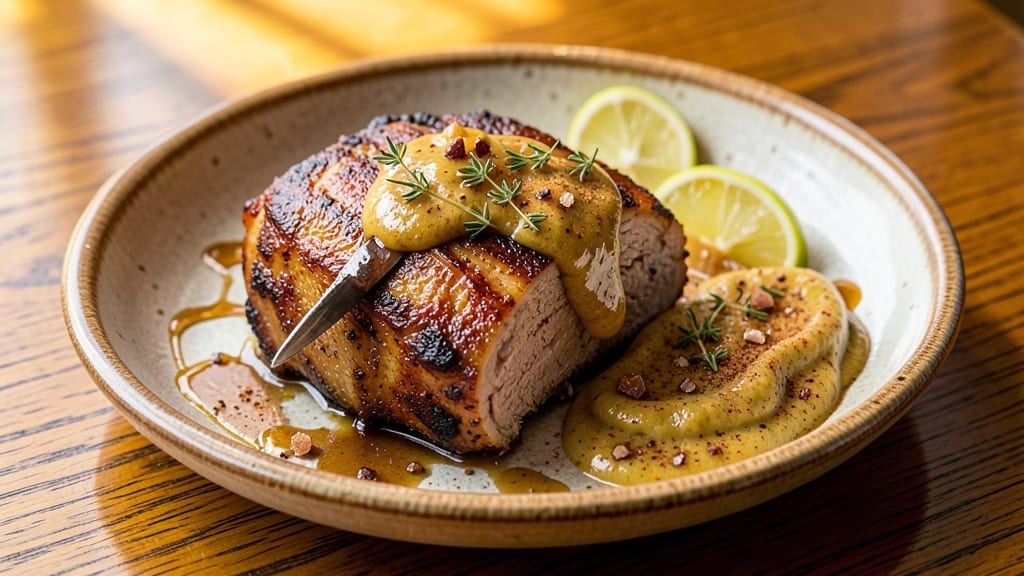
This apple sauce for pork roast transforms a simple roast into a showstopping centerpiece with its caramelized edges and perfect sweet-tart balance. 🍏 I developed this recipe after years of perfecting the art of pork roasting—where the sauce isn't just a side, but the star that elevates every bite.
The secret lies in slow-cooking apples with just enough spice to complement the pork's natural richness, creating a glaze that both caramelizes beautifully and tenderizes the meat.
What sets this sauce apart is its ability to create a crisp, glossy finish on pork while maintaining a velvety texture that clings to every bite. Unlike store-bought versions, this recipe uses whole spices—cinnamon, cloves, and a touch of nutmeg—that infuse depth without overpowering.
The acidity from vinegar and lemon juice ensures the sauce stays balanced, cutting through the pork's richness while enhancing its natural sweetness.
The result is a sauce that's restaurant-quality yet simple to make, requiring just 30 minutes of active time and minimal ingredients. It's versatile enough to use as a glaze, dipping sauce, or even a filling for stuffed pork tenderloin.
The best part? It keeps beautifully in the refrigerator for up to a week, allowing you to prepare ahead and focus on the roast itself.
Perfect for holiday dinners, family gatherings, or weeknight roasts, this apple sauce turns pork into a centerpiece dish that feels special without requiring hours of prep. The caramelized edges add a touch of drama, while the sweet-tart flavor ensures every bite is memorable.
Here's how to make it—your pork roast will never be the same.
Ingredients for apple sauce for pork roast
Nine ingredients transform into a restaurant-worthy glaze that caramelizes pork to perfection.
| Ingredient | Amount | Notes |
|---|---|---|
| Honeycrisp Apples 🍏 | 4 medium | Peeled, cored, sliced thin |
| Granny Smith Apples 🍏 | 2 medium | Peeled, cored, sliced thin |
| Brown Sugar 🍚 | ½ cup | Packed firmly for sweetness |
| Apple Cider Vinegar 🍶 | ¼ cup | For tangy balance |
| Fresh Lemon Juice 🍋 | 2 tbsp | Brightens the sauce |
| Ground Cinnamon 🌿 | 1 tsp | Warmth without overpowering |
| Ground Cloves 🌶️ | ¼ tsp | Deep aromatic punch |
| Ground Nutmeg 🌶️ | ¼ tsp | Subtle earthy depth |
| Unsalted Butter 🧈 | 2 tbsp | Full-fat for richness |
| Sea Salt 🧂 | ½ tsp | Enhances all flavors |
The apples are the heart of this sauce, so pick Honeycrisp and Granny Smith—their balance of sweetness and tartness is unmatched. Local farmers markets often have Honeycrisp in season, but any crisp apple works in a pinch. That said, avoid mealy varieties like Red Delicious—they turn mushy. For the spices, Penzeys or Spicewalla have the best quality whole spices, but the grocery store versions are fine if they're fresh. Quick tip: toast your whole spices in a dry pan for 30 seconds before grinding—they'll release their aroma instantly.
No apple cider vinegar? White vinegar or lemon juice works, but you'll need to double the amount for the same tang. The brown sugar can be swapped for maple syrup (same quantity) if you prefer a deeper caramel flavor. Want more depth? Add a pinch of cardamom or allspice. The butter is non-negotiable here—it creates that glossy finish. European-style unsalted butter like Plugrá or President has more fat content, which gives the sauce an extra velvety texture. And if you're using pre-sliced apples, give them a quick rinse to remove any surface starch that could make the sauce gummy.
This sauce keeps beautifully—1 week in the fridge and 3 months in the freezer. For best texture, store it in a shallow container so the surface stays crisp when reheated. I love making a double batch: one jar for the roast, another for dipping. If it thickens too much, just stir in a splash of water or apple juice. And here's a pro tip: brush it on the pork in the last 20 minutes of roasting—the high heat will create those perfect caramelized edges you see in fancy restaurants.
Why You'll Love This Recipe
- I swear by this trick: just halve and core the apples, no peeling, no fuss. The skins soften into the sauce anyway—you’d never know they were there if I didn’t tell you.
- No Peel Required: I swear by this trick: just halve and core the apples, no peeling, no fuss. The skins soften into the sauce anyway—you’d never know they were there if I didn’t tell you.
- Sweet-Tart Magic: That Honeycrisp-Granny Smith combo is chef’s kiss—juicy sweetness from the Honeycrisp, bright tang from the Granny Smith, all balanced by the vinegar and lemon. It cuts through the pork’s richness like a cool breeze on a summer day.
- Weeknight to Holiday: Same sauce works for a quick Sunday roast or a Thanksgiving centerpiece. Double the batch, store it in the fridge, and suddenly you’ve got a backup for game day, potlucks, or whenever you need to impress without stressing.
Step-by-step instructions for sweet-tart apple glaze
This glaze transforms humble apples into a caramelized masterpiece that'll make your pork roast irresistible.
🍳 Step 1: Cook Apples Until Tender
In a large, heavy-bottomed saucepan, combine the 4 medium Honeycrisp Apples and 2 medium Granny Smith Apples with the 0.5 cup Brown Sugar and 0.25 cup Apple Cider Vinegar. The tart Granny Smiths balance the sweetness while keeping the glaze bright. Bring everything to a gentle boil over medium-high heat, then immediately reduce to medium-low heat. You want just enough simmering to cook the apples without burning them.
Cover the pan and let the apples cook for 15-20 minutes, stirring occasionally, until they're fork-tender but not mushy. You'll know they're ready when they collapse easily under gentle pressure but still hold their shape. Here's the thing—don't rush this step. Undercooked apples will make your glaze gritty, while overcooked ones turn to mush. The perfect texture is the key to a silky glaze.
👨🍳 Step 2: Build Flavor with Spices and Butter
Once the apples are tender, stir in the 2 tbsp Fresh Lemon Juice, 1 tsp Ground Cinnamon, 0.25 tsp Ground Cloves, 0.25 tsp Ground Nutmeg, and 0.5 tsp Sea Salt. The spices should dissolve into the mixture, creating a fragrant aroma that fills your kitchen. Add the 2 tbsp Unsalted Butter and let it melt completely, stirring constantly. This butter adds richness that prevents the glaze from being too tart.
Let the mixture simmer uncovered for another 5-7 minutes until it thickens slightly. You're looking for a consistency where the glaze coats the back of a spoon but still flows easily. If it thickens too quickly, add 1-2 tablespoons of water to loosen it. The cloves and nutmeg might seem bold, but they'll mellow into a warm, complex background flavor that complements pork perfectly.
🔥 Step 3: Finish with Caramelization for Depth
Increase the heat to medium-high and let the glaze reduce for 3-5 minutes, stirring frequently. This final reduction concentrates the flavors and creates that beautiful caramelized sheen. You'll see the color deepen from golden to a rich amber—this is when the magic happens. The glaze should coat the back of a spoon but still be pourable enough to brush onto your pork.
Taste and adjust seasoning if needed. I usually add a pinch more salt or a splash of lemon juice if the sweetness feels too dominant. The perfect balance should be sweet, tart, and just slightly spiced. Let the glaze cool slightly before using—it'll thicken as it sits, so you want it at a brushable consistency when you're ready to apply it to your roast.
🥘 Step 4: Apply to Pork for Maximum Flavor
Brush the warm glaze generously over your pork roast, working in 3-4 thin layers with 2-3 minute rests between each application. The first layer will caramelize quickly, creating a sticky base that locks in moisture. Here's where it gets fun—watch those edges turn golden brown as you work. For extra shine, finish with a quick broil for 1-2 minutes after the final glaze application.
Don't be tempted to skip the resting time between layers. The pork needs to absorb the glaze and develop that beautiful crust. If you're short on time, at least apply one thick layer and broil it for 3-4 minutes to create that caramelized edge. The result? A pork roast with crispy, glossy skin that's perfectly balanced between sweet and savory in every bite.
Pro Tips For Making Apple Sauce For Pork Roast
- CORE THE APPLES: Peel, quarter, and remove the cores—then slice them into even ¼-inch pieces. Uneven chunks mean uneven cooking, and you’ll end up with a sauce that’s either mushy or still crunchy in spots. (Yes, it’s tedious, but trust me: the texture will be silky.)
- USE GRANNY SMITH FIRST: Start with the Granny Smiths in the pot for 5 minutes before adding the Honeycrisp. The tartness builds flavor faster, and by the time the sweeter apples join, they’ll meld perfectly instead of fighting for dominance. (I learned this after making two batches where the sauce tasted like dessert instead of pork’s perfect partner.)
- STOP WHEN IT’S STILL SLIGHTLY THICK: Pull the sauce off heat when it’s just shy of your ideal consistency—it’ll thicken more as it cools. Overcooking turns it gluey, and you’ll be left scraping the bottom of the pan like it owes you money. (Pro move: Stir in a splash of cold water or extra lemon juice if it gets too stiff.)
- SALT THE BROWN SUGAR: Toss the brown sugar with a pinch of salt before adding it to the apples. It cuts through the sweetness and rounds out the acidity from the vinegar and lemon. (I was skeptical until I tried it—now I can’t imagine skipping it.)
Troubleshooting this recipe
Gritty Texture Fix
If your apple sauce ends up gritty, it means the apples weren't cooked long enough to break down completely. I've seen this happen when using tougher apple varieties or when the heat isn't consistent.
To fix it, return the sauce to low heat and stir vigorously for 5-7 minutes—the friction helps emulsify the fibers. For future batches, ensure your apples are fork-tender before adding spices. If you're still struggling, blend the sauce briefly with an immersion blender until smooth. 💫
Too Thick or Gluey
A gluey consistency usually happens when the sauce reduces too much or when too much starch from the apples is released. The solution? Thin it out with 1-2 tablespoons of warm apple juice or water while stirring constantly over low heat.
For prevention, avoid overcrowding the pan—cook apples in batches if needed. I've also found that removing the skins before cooking reduces starch buildup. If the sauce is still too thick after thinning, try reheating it gently and adding a splash of vinegar to balance the texture.
Not Sweet Enough
If your sauce tastes bland or lacks sweetness, it's likely because the apples weren't ripe enough or the sugar didn't caramelize properly. To fix this, add 1-2 tablespoons of brown sugar or honey and simmer for another 3-5 minutes to deepen the flavor.
For future batches, make sure your apples are ripe but still firm—overripe apples can make the sauce mushy. I also recommend using a mix of sweet and tart apples (like Honeycrisp and Granny Smith) to ensure natural sweetness without overpowering the sauce.
Burnt or Bitter Taste
Burnt or bitter flavors typically occur when the sauce is cooked too aggressively or left unattended. To salvage a burnt sauce, immediately remove it from heat and stir in 1 teaspoon of fresh lemon juice or apple cider vinegar to cut through the bitterness.
For future batches, keep the heat at a gentle simmer and stir frequently to prevent scorching. If the sauce is only slightly burnt, you can strain it to remove any burnt bits before serving.
I've also found that adding a pinch of cinnamon or nutmeg can help mask mild bitterness while adding depth.
Separation Issues
If your sauce separates into a watery liquid and a thick paste, it's usually due to the butter or spices not being fully incorporated. To fix this, return the sauce to low heat and whisk vigorously until it smooths out.
For prevention, make sure the butter is fully melted and the spices are well-dissolved before reducing the sauce. I've also found that adding a small amount of cornstarch (about ½ teaspoon mixed with 1 tablespoon water) can help bind the sauce if it's prone to separation.
Just whisk it in at the end and simmer for 1-2 minutes to thicken.
Weak Flavor Profile
If your sauce lacks depth, it might be because the spices weren't toasted or the reduction wasn't long enough. To enhance the flavor, toast your whole spices (like cinnamon sticks or cloves) in a dry pan for 30 seconds before grinding them.
For future batches, let the sauce reduce for an extra 2-3 minutes to concentrate the flavors. I also recommend adding a splash of apple brandy or bourbon (about 1 tablespoon) during the final reduction—it adds a warm, complex note that complements pork beautifully. 🔥
Nutrition facts
Frequently asked questions
Can I substitute regular apples for Honeycrisp and Granny Smith?
Yes, but choose varieties with similar textures—Fuji or Gala for sweetness and Braeburn or Pink Lady for tartness. Avoid mealy apples like Red Delicious, which will make your sauce mushy. The key is balancing sweet and tart flavors for that perfect pork pairing.
How do I store leftover apple sauce?
Transfer to an airtight container and refrigerate for up to 1 week. For longer storage, freeze in ice cube trays or small jars for 3 months. Reheat gently in a saucepan or microwave, stirring occasionally to restore smoothness. The sauce thickens as it cools, so add a splash of water if needed.
Can I make this sauce in a slow cooker? Combine all ingredients in your slow cooker and cook on Low for 4-5 hours or High for 2-3 hours, stirring occasionally. The low-and-slow method enhances the caramelization naturally. Just
Why does my sauce separate when I add butter?
This usually happens when butter isn't fully melted or the sauce is too hot. Whisk in the butter off the heat or over very low heat until completely dissolved. For extra insurance, make a cornstarch slurry (½ tsp cornstarch + 1 tbsp water) and stir it in at the end to stabilize the sauce.
Can I use this sauce for other meats?
This glaze works beautifully on chicken thighs, beef ribs, or ham, but pork remains the ideal match. For chicken, reduce the sugar slightly (¼ cup) and add ½ tsp smoked paprika for depth. The sweet-tart balance complements rich meats best, but it's versatile enough for vegetarian dishes too!