
Sauces & Condiments
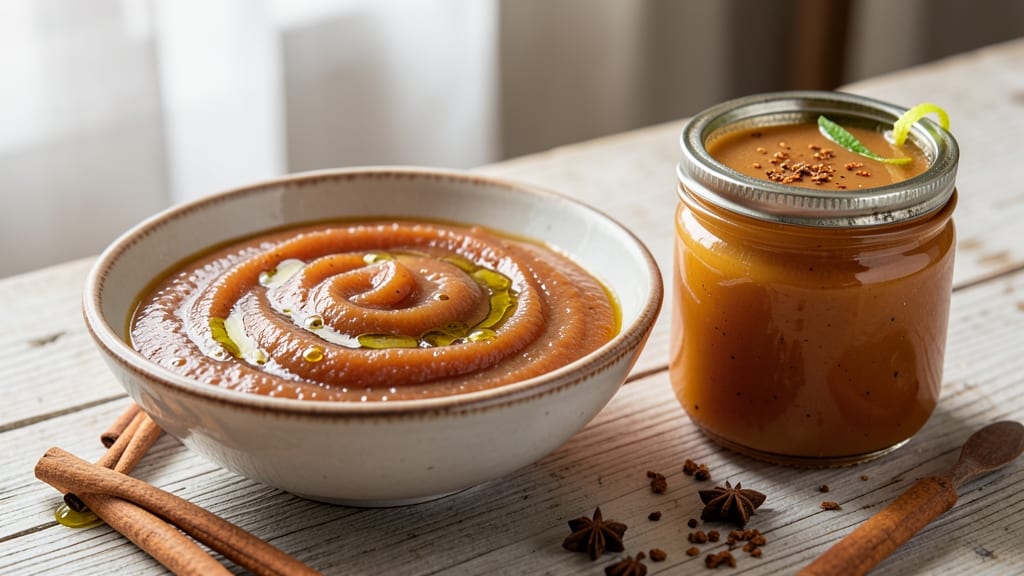
Transforming seasonal apples into two versatile condiments—smooth apple sauce and rich apple butter—requires just two simple techniques and a few hours of hands-off cooking. This recipe delivers both textures: one perfect for baking and the other ideal for spreading, all from the same harvest.
The key lies in controlling simmer times and spices to balance sweetness with warmth.
For apple sauce, you'll achieve a chunky or silky consistency depending on how you process the cooked fruit, while apple butter develops its signature thickness through slow reduction.
Both methods use basic pantry ingredients—apples, sugar, cinnamon, and a touch of lemon—to create condiments that elevate everything from pork chops to pancakes. The process is foolproof, with minimal prep and maximum flavor payoff.
What you'll end up with is a pantry staple that transforms ordinary meals into something special: a vibrant apple sauce bursting with fruit flavor, and a deep amber apple butter with a velvety spreadability.
These condiments keep beautifully for months, making them perfect for gifting or stocking your kitchen for fall and winter.
The best part? You can make both simultaneously—simmer one batch for sauce and another for butter—while the aromas of cinnamon and caramelized apples fill your home. Ready to turn apples into something extraordinary? Let's get started with the recipes.
Ingredients for apple sauce apple butter
Six pounds of apples transform into two magical condiments with just these nine ingredients.
| Ingredient | Amount | Notes |
|---|---|---|
| Apples (Mixed Varieties) 🍎 | 6 lb | Peeled, cored, cut into chunks |
| Granulated Sugar 🍚 | 1 ½ cups | White or light brown preferred |
| Ground Cinnamon 🌿 | 2 tbsp | Freshly ground for best flavor |
| Lemon Juice 🍋 | ¼ cup | Freshly squeezed, for brightness |
| Water 💧 | ½ cup | For apple sauce only |
| Extra-Virgin Olive Oil 🫒 | 1 tbsp | For apple butter richness |
| Salt 🧂 | ½ tsp | Kosher or sea salt |
| Vanilla Extract 🌸 | 1 tsp | Pure vanilla for depth |
| Apple Cider Vinegar 🍶 | 1 tbsp | For apple butter tang |
The apples make all the difference—mix Honeycrisp, Fuji, and Granny Smith for perfect balance of sweetness and tartness. Local farmers markets often have the best selection, but grocery store bins work too. Look for firm, unblemished fruit—those bruises turn mushy during cooking. Costco or Trader Joe's usually carry pre-washed bags for convenience, but organic apples from the store's produce section add extra flavor. If you can't find fresh, frozen unsweetened apples work in a pinch, but thaw and drain them first to avoid excess liquid.
No vanilla extract? Almond extract at half the amount adds depth without overpowering. Running low on cinnamon? Cassia cinnamon is a solid backup, though it's slightly stronger. The lemon juice can be swapped for bottled lemon juice if fresh isn't available—just use one tablespoon less since bottled versions are more concentrated. For apple butter, maple syrup replaces sugar beautifully (use 1:1 ratio), while apple cider can stand in for water in the sauce. Pro tip: Toast your cinnamon in a dry pan for 30 seconds before adding—it deepens the flavor instantly.
Both condiments keep beautifully—apple sauce lasts 1 week refrigerated and 3 months frozen, while apple butter stays fresh for 6 months in the fridge or 12 months frozen. Store them in sterilized glass jars with tight lids for gifting. For sauce, blend before freezing to maintain texture. Apple butter thickens as it cools, so reheat gently if it seems too stiff. These make perfect holiday gifts—just tie a ribbon around the jar and add a handwritten recipe card.
Why You'll Love This Recipe
- No Peel Required: I swear by this trick—just toss whole apples (peels and all) into the pot with cinnamon and water. The skins soften into the sauce, adding depth without extra work. My lazy Sundays thank me.
- Sweet-Spiced Magic: That first spoonful of warm apple butter, thick with cinnamon and just a hint of lemon, is ridiculously good. The sugar caramelizes into a glossy sheen, and the tartness from the lemon keeps it from being cloying. Honestly, I make it just to eat it straight from the spoon.
- Pantry Staple Power: This stuff turns any breakfast into a showstopper—slather it on toast, mix it into oatmeal, or drizzle it over yogurt. Between us, it’s also my go-to for filling jars to gift during the holidays. (Yes, even my in-laws love it.)
- Makes More Than You Think: One batch stretches for weeks—spread it on toast, bake it into muffins, or use it to glaze meats. I’ll be real: I’ve had it last months in my fridge, and it only gets better with time. Plus, apples are cheap this time of year, so you’re basically making gold for pennies.
Step-by-step instructions for spiced apple sauce and apple butter
Transforming simple apples into rich, spreadable perfection takes just a few key techniques.
Prepare the Apples for Cooking
Start by peeling, coring, and cutting the 6 lb Apples (Mixed Varieties) into 1-inch chunks. I like to use a mix of sweet and tart varieties like Honeycrisp with Granny Smith—they balance flavor beautifully. Place the chopped apples in a large stockpot and toss them with 0.25 cup Lemon Juice and 0.5 tsp Salt. This brightens the apples and prevents browning while they wait to cook.
The lemon juice also helps preserve the vibrant color of your finished sauce. Don't skip this step—it makes a noticeable difference in both flavor and appearance. If you're making apple butter, you'll want to use slightly firmer apple varieties like Braeburn or Jonathan since they hold up better during the longer cooking process.
Simmer the Apple Sauce to Perfect Texture
Add 0.5 cup Water to the pot with the apples and bring everything to a boil over medium-high heat. Once boiling, reduce the heat to medium-low and let it simmer uncovered for 20-25 minutes, stirring occasionally. You're looking for the apples to break down completely and the mixture to thicken to a smooth, spoonable consistency.
Here's the thing—don't rush this step. The apples need time to fully soften and release their natural pectin, which will give your sauce that perfect thick texture. If it's not thick enough after 25 minutes, continue simmering for another 5-10 minutes. You'll know it's ready when it coats the back of a spoon smoothly.
Finish the Apple Sauce with Sweetness and Spice
Stir in the 1.5 cups Granulated Sugar and 2 tbsp Ground Cinnamon while the sauce is still hot. Bring it back to a gentle simmer and cook for another 5 minutes, stirring frequently. The sugar will dissolve completely and the spices will bloom beautifully. Taste and adjust the sweetness if needed—some apple varieties need a touch more sugar.
For the apple sauce, you can stop here. Let it cool completely before transferring to a clean jar. The sauce will thicken even more as it cools, so don't worry if it looks slightly thin while warm. If you prefer a smoother texture, you can blend it with an immersion blender after cooking, but I like the rustic texture of slightly chunky apple sauce.
Transform into Apple Butter (For the Patient Cooks)
For apple butter, after simmering the apples for 45-60 minutes until completely soft, stir in 1 tbsp Extra-Virgin Olive Oil, 1 tbsp Apple Cider Vinegar, and 1 tsp Vanilla Extract. The oil adds richness, the vinegar provides a subtle tang, and the vanilla deepens the flavor profile. Reduce the heat to low and continue cooking uncovered, stirring frequently, for 1-2 hours.
This is where the magic happens—the mixture will gradually thicken and darken as it reduces. You're looking for a spreadable consistency that's thick enough to hold its shape but still smooth. The apple butter should coat the back of a spoon and leave a slight sheen. If it's not thick enough after 2 hours, continue cooking for another 30-60 minutes, stirring occasionally.
Test for Doneness and Store Properly
To test if your apple sauce or apple butter is done, place a small amount on a chilled plate and let it sit for 5 minutes. If it holds its shape without running, it's ready. For apple sauce, it should be thick but still spreadable. For apple butter, it should be thick enough to hold a spoonful's shape without dripping.
Once done, let the sauce or butter cool completely, then transfer to clean, sterilized jars. The apple sauce will keep in the refrigerator for up to 2 weeks or can be frozen for 6 months. The apple butter will last in the refrigerator for 3 weeks or can be stored in the freezer for up to 1 year. The flavors only get better with time, so don't hesitate to make extra!
Pro Tips For Making Apple Sauce Apple Butter
- STIR CONSTANTLY AT FIRST: The first 15 minutes are when things burn fastest—don’t walk away. I learned this the hard way when I turned around for two minutes and came back to a scorched, bitter mess. Keep that pot moving until the apples start breaking down and the mixture thickens noticeably.
- PEEL AND CORE UNIFORMLY: Skip the fancy peeler—just slice off the stem end, then cut a shallow X on the bottom. The apples will pop right out when you twist. Uneven chunks cook at different rates, leading to a lumpy finish. Aim for ½-inch pieces max, and toss in lemon juice immediately to keep them from browning while you prep the rest.
- ADD SUGAR GRADUALLY: Dump in all the sugar upfront, and you’ll end up with a syrup instead of apple butter. Start with half the recipe’s sugar, taste after 30 minutes of cooking, then add the rest. You’re aiming for sweetness that balances the apples’ natural tartness—not cloying, just rich. (Pro move: Use light brown sugar for depth if you’re feeling fancy.)
- USE A SPLASH OF WATER: The recipe calls for water, but most people skip it. Don’t. It’s not just for thinning—it helps the apples release pectin naturally, giving you that perfect spreadable consistency. Add ¼ cup at the start, then another splash if things get too thick before the end. (Yes, even if the recipe says “optional.”)
Creative variations of this recipe
Spiced Apple Butter Variations
Swap cinnamon for nutmeg or cardamom for a Middle Eastern twist—just use ½ tsp of each. For a smoky depth, add ½ tsp smoked paprika during the final 30 minutes of cooking.
I love using Braeburn apples for their firm texture, but Pink Lady adds a floral note that pairs beautifully with ginger (add ½ tsp fresh grated ginger at the start). 🌶️
Sweet & Tangy Twists
Balance sweetness with 1 tbsp orange zest and 1 tsp orange juice for a citrusy kick. For a boozy version, stir in 1 tbsp bourbon or apple brandy during the final 10 minutes of cooking.
If you prefer less sugar, reduce to 1 cup and add 1 tbsp maple syrup for natural sweetness. The key is adjusting liquid ratios—reduce by 1 tbsp if using extra fruit.
Global Apple Butter Styles
For Japanese-inspired apple butter, add 1 star anise pod and 1-inch piece of ginger while cooking, then remove before serving.
A German-style version uses 1 tbsp apple cider and ½ tsp cloves for warmth. Indian chutney-style calls for ½ tsp turmeric and ½ tsp cumin seeds toasted in oil before adding apples. Each variation keeps the same base method but transforms the flavor profile completely.
Apple Sauce Upgrades
Infuse your sauce with 1 cinnamon stick while simmering, then remove before serving. For a gingerbread twist, add 1 tsp molasses and ½ tsp ground ginger. If you love caramel, stir in 2 tbsp brown sugar and 1 tbsp butter at the end.
For a tropical version, add ½ cup pineapple juice and 1 tsp vanilla extract—it’s a surprisingly great pairing! 🍍
Seasonal Adaptations
In summer, use peaches or plums instead of apples for a jam-like sauce. For fall, add 1 tbsp pumpkin puree and ½ tsp pumpkin pie spice to your apple butter. Winter calls for cranberries—simmer ½ cup fresh cranberries with the apples for a tart-sweet balance.
Each season lets you play with complementary fruits while keeping the same core technique.
Dietary-Friendly Swaps
Make sugar-free apple butter with 1 cup unsweetened applesauce and 1 tbsp erythritol (adjust to taste). For gluten-free versions, ensure your cinnamon is certified GF. Vegan? Skip the vanilla extract and use 1 tsp vanilla bean paste instead.
All variations maintain the same cooking process—just adjust the sweetener and flavorings to fit dietary needs.
Nutrition facts
Frequently asked questions
Can I use frozen apples instead of fresh for these recipes?
Frozen apples work perfectly—just thaw and drain them first to remove excess moisture. This prevents a watery sauce or butter. For best results, use unsweetened frozen apples and add an extra 5 minutes of simmering time since they're already partially cooked.
How do I know when apple butter is thick enough?
Test it by placing a spoonful on a chilled plate for 5 minutes. If it holds its shape without dripping, it's ready! The butter should coat the back of a spoon and leave a slight sheen. If it's still too thin after 2 hours of cooking, continue stirring occasionally for another 30-60 minutes.
What's the difference between apple sauce and apple butter?
Apple sauce is smooth or slightly chunky and cooks for 20-25 minutes, while apple butter is thick, spreadable, and requires 1-2 hours of slow reduction. The extra cooking time for butter transforms the texture from spoonable to knife-spreadable. Think of sauce as a topping and butter as a condiment for toast or meats.
Can I make these recipes in a slow cooker?
Yes! For apple sauce, cook on high for 2-3 hours or low for 4-5 hours. For apple butter, use low for 6-8 hours, stirring occasionally. The slow cooker's gentle heat helps develop deeper flavors. Just add 1-2 tbsp extra water since slow cookers evaporate less liquid than stovetop methods.
Why does my apple butter turn out too sweet?
Adjust sweetness by reducing sugar to 1 cup and adding 1 tbsp maple syrup or apple cider instead. For tart apples like Granny Smith, you may need up to 2 cups sugar. Always taste before the final 10 minutes of cooking—you can't remove excess sweetness once added. A splash of lemon juice helps balance flavors too.