
Sauces & Condiments
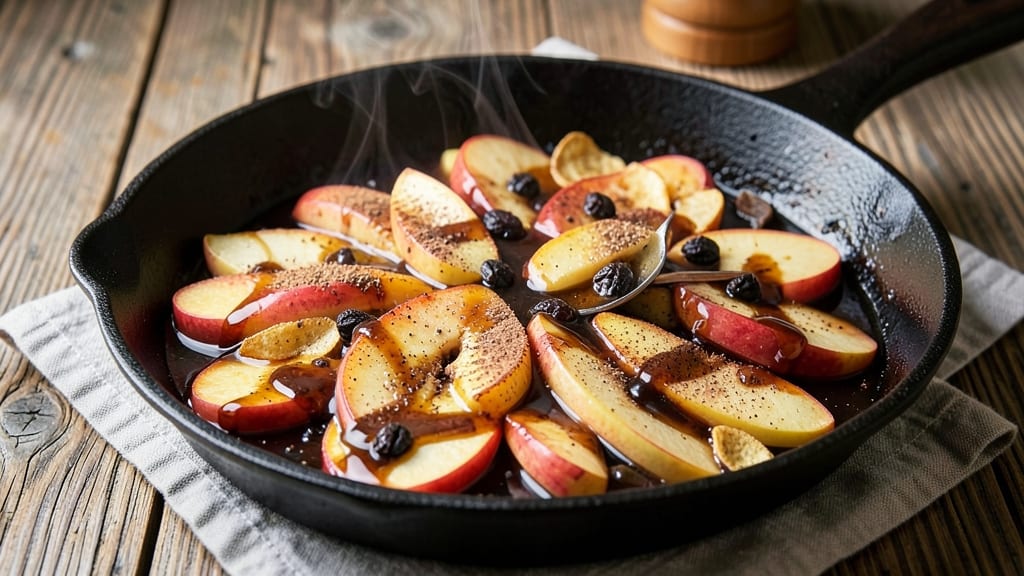
This apple pan hickory sauce recipe transforms simple pantry staples into a rich, smoky-sweet glaze that elevates everything from holiday ham to weekend pancakes. The secret lies in balancing apple cider’s natural sweetness with hickory syrup’s deep, woodsy notes—creating a sauce that’s both versatile and unforgettable.
What starts as a simmering blend of spices and liquids reduces into a glossy, sticky perfection that clings beautifully to meats or drizzles effortlessly over desserts.
Professional chefs rely on this technique for restaurant-quality results, but the process is surprisingly straightforward: combine apple cider, hickory syrup, vinegar, and warm spices like cinnamon and cloves, then reduce until thickened.
The key is patience—letting the sauce develop its complex flavors over 15-20 minutes of gentle simmering. No special equipment is needed, just a heavy-bottomed pot and occasional stirring to prevent burning.
The finished sauce delivers a perfect harmony of sweet, smoky, and slightly tangy notes that work equally well as a ham glaze, biscuit dip, or even a pancake topping. Its natural stickiness ensures every bite is coated in flavor, while the warm spices add depth that lingers.
This isn’t just another sauce—it’s a game-changer for holiday meals, breakfast spreads, or anytime you crave that perfect balance of sweet and smoky.
Best of all, the sauce keeps beautifully in the refrigerator for up to two weeks, making it ideal for meal prep or gifting. Whether you’re hosting Thanksgiving or whipping up weekend brunch, this recipe delivers professional results with minimal effort.
Let’s get started on creating your own batch of this irresistible glaze.
Ingredients for apple pan hickory sauce
Nine simple ingredients create this restaurant-worthy glaze—smoky, sweet, and perfect for holidays or weekend brunches.
| Ingredient | Amount | Notes |
|---|---|---|
| Apple Cider 🍎 | 2 cups | Unfiltered for deeper flavor |
| Hickory Syrup 🌲 | 1 cup | Pure, unsweetened preferred |
| Apple Cider Vinegar 🍶 | ½ cup | Raw, unfiltered for tang |
| Ground Cinnamon 🌿 | 1 ½ tsp | Freshly toasted for warmth |
| Whole Cloves 🌶️ | 4 whole | Lightly crushed for aroma |
| Ground Nutmeg 🌿 | ½ tsp | Freshly grated preferred |
| Granulated Sugar 🍚 | ¼ cup | Light brown for depth |
| Unsalted Butter 🧈 | 2 tbsp | Cold, cubed for richness |
| Diamond Crystal Kosher Salt 🧂 | ¼ tsp | Fine grain for balance |
Hickory syrup is the star here—look for pure, unsweetened varieties at specialty stores like Whole Foods or Trader Joe's. The apple cider should be unfiltered for that extra depth of flavor (skip the pasteurized stuff). Cloves and cinnamon? Toast them lightly in a dry pan first—this releases their oils and makes the sauce smell like a holiday market. I always grab my spices from Penzeys or the bulk bins at Sprouts—they stay fresher longer.
No hickory syrup? Maple syrup works in a pinch, though it’ll lack that signature smokiness. Swap brown sugar for white if needed, but light brown adds caramel notes that pair beautifully. Vinegar too strong? Apple juice vinegar is milder and still delivers that tang. Butter gives the sauce that luxurious finish—don’t skip it—but if you’re avoiding dairy, vegan butter works just as well. The sauce thickens as it reduces, so if you’re worried about burning, keep the heat at a gentle simmer the whole time.
This sauce keeps for two weeks in the fridge, sealed tightly in a jar. For gifting, I use small mason jars—add a ribbon and it’s instant holiday presents. Freezes beautifully for up to six months too, though the texture might separate slightly when thawed. Just reheat gently with a splash of water to restore that glossy perfection. Leftovers? Drizzle over pancakes, glaze ham, or even toss with roasted nuts for a sweet-savory snack.
Why You'll Love This Recipe
- One-Pot Magic: I swear by this recipe because it’s all in one pan—no fancy gadgets, no mess. Just simmer apple cider with hickory syrup, a splash of vinegar, and those warm spices (cinnamon and cloves) until it thickens into something rich and glossy. Honestly, I’ve made it while scrolling through my phone—it’s that unfussy.
- Smoky-Sweet Obsession: That hickory syrup? It’s the star. Deep, woodsy, and just a little sweet—like a campfire dessert in sauce form. The apple cider vinegar cuts through the richness, and the cinnamon-clove combo makes it taste like autumn in a jar. I’ll be real: I’ve drizzled it over toast just to taste it plain.
- Weeknight to Holiday: This sauce is my go-to for everything—glazing ham, drizzling over roasted veggies, or even tossing with pancakes. (Yes, even on a Tuesday night.) It’s the kind of thing that works for a quick weeknight dinner or becomes the centerpiece of a holiday spread when you double the batch.
- Budget-Friendly Luxury: A few dollars’ worth of pantry staples turn into something that feels fancy. The hickory syrup adds depth without breaking the bank, and leftovers? They keep for weeks in the fridge. I’ve used it to dress up store-bought chicken or turn plain oatmeal into something special—proof that good flavor doesn’t need a grocery haul.
Step-by-step instructions for apple pan hickory sauce
This smoky-sweet glaze transforms simple ingredients into a showstopping sauce perfect for glazing ham or drizzling over biscuits.
Build the Spiced Base in a Heavy Saucepan
In a heavy-bottomed saucepan, combine the 2 cups apple cider, 1 cup hickory syrup, and 0.5 cup apple cider vinegar. Bring to a gentle simmer over medium heat, then stir in the 1.5 teaspoons ground cinnamon, 4 whole cloves, 0.5 teaspoon ground nutmeg, and 0.25 cup granulated sugar. The cloves should lightly infuse the mixture with their warm aroma—don't crush them too finely or they'll turn bitter.
Let the mixture bubble gently for 8-10 minutes until it reduces by about one-third and develops a rich, caramelized aroma. You'll see the sauce thicken slightly and darken around the edges—that's when you know the spices have melded beautifully. Skim off any foam that rises to the surface to keep the sauce clean and glossy.
Add Butter and Salt for Richness
Reduce the heat to low and whisk in the 2 tablespoons cold unsalted butter, cut into small cubes. The butter should melt slowly, creating a silky emulsion that coats the back of a spoon. Stir in the 0.25 teaspoon Diamond Crystal kosher salt—this balances the sweetness and enhances all the warm spice notes.
Continue simmering for another 5-7 minutes, stirring occasionally, until the sauce reaches your desired consistency. It should coat a spoon thickly but still be pourable enough to glaze. If it thickens too quickly, add 1-2 tablespoons water to loosen it. The butter adds luxurious depth, so don't skip this step—it's what transforms this from a simple syrup to a restaurant-quality glaze.
Strain and Finish for Smooth Perfection
Line a fine-mesh strainer with cheesecloth or a coffee filter and strain the sauce into a clean bowl. This removes the cloves and any sediment, leaving you with a silky, professional finish. The strained sauce will be glossy and irresistibly smooth—worth the extra effort for that restaurant-quality look.
Taste and adjust the seasoning if needed. You might want to add a pinch more salt or a sprinkle of cinnamon to intensify the flavors. Let the sauce cool slightly before using—it will thicken further as it sits. This glaze keeps well in the refrigerator for up to 2 weeks, so make extra for future holiday meals!
Use Immediately or Store Properly
For best results, use the sauce immediately while still warm. It's perfect for glazing ham, drizzling over warm biscuits, or even spooning over vanilla ice cream for a sophisticated dessert. If storing, transfer to an airtight container and refrigerate. When ready to use, reheat gently in a saucepan over low heat, stirring occasionally, until warmed through—don't boil or the sauce may separate.
The magic of this sauce lies in its balance—smoky hickory meets bright apple acidity, with warm spices that linger. Each drizzle delivers layers of flavor that elevate even the simplest dishes. Trust the process, and you'll have a sauce that's sure to impress at any gathering!
Pro Tips For Making Apple Pan Hickory Sauce
- Simmer Slow and Steady: I used to rush this sauce, thinking more heat meant faster flavor, but it just burns the hickory syrup into bitter sludge. Keep it at a gentle bubble—low enough that you can hold your hand an inch above the pan without feeling the heat. The cloves and cinnamon need time to infuse, not scorch.
- Toast the Spices First: Skip adding whole cloves straight to the pot—they’ll just sit there like dull pebbles. Dry-toast them in a separate pan for 30 seconds until fragrant, then crush lightly with a mortar or rolling pin. That burst of aroma makes a real difference in the finished sauce.
- Balance the Vinegar: Hickory syrup is rich and sweet, so the apple cider vinegar isn’t just for tang—it’s the bridge between flavors. If your sauce tastes cloying, add the vinegar in stages (start with half the recipe’s amount) and taste as you go. You can always add more, but you can’t take it out.
- Strain for Smoothness: Whole cloves and cinnamon sticks add depth, but if you want a silky sauce, strain it through a fine-mesh sieve after simmering. Pro move: Line the sieve with cheesecloth for extra smoothness. (Yes, it’s one more step, but your sauce will look and taste polished.)
Pro cooking tips for this dish
Heavy-Bottomed Pot Essentials
Your choice of pan matters more than you think. I swear by a 5-quart enameled cast-iron Dutch oven—it distributes heat evenly and prevents scorching. If you don’t have one, a stainless steel saucepan with a thick base works too.
Avoid thin aluminum—it burns easily and ruins the sauce’s delicate balance. Pro tip: Preheat your pan for 2 minutes before adding liquids to ensure even cooking from the start. 🔥
Spice Infusion Secrets
Don’t just toss in the spices—toast them first! Lightly toast the whole cloves and cinnamon in a dry skillet for 30 seconds until fragrant. This releases their essential oils and deepens the flavor profile.
For nutmeg, use a microplane to grate fresh—it’s far more aromatic than pre-ground. I always double-check my spices are fresh (no older than 6 months) because stale spices make stale sauce. 🌿
Reduction Mastery
The key to perfect consistency is patience. Simmer gently—never boil vigorously—or you’ll end up with a bitter, alcohol-heavy syrup. Aim for a gentle bubble (small bubbles at the edges) and stir occasionally to prevent sticking.
If the sauce reduces too quickly, add 1 tablespoon water at a time. I test doneness by chilling a spoonful—if it coats the back smoothly, it’s ready. 🌡️
Butter Emulsion Magic
Cold butter is non-negotiable here. Cut it into small cubes and whisk it in slowly over low heat to create a silky emulsion. If you rush this step, the butter will separate and make your sauce look unappetizing.
For extra richness, I sometimes add 1 teaspoon honey at this stage—it rounds out the smokiness beautifully. 🧈
Straining Like a Pro
Cheesecloth is your best friend for a silky-smooth finish. If you don’t have it, a coffee filter works in a pinch. Press the sauce through gently—don’t rush it. The strained sauce will be glossy and irresistible, with no clove bits to distract from its velvety texture.
This is where amateur sauces fail, but with this step, yours will shine. ✨
Storage Hacks
Let the sauce cool completely before storing—room temperature cooling prevents condensation that dilutes flavors. Use amber glass jars to preserve the sauce’s color and prevent oxidation. For gifting, I add a ribbon and a handwritten label—it makes the jar look like a boutique product.
Reheat gently over low heat with a splash of water if needed. 💫
Nutrition facts
Frequently asked questions
Can I substitute maple syrup for hickory syrup?
Yes, but expect a milder flavor. Use the same amount of pure maple syrup, but add ½ teaspoon smoked paprika to mimic hickory’s smokiness. For deeper flavor, toast the maple syrup in the pan for 2 minutes before adding other ingredients. The sauce will lose some smokiness but still taste delicious.
How do I adjust the sweetness if I prefer it less sugary?
Reduce the sugar by ½ teaspoon and increase the apple cider vinegar by 1 tablespoon to balance the flavors. The vinegar adds tanginess that cuts through sweetness naturally. Taste as you simmer—you can always add more vinegar later if needed, but sugar is harder to remove once added.
What’s the best way to use leftover sauce?
This versatile sauce works on everything from breakfast to dessert! Drizzle over pancakes or waffles, glaze roasted chicken, or toss with sautéed apples. For a quick snack, warm it slightly and dip store-bought biscuits. It also pairs beautifully with cheese boards—try it with aged cheddar and nuts for a sweet-savory combo.
Why did my sauce turn bitter?
Most likely, you boiled it too vigorously or let it reduce too long. The key is gentle simmering—small bubbles at the edges only. If it’s already bitter, stir in 1 teaspoon honey or maple syrup and a pinch of salt to balance the flavors. For next time, reduce heat to low-medium and stir frequently to prevent burning.
Can I make this sauce without butter?
For a dairy-free version, replace the butter with 2 tablespoons coconut oil or vegan butter. The sauce will still thicken beautifully, though it’ll have a slightly different texture. Add ½ teaspoon vanilla extract to compensate for the missing richness. The flavor remains rich and complex—just less creamy.