
Sauces & Condiments
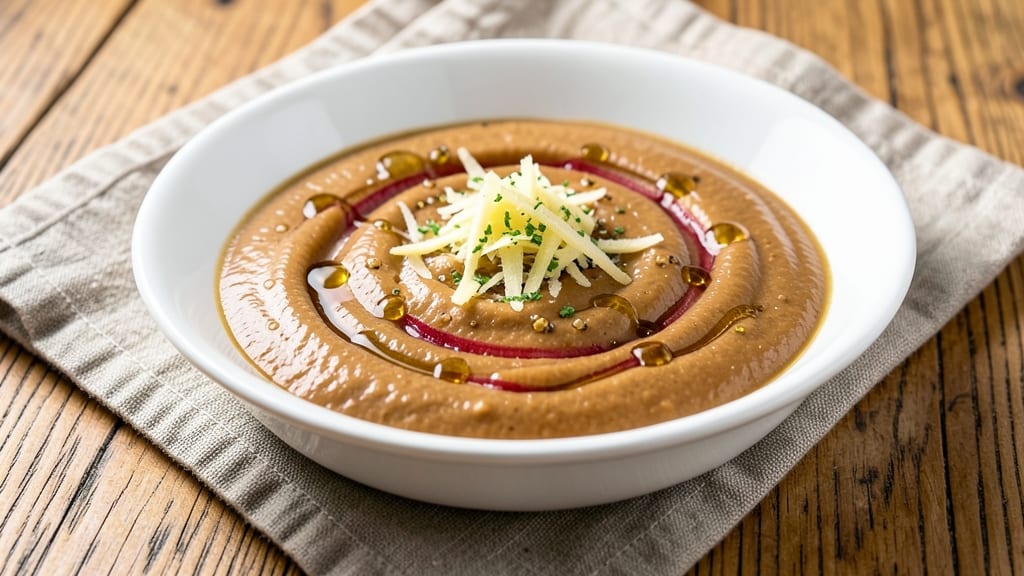
This apple mustard sauce recipe transforms simple pantry staples into a versatile condiment that bridges sweet and tangy flavors with effortless harmony. 💛 The secret lies in balancing sharp Dijon mustard with caramelized apple cider, creating a sauce that elevates everything from grilled chicken to charcuterie boards.
I developed this recipe after years of experimenting with fruit-based condiments—it’s the one that finally delivers restaurant-quality depth without requiring advanced techniques.
The foundation is a slow simmer of apple cider and spices, which reduces into a rich, aromatic base before blending with Dijon mustard and a touch of honey. This method ensures the sauce develops complex layers of flavor while remaining smooth and spreadable.
What makes it truly special is its adaptability—use it as a glaze for roasted meats, a dipping sauce for pretzels, or a tangy accompaniment to sharp cheeses.
By the time you’re done, you’ll have a storable condiment that keeps for weeks in the fridge, ready to transform ordinary meals into something extraordinary.
The balance of sweetness from the apples and acidity from the mustard creates a profile that’s both familiar and exciting, perfect for modern twists on classic dishes. This isn’t just a sauce—it’s a flavor multiplier that turns simple ingredients into something memorable.
The best part? It takes just 20 minutes to make and requires only 6 ingredients, yet the results feel like you’ve spent hours perfecting a gourmet creation.
Whether you’re prepping for a dinner party or just craving something new for your sandwiches, this apple mustard sauce delivers restaurant-quality flavor with minimal effort. Let’s get started—your taste buds will thank you.
Ingredients for apple mustard sauce
Six ingredients blend sharp apple cider with rich Dijon for a sauce that transforms simple meals into something extraordinary.
| Ingredient | Amount | Notes |
|---|---|---|
| Apple Cider 🍎 | 1 cup | Unfiltered for deeper flavor |
| Dijon Mustard 🍯 | ½ cup | High-quality, smooth variety |
| Honey 🍯 | 2 tbsp | Wildflower preferred for complexity |
| Fresh Ginger 🧡 | 1 tbsp | Finely grated, fresh only |
| Extra-Virgin Olive Oil 🫒 | ¼ cup | Light fruity variety for balance |
| Apple Cider Vinegar 🍶 | 1 tbsp | For tangy brightness |
| Salt 🧂 | ½ tsp | Diamond Crystal preferred |
| Black Pepper 🌶️ | ¼ tsp | Freshly cracked for warmth |
The apple cider is your flavor foundation—unfiltered for that deep, rustic character. Local orchard cider at farmers markets has the best complexity, but store-bought brands like Woodchuck or Angry Orchard work perfectly. Fresh ginger is non-negotiable here; dried loses its zing. I always grab it at Whole Foods or the Asian market section, where it's bright and firm. For the Dijon, Maille is my go-to—it's smooth and balanced, but any good quality brand will do. Skip the pre-made mustard blends; they're full of additives that dull the flavor.
No apple cider vinegar? White wine vinegar plus a pinch of sugar mimics the balance. Short on Dijon? Whole-grain mustard thinned with water works, though it'll be slightly grainier. The honey can be swapped for maple syrup if you prefer, but it'll skew more sweet than tart. Olive oil matters—light, fruity varieties like California Early Harvest keep the sauce from getting too heavy. If you're in a pinch, avocado oil works too. The salt and pepper are simple but crucial; Diamond Crystal dissolves better than table salt, and freshly cracked pepper adds warmth that pre-ground can't match.
This sauce keeps beautifully—3-4 weeks in the fridge once opened, thanks to the vinegar's preservation properties. I portion mine into small jars so it's ready for quick use. If you make extra, freeze it in 1-tablespoon portions for perfect single-use servings. The flavors actually improve after a day or two as everything melds together. Store it in a cool, dark place away from the stove to preserve its vibrant color and sharpness.
Why You'll Love This Recipe
- Five-Ingredient Magic: I swear, this sauce comes together with stuff you already have. Just simmer those five ingredients—no peeling, no dicing, no fuss—and the ginger and honey do all the work while you sip your coffee.
- Sweet-Savory Balance: That first tangy bite from the Dijon mustard hits, then the apple cider softens it into something rich and smooth. Honestly, the honey and ginger make it taste like autumn in a jar—warm, bright, and just a little spicy.
- Dresses Up Anything: Slather it on grilled chicken, drizzle it over roasted veggies, or toss it with pasta. I’ve even used it as a glaze for baked salmon—it’s the kind of sauce that turns simple meals into something special without trying too hard.
- Keeps Like a Dream: Make a big batch and store it in the fridge for up to two weeks. The flavors deepen over time, and it’s perfect for quick weeknight dinners when you’re too tired to cook from scratch. (Yes, even on a Tuesday night.)
Step-by-step instructions for sharp apple cider and Dijon harmony sauce
Here's how to blend these bold flavors into a velvety sauce that's perfect for roasted meats or crispy fries.
🍳 Step 1: Bloom the Dijon Mustard in Olive Oil
In a medium saucepan over low heat, combine the 0.25 cup Extra-Virgin Olive Oil and 0.5 cup Dijon Mustard. Whisk constantly for 3-4 minutes until the mustard completely dissolves and the mixture becomes smooth and homogeneous. This step prevents lumps and develops the mustard's rich flavor.
I like to use a heatproof silicone spatula here—it won't scratch your pan and makes whisking easier. Watch the color carefully; you're aiming for a deep amber hue that signals the mustard has fully incorporated. If you see any streaks remaining after 4 minutes, keep whisking for another minute—this is non-negotiable for a professional finish.
🍳 Step 2: Add Apple Cider and Vinegar for Tangy Depth
Remove the pan from heat and let it cool slightly for 1 minute. Then stir in the 1 cup Apple Cider and 1 tbsp Apple Cider Vinegar using a wooden spoon. The sudden temperature change helps emulsify the sauce as we proceed.
Return the pan to medium-low heat and simmer gently for 8-10 minutes, stirring occasionally. You'll notice the mixture reduces slightly and develops a beautiful caramelized aroma. This is where the apple's natural sugars begin to concentrate, creating that perfect balance between sweet and sharp that makes this sauce so special.
🍳 Step 3: Incorporate Honey and Ginger for Sweet-Spicy Balance
Once the sauce has reduced by about 25% (it should coat the back of a spoon), whisk in the 2 tbsp Honey and 1 tbsp Fresh Ginger. The honey will create a beautiful sheen as it melts into the sauce, while the ginger adds that subtle warmth that cuts through the richness.
Simmer for another 5-6 minutes until the sauce thickens to your desired consistency. You want it to coat the back of a spoon but still be pourable—think of it like heavy cream. If it thickens too quickly, add 1-2 tablespoons of water to adjust the texture. The sauce should smell like a perfect autumn morning: tart apples, spicy ginger, and a hint of caramelized sweetness.
🔪 Step 4: Season and Finish with Precision
Remove the sauce from heat and let it cool for 2 minutes. Then add the 0.5 tsp Salt and 0.25 tsp Black Pepper, whisking until fully dissolved. Taste and adjust the seasoning—you might need a touch more salt to balance the sweetness, or a splash more apple cider vinegar if it needs more tang.
For the final touch, strain the sauce through a fine-mesh sieve into a clean bowl to remove any ginger fibers. This gives you that silky texture that's perfect for drizzling over roasted pork tenderloin or brushing on grilled chicken. The sauce will keep in the refrigerator for up to 1 week, though I promise you won't have any leftovers.
⏰ Step 5: Rest and Serve at Peak Flavor
Let the sauce rest for 10-15 minutes before serving. This allows all the flavors to meld completely and the texture to stabilize. The sauce will thicken slightly as it cools, so if you prefer it thinner, simply whisk in 1-2 tablespoons of warm water before serving.
This sauce works beautifully as a glaze for roasted vegetables, a dip for apple slices, or a finishing sauce for crispy duck confit. The key to its success lies in the balance—too much honey makes it cloying, too much vinegar makes it harsh. But when it's just right, you'll have that perfect harmony of sharp apple cider and smooth Dijon that makes this sauce truly special.
Pro Tips For Making Apple Mustard Sauce
- Simmer Slow and Steady: I learned this the hard way—rushing the sauce on high heat makes it split and turn grainy. Keep it at a gentle simmer (barely bubbling) for 8–10 minutes, stirring occasionally, so the apple cider’s acidity and honey meld instead of fighting each other.
- Peel and Mince Ginger: Fresh ginger’s bite is what makes this sauce pop, but raw chunks just sit there like awkward guests. Peel it, then mince it finely—think rice grains, not dime-sized slabs. This ensures even distribution and avoids clumps that’ll make your sauce taste like you forgot to stir.
- Balance the Mustard Gradually: Dijon mustard can turn this sauce bitter if you dump it all in at once. Start with half the amount called for, taste, then add the rest slowly while simmering. You’re aiming for tangy, not puckery—adjust as you go, because no two batches of cider or honey are identical.
- Finish with Olive Oil: The sauce will thicken as it cools, so don’t skimp on the final drizzle of extra-virgin olive oil. It cuts the sweetness, adds silkiness, and—let’s be honest—makes the whole dish taste like you put in effort. Use about 1 tablespoon, emulsified in with the last stir.
Regional styles of this recipe
New England Apple Cider Twist
In New England, apple mustard sauce often incorporates spiced apple cider made with cinnamon sticks and cloves during the reduction phase. I like to add ½ tsp ground cinnamon and ¼ tsp whole cloves to the simmering apple cider for 10 minutes before blending with Dijon.
This creates a warm, autumnal profile perfect for roasted pork or apple cider donuts. The Woodchuck brand apple cider works exceptionally well here due to its deep, rustic flavor. 🍎
Southern BBQ Glaze Fusion
Southern cooks transform apple mustard sauce into a smoky BBQ glaze by adding ½ cup tomato paste and 1 tbsp smoked paprika to the base recipe. Simmer this mixture for an extra 5 minutes to deepen the color and intensity.
This version pairs beautifully with pulled pork sandwiches or grilled ribs. For extra richness, I sometimes stir in 1 tbsp molasses at the end. The Sweet Baby Ray's BBQ sauce brand can also be blended in for a quicker shortcut. 🔥
French-Inspired Dijon Elevation
In France, apple mustard sauce often features shallots and white wine for a more refined touch. Sauté 2 minced shallots in olive oil until translucent, then deglaze with ¼ cup dry white wine before adding the apple cider.
This method creates a sophisticated sauce perfect for duck breast or seared scallops. I recommend using a Chardonnay like La Crema for its buttery notes that complement the Dijon beautifully. 🍷
German Apple-Mustard Slaw Dressing
German cuisine uses apple mustard sauce as a tangy dressing for coleslaw. Thin the sauce with ¼ cup apple cider vinegar and ¼ cup water, then toss with shredded cabbage, carrots, and celery. The sharpness cuts through the crunch perfectly.
For extra authenticity, add 1 tsp caraway seeds and 1 tbsp chopped fresh dill. This works wonderfully with bratwurst or as a side for roast beef. The Brauhaus brand mustard adds a nice depth here. 🥬
Midwest Apple Butter Swap
In the Midwest, apple mustard sauce often replaces apple butter in sandwiches and glazes. Swap the honey for ¼ cup apple butter (like Wright's) and reduce the vinegar to ½ tbsp for a sweeter, thicker sauce.
This version pairs exceptionally well with turkey sandwiches or as a glaze for ham. For extra warmth, add ½ tsp ground nutmeg during the simmer. The sauce thickens more with apple butter, so adjust with water as needed. 🥪
British Mustard Sauce Upgrade
British recipes often use English mustard (like Colman's) instead of Dijon for a sharper bite. Combine ½ cup English mustard with the apple cider base and add 1 tbsp lemon juice for brightness. This version works brilliantly with roast beef or crispy chicken.
For a modern twist, I sometimes stir in 1 tbsp crème fraîche at the end for a creamy texture. The Marmite brand apple cider vinegar adds an extra layer of complexity. 🇬🇧
Nutrition facts
Frequently asked questions
Can I substitute apple cider with apple juice?
Yes, but the flavor will be less complex. Apple cider has natural depth from fermentation and spices, while juice lacks that rustic tang. For every 1 cup of apple cider, use ¾ cup apple juice plus 1 tbsp apple cider vinegar to mimic the acidity. The sauce will be sweeter, so reduce honey to 1 tbsp instead.
How do I adjust the thickness of this sauce?
For a thicker consistency, simmer an extra 3-5 minutes to reduce more liquid. If it's too thick, whisk in 1 tbsp warm water at a time until smooth. For a thinner version, add 1-2 tbsp apple cider vinegar while warm—it helps dissolve the sauce better than water. The ideal texture should coat the back of a spoon but remain pourable.
What are the best ways to use leftover apple mustard sauce?
This versatile sauce works as a glaze for roasted meats, a dip for pretzels or fries, or a tangy dressing for coleslaw. Try it on grilled chicken, as a spread for sandwiches, or drizzled over mac and cheese for extra depth. It also makes an excellent marinade—coat proteins for 2-4 hours before cooking for maximum flavor infusion.
Can I make this sauce without Dijon mustard?
Use ½ cup whole-grain mustard instead, but thin it with 1 tbsp warm water first to prevent graininess. For a sharper flavor, try ½ cup English mustard (like Colman's) plus 1 tsp lemon juice. The texture will be slightly thicker, so adjust with water as needed during simmering. The sauce will still deliver that perfect sweet-tangy balance.
Why did my sauce separate?
Separation usually happens from temperature changes or improper emulsification. To fix it, whisk in 1 tbsp warm water while heating gently on low. For prevention, always bloom the mustard in olive oil first (as in Step 1) and avoid rapid temperature shifts. If the sauce still separates, strain it through a fine-mesh sieve to create a smooth, velvety consistency.