
Sauces & Condiments
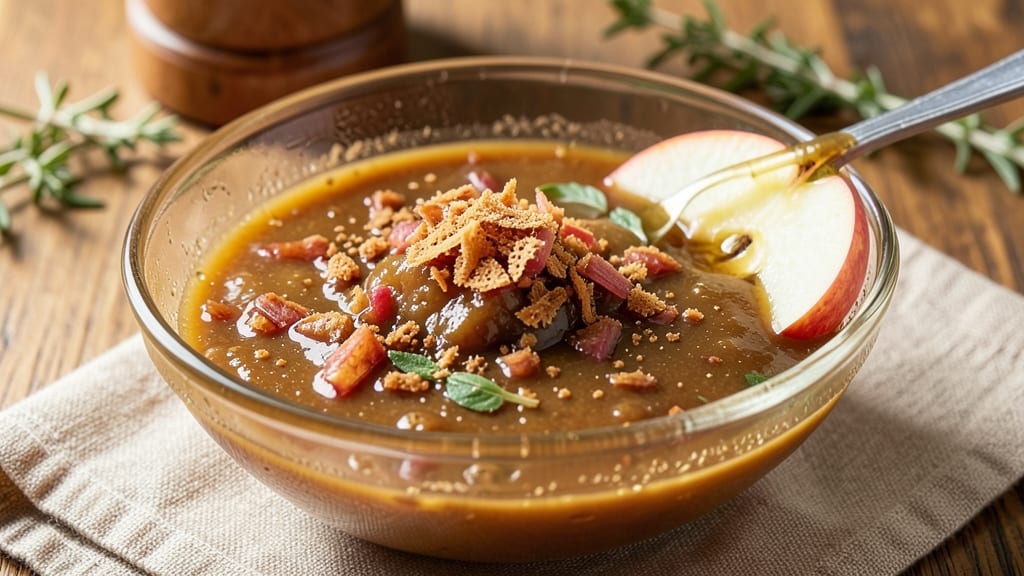
This apple cinnamon barbecue sauce recipe transforms ordinary grilled pork and chicken into something extraordinary—where sweet apple meets warm cinnamon in a tangy-sweet glaze that clings perfectly to every bite. The secret lies in balancing ketchup's acidity with apple cider's natural sweetness, then letting it simmer until thick and aromatic.
I developed this sauce after years of experimenting with fruit-infused BBQ flavors, and it's now my go-to for fall cookouts and holiday feasts.
The magic happens during the 30-minute simmer, where cinnamon and cloves infuse the sauce with cozy warmth while apple cider vinegar keeps the tang sharp.
Unlike store-bought versions, this recipe builds depth through slow reduction, creating a sauce that's rich enough to stand alone but versatile enough to complement grilled meats, pulled pork, or even roasted vegetables.
The texture should coat the back of a spoon—thick but still pourable, with just enough body to cling beautifully.
What makes this sauce truly special is its ability to elevate simple proteins into restaurant-worthy dishes. The apple and cinnamon combination adds complexity without overpowering the smoky char of grilled meats, while the vinegar base ensures it won't turn cloying.
Perfect for meal prep or last-minute gatherings, this sauce keeps well in the fridge for up to two weeks or can be frozen for extended use. The aroma alone will have your kitchen smelling like a fall harvest festival.
For best results, use freshly grated apple in the sauce for brighter flavor, and don't rush the simmering process—patience here makes all the difference. Whether you're glazing ribs, basting chicken, or drizzling over baked beans, this sauce turns ordinary weeknight meals into something memorable. Let's get cooking!
Ingredients for apple cinnamon barbecue sauce
Sweet and tangy ingredients that transform grilled meats into fall festival flavors.
| Ingredient | Amount | Notes |
|---|---|---|
| Ketchup 🍅 | 1 cup | High-quality, no added sugar preferred |
| Apple Cider 🍎 | ½ cup | Unfiltered for deeper flavor |
| Apple Cider Vinegar 💧 | ¼ cup | For tangy brightness |
| Granulated Sugar 🍚 | ½ cup | Adjust for sweetness preference |
| Fresh Apples 🍏 | 1 ½ cups | Grated, skin on for texture |
| Ground Cinnamon 🌿 | 2 tbsp | Freshly ground for warmth |
| Ground Cloves 🌶️ | ½ tsp | Whole cloves can be ground |
| Onion Powder 🧅 | 1 tsp | For subtle depth |
| Garlic Powder 🧄 | 1 tsp | Freshly ground preferred |
| Salt 🧂 | ½ tsp | Kosher or sea salt |
The apples are non-negotiable here—Honeycrisp or Fuji work best, but any crisp variety will do. Grate them fresh (the skin adds texture), or use unsweetened applesauce in a pinch. For apple cider, Mott's or Woodchuck are my go-tos—they've got that perfect balance of sweetness and tartness. The cider vinegar should be cloudy and unfiltered for the best flavor, which you'll find in the baking aisle or near the apple cider. Skip the pre-made BBQ sauce bases—they're loaded with preservatives and won't give you that homemade depth.
No fresh apples? Unsweetened applesauce at half the amount works, but you'll lose that lovely texture. Running low on cloves? Allspice at double the amount gives a similar warmth. The ketchup can be sugar-free if you prefer, but Heinz or Hunt's are the most balanced for this recipe. Want more tang? Add an extra tablespoon of vinegar. Need more sweetness? Swap in maple syrup for some of the sugar—it adds complexity. The spices are key: if you've got whole cloves, toast them in a dry pan for 30 seconds before grinding for an extra layer of flavor.
This sauce keeps for 2 weeks in the fridge in a sealed jar, and freezes beautifully for up to 6 months. I like to make a big batch and freeze it in ice cube trays—just thaw what you need. The sauce thickens as it cools, so if it seems too thick after chilling, add a splash of water or apple cider to loosen it up. Store it in the back of the fridge where it's coolest to preserve freshness. The aroma alone will make your kitchen smell like a harvest festival—worth every minute of simmering.
Why You'll Love This Recipe
- Pantry Magic: I swear by this one—no specialty trips, no weird substitutions. Grab what you’ve got (ketchup, apples, vinegar) and boom, you’re making something that tastes like a fall festival in a saucepan. That’s the kind of recipe that makes me feel like a genius, even when I’m just stirring.
- Sweet-Spiced Kick: The apples caramelize into this thick, glossy sweetness, but the vinegar cuts through it—like a hug with a little bite. Honestly, it’s the kind of sauce that makes plain grilled chicken taste like a Sunday brunch you didn’t have to plan.
- Double-Duty Sauce: Slather it on ribs, drizzle it over baked potatoes, or toss it with roasted veggies. I’ve even used it as a glaze for sweet potatoes—once, my kids asked for seconds before I even sat down. It’s the kind of versatile that makes me wonder why I ever bought store-bought.
- Leftovers That Don’t Suck: Between us, most homemade sauces turn into sad, watery leftovers. Not this one. It thickens up beautifully in the fridge and reheats like a dream—perfect for quick weeknight dinners or lazy Sunday brunch. Plus, it’s cheap enough that I don’t stress if I make a double batch.
Step-by-step instructions for apple cinnamon barbecue sauce
Here's how to create a perfectly balanced sauce with warm spices and tangy sweetness.
Cook the Apple Base
In a medium saucepan, combine the 1.5 cups fresh apples (grated with skin on for texture) with the 0.5 cup apple cider and 0.25 cup apple cider vinegar. Bring to a gentle simmer over medium heat and cook uncovered for 10-12 minutes until the apples have softened and released their juices.
Stir occasionally to prevent sticking, and watch for the mixture to reduce slightly—you want it to thicken just enough to form a loose purée. The apples should break down but still retain some texture. This step builds the fruity foundation that balances the sweetness later.
Add Ketchup and Sugar
Once the apples are tender, reduce the heat to low and stir in the 1 cup ketchup and 0.5 cup granulated sugar. Let the mixture simmer gently for 5-7 minutes, stirring frequently, until the sugar dissolves completely and the sauce begins to thicken slightly.
This is where the sauce starts to come together. The ketchup adds depth, while the sugar caramelizes just enough to enhance the apple flavor. If you prefer a sweeter sauce, you can add a bit more sugar here, but start with the full amount—it balances perfectly with the tartness.
Build the Spice Blend
With the sauce still simmering on low heat, add the 2 tablespoons ground cinnamon, 0.5 teaspoon ground cloves, 1 teaspoon onion powder, 1 teaspoon garlic powder, and 0.5 teaspoon salt. Stir well to distribute the spices evenly and let the mixture simmer for 5-7 minutes until fragrant and fully incorporated.
The spices will infuse the sauce with warm, comforting notes. The cinnamon and cloves give it that classic apple cider vibe, while the onion and garlic powder add subtle depth. Don’t rush this step—let the spices bloom so they release their full flavor into the sauce.
Simmer and Thicken
Continue simmering the sauce for an additional 8-10 minutes, stirring occasionally, until it thickens to your desired consistency. You want it smooth and coatable—thick enough to cling to grilled meats but still pourable. If it thickens too much, thin it with a splash of apple cider or water as needed.
Here’s the thing—this sauce should be glossy and glossy, with a balance of sweet, tart, and spicy flavors. Taste it as you go and adjust the seasoning if needed. Once it reaches the right consistency, remove it from heat and let it cool slightly before using or storing.
Let It Rest and Use
Transfer the sauce to a clean jar or airtight container and let it sit at room temperature for 10-15 minutes. This resting period allows the flavors to meld together, making the sauce even more cohesive. The sauce will thicken slightly more as it cools, so don’t worry if it looks a bit runnier right after simmering.
Now it’s ready to use! This sauce is perfect for glazing grilled pork chops, chicken, or even as a dipping sauce for fries. The apple cider and vinegar give it a bright tang, while the cinnamon and cloves add warmth. Store any leftovers in the refrigerator for up to 2 weeks—it only gets better with time as the flavors deepen.
Pro Tips For Making Apple Cinnamon Barbecue Sauce
- Simmer Slow and Low: I learned this the hard way—boiling your sauce too hard turns it into syrup. Once the apples and cider are added, reduce heat to a gentle simmer (barely bubbles) and let it work its magic for 20-25 minutes. This lets the flavors meld instead of evaporating.
- Peel and Core Apples First: Skip the chopping until you’ve peeled and cored them—it’s a mess otherwise. Use a sharp paring knife to slice off the peel in one strip, then cut out the core in a single motion. No more apple bits floating in your sauce.
- Balance the Vinegar: Too much apple cider vinegar and your sauce tastes sharp and unfinished. Start with 2 tablespoons, taste as you go, and add more only if the sweetness needs cutting. The goal is brightness, not sourness.
- Use a Splatter Screen: Apples and vinegar are a volatile combo—skipping a lid or splatter screen means sticky counters and a potential kitchen fire. Even if you’re impatient, take 10 seconds to pop one on. Your future self will thank you.
Common mistakes when making perfect results
Skipping the Simmer
Rushing the 30-minute simmer is the fastest way to ruin this sauce. The slow reduction lets the apple flavors meld with the spices, creating depth you won't get from a quick dump-and-stir approach. I've seen people walk away from the stove mid-simmer—big mistake!
The sauce needs that time to develop its signature glossy texture and balanced sweet-tart profile. If you're short on time, at least simmer for 20 minutes, but don't expect the same rich flavor. 🔥
Using Powdered Spices
Ground cinnamon and cloves lose potency quickly, but pre-ground spices from the store are even worse. The 2 tbsp cinnamon and ½ tsp cloves should be freshly ground if possible—I like to toast whole spices first for extra depth.
If you must use store-bought, look for brands like Penzeys or McCormick Gourmet Collection, which hold up better. The difference in aroma is night and day compared to those dusty old jars in your pantry.
Over-Sweetening
This sauce has a perfect balance of sweet and tangy, but I've seen people double the ½ cup sugar thinking it needs more sweetness. The apple cider and vinegar already provide natural sweetness and acidity—trust the recipe!
If your sauce tastes flat, it might need more vinegar or spices, not sugar. For extra depth, try adding 1 tbsp maple syrup instead of additional sugar. The key is letting the flavors develop during simmering rather than masking them with excess sweetness.
Ignoring the Resting Time
Skipping the 10-15 minute rest after simmering means missing out on flavor development. This isn't just about cooling—it's when the spices fully infuse and the sauce thickens to its perfect consistency. I've caught myself impatiently pouring hot sauce over meat only to find it too thin and flavorless.
Let it rest at room temperature first, then adjust thickness with a splash of apple cider if needed. Patience here makes all the difference in the final product. ⏰
Using Bottled Apple Sauce
While unsweetened applesauce works in a pinch, bottled versions are loaded with added sugar and preservatives that completely alter the sauce's character. The 1.5 cups fresh grated apples provide natural sweetness and texture that can't be replicated.
If you're in a bind, use unsweetened applesauce but reduce the sugar to ¼ cup and add an extra ½ tsp cinnamon to compensate. The skin-on texture from fresh apples is what gives this sauce its signature body.
Not Adjusting Heat Properly
Simmering on high heat can cause the sauce to boil over or develop a bitter taste from scorching. Maintain a gentle simmer at low-medium heat throughout the entire process. If you see bubbles forming rapidly, reduce the heat immediately.
The ideal simmer should have small, occasional bubbles with minimal movement. This careful temperature control is what creates that perfect glossy finish and prevents the sauce from becoming too thick or developing off-flavors. 🌡️
Nutrition facts
Frequently asked questions
Can I make this sauce without fresh apples?
Yes! Use ¾ cup unsweetened applesauce instead of fresh apples, but reduce the sugar to ¼ cup and add an extra ½ teaspoon cinnamon for depth. The texture won't be identical, but it'll still taste delicious. For best results, choose applesauce without added sugar or spices.
How can I use this sauce beyond grilled meats?
This versatile sauce works as a glaze for roasted vegetables, a dipping sauce for chicken tenders, or even a topping for breakfast pancakes! Try brushing it on baked sweet potatoes or drizzling over homemade biscuits for a sweet-savory twist. The apple-cinnamon flavors pair surprisingly well with breakfast foods too.
Why does my sauce turn out too thick or too thin?
Sauce consistency depends on simmering time and heat control. If it's too thick, thin with 1 tablespoon apple cider or water at a time while reheating. For a thicker sauce, simmer uncovered for 5-10 extra minutes**. The key is maintaining a gentle simmer—never boiling—to avoid scorching. Adjust gradually as you go.
Can I make this sauce spicier?
Add ½ teaspoon smoked paprika or ¼ teaspoon cayenne pepper during the spice stage for heat. For a smoky kick, try ½ teaspoon chipotle powder instead of some of the cinnamon. Start with small amounts—you can always add more, but you can't take it out!
How should I store leftover sauce?
Transfer to a clean glass jar and refrigerate for up to 2 weeks. For longer storage, freeze in ice cube trays (thaw as needed) or airtight containers for 6 months. The sauce thickens when chilled—stir and add a splash of apple cider if needed before using. The flavors actually improve with time!