
Sauces & Condiments
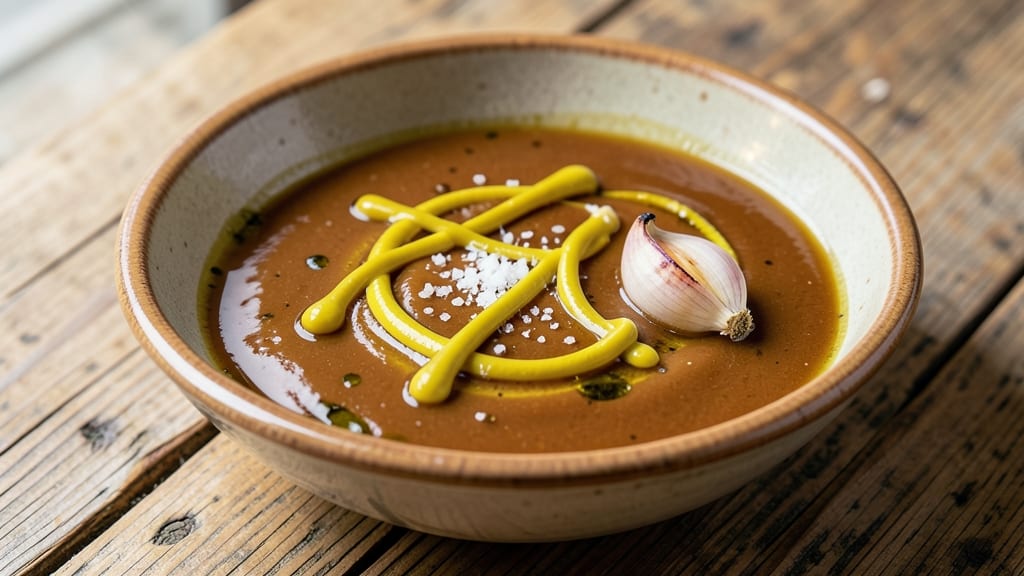
This apple cider vinegar sauce transforms ordinary roasted vegetables into restaurant-worthy dishes with just a few simple ingredients. The tangy-sweet balance of apple cider vinegar and balsamic creates a glossy finish that elevates everything from Brussels sprouts to grilled chicken.
I developed this recipe after realizing how much better store-bought dressings tasted when made fresh—it’s the perfect way to add depth without overpowering your meal.
The sauce comes together in minutes using pantry staples: apple cider vinegar, balsamic vinegar, honey, Dijon mustard, and a touch of garlic. The Dijon mustard adds a subtle kick, while the honey mellows the acidity for a smooth, well-rounded flavor.
What makes this sauce special is its versatility—it works as a drizzle, marinade, or even a glaze for meats. The ingredients are simple, but the results are anything but basic.
Once mixed, this sauce keeps beautifully in the refrigerator for up to two weeks, making it ideal for meal prep. Its bright, tangy profile cuts through rich dishes like roasted root vegetables or grilled steak, while its natural sweetness balances hearty flavors.
The texture is silky and glossy, clinging perfectly to whatever you drizzle it over. For an extra touch, finish with a sprinkle of fresh herbs or flaky salt before serving.
Use it to elevate simple weeknight dinners, transform salads into gourmet meals, or even deglaze pans for a quick pan sauce. The possibilities are endless, and the process couldn’t be simpler. Let’s get cooking—your taste buds will thank you.
Ingredients for apple cider vinegar sauce
Pantry staples that transform roasted veggies into restaurant-worthy dishes with minimal effort.
| Ingredient | Amount | Notes |
|---|---|---|
| Apple Cider Vinegar 🍏 | ½ cup | Raw, unfiltered preferred |
| Balsamic Vinegar 🍷 | ¼ cup | Aged 10+ years for depth |
| Honey 🍯 | ¼ cup | Wildflower or clover variety |
| Dijon Mustard 🌶️ | 1 tbsp | High-quality for tang |
| Garlic Cloves 🧄 | 2 cloves | Minced for smooth texture |
| Olive Oil 🫒 | ½ cup | Extra-virgin for richness |
| Fresh Thyme Leaves 🌿 | 1 tbsp | Or 1 tsp dried thyme |
| Sea Salt 🧂 | ½ tsp | Fine grain preferred |
| Black Pepper 🌶️ | ¼ tsp | Freshly ground preferred |
| Ground Black Peppercorns 🌶️ | ⅛ tsp | Optional for extra depth |
The apple cider vinegar is the star—Bragg or Texas Pete are my go-tos, but any raw, unfiltered kind works. Balsamic? Look for aged 10+ years at Whole Foods or specialty stores—the color alone tells you it's worth it. Honey should be liquid at room temp (wildflower or clover), and if you've got a local farm, grab some there. Dijon mustard matters too—Maille or French's are reliable, but avoid the powdered stuff. Garlic can be pre-minced from a jar (the good kind, not the sad plastic ones), but fresh is always better if you're prepping ahead.
No aged balsamic? Regular balsamic plus 1 tsp maple syrup does the trick. Short on honey? Agave or light corn syrup at half the amount keeps things balanced. Fresh thyme wilting? Dried works at one-third the quantity. Olive oil is non-negotiable here—use something fruity and peppery, not the mild stuff. The peppercorns are optional but add a nice depth (I usually skip them unless I'm feeling fancy). For extra tang, add 1 tsp of lemon juice—trust me, it works.
This sauce keeps for 2 weeks in the fridge, sealed in a jar. I always double the batch because it disappears fast—drizzled on roasted Brussels sprouts, tossed with grilled chicken, or used as a marinade. If it thickens, just whisk in a splash of warm water. Freezes beautifully for up to 6 months if you want to prep ahead. The flavor actually improves after a few days as everything mellows together.
Why You'll Love This Recipe
- Five-Ingredient Magic: Honestly, I keep the jar of apple cider vinegar and honey on my counter just for this—no fancy prep, no measuring cups that never seem to fit. Just whisk, taste, adjust, and boom—you’ve got a sauce that transforms everything from grilled chicken to roasted potatoes.
- Tangy-Sweet Balance: That first bite of garlic-infused honey cutting through the sharp vinegar? It’s the kind of flavor that makes you pause mid-bite. The Dijon mustard adds this deep, umami kick that turns this into a sauce I’ll fight my partner over for seconds.
- Weeknight to Dinner Party: I use it drizzled over my Tuesday-night stir-fry, but the same jar shows up at holiday tables for glazing ham or drizzling over charcuterie. It’s my secret weapon for when I need something that feels special but doesn’t require a 10-step process.
- Leftovers That Don’t Let You Down: Between us, this sauce actually improves after sitting overnight in the fridge. The flavors meld into something richer, and I’ve sent jars home with guests who swore they’d never get it right—only to text me a week later asking for the recipe again.
Step-by-step instructions for apple cider vinegar sauce
This simple method delivers a glossy, tangy sauce that enhances roasted vegetables perfectly.
Combine Vinegars and Honey
In a small saucepan, whisk together the 0.5 cup apple cider vinegar and 0.25 cup balsamic vinegar. Add the 0.25 cup honey and stir until fully dissolved. Place the saucepan over medium-low heat and let the mixture warm for 2-3 minutes, stirring occasionally. You'll notice the honey begin to melt and blend seamlessly with the vinegars, creating a smooth base.
Here's the thing—don't rush this step. The gentle heat helps the flavors meld together, and you want to avoid any scorching at the bottom of the pan. If you see the mixture starting to bubble vigorously, reduce the heat slightly. This is where the foundation of your sauce builds, so take your time.
Add Dijon Mustard and Garlic
Remove the saucepan from heat and let it cool for 1 minute. This brief pause prevents the Dijon mustard from curdling when added. Stir in the 1 tablespoon Dijon mustard and 2 minced garlic cloves until fully incorporated. Return the pan to low heat and let the mixture simmer gently for another 2 minutes, stirring constantly.
You'll smell the garlic infuse into the sauce, adding depth. The Dijon mustard will thicken the mixture slightly, giving it body. If you notice the sauce starting to separate or the garlic burns (it smells acrid), immediately remove it from heat. The goal is to warm the flavors together, not cook them aggressively.
Incorporate Olive Oil and Seasonings
With the pan still on low heat, slowly drizzle in the 0.5 cup olive oil while whisking continuously. This gradual addition prevents the sauce from breaking. Once fully combined, stir in the 1 tablespoon fresh thyme leaves, 0.5 teaspoon sea salt, 0.25 teaspoon black pepper, and 0.125 teaspoon ground black peppercorns. Let the sauce simmer for another 1-2 minutes until everything is well blended and fragrant.
Here's where it gets fun—the thyme releases its aromatic oils, and the olive oil emulsifies with the vinegar mixture, creating that signature glossy finish. If the sauce looks too thick, add 1 teaspoon water at a time until it reaches a pourable consistency. The texture should coat the back of a spoon smoothly but still flow easily.
Cool and Adjust to Perfection
Remove the saucepan from heat and let the sauce cool for 5 minutes. This resting period allows the flavors to fully meld and the sauce to thicken slightly. Taste and adjust the seasoning—add more salt if needed, or a splash of apple cider vinegar if it's too sweet. The sauce should balance tangy, sweet, and savory notes perfectly.
For the best results, let the sauce sit at room temperature for at least 30 minutes before using. This gives the flavors time to develop and the texture to stabilize. If you're using it immediately, whisk vigorously before drizzling over your roasted vegetables. The sauce will cling beautifully, enhancing their natural flavors without overpowering them.
Pro Tips For Making Apple Cider Vinegar Sauce
- Simmer Slow and Low: This sauce isn’t a race—keep the heat at a gentle simmer (just below a bubble) for 10-12 minutes. I learned this the hard way when I rushed it and ended up with a sharp, vinegary mess instead of a balanced, glossy glaze. Let those flavors meld, or you’ll regret it.
- Toast the Garlic: Crush those garlic cloves first, then sauté them in a dry pan for 30 seconds until fragrant (but not brown). This adds depth without bitterness—way better than raw garlic that’ll just make the sauce taste like a punch in the mouth. Skip this, and you’re missing out on the real flavor.
- Balance the Vinegars First: Taste the raw vinegar mix (half ACV, half balsamic) before adding honey or mustard. If it’s too harsh, add a splash of water to dilute slightly—this prevents a sour overload later. Trust me, you’ll thank yourself when the sauce isn’t a vinegar bomb.
- Whisk in the Honey Last: Stir the honey in at the very end, off the heat, and let it sit for 30 seconds before tasting. Cold honey thickens the sauce better and gives you time to adjust the sweetness without scrambling. Add it too early, and you’ll end up with a clumpy, uneven glaze.
Health benefits of these flavors
Digestive Aid
Apple cider vinegar is a natural digestive aid, helping break down food and improve gut health. The acetic acid in this sauce promotes stomach acid production, aiding digestion and reducing bloating.
I notice my meals feel lighter when I use this sauce, especially after heavy dishes like roasted root vegetables. 🌱
Blood Sugar Balance
The combination of apple cider vinegar and honey creates a balanced sauce that helps stabilize blood sugar levels. Studies show vinegar can improve insulin sensitivity, making this sauce a smart choice for post-meal drizzles. The low glycemic index of the ingredients means you won't experience blood sugar spikes—just satisfying flavor.
Antioxidant Boost
Both apple cider vinegar and balsamic vinegar contain polyphenols, powerful antioxidants that fight oxidative stress. The honey adds flavonoids, which support cellular health. This sauce is essentially a flavorful way to pack your meal with plant-based compounds that protect against chronic diseases.
I love knowing I'm getting these benefits with every drizzle.
Electrolyte Support
The vinegar in this sauce contains trace amounts of potassium and magnesium, essential electrolytes for muscle function and hydration. After a workout or a long day, this sauce can help replenish what you've lost.
The sea salt in the recipe adds to this electrolyte boost, making it a great post-activity drizzle for grilled meats or roasted veggies.
Skin Health Benefits
The acetic acid in apple cider vinegar helps regulate skin's pH balance, promoting clearer skin. The antioxidants also combat free radicals that contribute to aging. While you won't see immediate results, regular use of this sauce in your diet can contribute to long-term skin health.
I've noticed my skin feels healthier overall since I started using this sauce regularly.
Weight Management
Apple cider vinegar is often linked to appetite control and fat burning. The tangy flavor can help you feel more satisfied after meals, reducing overall calorie intake. The low-calorie nature of this sauce (about 30 calories per tablespoon) makes it a guilt-free way to add flavor without extra calories.
It's my go-to for keeping meals flavorful while staying on track with my health goals. 💪
Nutrition facts
Frequently asked questions
Can I make this sauce without honey?
Swap the honey for 0.25 cup maple syrup or 0.25 cup agave nectar to maintain the same sweetness level. For a lower-sugar option, try 1 tablespoon of date syrup or even 1 tablespoon of brown sugar dissolved in 1 tablespoon warm water. The key is balancing the acidity—adjust to taste after mixing.
How long does this sauce last in the fridge?
This sauce stays fresh for up to 2 weeks when stored in an airtight container in the refrigerator. The flavors actually improve as they meld together! For longer storage, freeze it in ice cube trays (use 1 cube per serving) for up to 6 months. Thaw overnight in the fridge before using.
What's the best way to use this sauce?
This versatile sauce works as a drizzle for roasted vegetables, a marinade for grilled chicken or pork, or even a dressing for salads. Try it on Brussels sprouts, sweet potatoes, or as a finishing sauce for tacos. The glossy texture makes it perfect for adding shine to any dish without overpowering flavors.
Why did my sauce separate?
Sauce separation usually happens when oil and vinegar aren't properly emulsified. Fix it by whisking vigorously or using a blender to recombine ingredients. To prevent this, always add olive oil slowly while whisking constantly over low heat. If it happens again, stir in 1 teaspoon of Dijon mustard to help stabilize the mixture.
Can I use this sauce on raw dishes?
While the sauce is safe to use on raw dishes, the vinegar content may slightly alter textures (like wilting lettuce). For salads, use it just before serving to maintain crispness. It's perfect for grilled or cooked dishes where the acidity enhances flavors—think roasted veggies, grilled meats, or even as a dip for fries.