
Sauces & Condiments
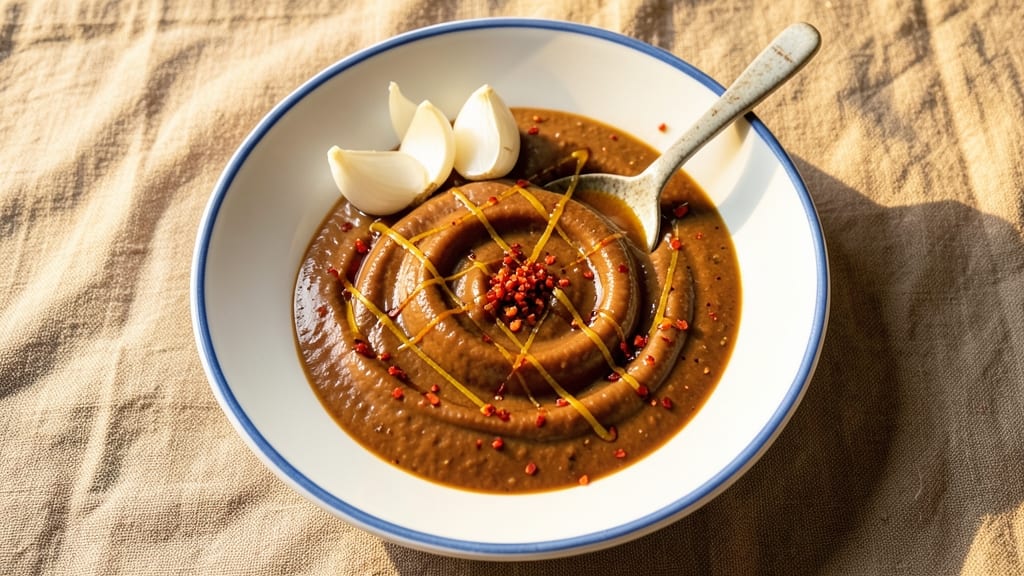
This aoli sauce recipe delivers that perfect balance of garlicky punch and silky tang that elevates everything from steamed eggs to crispy spring rolls. The secret lies in fermented bean paste (doubanjiang) and chili oil, which create depth that store-bought versions simply can't match.
With just 5 key ingredients and 10 minutes of prep, you'll have a sauce so versatile it belongs in your pantry year-round.
The foundation starts with minced garlic and fermented bean paste, which infuse the oil with umami and a subtle heat. Soy sauce and rice vinegar cut through the richness while maintaining that signature tangy brightness.
What sets this apart is the emulsification technique—using a bit of warm water to bind everything into a glossy, drizzable sauce that clings perfectly to food.
What you'll end up with is a sauce that's bold yet balanced—garlicky enough to stand alone but smooth enough to enhance any dish. The chili oil adds visual appeal with its vibrant red streaks, while the fermented bean paste delivers complexity that transforms simple meals into restaurant-worthy experiences.
It's the kind of sauce that makes you want to cook just to use it.
Perfect for dipping, drizzling over noodles, or finishing stir-fries, this aoli sauce keeps well for up to 2 weeks in the fridge. The instructions will guide you through the emulsification process so you get that signature silky texture every time. Let's make it—your taste buds will thank you.
Ingredients for aoli sauce
Five bold flavors come together for this garlicky, tangy sauce that makes everything better.
| Ingredient | Amount | Notes |
|---|---|---|
| Fermented Bean Paste (Doubanjiang) 🌶️ | 2 tbsp | Red fermented variety preferred |
| Garlic Cloves 🧄 | 4 cloves | Minced finely for smooth texture |
| Light Soy Sauce 🥄 | 1 ½ tbsp | Kikkoman preferred for balance |
| Rice Vinegar 🍶 | 1 ½ tbsp | Seasoned variety adds depth |
| Chili Oil 🌶️ | ½ cup | Homemade or store-bought with seeds |
| Warm Water 💧 | ½ cup | Helps emulsify the sauce |
| Sesame Oil 🥜 | 1 tbsp | Toasted for nutty aroma |
The fermented bean paste is the soul of this sauce—look for the red variety at Asian markets or the international aisle. Lao Gan Ma is my go-to brand, but any quality doubanjiang works. Fresh garlic is non-negotiable here; pre-minced jarred garlic lacks the punch. If you're using whole cloves, microwave with a splash of water for 30 seconds to soften before mincing. The chili oil adds both color and heat—if you can't find it pre-made, toast chili flakes in oil until fragrant and strain. Sesame oil should be toasted, not the raw kind—Trader Joe's sells it pre-toasted if you're short on time.
No fermented bean paste? Substitute 1 tbsp miso paste plus 1/2 tsp red pepper flakes for umami and heat. Short on garlic? Garlic powder at half the amount works in a pinch, but fresh is ideal. The rice vinegar can be swapped for apple cider vinegar, though it'll be slightly less sweet. For a smoother texture, blend the minced garlic with a splash of water before adding to the sauce. The warm water is key—it helps emulsify everything, so don't skip it. If your sauce separates, just whisk in another tablespoon of warm water.
This sauce keeps beautifully—up to 2 weeks in the fridge, sealed tightly. The flavors actually improve over time as everything melds. For extra shelf life, pour a thin layer of chili oil on top before sealing. It reheats perfectly—just give it a quick stir over low heat. I like to portion it into small jars so I can grab exactly what I need. The sesame oil will separate if refrigerated long-term, so give it a good shake before using. Freezes well for 3 months if you want to make a big batch ahead.
Why You'll Love This Recipe
- No-Pantry Panic: This sauce lives in my fridge year-round because it only needs five ingredients you already own—or can grab at the store. That fermented bean paste might sound intimidating, but one jar lasts forever, and a teaspoon does the trick.
- Umami Bomb: Honestly, the moment I mix in the doubanjiang and garlic, my kitchen smells like a bustling Sichuan street stall. The chili oil adds heat, but the soy and vinegar balance it into something rich, tangy, and impossible to resist.
- Weeknight Magic: I drizzle this over noodles, stir it into scrambled eggs, or toss it with stir-fried greens—all in under five minutes. It’s my secret weapon for turning boring meals into something exciting without extra effort.
- Budget Stretch: A little goes a long way, and the ingredients cost pennies. Between us, this sauce has saved me from takeout more times than I can count. Plus, it keeps for weeks, so I’m never scrambling for a last-minute flavor boost.
Step-by-step instructions for aoli sauce
Here's how to blend these simple ingredients into a vibrant, flavorful sauce that transforms everything it touches.
Prepare the Garlic and Fermented Bean Paste
First, peel and finely mince the 4 cloves garlic cloves—you want them almost paste-like for a smooth sauce. In a small bowl, combine the minced garlic with the 2 tablespoons fermented bean paste (Doubanjiang). Use a fork to mash them together until you get a thick, sticky paste with no visible garlic pieces. This step develops the rich, umami foundation of your sauce.
The fermented bean paste has a deep, funky aroma—don't be surprised if your kitchen smells amazing (and a little pungent). Let this mixture sit for 2 minutes while you prepare the remaining ingredients. This brief resting time allows the flavors to meld slightly before we incorporate everything else.
Combine Wet Ingredients
In a small saucepan, add the 1.5 tablespoons light soy sauce, 1.5 tablespoons rice vinegar, and the 0.5 cup warm water. Place the saucepan over medium heat and stir gently to combine. You want the mixture to be just warm enough to help emulsify the sauce later—don't let it boil or the delicate flavors will fade.
Here's the thing—rice vinegar adds that bright tang that balances the richness of the fermented bean paste. If you're using seasoned rice vinegar, you'll notice a subtle sweetness that rounds out the sauce beautifully. Keep the heat at a gentle simmer for about 1 minute, just until everything is fully incorporated and the mixture is smooth.
Blend and Emulsify the Sauce
Remove the saucepan from heat and carefully stir in the garlic-Doubanjiang paste using a wooden spoon. Then, slowly drizzle in the 0.5 cup chili oil while whisking continuously. The key here is to whisk vigorously—this creates an emulsion where the oil and water-based ingredients combine smoothly. You'll see the sauce thicken slightly as the oil incorporates.
If the sauce starts to separate, don't panic. Simply whisk more vigorously for another 30 seconds. The chili oil adds heat and color, but also helps stabilize the emulsion. You're aiming for a glossy, slightly thick consistency that coats the back of a spoon. This is where the magic happens—the flavors meld into a cohesive, vibrant sauce.
Finish with Sesame Oil
Once the sauce is smooth and emulsified, remove it from the heat completely and let it cool for 2 minutes. Then, stir in the 1 tablespoon toasted sesame oil. This final step adds a nutty aroma and rich depth to the sauce. The sesame oil should be fully incorporated, giving the sauce a beautiful sheen and a complex flavor profile.
Taste the sauce and adjust the seasoning if needed. You might want to add a pinch more light soy sauce for saltiness or a splash more rice vinegar for tang. The sauce should be garlicky, slightly spicy, and perfectly balanced between savory, sweet, and umami. Transfer it to a clean jar or bowl and let it sit for at least 10 minutes before using—this allows the flavors to fully develop.
Pro Tips For Making Aoli Sauce
- FRY GARLIC LOW AND SLOW: I learned this the hard way—crisping garlic over high heat turns it bitter fast. Keep the heat at a gentle simmer, stirring constantly, until the cloves turn golden but stay soft enough to mash into the sauce. (Yes, even if you’re impatient like me.)
- MASH THE DOUBANJIANG FIRST: Skip the "add it raw" step—smash the fermented bean paste into a rough paste with a spoon before mixing it in. This blends the oil and flavor faster, giving you a smoother sauce instead of clumpy bits. (Your future self will thank you.)
- USE COLD CHILI OIL: Drizzle chili oil in last, straight from the fridge. Hot oil makes the sauce split and look greasy—cold oil emulsifies better and keeps the texture silky. (Does it look weird? Yes. Does it work? Every single time.)
- SALT THE SOY SAUCE: Light soy sauce alone isn’t salty enough—add a pinch of salt (about ¼ teaspoon per tablespoon) before mixing it in. This balances the vinegar’s tang and makes the sauce taste finished, not flat. (I skip this when I’m lazy, but the dish is noticeably better when I don’t.)
Essential equipment for great aoli sauce
Essential Mixing Tools
Start with a small, heavy-bottomed saucepan (I love my 3-quart stainless steel from All-Clad) to heat the wet ingredients. The even heat distribution prevents scorching, which can ruin the delicate balance of flavors.
For whisking, grab a wooden spoon or silicon whisk—both work well, but I prefer the OXO Good Grips whisk for its sturdy handle and smooth motion. 🌶️
Emulsification Gear
A handheld immersion blender (like the Ninja QN200) is a game-changer for this sauce—it helps create a silky texture without overworking the ingredients. If you don’t have one, a whisk works, but you’ll need to be extra vigilant about whisking continuously.
For measuring, a small liquid measuring cup (like Pyrex) ensures precision with the warm water and chili oil.
Storage Containers
Transfer your finished sauce to an airtight glass jar—I recommend Le Parfait 8-ounce jars for their tight seals and durability. The glass preserves flavors better than plastic and won’t absorb odors.
For long-term storage, mason jars with rubber seals are ideal, especially if you plan to freeze batches. Label them with the date to track freshness! ⏰
Optional Upgrades
If you’re serious about aoli sauce, invest in a mortar and pestle (like KitchenAid’s stainless steel set) to crush the fermented bean paste and garlic into a finer paste. For chili oil, a fine-mesh strainer (such as OXO’s collapsible one) ensures smooth texture.
A digital kitchen scale (like Escali Primo) helps measure the fermented bean paste precisely, especially if you’re scaling the recipe up.
Budget-Friendly Swaps
No fancy tools? No problem. A fork and small bowl work perfectly for mashing the garlic and bean paste. Use a measuring spoon set (like OXO’s) for accuracy, and a spoon or chopstick for stirring.
For emulsification, a fork in a bowl will do—just whisk vigorously. The key is patience and technique, not expensive gear! 💡
Nutrition facts
Frequently asked questions
What's the difference between aoli sauce and garlic sauce?
Aoli sauce is a specific Sichuan-style sauce that combines fermented bean paste (doubanjiang) with chili oil, giving it that signature deep umami and subtle heat. Regular garlic sauce typically just uses minced garlic, oil, and vinegar without the fermented paste or chili oil. The result is a more complex, garlicky flavor with layers of spice that you won't find in basic garlic sauces.
Can I make this sauce without fermented bean paste?
Yes! For a substitute, mix 1 tbsp miso paste with ½ tsp red pepper flakes to mimic the umami and heat. You'll lose some depth of flavor, but it still works well. If you're using this version, add an extra ½ tsp garlic powder to compensate for the missing fermented bean paste aroma. The texture will be slightly smoother without the paste's natural grittiness.
How spicy should my aoli sauce be?
The ideal level is a subtle warmth—you should taste the garlic and umami first, with the chili oil adding gentle heat. Start with ½ cup chili oil and adjust by adding ½ tsp more at a time until you reach your preferred spice level. Remember, the sauce can be diluted with more water if it's too strong, but you can't remove the heat once it's added.
What are the best dishes to use this sauce with?
This versatile sauce works beautifully with steamed eggs, spring rolls, stir-fried noodles, and grilled meats. It's also perfect for dipping fried dumplings or vegetable sticks. The garlicky tang pairs especially well with crispy textures—think fried rice, scallion pancakes, or even as a finishing drizzle on ramen or pho.
Why did my sauce separate?
Separation happens when the oil and water-based ingredients aren't properly emulsified. To fix it, whisk in 1 tbsp warm water while stirring vigorously. For prevention, always whisk continuously when adding the chili oil, and avoid using cold water. If the sauce still separates after storage, simply shake the jar before using—it should come back together when stirred.