
Sauces & Condiments
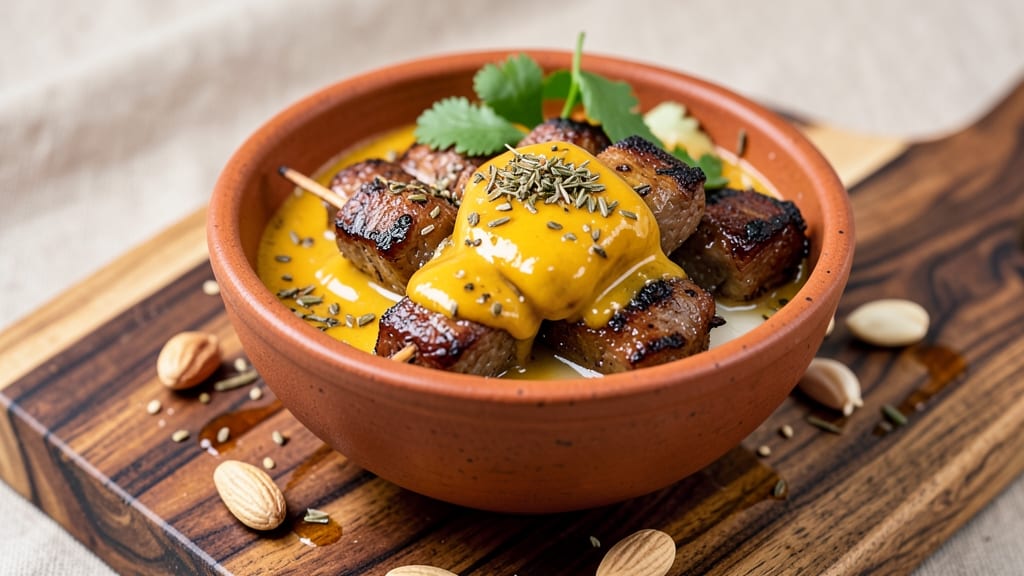
This anticuchera sauce recipe transforms grilled meats into a smoky, tangy masterpiece with just six ingredients and 15 minutes of prep. The secret lies in balancing Peru’s iconic ají amarillo with sharp vinegar and toasted peanuts for a sauce that’s both bold and versatile.
I developed this version after realizing store-bought options never capture the restaurant-quality depth of homemade—until now.
The foundation is a vibrant blend of ají amarillo paste, garlic, and white vinegar, simmered until the flavors meld into a smooth, slightly sweet base. Toasted peanuts add crunch and richness, while cumin and oregano deepen the earthy notes.
What sets this sauce apart is its ability to enhance any grilled protein—whether beef skewers, chicken, or even vegetables—without overpowering the natural flavors.
By the time you’re done, you’ll have a sauce that’s smoky, tangy, and just slightly sweet, with a texture that clings perfectly to grilled meats. The best part?
It keeps well in the fridge for up to a week, so you can make a batch ahead for your next cookout. This isn’t just a condiment—it’s the star of the plate.
Pair it with grilled anticuchos (beef heart skewers) or use it as a marinade for extra flavor. The sauce’s balance of heat, acidity, and nuttiness makes it a game-changer for any dish. Let’s get started on creating this restaurant-worthy sauce at home.
Ingredients for anticuchera sauce
Six ingredients, fifteen minutes—this sauce delivers restaurant-quality smoky tang for grilled meats.
| Ingredient | Amount | Notes |
|---|---|---|
| Ají Amarillo Paste 🌶️ | ¼ cup | High-quality paste for authentic flavor |
| White Vinegar 💧 | ½ cup | Distilled white vinegar preferred |
| Garlic Cloves 🧄 | 4 cloves | Freshly minced for aromatic punch |
| Toasted Peanuts 🥜 | ¼ cup | Lightly toasted for nutty crunch |
| Ground Cumin 🌿 | ½ tsp | Freshly toasted for depth |
| Dried Oregano 🍃 | ½ tsp | Mexican oregano preferred |
| Olive Oil 🫒 | ¼ cup | Extra-virgin for richness |
| Salt 🧂 | ½ tsp | Kosher or sea salt |
The ají amarillo paste is non-negotiable for authentic flavor. Look for it in Latin markets or well-stocked grocery stores—the brands at H Mart or La Tienda are top-notch. If you can't find it, yellow bell pepper paste works in a pinch, though it won't be as vibrant. Fresh garlic is a must here—roast the cloves first for a sweeter, deeper flavor. Toast your peanuts in a dry pan until golden—they should smell nutty and warm. Store-bought roasted peanuts lose that fresh toasted aroma, so skip them if you want the real deal.
No ají amarillo? Yellow bell pepper paste or even a pinch of paprika can mimic some of the color, though the flavor won't be identical. Short on vinegar? Lemon juice works in a bind, but it'll be less tangy. The cumin and oregano are essential—they're what give this sauce its signature earthy depth. Mexican oregano has a slightly different profile than Italian, so grab it if you're near a Latin market. For extra richness, add a splash of chicken broth to the simmer, but keep it to a tablespoon or two.
This sauce keeps beautifully—up to a week in the fridge if stored in an airtight jar. The flavors actually meld better over time, so make a batch ahead for your next cookout. Freeze portions in ice cube trays for easy single-use servings. If it thickens too much, stir in a splash of water or vinegar. The peanuts will separate slightly, but that's normal—just give it a quick stir before using. Leftovers? Toss them on grilled veggies or use as a marinade for next time.
Why You'll Love This Recipe
- Here’s what sold me: it doesn’t spoil. I’ve had this sauce sit in the fridge for five days and still taste fresh. The peanuts stay crisp, the vinegar keeps it bright, and it’s cheap enough that I don’t feel bad making a double batch. Budget-friendly? Absolutely. Waste-free? Even better.
- Few Ingredients, Big Payoff: I swear by this recipe because it’s that rare sauce where you only need five things—and still end up with something restaurant-quality. No fancy pantry hauls, just ají amarillo paste (the secret weapon), vinegar for brightness, and a handful of toasted peanuts that add crunch like magic.
- Tangy-Spicy-Savory Magic: The moment that garlic and cumin hit the vinegar? Instant flavor explosion. It’s got this perfect balance—smoky from the cumin, bright from the vinegar, and a slow-building heat from the ají amarillo that lingers without overpowering. Honestly, I’ve tried store-bought versions, and this one wins every time.
- Dips, Dresses, Everywhere: Between us, this sauce is my go-to for anything. Grilled meats? Yes. Fajitas? Obviously. Even as a quick marinade or a dip for chips—it’s that versatile. I keep a jar in the fridge for those nights when I’m too tired to plan but still want flavor.
Step-by-step instructions for anticuchera sauce
Here's how to create this vibrant, smoky sauce that brings authentic Peruvian flavor to every bite.
Toast the Spices and Nuts
In a dry skillet over medium heat, add the 0.25 cup toasted peanuts and 0.5 teaspoon ground cumin. Toast for 2-3 minutes until the peanuts are fragrant and the cumin releases its earthy aroma. Keep your eye on them—they'll darken quickly, so stir frequently to prevent burning.
Transfer the toasted mixture to a small bowl and set aside. This step develops the nutty depth that makes this sauce so special. While it cools slightly, you'll be ready to build the sauce's foundation with the garlic and ají amarillo paste.
Bloom the Garlic and Ají Amarillo
In the same skillet (no need to clean it—the flavor will carry through), heat the 0.25 cup olive oil over low heat. Add the 4 cloves minced garlic and cook for 30 seconds until fragrant but not browned. Immediately add the 0.25 cup ají amarillo paste and stir vigorously for 1 minute.
The ají amarillo paste will darken and thicken as it blooms in the oil. This is where the sauce gets its signature smoky-sweet flavor. Don't let it burn—keep the heat gentle. If it starts to smoke too much, reduce the heat slightly and let it cook slowly.
Deglaze with Vinegar
Pour in the 0.5 cup white vinegar and scrape up any browned bits from the bottom of the pan with a wooden spoon. This deglazing step captures all the flavor that's stuck to the pan. Bring the mixture to a gentle simmer and cook for 3-4 minutes until the vinegar has mostly evaporated.
You'll notice the sauce will thicken slightly and develop a glossy sheen. This is exactly what you want—it should coat the back of a spoon but still be pourable. If it's too thick, add 1 tablespoon water to loosen it. The vinegar balances the richness of the ají amarillo and adds that signature tang.
Incorporate the Toasted Mixture
Return the toasted peanuts and cumin to the skillet and stir in the 0.5 teaspoon dried oregano and 0.5 teaspoon salt. Cook for an additional 1-2 minutes until everything is well combined and heated through. The peanuts should be warm but not crispy again.
Taste the sauce and adjust the seasoning if needed. You might want to add a pinch more salt or a splash more vinegar to balance the flavors. The sauce should be vibrant, slightly smoky, with a bright acidity from the vinegar cutting through the richness.
Rest and Serve
Remove the sauce from heat and let it rest for 5 minutes. This allows the flavors to meld completely. The sauce will thicken slightly as it cools, so it's best served warm or at room temperature.
Use the sauce immediately over grilled anticuchos or store it in an airtight container in the refrigerator for up to 5 days. Before serving, gently reheat it over low heat and stir in a splash of water if it thickens too much. This sauce is the perfect balance of smoky, tangy, and nutty flavors that elevate any dish it accompanies.
Pro Tips For Making Anticuchera Sauce
- BLISTER THE GARLIC: Sear the minced garlic in oil until it’s deep golden—almost brown—before adding the ají paste. I used to rush this, and the sauce would taste raw and sharp. That extra 30 seconds of watching the pan makes all the difference.
- TOAST PEANUTS UNTIL NUTTY: Dry-toast the peanuts in a separate pan until they smell like a street cart, not just warm. Overlooking this step means they’ll just get soggy in the sauce. (Yes, even if you’re impatient like me.)
- SIMMER LOW AND SLOW: Reduce the heat to barely a simmer once the vinegar hits—this keeps the sauce from turning bitter. I learned this the hard way after a batch tasted like a science experiment gone wrong.
- STRAIN THE PASTE FIRST: Whisk the ají paste with a splash of water before adding it to the pan to dissolve any lumps. Skipping this means you’ll end up with a grainy, uneven sauce—no one wants that.
Serving suggestions for anticuchera sauce
Grilled Meat Pairings
This sauce was made for grilled anticuchos, but it shines with other proteins too. Try it with beef heart skewers, lamb chops, or even grilled chicken thighs.
The smoky depth and tangy brightness cut through rich meats beautifully. I love drizzling it over peruvian-style pork skewers for a restaurant-worthy finish. 🔥
Vegetarian Options
Don’t let this sauce be just for meat lovers! Brush it on grilled portobello mushrooms or eggplant steaks for a bold vegetarian option. It also works wonderfully with roasted sweet potatoes or charred zucchini. The nutty peanuts and ají amarillo add a savory punch that vegetarians will love. 🌱
Dipping Sauce Magic
Use it as a dip for fresh breadsticks, plantain chips, or crispy tostones. The vinegar and peanuts create a perfect balance of crunch and tang.
I’ve even seen it used as a dip for grilled shrimp skewers—the seafood’s sweetness pairs perfectly with the sauce’s bold flavors. 🥜
Marinade Potential
Double the batch and use half as a marinade for grilled chicken or beef strips. Let it sit for 30 minutes to 2 hours before cooking to infuse maximum flavor.
The ají amarillo and vinegar tenderize while adding depth. I like using it on flank steak before slicing thin for tacos. 🌶️
Breakfast Twist
Yes, really! Drizzle this sauce over scrambled eggs or chorizo breakfast tacos for a smoky, tangy kick. The peanuts add crunch, and the ají amarillo brings heat. It’s a wild but delicious way to start your day—trust me, it works! ☕
Storage-Friendly Uses
If your sauce thickens in the fridge, thin it with 1 tablespoon water or white vinegar before using. Leftovers make a fantastic pasta sauce—toss with spaghetti and top with toasted peanuts. You can also freeze it in ice cube trays for quick single-use portions. 🧊
Nutrition facts
Frequently asked questions
Can I make anticuchera sauce without ají amarillo paste?
Yes, but the flavor won't be authentic. For a substitute, blend 1 yellow bell pepper with 1 tablespoon olive oil and 1 teaspoon smoked paprika until smooth. This will give you a mild sweetness and smokiness, though it won't match the depth of ají amarillo.
How spicy is this sauce, and can I adjust the heat?
The sauce has a mild, smoky heat from ají amarillo—think medium heat (like a mild jalapeño). For more spice, add ½ teaspoon cayenne pepper or 1 teaspoon hot sauce at the end. For less heat, reduce the ají amarillo to 2 tablespoons instead of ¼ cup. Always taste before serving!
Can I make this sauce ahead of time?
This sauce actually tastes better after resting. Make it 1-2 days ahead and store in an airtight jar in the fridge. The flavors meld beautifully, and it reheats perfectly. For longer storage, freeze in ice cube trays—thaw overnight in the fridge before using.
What's the best way to reheat anticuchera sauce?
Gently reheat over low heat in a small saucepan, stirring frequently. If it thickens too much, add 1 tablespoon water or vinegar to restore its pourable consistency. Never microwave—it can make the peanuts oily and the sauce grainy. A quick 30-second reheat on the stovetop is ideal.
Can I use this sauce as a marinade?
Yes! Double the recipe and use half as a marinade for grilled chicken, beef strips, or pork skewers. Let it sit for 30 minutes to 2 hours before cooking. The ají amarillo and vinegar will tenderize the meat while infusing bold flavor. Just pat the meat dry before grilling to ensure a good sear.