
Sauces & Condiments
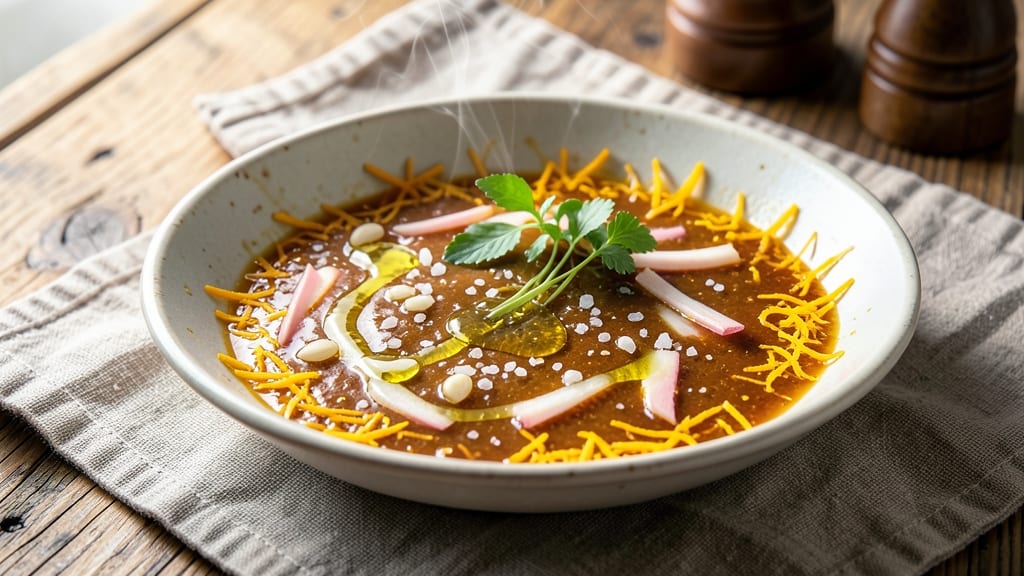
This anti-inflammatory teriyaki sauce recipe transforms traditional sweet glaze into a vibrant, gut-friendly marinade that packs ginger’s zing and turmeric’s golden power. The secret? Swapping refined sugar for coconut aminos and pineapple’s natural enzymes, creating a sauce that’s as nourishing as it is flavorful.
I developed this after years of experimenting with anti-inflammatory Asian-inspired dishes—this version delivers the same bold umami without the blood sugar spike. What sets this sauce apart is the turmeric-ginger base, which not only adds depth but also provides potent antioxidants.
The coconut aminos replace soy sauce while keeping that signature savory-sweet balance, while pineapple’s acidity tenderizes proteins and adds a subtle sweetness. It’s the perfect companion for grilled chicken, tofu stir-fries, or even drizzled over roasted vegetables.
By the time you’re done, you’ll have a rich, glossy sauce that caramelizes beautifully on high heat, creating a sticky glaze with every brush. The aroma alone—warm spices mingling with smoky grill notes—will have your kitchen smelling like a health-conscious Asian bistro.
Best of all, it keeps for up to 2 weeks in the fridge, making it your new go-to pantry staple. Use it as a marinade for 30 minutes to overnight, a stir-fry sauce, or a finishing glaze.
The possibilities are endless, and your taste buds (and gut) will thank you.
Ingredients for anti inflammatory teriyaki sauce
Gut-friendly umami meets vibrant spices—this sauce delivers bold flavor with healing power.
| Ingredient | Amount | Notes |
|---|---|---|
| Coconut Aminos 🥄 | ½ cup | For umami depth, not soy sauce |
| Fresh Ginger Root 🌿 | ¼ cup | Finely grated, organic preferred |
| Fresh Turmeric Root 🧡 | ¼ cup | Grated, vibrant orange color |
| Pineapple Juice 🍍 | ½ cup | Freshly squeezed, no additives |
| Extra-Virgin Olive Oil 🫒 | ¼ cup | High-quality, fruity variety |
| Garlic Cloves 🧄 | 4 cloves | Minced, fresh preferred |
| Fresh Lemon Juice 🍋 | ¼ cup | Freshly squeezed, no pulp |
| Raw Honey 🍯 | 2 tbsp | Local preferred, antibacterial |
| Sesame Oil 🌰 | 1 tbsp | Toasted, for aroma |
| Black Peppercorns 🌶️ | ½ tsp | Freshly ground, enhances turmeric |
The ginger and turmeric are non-negotiable here—organic roots from Whole Foods or your local farmers market pack the most punch. Freshly grated is key; pre-grated loses potency fast. For coconut aminos, Coconut Secret is my go-to—it’s the closest to soy sauce in flavor but without the inflammatory properties. The pineapple juice? Fresh is best, but if you’re using canned, go for unsweetened and shake the can to mix the juice with any settled pulp. Sesame oil adds depth, but toasted sesame oil (not the lighter variety) gives that nutty aroma we all love.
No fresh ginger? Powdered works at half the amount, but you’ll miss that zing. Subbing turmeric? Curcumin powder is fine, but the root’s fibrous texture helps thicken the sauce naturally. Out of honey? Maple syrup or agave keeps it vegan, though honey adds subtle antibacterial properties. The garlic can be roasted for a milder flavor—just toss whole cloves in a 400°F oven for 10 minutes before mincing. And if you’re avoiding sesame oil, avocado oil at half the amount mimics the richness without the toasted notes.
This sauce caramelizes beautifully, so store it in a glass jar with a tight seal—keeps for 2 weeks in the fridge. For longer storage, freeze in ice cube trays and transfer to a bag; thaw as needed. The flavors actually deepen over time, so don’t hesitate to make a big batch. I like to keep a jar in the fridge at all times—drizzle over grilled salmon, toss with tofu, or brush on baked sweet potatoes. The black pepper isn’t just for heat; it helps your body absorb the turmeric’s curcumin by 2000%—science, people!
Why You'll Love This Recipe
- No Chopping Needed: I swear by this sauce because it’s one of those rare recipes where you just mix instead of prep. Fresh ginger and turmeric get grated in seconds—no peeling, no dicing—while the coconut aminos and pineapple juice do all the heavy lifting. Honestly, I’ve made it on days when I couldn’t even be bothered to wash my hands properly.
- Golden, Tangy Magic: That first sip of this sauce is chef’s kiss—bright from the pineapple, warm from the turmeric, and just salty enough thanks to the coconut aminos. The olive oil ties it all together with a silky richness that makes it taste way more gourmet than it is. (Yes, even on a Tuesday night.)
- Glazes, Marinades, Drizzles: This isn’t just for stir-fries—it’s my secret weapon for roasted chicken, grilled fish, or even as a dip for veggies. I keep a jar in the fridge for last-minute meal prep, and it never lets me down. Between us, it’s the only sauce I trust to turn a sad salad into something people actually finish.
- Half the Cost, Double the Leftovers: A single batch stretches across three meals for my family, and the ingredients won’t break the bank. Fresh turmeric and ginger might seem fancy, but they go a long way, and coconut aminos last forever. Not the prettiest in the pantry, but it’s the most reliable sauce I own—no takeout cravings allowed.
Step-by-step instructions for anti-inflammatory teriyaki sauce
Here's how to craft a vibrant, health-boosting sauce with bold flavors and anti-inflammatory power.
Sauté Aromatics in Olive Oil
Heat the 0.25 cup extra-virgin olive oil in a medium saucepan over medium heat. Add the 4 cloves minced garlic and cook for 1 minute until fragrant but not browned—this prevents bitterness. Immediately add the 0.25 cup finely grated fresh ginger root and 0.25 cup grated fresh turmeric root, stirring constantly for 2-3 minutes.
The turmeric will develop a deep golden hue as it cooks, releasing its earthy aroma. Keep the heat at medium—too high and the ginger will burn before releasing its full flavor. This foundational step builds the sauce's complex, warming base that will carry through the entire dish.
Simmer the Sauce Base
Pour in the 0.5 cup coconut aminos and 0.5 cup pineapple juice, stirring to combine. Bring the mixture to a gentle boil, then reduce heat to low and let it simmer uncovered for 8-10 minutes. The sauce should reduce slightly, becoming thicker and more concentrated.
As it simmers, you'll notice the colors deepen—ginger's pale yellow brightens while turmeric's golden-orange becomes more intense. This reduction step is crucial for developing the sauce's rich umami flavor and balancing the natural sweetness of the pineapple juice.
Add Acid and Sweetness
Remove the saucepan from heat and stir in the 0.25 cup fresh lemon juice and 2 tbsp raw honey. The lemon juice will brighten the flavors while the honey adds subtle sweetness that complements the tartness. Return the pan to low heat and let the sauce warm through for 1-2 minutes, stirring constantly to prevent scorching.
Here's where the sauce comes together—this is the moment when all the flavors meld. The lemon juice cuts through the richness of the coconut aminos, while the honey prevents the sauce from becoming too sharp. Taste and adjust the balance: if it needs more brightness, add a splash of lemon; if it needs sweetness, add another teaspoon of honey.
Finish with Sesame Oil and Pepper
Remove the pan from heat and stir in the 1 tbsp toasted sesame oil and 0.5 tsp freshly ground black peppercorns. The sesame oil adds a nutty aroma that enhances the overall complexity, while the peppercorns provide a subtle heat that complements the turmeric's natural warmth.
Let the sauce rest for 5 minutes before using—this allows all the flavors to fully integrate. The sesame oil should be evenly distributed, creating a delicate sheen on the surface. This final step transforms a good sauce into an exceptional one by adding that signature aromatic finish that makes it truly special.
Strain and Store
For a silky-smooth sauce, strain through a fine-mesh sieve into a clean bowl, pressing gently on the solids to extract all the flavor. The strained sauce will have a vibrant golden-orange color with a beautiful sheen from the sesame oil. Transfer to an airtight container and store in the refrigerator for up to 1 week or freeze for up to 3 months.
This sauce is perfect for grilled proteins, roasted vegetables, or as a dipping sauce. The anti-inflammatory properties of turmeric and ginger combine with the natural sweetness of pineapple and honey to create a sauce that's as nourishing as it is delicious. Use it immediately for maximum flavor impact!
Pro Tips For Making Anti Inflammatory Teriyaki Sauce
- GRATE THAT GINGER FINE: I learned this the hard way—chunky ginger just sits there like a stubborn guest. Use a microplane or the smallest holes on a box grater for ginger and turmeric, then let it steep for 5 minutes before adding heat. The flavor melts into the sauce instead of hiding in lumps.
- SIMMER GENTLY, NOT BOIL: This sauce isn’t a race. After adding pineapple juice, reduce to a bare simmer—just enough to see tiny bubbles at the edges. Boiling burns off the delicate turmeric compounds and makes the coconut aminos taste harsh. Keep it steady, like a slow dance.
- STRAIN THE TURMERIC: Fresh turmeric root is magical, but it leaves behind a gritty texture that ruins the silky finish. After grating, strain the pulp through a fine-mesh sieve before adding it to the pot. Yes, it’s an extra step, but your sauce will thank you—no one wants to chew on fiber while eating teriyaki.
- SWAP OLIVE OIL LAST: Add the extra-virgin olive oil at the very end, just before serving. Heat breaks down its delicate compounds, turning rich flavor into something bitter. A drizzle at the end keeps the anti-inflammatory benefits intact and adds a luxurious finish. (Trust me, your taste buds will notice.)
Pro cooking tips for perfect results
Heat Control Secrets
Keep your heat at medium when sautéing ginger and turmeric—this prevents burning while allowing their flavors to develop fully. I’ve ruined batches by cranking the heat too high, which turns the ginger bitter.
For the simmering step, low heat is key to reduce the sauce gradually without scorching. Use a medium saucepan (not too wide) to maintain better temperature control. 🌡️
Straining for Perfection
Straining through a fine-mesh sieve removes fibrous bits, giving you a silky-smooth sauce. Press gently on the solids with a spoon to extract every last drop of flavor. I use a stainless steel sieve because it’s durable and won’t retain odors.
For extra smoothness, strain twice if needed—this is especially helpful if you’re using fresh roots with more texture. ✨
Balancing Flavors Like a Pro
Taste your sauce at the 1-minute warm-through stage—this is when you can adjust sweetness or acidity most effectively. Need more brightness? Add 1 tsp lemon juice. Too sharp? Stir in ½ tsp honey.
I keep a small bowl of honey and lemon on hand while cooking for quick tweaks. The goal is a harmonious balance between the earthy turmeric, zesty ginger, and sweet pineapple. 💫
Caramelizing for Glaze Potential
For a glossy finish on grilled proteins, simmer the sauce uncovered for 12-15 minutes until it thickens slightly. The longer it reduces, the more concentrated the flavors become.
I like to brush this sauce on salmon or chicken during the last 5 minutes of grilling to create a sticky, caramelized crust. Just be careful not to over-reduce—you want it to coat a spoon, not turn into syrup. 🔥
Pepper’s Power Boost
Don’t skip the black pepper—it’s not just for heat. The piperine in black pepper increases turmeric’s curcumin absorption by 2000%! Grind your own peppercorns for maximum potency. I use a small mortar and pestle to crush them right before adding to the sauce.
For extra depth, toast the peppercorns in a dry pan for 30 seconds before grinding. 🌶️
Make-Ahead Magic
This sauce actually tastes better after 24 hours as the flavors meld. Store it in an airtight glass jar in the fridge, and give it a good stir before using. For freezing, portion into ice cube trays—thaw just what you need for a quick marinade or stir-fry.
I keep a jar in my fridge at all times because it’s that versatile. The longer it sits, the more complex the flavor profile becomes. ⏰
Nutrition facts
Frequently asked questions
Can I use this sauce as a marinade?
This sauce works wonderfully as a marinade for proteins like chicken, salmon, or tofu. For best results, marinate for 30 minutes to 2 hours in the fridge—longer marinating can make delicate fish too mushy. The ginger and turmeric will tenderize while infusing flavor, and the coconut aminos add that signature umami kick.
What makes this sauce anti-inflammatory?
The power comes from the turmeric-ginger-pepper trio—turmeric contains curcumin, a potent anti-inflammatory compound, while ginger reduces inflammation and black pepper boosts curcumin absorption by 2000%. The pineapple juice also adds bromelain, an enzyme that aids digestion and reduces inflammation.
How can I make this sauce vegan?
Swap the raw honey for 2 tbsp maple syrup or agave nectar, and use a vegan coconut aminos brand like Coconut Secret. The rest of the ingredients are already plant-based! The sauce will still have that rich, caramelized flavor—just slightly less antibacterial from the honey.
Will this sauce work for stir-fries?
Perfect for stir-fries! Use 2-3 tbsp of sauce per serving and toss it in during the last 2 minutes of cooking to prevent overcooking. The sauce's natural sweetness caramelizes beautifully with high heat, creating a glossy finish. For extra richness, add a splash of sesame oil at the end.
What if I don’t have fresh turmeric root?
Use 1 tbsp ground turmeric instead, but you’ll miss the root’s natural thickening properties. For better texture, add 1 tsp arrowroot powder to the sauce while simmering. The flavor will still be great—just slightly less vibrant in color.