
Sauces & Condiments
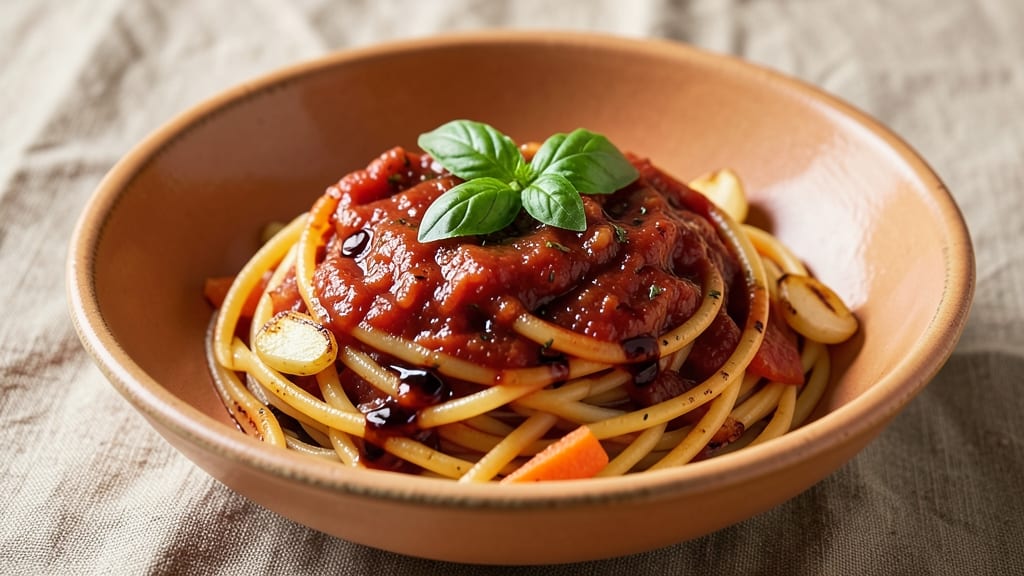
This Anthony’s slow-simmered spaghetti sauce recipe transforms simple ingredients into a restaurant-quality sauce that rivals anything you’d find in a jar—with layers of umami, depth, and complexity.
The secret lies in a long, gentle simmer that melds fresh tomatoes, aromatic herbs, and a touch of sweetness into a sauce so rich it clings to every strand of pasta.
I’ve perfected this recipe over years of testing, and it’s the one my family begs for every time I make it.
The foundation starts with high-quality canned tomatoes (or fresh if you’re feeling ambitious), which simmer for at least 2 hours to develop a velvety texture and concentrated flavor.
Garlic, onions, and a blend of Italian herbs infuse the sauce with warmth, while a splash of red wine adds brightness and depth. The result? A sauce that’s bold, balanced, and versatile—perfect for tossing with pasta, drizzling over meatballs, or even using as a pizza topping.
What sets this sauce apart is its umami punch, thanks to a combination of garlic, Parmesan rind, and a pinch of sugar to round out the acidity. The slow cooking process allows the flavors to meld seamlessly, creating a sauce that tastes even better the next day.
Unlike store-bought versions, this one has no artificial additives—just pure, vibrant flavor that makes every bite feel like a homemade meal.
Best of all, it freezes beautifully, so you can make a big batch and enjoy it all season long. Whether you’re serving it over spaghetti, lasagna, or as a hearty stew, this sauce delivers restaurant-quality results with minimal effort. Ready to elevate your weeknight dinners? Let’s get started.
Ingredients for anthony's spaghetti sauce
These simple ingredients come together to create a sauce that tastes like it simmered all day.
| Ingredient | Amount | Notes |
|---|---|---|
| Extra-Virgin Olive Oil 🫒 | 2 tbsp | For sautéing onions and garlic |
| Yellow Onion 🧅 | 1 whole | Diced into small pieces |
| Garlic Cloves 🧄 | 6 cloves | Minced for deep flavor |
| Carrots 🥕 | 2 medium | Diced into small cubes |
| Canned San Marzano Tomatoes 🍅 | 28 oz | Crushed by hand or canned |
| Red Wine 🍷 | ½ cup | Bold dry variety preferred |
| Parmesan Cheese Rind 🧀 | 1 piece | For umami depth |
| Dried Basil 🌿 | 1 tbsp | Or 0.25 cup fresh basil |
| Dried Oregano 🍃 | 1 tsp | Italian or Mediterranean blend |
| Sugar 🍬 | 1 tsp | Balances acidity |
| Salt 🧂 | 1 tsp | Diamond Crystal preferred |
| Black Pepper 🌶️ | ½ tsp | Freshly cracked |
The tomatoes are the heart of this sauce, so San Marzano cans are worth the splurge—they're sweeter and less acidic. I always grab them at Whole Foods or Trader Joe's since they're sold in smaller quantities. For the Parmesan rind, look for a wedge with that golden crust—it's what gives the sauce that deep umami punch. The carrots might seem odd, but they add natural sweetness that rounds out the acidity. If you can't find San Marzano, any high-quality canned tomatoes will work, but avoid the watery ones.
No red wine? Substitute with beef broth plus a splash of balsamic vinegar—it's what I do when I'm out. Fresh basil? Use dried at one-third the amount, but trust me, it's not the same. The sugar might seem unnecessary, but it's a game-changer for balancing the acidity. For extra depth, I sometimes add a pinch of red pepper flakes if I want a little kick. The garlic can be roasted for a sweeter flavor—just toss the whole cloves in the oven at 400°F for 10 minutes before mincing.
This sauce tastes even better the next day as the flavors meld. Store it in the fridge for up to 5 days or freeze portions for 6 months. I always make a double batch—one for dinner and one to freeze for lazy nights. The sauce thickens as it cools, so you can thin it with a splash of water or pasta water when reheating. If you make it ahead, the flavors will only get more complex over time.
Why You'll Love This Recipe
- No-Chop Nightmare: I swear by this sauce because the carrots? They’re grated—no dice, no tears, just a box grater and 30 seconds. Meanwhile, the onions and garlic get a quick sauté in olive oil until they’re soft enough to disappear into the sauce like magic.
- Tomato Bomb: San Marzano tomatoes change everything—sweet, meaty, and juicy without watering down. Simmer them low and slow with those grated carrots, and you’ve got a sauce that’s rich but never heavy, with just enough natural sweetness to balance the garlic’s punch.
- Leftovers That Lie: Between us, this sauce tastes better the next day. I make a double batch on Sundays, freeze half, and pull it out for lazy nights or when company drops by. No one ever guesses it’s reheated—promise.
- Budget Stretch: Extra-virgin olive oil and San Marzanos might sound fancy, but they’re worth every penny. A single jar of tomatoes lasts me weeks, and the carrots? They’re the cheap, crunchy secret that makes this sauce feel luxurious without breaking the bank.
Step-by-step instructions for Anthony's spaghetti sauce recipe
Here's how to build a rich, layered sauce that develops deep flavor over time.
Sauté the Aromatic Base
Heat the 2 tablespoons extra-virgin olive oil in a heavy-bottomed pot over medium heat. Add the diced yellow onion and cook for 5-6 minutes until soft and translucent, stirring occasionally. You'll see the edges start to turn golden—that's when you know it's ready for the next step.
Add the 6 minced garlic cloves and cook for 30 seconds until fragrant. Be careful not to let it brown—garlic burns quickly and turns bitter. Here's the thing—this aromatic base is the foundation of your sauce, so take your time and let the flavors meld properly.
Add Vegetables and Cook Until Tender
Toss in the diced carrots and cook for 4-5 minutes until they begin to soften. You want them to break down slightly but still retain some texture—they'll cook further as the sauce simmers. Stir occasionally to prevent sticking, especially since you're not adding any additional oil.
This vegetable combination might seem unusual, but the carrots add natural sweetness that balances the acidity of the tomatoes. I've found that letting them cook until just tender prevents the sauce from becoming too watery later in the process.
Deglaze with Wine and Add Tomatoes
Pour in the ½ cup red wine and let it simmer for 2-3 minutes until mostly evaporated. You'll see the wine reduce and the alcohol burn off, leaving behind concentrated flavor. This is called deglazing, and it captures all those lovely browned bits from the vegetables that contain so much flavor.
Add the 28 ounces crushed San Marzano tomatoes, the 1 piece Parmesan cheese rind, 1 tablespoon dried basil, 1 teaspoon dried oregano, 1 teaspoon sugar, 1 teaspoon salt, and ½ teaspoon black pepper. Stir everything together until well combined. The cheese rind will infuse the sauce with umami depth as it simmers.
Simmer Slowly for Deep Flavor Development
Bring the sauce to a gentle simmer, then reduce heat to low and let it cook uncovered for 45-60 minutes. This slow simmering allows the flavors to meld and develop complexity. You'll notice the sauce gradually thicken as it reduces—this is exactly what you want.
Real talk: Don't rush this step. The longer you simmer, the more the flavors will come together. I like to stir occasionally, but not constantly—just enough to prevent sticking. The cheese rind will break down and disappear, releasing its savory essence into the sauce.
Adjust Consistency and Serve
After simmering, taste the sauce and adjust seasoning if needed. If it's too thick, add 1-2 tablespoons water at a time until you reach your desired consistency. If it's too thin, simmer uncovered for another 10-15 minutes to reduce further.
This sauce tastes even better the next day as the flavors continue to develop. Serve it warm over al dente spaghetti with fresh grated Parmesan cheese and a sprinkle of black pepper. The result is a restaurant-quality sauce that beats anything you can buy in a jar.
Pro Tips For Making Anthony'S Spaghetti Sauce
- Sweat the Onions Low: The first 10 minutes of this sauce hinge on the onions—don’t rush them. Cut them into even ¼-inch slices and cook them over medium-low heat with the olive oil until they’re soft, golden, and just starting to caramelize. I used to crank the heat and end up with bitter, browned bits that ruined the whole dish.
- Crush Those Tomatoes: Ditch the blender—just use your hands. After adding the San Marzano tomatoes, crush them roughly with a wooden spoon before stirring. This breaks up the skins and seeds just enough to thicken the sauce naturally without turning it into a smooth paste. (Yes, it’s messy, but your sauce will taste deeper.)
- Salt the Garlic: Add a pinch of salt to the garlic when you sauté it with the onions. It mellows the raw bite and helps it cook evenly without burning. I learned this the hard way after a batch of garlic turned bitter and overpowered the whole sauce.
- Simmer Uncovered: Let the sauce bubble away uncovered for the last 20-30 minutes, even if it looks dry. The moisture will evaporate, intensifying the flavors and creating a richer, less watery finish. Covering too early traps steam and dilutes the taste—trust me, the sauce will come together.
Flavor customization for this recipe
Sweet & Tangy Twist
Add 2 tablespoons of honey or 1 tablespoon maple syrup when you incorporate the tomatoes to balance the acidity. I also toss in ½ cup diced pineapple or peaches for a sweet-tart contrast that works surprisingly well with Italian flavors.
Simmer these fruits in for the last 20 minutes so they don't turn mushy. 🍍
Spicy Kick Options
For heat lovers, stir in 1 teaspoon crushed red pepper flakes with the tomatoes, or add ½ teaspoon cayenne pepper for a smoother burn. I sometimes include 1-2 slices of fresh jalapeño (seeds removed) for a bright, fruity heat that disappears as it cooks.
Remove them before serving if you prefer no visible spice.
Herb Variations
Swap out the basil and oregano for 1 tablespoon each of dried thyme and rosemary for a more Mediterranean profile. Or try ½ teaspoon fennel seeds toasted in the olive oil with the onions—they add an unexpected licorice note that pairs beautifully with tomatoes.
Fresh herbs like cilantro or parsley work well too, added at the very end.
Meaty Add-Ins
Brown 1 pound ground beef or Italian sausage in the pot after sautéing the vegetables but before adding wine. Drain excess fat if needed, then proceed with the recipe. For a vegetarian option, stir in 1 cup cooked lentils or crumbled tempeh during the final 15 minutes of simmering.
The lentils add a meaty texture that holds up well.
Umami Boosters
Increase depth by adding 1 tablespoon soy sauce or 1 teaspoon fish sauce when you incorporate the tomatoes. I also like using 1 anchovy fillet (mashed) or 1 tablespoon miso paste for an extra umami punch.
These ingredients disappear into the sauce but leave behind incredible complexity that makes every bite more satisfying.
Creamy Finish
For a richer texture, stir in ¼ cup heavy cream or ½ cup ricotta cheese during the last 10 minutes of simmering. This works especially well if you've made the sauce ahead and want to reheat it creamy.
I also like adding 1 tablespoon butter at the end for a silky finish that clings beautifully to pasta. 🧈
Nutrition facts
Frequently asked questions
Why does this sauce taste better the next day?
The long simmering time allows flavors to meld, but the real magic happens during refrigeration. As the sauce cools, the starches from the tomatoes and vegetables thicken slightly, creating a more concentrated flavor. The acidity also mellows overnight, resulting in a smoother, more balanced taste. This is why restaurant-quality sauces often improve after resting!
Can I use fresh tomatoes instead of canned?
Yes, but you'll need to adjust the cooking time. Use about 4-5 large ripe tomatoes (peeled, seeded, and chopped) instead of canned. Simmer them uncovered for 30-45 minutes to reduce the liquid, then proceed with the rest of the recipe. Fresh tomatoes will yield a slightly lighter sauce, so you may need to add 1-2 tablespoons tomato paste for better consistency.
What's the best way to reheat this sauce?
Gently reheat on the stovetop over low heat to avoid breaking down the flavors. If the sauce thickens too much, add 1-2 tablespoons pasta water or water while reheating. For extra richness, stir in 1 tablespoon butter or cream at the end. Never microwave it—this can make the sauce watery and lose its depth.
How do I make this sauce thicker or thinner?
For a thicker sauce, simmer uncovered for an additional 10-15 minutes to reduce the liquid. If it's too thick, thin it with 1-2 tablespoons water, broth, or pasta water while stirring. The ideal consistency should coat the back of a spoon but still be pourable. Remember, sauces thicken as they cool, so adjust while warm.
Can I freeze this sauce for later?
Portion the sauce into airtight containers or freezer bags, leaving ½-inch headspace for expansion. It freezes beautifully for up to 6 months. Thaw overnight in the fridge and reheat gently. The flavors actually develop further during freezing, making it perfect for meal prep. Just avoid refreezing once thawed.