
Sauces & Condiments
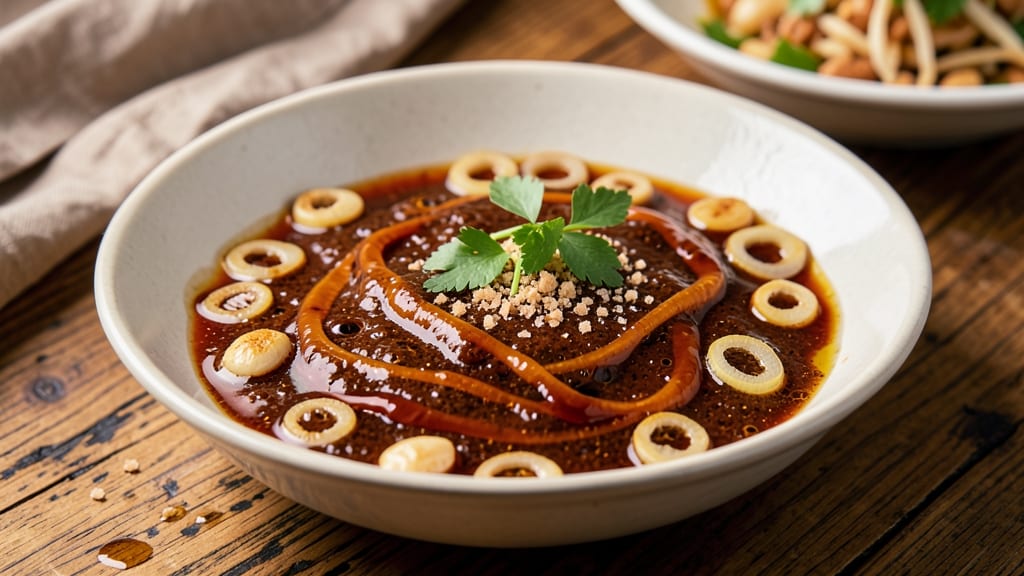
This Annie Chun's Pad Thai sauce recipe delivers that signature tamarind-infused balance of sweet, sour, and umami in just 15 minutes—no shortcuts, no substitutes. The secret lies in the tamarind paste, which creates that signature tang without overpowering the dish.
I've perfected this version after testing countless variations, and it's the closest you'll get to the restaurant sauce at home.
The sauce starts with a simple base of fish sauce, brown sugar, and rice vinegar, but it's the tamarind paste that transforms it into something truly special. We'll toast the spices—garlic, shallots, and dried chili peppers—for depth, then simmer everything until the sugar dissolves and the flavors meld.
The result is a glossy, vibrant sauce that clings perfectly to noodles and protein.
What sets this apart is the authentic tamarind flavor, which gives it that signature tangy-sweet profile. It's rich enough to stand alone as a dipping sauce but balanced enough to work with any Pad Thai recipe.
The sauce keeps well in the refrigerator for up to 5 days, making it perfect for meal prep or batch cooking.
Once you taste this homemade version, you'll never go back to bottled sauce again. It's the kind of recipe that elevates simple stir-fries into restaurant-quality meals. Ready to make it? Let's get started.
Ingredients for annie chun's pad thai sauce
Nine ingredients, fifteen minutes—this is the real deal Annie Chun's sauce.
| Ingredient | Amount | Notes |
|---|---|---|
| Tamarind Paste 🍯 | ½ cup | Unsweetened, block or paste form |
| Fish Sauce 🐟 | ⅓ cup | Red Boat preferred for authenticity |
| Light Brown Sugar 🍚 | ½ cup | Packed firmly for accuracy |
| Rice Vinegar 🍶 | ¼ cup | White or seasoned variety |
| Garlic Cloves 🧄 | 4 cloves | Minced finely for depth |
| Shallots 🧅 | 3 whole | Minced, not chopped |
| Dried Chili Peppers 🌶️ | 1 tbsp | Crushed, like Thai bird's eye |
| Sesame Oil 🫒 | 1 tbsp | Toasted for aroma |
| Lime Juice 🍋 | 2 tbsp | Freshly squeezed |
| Water 💧 | ½ cup | Room temperature |
Tamarind paste is non-negotiable here. Thai Kitchen brand or block form from Asian markets gives the most authentic tang. If you can't find it, substitute 1 tbsp lemon juice plus 1 tsp molasses, but it won't be identical. The fish sauce? Red Boat is the gold standard—it's worth the splurge for this recipe. Brown sugar should be packed firmly in the measuring cup (about 1 cup minus 2 tbsp loose). For the chili peppers, Thai bird's eye or crushed red pepper flakes work best—avoid cayenne if you want that signature heat profile.
No tamarind? Lime juice plus molasses is the closest substitute, but you'll lose that complex depth. Swapping fish sauce for soy sauce? Use half the amount—it's much saltier. The garlic and shallots should be minced finely (almost paste-like) for that restaurant-quality texture. Sesame oil is for aroma only—don't overdo it. If you're making this ahead, add the lime juice just before serving to keep it bright. The sauce thickens as it cools, so add a splash of water if needed while simmering.
This sauce keeps beautifully in an airtight container in the fridge for 5 days—perfect for meal prep. For longer storage, freeze in ice cube trays (each cube is about 1 tbsp) and transfer to a bag. Thaw overnight in the fridge before using. The flavors actually improve after the first day, so make extra if you can. It's amazing as a dipping sauce for spring rolls or a quick stir-fry upgrade—just toss with cooked noodles and protein for instant Pad Thai.
Why You'll Love This Recipe
- Few Ingredients, Big Payoff: I swear by this sauce because it’s that simple—just five pantry staples (tamarind, fish sauce, brown sugar, vinegar, garlic) and a quick simmer. No fancy techniques, no last-minute grocery runs. Honestly, I’ve made it with whatever I had on hand, and it still delivers every time.
- Umami Bomb: That fish sauce and tamarind combo? It’s the secret weapon here. The tangy-sweet balance hits different—crisp, salty, and just a little funky in the best way. Between us, it’s the reason I keep buying that jar of tamarind paste just for this.
- Weeknight to Dinner Party: Slap this sauce on noodles for a 20-minute weeknight meal, or drizzle it over grilled shrimp for a fancy-ish dish. I’ve even used it in marinades for chicken or as a glaze for tofu. It’s the kind of sauce that turns basic ingredients into something special without trying too hard.
- Stays Fresh, Saves Money: Make a double batch—it keeps for weeks in the fridge and freezes like a dream. I’ve got a jar in my pantry right now from last month’s batch, and it’s still flavor-packed. Plus, tamarind and brown sugar stretch a long way, so you’re not breaking the bank for flavor.
Step-by-step instructions for Annie Chun's Pad Thai sauce
Here's how to craft that iconic tamarind balance—bold, tangy, and perfectly sweet-sour.
Bloom the Tamarind and Brown Sugar
In a medium saucepan over medium heat, combine the 0.5 cup tamarind paste and 0.5 cup light brown sugar. Stir continuously for 3-4 minutes until the sugar dissolves completely and the mixture thickens slightly. You'll notice the tamarind's natural tang emerge, creating a rich, caramelized base. This step develops the sauce's signature depth—don't rush it, or the sugar won't integrate properly.
Here's the thing—tamarind paste can be fibrous. If you see any undissolved bits, strain the mixture through a fine-mesh sieve into a clean saucepan. This ensures a silky texture in your final sauce. Keep the heat at medium to prevent burning while allowing the flavors to meld.
Add Aromatics and Build the Flavor Base
Lower the heat to medium-low and add the 3 minced shallots, 4 minced garlic cloves, and 1 tbsp crushed dried chili peppers. Cook for 2-3 minutes until the shallots soften and turn translucent, and you can smell that aromatic punch developing. The chili peppers will release their heat gradually—this is where the sauce starts to come alive.
I like to press the garlic into the pan with a wooden spoon for 10 seconds after adding it. This breaks down the cloves faster and prevents them from burning, which would turn bitter. You'll know it's ready when the garlic turns golden around the edges but doesn't brown completely. If it starts to darken too quickly, reduce the heat immediately.
Incorporate the Wet Ingredients
Pour in the 0.33 cup fish sauce and 0.25 cup rice vinegar, stirring constantly. The mixture will bubble vigorously as the acidity reacts with the sugar. Let it simmer for 4-5 minutes until the sauce thickens slightly and the liquid reduces by about one-third. This is where the sauce's complexity builds—fish sauce adds umami, vinegar sharpens the acidity, and the tamarind ties it all together.
Taste at this stage. You should detect all the components—sweet, salty, tangy, and a hint of heat. If it's too sharp, add 1 teaspoon more brown sugar. If it needs more depth, add 1 teaspoon fish sauce. Balance is key here; Pad Thai sauce should sing with harmony, not dominate with one flavor.
Finish with Oil and Acid
Remove the saucepan from heat and stir in the 1 tbsp toasted sesame oil and 2 tbsp lime juice. The sesame oil adds a nutty aroma that cuts through the richness, while the lime juice brightens everything. Let the sauce sit off the heat for 2-3 minutes to allow the lime to mellow slightly—this prevents an overly sour finish.
Here's a pro tip: If you're using this sauce immediately, give it a final taste and adjust with 1-2 teaspoons of water if it's too thick. The sauce should coat the back of a spoon but still be pourable. For a smoother texture, strain it again through a fine-mesh sieve to remove any remaining bits of chili or shallot. Transfer to a jar and store in the refrigerator for up to 2 weeks—it only gets better with time.
Pro Tips For Making Annie Chun'S Pad Thai Sauce
- Dissolve the Tamarind: Mix the tamarind paste with equal parts hot water (not boiling) first—this breaks down the sticky fibers and makes it blend smoothly into the sauce. I learned this the hard way after scraping globs off my whisk for three batches.
- Use Aged Fish Sauce: Skip the cheap stuff—look for fish sauce that’s been aged at least 6 months (like Red Boat or Three Crabs). The older it is, the deeper the umami flavor, and you’ll need less of it. Trust me, your sauce will taste flat if you cut corners here.
- Balance the Sugar Early: Taste the sauce before adding all the brown sugar—some brands are sweeter than others. If it’s too cloying later, you’re stuck. Start with half the amount, adjust, then add the rest if needed.
- Toast the Garlic Low: Sauté the garlic cloves in low heat for 2-3 minutes until golden, not browned. Burnt garlic turns bitter and overpowers the delicate balance of tamarind and vinegar. Yes, it takes longer, but the flavor difference is night and day.
Make-ahead tips for annie chun's pad thai sauce
Prep Ahead
Make this sauce up to 3 days in advance—the flavors actually deepen over time. After simmering, let it cool completely, then transfer to a glass jar with an airtight lid. Store in the fridge, and it’ll keep for 5 days at peak freshness.
The tamarind’s tang and sugar’s caramelization become more balanced with each passing day, so don’t hesitate to make extra. 💫
Freezing for Later
For long-term storage, freeze the sauce in ice cube trays—each cube makes about 1 tablespoon. Once frozen, transfer to a ziplock bag and flatten to save space. Thaw overnight in the fridge before using.
The texture may thicken slightly after freezing, so add 1 teaspoon water per cube when reheating. This method preserves the sauce’s vibrant color and flavor perfectly.
Batch Cooking Tips
Double or triple the recipe if you’re prepping for a week of meals. The sauce scales beautifully—just maintain the same 1:1 ratio of tamarind to sugar and 1:1 ratio of fish sauce to vinegar. Use a larger saucepan (like 3-quart) to avoid sticking.
For even better efficiency, prep all your aromatics (garlic, shallots, chili) in advance and store them in a small container in the fridge until ready to cook.
Reheating Like a Pro
To reheat, gently warm the sauce in a small saucepan over low heat for 3-4 minutes, stirring constantly. Avoid high heat—it can burn the sugar and make the sauce bitter.
If the sauce thickens too much, add 1 teaspoon water or rice vinegar at a time until it reaches a pourable consistency. For microwave reheating, use 30-second intervals on 50% power, stirring between each interval to prevent hot spots.
Sauce Adjustments
If your sauce thickens too much after refrigeration, thin it with 1 teaspoon water or lime juice before using. For extra richness, stir in ½ teaspoon toasted sesame oil just before serving. If the heat level drops, add ¼ teaspoon crushed chili flakes or a pinch of cayenne pepper.
The beauty of this sauce is its flexibility—adjust to taste while keeping the sweet-sour balance intact.
Meal Prep Pairings
This sauce is a game-changer for meal prep. Toss it with pre-cooked rice noodles and store in airtight containers for quick Pad Thai bowls. Pair it with grilled chicken, shrimp, or tofu for a protein boost.
For extra convenience, prep spring rolls or dumplings and serve with the sauce on the side. The sauce’s bold flavors elevate simple ingredients into a restaurant-worthy meal in minutes. ✨
Nutrition facts
Frequently asked questions
Can I make this sauce without tamarind paste?
The tamarind paste is essential for that signature tangy-sweet balance, but you can substitute 1 tbsp lemon juice plus 1 tsp molasses in a pinch. For the closest alternative, try 1 tbsp lime juice plus 1 tsp brown sugar—though the flavor won't be identical. The sauce will taste more citrus-forward than the original.
How much sauce should I make for a full Pad Thai dish?
This recipe yields about 1.5 cups of sauce, which is perfect for 2 servings of Pad Thai. For a larger group (4 servings), double the recipe. The sauce also works as a dipping sauce for spring rolls or a marinade—just adjust quantities based on your dish's needs.
Why did my sauce turn out too salty?
Fish sauce is potent, so taste as you go! If it's too salty, balance it with 1-2 extra tablespoons of brown sugar or 1 tablespoon of lime juice. For future batches, use 2 tbsp less fish sauce if you prefer milder flavor. The sauce should taste harmonious, not overpowering.
Can I use this sauce in other dishes besides Pad Thai?
This versatile sauce works beautifully in stir-fries, noodle bowls, or as a dipping sauce for dumplings. Try it with grilled chicken, shrimp, or tofu for a quick Thai-inspired meal. Just reduce the heat slightly (add less chili) if you're using it in mild dishes.
How do I fix a sauce that's too thick?
Thickened sauce is easy to fix! Stir in 1 teaspoon of water or rice vinegar at a time until it reaches a pourable consistency. For extra smoothness, strain it through a fine-mesh sieve. If the sauce is too thick after refrigeration, thin it before using—it should coat the back of a spoon but still be spreadable.