
Sauces & Condiments
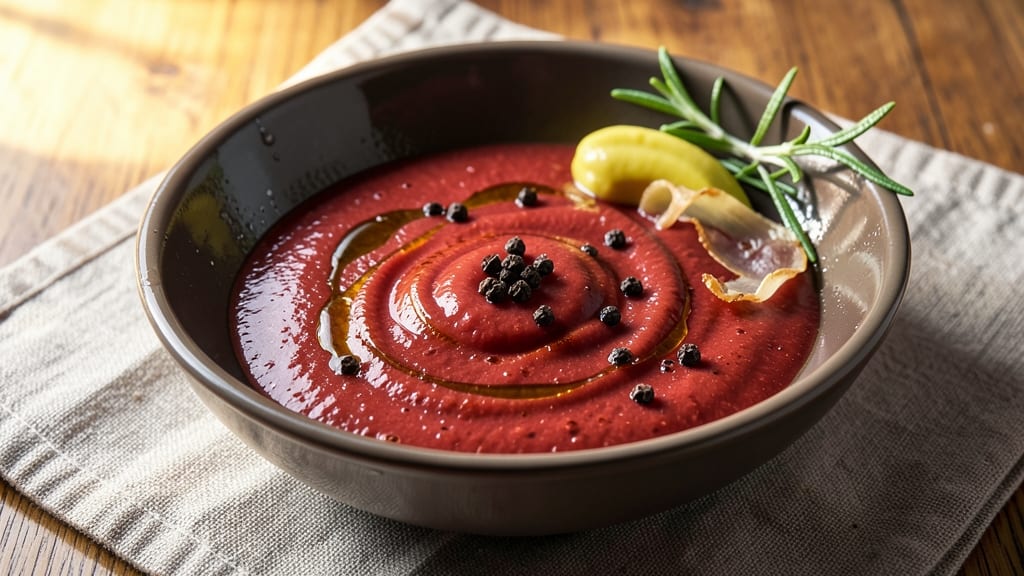
Andria's steak sauce recipe delivers that signature restaurant-quality depth with a smoky tomato base and a hidden vinegar zing that transforms grilled meats. The secret lies in balancing sweet tomato paste, tangy vinegar, and rich Worcestershire sauce—simmered until thick and velvety.
This isn't just a condiment; it's the flavor bridge between perfectly seared steak and your plate.
The sauce builds complexity through gradual reduction, where spices like mustard and garlic infuse without overpowering. Unlike store-bought versions, this recipe avoids artificial flavors, relying instead on high-quality ingredients that develop deeper flavor with each simmer.
The result? A sauce that clings to meat, enhancing its natural richness rather than masking it.
What makes this steak sauce truly special is its versatility—equally at home on grilled steaks, burgers, or even roasted vegetables. The smoky undertones from the tomato base pair beautifully with the bright acidity of vinegar, creating a perfect balance that elevates every dish it touches.
Once you taste the difference, you'll never go back to bottled.
With just 10 minutes of active prep and 20 minutes of simmering, this sauce comes together faster than you'd expect. The ingredients are simple, but the technique ensures professional results.
Store it in the fridge for up to two weeks, or freeze for longer shelf life—because once you master this, you'll want to make it often.
Ingredients for andria's steak sauce
Nine ingredients, restaurant-quality sauce—no shortcuts needed here.
| Ingredient | Amount | Notes |
|---|---|---|
| Tomato Paste 🍅 | ½ cup | San Marzano preferred for sweetness |
| Red Wine Vinegar 🍷 | ¼ cup | Balsamic works too for depth |
| Worcestershire Sauce 🧂 | 2 tbsp | Lea & Perrins brand recommended |
| Yellow Mustard 🌶️ | 1 tbsp | Dijon for extra tang |
| Garlic Cloves 🧄 | 4 cloves | Minced for even infusion |
| Onion Powder 🧅 | 1 tsp | Fresh onion for stronger flavor |
| Smoked Paprika 🌶️ | 1 tsp | For signature smokiness |
| Ground Black Pepper 🌶️ | ½ tsp | Freshly cracked for heat |
| Granulated Sugar 🍚 | 1 tbsp | Balances acidity |
| Extra-Virgin Olive Oil 🫒 | ¼ cup | For richness and finish |
The tomato paste is non-negotiable. San Marzano makes all the difference—its natural sweetness balances the vinegar's acidity without overpowering. Grab a can from Whole Foods or any well-stocked grocery store; their bright red color is your quality cue. Worcestershire sauce? Lea & Perrins is the gold standard, but any good brand will work. The vinegar—red wine or balsamic—adds that signature tang, so don't skimp. I always double-check the expiration date on the vinegar since it can get funky over time.
No red wine vinegar? Apple cider vinegar works in a pinch, but you'll lose that subtle fruitiness. Fresh garlic is ideal, but powdered at half the amount gets you close if you're short on time. Smoked paprika is key for that smoky depth—Penzeys or bulk bins at natural food stores are your best bets. The mustard adds complexity, so if you're using Dijon, taste as you go. Olive oil matters too; a fruity, extra-virgin oil with peppery notes elevates the sauce more than a neutral one.
This sauce thickens as it cools, so stir in a splash of water or vinegar if it gets too stiff. Keeps in the fridge for two weeks in an airtight jar, or freeze for up to 6 months. I like to portion it into small jars for easy use—perfect for grilling season or last-minute steak nights. The flavors only get better with time, so make extra if you can.
Why You'll Love This Recipe
- Pantry Magic: I swear by this sauce because it uses stuff I already have—no special trips to the store. That jar of tomato paste? The bottle of red wine vinegar collecting dust? Boom, you’re halfway there.
- Garlic Bomb: One crushed clove in this sauce, and suddenly everything tastes like you’ve been cooking all day. The mustard and Worcestershire cut through the richness, but that garlic? It’s the star.
- Weeknight Wonder: Drizzle it on steak, toss it with roasted potatoes, or slather it on burgers—it’s my go-to when I don’t want to think too hard. Even my picky teenager asks for seconds.
- Lasts All Week: Make a big batch and keep it in the fridge. It doesn’t spoil, so I’m always ready for impromptu dinners or lazy takeout nights. Plus, it’s cheaper than ordering in.
Step-by-step instructions for andria's steak sauce
Here's how to build this bold, balanced sauce with layers of smoky depth and bright acidity.
Bloom the Aromatics in Olive Oil
Heat the 0.25 cup extra-virgin olive oil in a medium saucepan over medium-low heat. Add the 4 cloves minced garlic and 1 teaspoon onion powder, stirring constantly for 1-2 minutes until the garlic becomes fragrant but never browns. This gentle cooking prevents bitterness and develops the aromatic foundation.
Watch closely here—the garlic should smell like a garden, not a hospital. If it starts to darken, reduce the heat immediately. The oil should shimmer but not smoke, creating the perfect environment for even flavor extraction from your aromatics.
Build the Sauce Base
Increase heat to medium and add the 0.5 cup tomato paste, stirring vigorously to prevent burning. Cook for 3-4 minutes until the paste darkens slightly and the raw taste disappears. This step develops the sauce's rich, concentrated flavor.
Next, whisk in the 0.25 cup red wine vinegar and 2 tablespoons Worcestershire sauce. The mixture will bubble vigorously—this is normal as the acidity reacts with the tomato paste. Let it simmer for 2-3 minutes until slightly reduced and the raw vinegar sharpness mellows into bright tang.
Add Sweetness and Spices
Reduce heat to low and stir in the 1 tablespoon granulated sugar, 1 teaspoon smoked paprika, and 0.5 teaspoon ground black pepper. The sugar will help balance the acidity while the smoked paprika adds that signature depth. Let the mixture simmer gently for 1 minute to meld all the flavors.
This is where the sauce comes together—you should smell the sweetness of the sugar, the smokiness from the paprika, and the bright acidity from the vinegar working in harmony. The sauce should look glossy and thicken slightly as it simmers.
Finish with Mustard and Emulsify
Remove the pan from heat and stir in the 1 tablespoon yellow mustard. The mustard adds a subtle tang that cuts through the richness while helping to emulsify the sauce. Return to low heat and let it simmer for another 30 seconds—just enough to blend completely.
For a silky finish, use an immersion blender to blend the sauce until completely smooth. If you don't have one, transfer to a blender and pulse until perfectly emulsified. The sauce should coat the back of a spoon with a velvety texture—this is your quality checkpoint.
Rest and Adjust
Let the sauce rest for 10-15 minutes before tasting. This resting period allows all the flavors to fully develop and settle. Taste and adjust seasoning if needed—you might want to add a pinch more sugar to balance acidity or a splash more vinegar for brightness.
The sauce should be bold but balanced, with layers of smoky depth, bright acidity, and just enough sweetness to round out the flavors. If it's too thick, whisk in 1-2 tablespoons water to reach your desired consistency. Store in an airtight container in the refrigerator for up to 2 weeks—it only gets better with time.
Pro Tips For Making Andria'S Steak Sauce
- Sauté Garlic Low and Slow: I learned this the hard way—crisping garlic in this sauce is a fast track to bitterness. Keep the heat moderate and stir constantly until it’s just golden, not brown. That nutty aroma is what ties the whole sauce together, but you’ll lose it if you rush.
- Bloom the Tomato Paste: Sprinkle the tomato paste into the pan dry first, then toast it for 30 seconds before adding liquid. This step deepens the flavor—my sauce used to taste flat until I started doing this. Think of it as waking up the paste instead of just drowning it.
- Balance the Vinegar Last: Add the red wine vinegar after everything else has simmered for at least 5 minutes. If you toss it in early, the acidity will fight with the garlic and Worcestershire, making the sauce taste sharp and unfinished. Let the other flavors marry first.
- Skip the Cheap Mustard: I was skeptical until I tried it—Dijon-style yellow mustard (like Maille) adds complexity, but generic brands make the sauce taste one-note. A little extra effort here makes a real difference, especially if you’re serving it over rich steak. (Yes, even if you’re impatient like me.)
Make-ahead tips for this recipe
Prep Ahead for Grilling
Make this sauce 24 hours before your cookout—it develops deeper flavor overnight. Store in a glass jar in the fridge, and let it come to room temperature for 30 minutes before using. The flavors meld beautifully when slightly chilled, making it perfect for marinating or basting. 🌟
Freezer-Friendly Portions
Divide the sauce into ice cube trays for easy single-use portions. Once frozen, transfer cubes to a ziplock bag and store for up to 6 months. Thaw overnight in the fridge—no microwave needed! This works perfectly for last-minute steak dinners or quick flavor boosts on grilled veggies.
Double Batch for Meal Prep
This sauce keeps well, so double the recipe and freeze half. Label with the date—trust me, you’ll want to make it often. I keep a batch in my fridge at all times for spontaneous steak nights. The extra effort pays off with restaurant-quality flavor every time. ✨
Thawing and Reheating
Thaw frozen sauce in the fridge overnight for best results. If short on time, place the jar in a bowl of warm water for 10-15 minutes. Never microwave—it destroys the sauce’s silky texture. Stir well before using to redistribute any settled ingredients.
Long-Term Storage Tips
For maximum shelf life, store in sterilized glass jars with airtight lids. The sauce’s acidity helps preserve it, but always check for any signs of mold before using. I’ve kept this sauce for up to 3 months in the freezer with no quality loss—just
Nutrition facts
Frequently asked questions
Can I make this sauce without tomato paste?
You can substitute with 1 cup crushed tomatoes or ½ cup tomato sauce, but the sauce will be thinner and less concentrated. Simmer the tomatoes for 5-7 minutes first to reduce them before adding other ingredients. The sauce won't have the same rich body, but it'll still taste great!
How do I know when the sauce is ready?
The sauce is done when it coats the back of a spoon smoothly and has reduced by about 25%. It should smell like a mix of smoky, sweet, and tangy flavors with no raw garlic or vinegar sharpness. Let it rest for 10-15 minutes before tasting—this helps all the flavors meld completely.
Can I use this sauce on non-meat dishes?
This versatile sauce works beautifully on grilled vegetables, roasted potatoes, or even as a dipping sauce for fries. The smoky-sweet profile pairs well with hearty flavors. For vegetables, reduce the sauce slightly longer to intensify the flavor.
Why did my sauce turn out too thin?
Sauce thickness depends on simmer time—reduce it longer over low heat (another 5-10 minutes) until it reaches your desired consistency. If it's still too thin, simmer uncovered to evaporate excess liquid. For immediate thickening, mix 1 teaspoon cornstarch with 1 tbsp cold water and whisk into the hot sauce.
What's the best way to reheat leftover sauce?
Gently warm it in a saucepan over low heat for 2-3 minutes, stirring constantly to prevent scorching. Never microwave—it can break the sauce's emulsified texture. If it thickens too much while reheating, add a splash of water or vinegar to restore consistency. The flavors only get better after resting!