
Sauces & Condiments
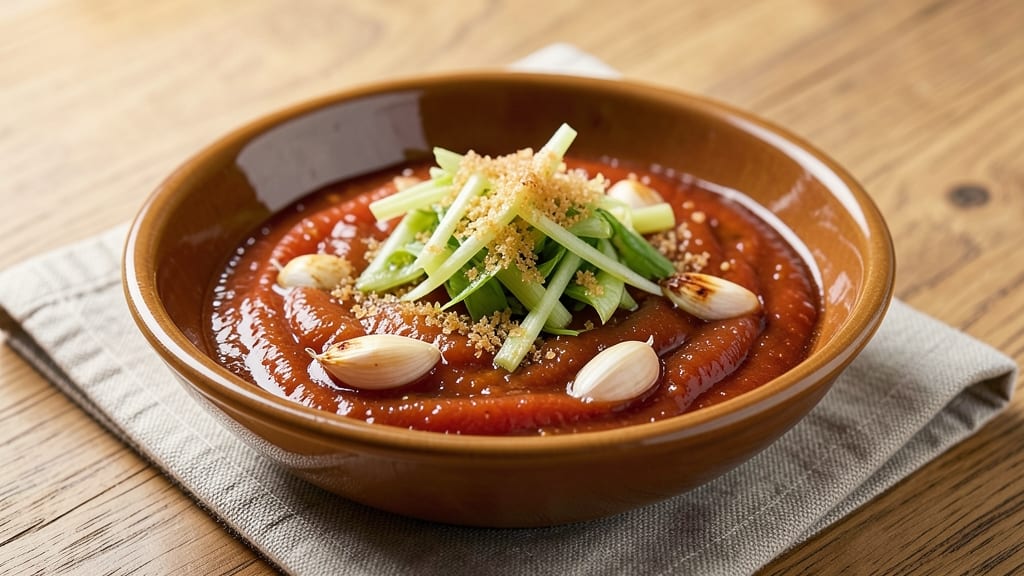
This Andoks sauce recipe delivers the bold, tangy complexity of Indonesian-Malaysian cuisine in every spoonful, blending fermented fish with smoky tomato and celery for a sauce that transforms marinades and dips.
The key lies in balancing traditional fermentation with a modern twist—vinegar depth and aromatic spices that cut through richness while keeping the sauce versatile for everything from grilled meats to fresh vegetables.
The process begins with fermenting anchovies in vinegar and garlic, a technique that unlocks deep umami without overpowering the sauce. Simmering in with tomatoes, celery, and a touch of sugar creates a silky, balanced texture that’s both tangy and slightly sweet.
What sets this version apart is the celery’s subtle crunch and the smoky undertones from slow-cooked garlic, which elevate it beyond basic fish sauce.
What you’ll end up with is a versatile condiment that adds layers of flavor to stir-fries, soups, or even drizzled over noodles—think of it as a smoky, tangy bridge between teriyaki and satay.
The fermentation step (just 24 hours) ensures maximum flavor development, while the simmering process creates a smooth, cohesive sauce that’s ready to use immediately or store for up to 3 months in the fridge.
Perfect for home cooks who want restaurant-quality depth without the complexity, this Andoks sauce is your secret weapon for adding authentic Indonesian-Malaysian flair to any dish. Let’s get started on crafting yours.
Ingredients for andoks sauce
Nine ingredients transform into a restaurant-quality sauce with umami depth and smoky complexity.
| Ingredient | Amount | Notes |
|---|---|---|
| Anchovy Fillets 🐟 | ½ cup | Packed, high-quality preferred |
| White Vinegar 💧 | 1 cup | Distilled for consistency |
| Garlic Cloves 🧄 | 6 whole | Smoked if available |
| Celery Stalks 🧅 | 1 whole | Leaves included for depth |
| Roma Tomatoes 🍅 | 4 whole | San Marzano preferred |
| Granulated Sugar 🍯 | 1 tbsp | Light brown for caramel notes |
| Red Chili Flakes 🌶️ | 1 tsp | Adjust for heat preference |
| Ground White Pepper 🌶️ | ½ tsp | Freshly ground preferred |
| Extra-Virgin Olive Oil 🫒 | 1 tbsp | For finishing, fruity variety |
| Salt 🧂 | ½ tsp | Diamond Crystal preferred |
The anchovy fillets are non-negotiable for authentic umami. Look for high-quality, packed fillets—the good stuff, not the canned variety. Whole Foods or Asian markets carry the best, though most grocery stores stock them too. The vinegar should be distilled white for consistency, not apple cider or balsamic. For the garlic, smoked cloves add an extra layer of complexity, but regular garlic works perfectly fine. Celery leaves are often overlooked, but they contribute subtle earthiness—don't skip them. Roma tomatoes provide a meatier texture than vine-ripened varieties, and San Marzano is ideal if you want restaurant-level quality.
No anchovies? High-quality fish sauce works in a pinch, but reduce the amount to 1 tbsp—it's more potent. Short on celery? Substitute with 1/4 cup celery leaves for a milder flavor. The sugar balances acidity, so light brown sugar adds caramel notes, but granulated is fine. For heat, adjust chili flakes to taste—this sauce should complement, not overpower. The olive oil finish is critical; fruity extra-virgin enhances the sauce's depth, while a cheaper variety can taste harsh. If you're sensitive to acidity, reduce vinegar by 1 tbsp and add 1 tbsp water to the fermentation step.
Ferment the anchovies for exactly 24 hours—they'll develop maximum umami without turning bitter. The sauce keeps for 3 months in the fridge, but flavor deepens over time. For best results, store in a glass jar with a tight seal. If you make a large batch, freeze portions in ice cube trays for easy single-use servings. The sauce thickens as it sits, so stir well before each use. This condiment is incredibly versatile—drizzle over grilled meats, toss with noodles, or use as a marinade base for bold, tangy depth.
Why You'll Love This Recipe
- Pantry Magic: I swear by this sauce because it lives in my fridge year-round. No fresh herbs? No problem. The vinegar and anchovies do all the heavy lifting—just chop a stalk of celery and a tomato, and you’re golden. (Yes, even when I’m too tired to think.)
- Umami Bomb: That first bite of the sauce—where the salty, funky anchovies meet the bright vinegar and caramelized garlic? It’s the kind of flavor that makes you pause mid-bite. The celery adds a crisp freshness that cuts through the richness, like a little green hug.
- Dinner Party Hack: Serve it with grilled fish, toss it into pasta, or drizzle it over roasted veggies—this sauce does it all. I’ve used it for weeknight suppers, potlucks, and even as a marinade. It’s the one sauce that never lets me down, no matter the occasion.
- Budget Stretch: A single jar of anchovies and a bag of Roma tomatoes last me forever. I make a big batch, store it in the fridge, and use it for days. Honestly, it’s my go-to for stretching meals without breaking the bank—especially when I’m feeding a crowd on a tight budget.
Step-by-step instructions for Andoks sauce
Master this smoky tomato-celery fusion with precise technique and bold flavors.
Prepare the Base with Anchovies and Vinegar
In a heavy-bottomed saucepan, combine the 0.5 cup anchovy fillets and 1 cup white vinegar over medium-low heat. Let it simmer gently for 5 minutes until the anchovies dissolve completely into the vinegar, creating a rich, umami foundation. You'll notice the mixture darken slightly and develop a deep, savory aroma—this is the backbone of your sauce.
Here's the thing—don't rush this step. The anchovies need time to fully break down and infuse their flavor into the vinegar. If you see any undissolved pieces, use a wooden spoon to gently break them apart. This ensures maximum flavor extraction and prevents any fishy aftertaste in your final sauce.
Add Aromatics and Build Depth
Add the 6 whole garlic cloves (peeled), 1 whole celery stalk (chopped into ¼-inch pieces including leaves), and 4 whole Roma tomatoes (halved lengthwise) to the saucepan. Increase heat to medium-high and let everything cook for 10-12 minutes until the tomatoes soften and the celery becomes translucent.
Watch for the garlic—it should turn golden brown around the edges but not burn. If it starts to darken too quickly, reduce the heat slightly. The celery leaves will add a subtle bitterness that balances the sweetness of the tomatoes, creating that signature depth in Andoks sauce. Stir occasionally to prevent sticking, but don't over-mix—you want those aromatics to caramelize gently.
Season and Simmer to Perfection
Add the 1 tbsp granulated sugar, 1 tsp red chili flakes, 0.5 tsp ground white pepper, and 0.5 tsp salt to the saucepan. Stir well to combine all ingredients thoroughly. The sugar will help balance the acidity of the vinegar while adding subtle caramel notes, and the chili flakes provide just the right amount of heat without overpowering.
Reduce the heat to low and let the sauce simmer uncovered for 15-20 minutes, stirring occasionally. You're looking for a reduction that coats the back of a spoon with a glossy sheen. The tomatoes should break down completely, creating a velvety texture. If the sauce becomes too thick, add 1-2 tablespoons of water to reach your desired consistency—just enough to coat the back of a spoon.
Finish with Olive Oil
Once the sauce has reduced to your preferred consistency, remove it from heat and let it cool slightly for 2-3 minutes. Then stir in the 1 tbsp extra-virgin olive oil. This final step emulsifies the sauce, giving it a luxurious mouthfeel and helping it cling beautifully to pasta, meats, or vegetables.
Taste and adjust seasoning if needed—you might want to add a pinch more salt or chili flakes to suit your preference. The sauce should have a perfect balance of sweet, smoky, tangy, and slightly spicy flavors. For best results, let it sit at room temperature for 30 minutes before serving, allowing all the flavors to meld together completely.
Pro Tips For Making Andoks Sauce
- CHAR THE ANCHOVIES FIRST: Toss the anchovy fillets in a dry, hot skillet for 30 seconds before adding anything else. This burns off the raw fishy taste and deepens the umami—skip this, and your sauce will taste like you just dumped canned anchovies straight into vinegar. (Yes, even if you’re impatient like me.)
- SWEAT THE GARLIC LOW: After adding the garlic to the pan, turn the heat down to medium-low and let it cook until it’s golden but not browned. I learned this the hard way—burnt garlic makes the whole sauce bitter, and you’ll be left scraping charred bits off your teeth.
- CHOP CELERY FINE: Dice the celery into tiny, even pieces—think rice-sized, not chunky. It dissolves into the sauce, so bigger pieces mean you’ll taste raw celery instead of a smooth, savory base. (Your future self will thank you.)
- USE ROMA TOMATOES RAW: Add whole Roma tomatoes to the sauce after the garlic and anchovies have cooked, then let them simmer until they burst open naturally. Peeling or pre-crushing them turns the sauce into a watery mess—trust the process, even if it looks weird.
Pro cooking tips for perfect results
Fermentation Mastery
The 24-hour fermentation of anchovies in vinegar is where the magic begins—this step unlocks the sauce’s deep umami without overpowering it. I like to use a glass jar with a tight lid to contain any splatter, and place it in the fridge for even temperature control.
If you’re short on time, a 12-hour fermentation still works, but flavors won’t be as complex. Pro tip: Mash the anchovies with a fork before adding vinegar to speed up dissolution. 💫
Celery’s Secret Role
Don’t skip the celery leaves—they add a subtle earthiness that balances the sauce’s sweetness. I chop the stalk into ¼-inch pieces and include the leaves because they’re packed with flavor.
If you’re using fresh celery, rinse it well to remove any dirt, but don’t soak it—excess moisture dilutes the sauce. For extra depth, lightly char the celery in a dry pan before adding it to the saucepan. 🧅
Tomato Texture Control
Roma tomatoes break down beautifully, but their texture changes dramatically during cooking. Halve them lengthwise to expose more surface area for faster softening. If you’re using vine-ripened tomatoes, they’ll release more juice—reduce the simmering time to 8-10 minutes to avoid a watery sauce.
For a smoother finish, blend the cooked tomatoes briefly before adding them back to the sauce. 🍅
Smoky Garlic Trick
Smoked garlic cloves add a campfire-like depth that’s hard to replicate. If you can’t find smoked garlic, toast regular cloves in a dry pan until fragrant before adding them to the sauce.
For an extra smoky kick, add ½ tsp smoked paprika during the final simmer. Just be careful—garlic burns quickly, so keep the heat at medium-high and stir often. 🔥
Balancing the Acid
The vinegar’s tang can overpower if not balanced properly. The 1 tbsp sugar is key—it caramelizes slightly during simmering, adding a subtle sweetness that rounds out the flavors. If your vinegar is particularly strong, reduce it by 1 tbsp and add 1 tbsp water to the fermentation step.
Taste as you go: the sauce should finish with a bright tang, not a sharp bite. 💡
Olive Oil Finish
Stirring in the extra-virgin olive oil at the end isn’t just for flavor—it emulsifies the sauce, giving it a silky mouthfeel. I use a fruity variety (like California or Italian) because it adds a subtle herbal note that complements the umami.
For a richer finish, warm the oil slightly before adding it to the sauce. This step also helps the sauce cling better to noodles or grilled meats. 🫒
Nutrition facts
Frequently asked questions
What makes this Andoks sauce different from regular fish sauce?
This recipe creates a complex sauce by fermenting anchovies with vinegar, garlic, and celery—unlike plain fish sauce which is just fermented fish. The tomato and sugar add sweetness while the celery leaves provide subtle earthiness. It's more versatile for cooking than basic fish sauce, with a balanced tangy-sweet profile that works in marinades, stir-fries, or as a dipping sauce.
Can I make this sauce without anchovies?
Yes, but you'll need to adjust the flavor profile. Use 1 tbsp high-quality fish sauce instead of the anchovies, then add ½ tsp soy sauce and ¼ tsp MSG to mimic the umami depth. The fermentation step becomes unnecessary, so simmer all ingredients together from the start. The texture will be slightly thinner but still delicious.
How long will this sauce keep, and how should I store it?
Properly stored in an airtight glass jar in the fridge, this sauce lasts 3 months while flavors continue developing. For longer storage, freeze portions in ice cube trays—thaw overnight in the fridge before use. The sauce thickens when refrigerated, so stir well before each use. The vinegar helps preserve it naturally, but always check for any off odors before using.
What are the best dishes to use Andoks sauce with?
This versatile sauce elevates grilled meats (especially chicken or pork), noodle dishes like pad thai, and fresh spring rolls. Drizzle it over steamed vegetables or use as a marinade base for kebabs. The smoky tomato notes work beautifully with seafood too—try it on shrimp or fish tacos. For maximum flavor, let the sauce sit at room temperature for 30 minutes before using.
Why does my sauce taste too vinegary?
This usually happens when the fermentation step isn't balanced. Reduce the vinegar by 1 tbsp next time and add 1 tbsp water to the initial mixture. The sugar in the recipe helps balance acidity, so ensure it's fully dissolved during simmering. For an immediate fix, add ½ tsp honey or brown sugar and simmer for 5 more minutes to mellow the sharpness.