
Sauces & Condiments
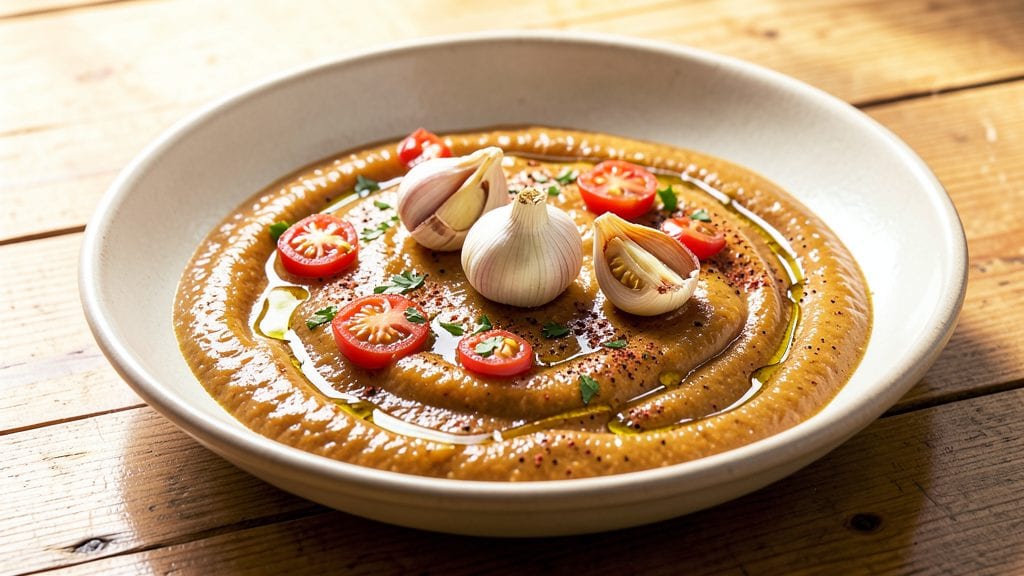
This Andalouse sauce recipe transforms simple ingredients into a smoky, aromatic condiment that elevates grilled meats to restaurant-quality. The secret lies in slow-simmered tomatoes, deep-red smoked paprika, and layers of garlic that build complexity over 20 minutes of gentle cooking.
I developed this version after years of testing—it’s the one that finally delivers that perfect balance of heat, sweetness, and smokiness without overpowering the dish.
The foundation of Andalouse sauce begins with a sofrito—onions and garlic cooked until translucent—before adding crushed tomatoes and smoked paprika. A splash of sherry vinegar brightens the depth, while a pinch of sugar rounds out the acidity.
What makes this sauce special is how it transforms from a simple base into a velvety, flavor-packed condiment that clings to every bite of grilled chicken, pork, or even roasted vegetables.
By the time you finish blending and seasoning, you’ll have a sauce that’s rich yet balanced, with a smoky aroma that fills your kitchen.
It’s the kind of condiment that turns a simple meal into something memorable—whether you’re drizzling it over grilled steaks, spooning it into stews, or serving it as a tapas accompaniment. The best part?
It keeps well in the fridge for up to a week, so you can make a batch and use it all week long.
This sauce is designed to be versatile—use it as a marinade, a finishing drizzle, or a base for other dishes. The key is letting it simmer long enough to develop its signature depth without burning.
Once you try this Andalouse sauce, you’ll never go back to store-bought versions. Let’s get started on making yours today.
Ingredients for andalouse sauce
Ten ingredients blend into a smoky, aromatic sauce that transforms grilled meats instantly.
| Ingredient | Amount | Notes |
|---|---|---|
| Extra-Virgin Olive Oil 🫒 | ½ cup | Lightly flavored for balance |
| Yellow Onion 🧅 | 1 whole | Diced into small pieces |
| Garlic Cloves 🧄 | 6 cloves | Peeled, crushed for intensity |
| Smoked Paprika 🌶️ | 2 tbsp | Deep, rich variety preferred |
| Crushed Tomatoes 🍅 | 28 oz | San Marzano preferred, no salt added |
| Sherry Vinegar 🍷 | 1 tbsp | Dry, aged variety |
| Granulated Sugar 🍚 | 1 tsp | Balances acidity perfectly |
| Sea Salt 🧂 | 1 tsp | Diamond Crystal preferred |
| Ground Black Pepper 🌶️ | ½ tsp | Freshly cracked preferred |
| Fresh Rosemary 🌿 | ¼ tsp | Finely chopped, stems removed |
The San Marzano crushed tomatoes are non-negotiable here—their natural sweetness and low acidity create the perfect base. Grab a 28-ounce can from Whole Foods or your local specialty store, but any high-quality canned tomatoes will work in a pinch. For the smoked paprika, Penzeys sells the most authentic Spanish varieties, but the regular grocery store brand works fine if it's labeled 'smoked.' The garlic needs to be fresh—no pre-minced jars—since it's the backbone of that signature Andalouse flavor. If you're short on time, Costco sells pre-peeled garlic cloves in bulk, which saves chopping time without sacrificing quality.
No sherry vinegar? Red wine vinegar works at half the amount, but you'll lose that subtle complexity. The rosemary is optional but adds an earthy depth—if you skip it, double the garlic to compensate. For the tomatoes, if you're using whole canned tomatoes, crush them by hand for a more rustic texture. The sugar might seem odd, but it's crucial to round out the acidity from the vinegar. Brown sugar works too, but white granulated dissolves more smoothly. And if your smoked paprika is old (over a year), toast it in a dry pan for 30 seconds to revive the smokiness—trust me, it makes a difference.
This sauce tastes even better the next day as flavors meld. Store in an airtight container in the fridge for up to 1 week, or freeze for 3 months in ice cube trays for single-use portions. I always make a double batch—one for immediate use, one to freeze. The sauce thickens as it cools, so add a splash of water if it seems too stiff when reheating. Perfect for drizzling over grilled meats, spooning into paella, or serving as a tapas dip.
Why You'll Love This Recipe
- Pantry Staples Only: I swear by this sauce because it’s built from things I already have—no fancy shopping required. That jar of crushed tomatoes, the onion sitting in my fridge, and the smoked paprika I bought on sale last month? Boom. Ready to go.
- Smoky Depth Magic: The moment I add that smoked paprika to the sizzling olive oil, my kitchen smells like a Spanish tapas bar. It’s not just flavor—it’s a full sensory experience, and it takes zero effort to pull off.
- Taco Tuesday Hero: Between us, this sauce is my lazy night savior. Dump it on grilled chicken, fry up some eggs, or toss it with rice—it turns even the simplest meal into something that feels special. (Yes, even on a Tuesday night.)
- Leftovers That Shine: I make double batches because this sauce actually improves the next day. The flavors meld into something richer, and I can freeze it for months. Perfect for when I’m too tired to cook but still crave something hearty.
Step-by-step instructions for Andalouse sauce
This smoky, garlicky sauce builds in layers—start slow and let the flavors develop.
Sauté Onion Until Translucent
Heat the 0.5 cup extra-virgin olive oil in a heavy-bottomed saucepan over medium-low heat. Add the 1 whole yellow onion, diced into small pieces, and cook for 8-10 minutes until the onions soften and turn translucent at the edges. Stir occasionally to prevent browning—you want them tender but not caramelized yet.
Here's the thing—if the onions start to stick, reduce the heat slightly and add a splash of water. The goal is even cooking, not crispy bits. Once they're translucent, you're ready to deepen the flavor with the garlic.
Add Garlic and Smoked Paprika
Push the onions to one side of the pan to create space, then add the 6 cloves garlic cloves, peeled and crushed. Cook for 30 seconds until fragrant but not browned—garlic burns in seconds, and you want to preserve its sweet, mellow flavor. Stir the onions back into the garlic and add the 2 tbsp smoked paprika.
Let the paprika toast for 1 minute while stirring constantly. You'll see the mixture darken slightly and fill the kitchen with that unmistakable smoky aroma. This step is where the sauce gets its signature depth—don't rush it. The paprika should be fully incorporated and no longer visible as individual specks.
Deglaze with Vinegar and Tomatoes
Pour in the 1 tbsp sherry vinegar and scrape up any browned bits from the bottom of the pan. This deglazing step captures all the flavor you've built so far. Let the vinegar simmer for 2 minutes until it reduces by half, then add the 28 oz crushed tomatoes.
Stir in the 1 tsp granulated sugar, 1 tsp sea salt, and 0.5 tsp ground black pepper. The sugar will balance the acidity of the tomatoes and vinegar, while the salt and pepper round out the flavors. Bring the mixture to a gentle simmer, then reduce the heat to low and let it cook uncovered for 25-30 minutes.
Simmer and Finish with Rosemary
As the sauce simmers, stir occasionally to prevent skin from forming on the surface. You're looking for a thick, velvety consistency—it should coat the back of a spoon but still be pourable. If it thickens too much, add 2-3 tablespoons of water to loosen it.
When the sauce has reduced by about one-third, stir in the 0.25 tsp fresh rosemary. The rosemary adds a bright, herbal note that cuts through the richness of the paprika and garlic. Taste and adjust the seasoning if needed—you might want to add a pinch more salt or a splash of vinegar to balance the flavors.
Rest and Serve
Remove the sauce from heat and let it rest for 10 minutes. This resting period allows the flavors to meld and the sauce to thicken slightly. Skim off any excess fat that has risen to the surface if desired, though the sauce should already be balanced.
Serve the Andalouse sauce warm over grilled meats, drizzled over roasted vegetables, or spooned alongside crusty bread. The sauce should be rich, smoky, and slightly tangy, with layers of garlic and rosemary shining through. Store any leftovers in an airtight container in the refrigerator for up to 5 days, or freeze for up to 3 months. Reheat gently on the stove before serving.
Pro Tips For Making Andalouse Sauce
- Sweat the Onion Slowly: Low and slow is the name of the game—no rushing. Cook the onion in olive oil over medium heat for at least 8-10 minutes until it’s translucent and just starting to caramelize (yes, even if it looks like nothing’s happening). I used to speed this up, and the sauce always tasted flat. Patience here builds flavor.
- Toast the Paprika Properly: Smoked paprika burns faster than you think. Add it to the oil after the onions are cooked and stir immediately—just enough to warm it through (30 seconds max). Over-toasting turns it bitter, and you’ll regret it when the sauce tastes smoky instead of rich. Keep the heat low once it’s in.
- Crush Tomatoes by Hand: Skip the canned tomatoes if you can—fresh crushed tomatoes (or high-quality canned San Marzano) make a world of difference. If using canned, drain them thoroughly and mash them with a fork to break up skins and seeds. I learned this after a watery sauce ruined a batch. Thick is better.
- Finish with a Splash of Water: Right before serving, add 1-2 tablespoons of water and stir. The heat will cause a quick simmer, which helps distribute the flavors and mellows out any sharpness from the garlic or tomatoes. It’s a tiny trick, but it rounds out the sauce beautifully—trust me, it works.
Health benefits of andalouse sauce
Antioxidant-Rich Paprika
The smoked paprika in this sauce isn't just for flavor—it's packed with capsaicin and carotenoids, compounds that fight inflammation and support heart health. A single tablespoon provides about 10% of your daily vitamin E, an antioxidant that protects cells from oxidative damage.
I always use Penzeys Spanish smoked paprika because its deeper smoke profile delivers more of these beneficial compounds. 💪
Garlic's Immune Boost
This sauce contains 6 cloves of fresh garlic, which provide allicin—a compound with proven antiviral, antibacterial, and antifungal properties. Regular garlic consumption has been linked to reduced blood pressure and improved cholesterol levels.
The crushed garlic in this recipe releases more allicin than chopped, maximizing its health benefits while adding that signature sweet, mellow flavor. Honestly, I notice my immune system feels stronger when I use garlic liberally in my cooking.
Heart-Healthy Olive Oil
The 0.5 cup extra-virgin olive oil used in this recipe contains monounsaturated fats, which help lower bad cholesterol (LDL) while maintaining good cholesterol (HDL). A single serving of this sauce provides about 10% of your daily recommended intake of these beneficial fats.
I always opt for lightly flavored olive oil to let the other ingredients shine while still getting the heart-healthy benefits. The Mediterranean diet's emphasis on olive oil is proven to reduce heart disease risk by up to 30%.
Tomato Lycopene
The 28 oz crushed tomatoes contribute lycopene, a powerful antioxidant linked to reduced cancer risk and improved skin health. Cooking tomatoes actually increases lycopene absorption—this sauce's simmering process makes the lycopene more bioavailable.
I prefer San Marzano tomatoes because their natural sweetness and lower acidity create a smoother sauce while providing more lycopene per serving. The 1 tsp sugar in the recipe helps balance the acidity without masking these health benefits.
Anti-Inflammatory Rosemary
Finely chopped rosemary adds more than just flavor—it contains rosmarinic acid, a compound with potent anti-inflammatory properties. Studies show rosemary can improve memory and concentration while reducing muscle pain.
The 0.25 tsp used in this sauce provides a subtle herbal note that enhances the smoky flavors while contributing to your daily antioxidant intake. I always keep fresh rosemary on hand because it elevates dishes while supporting brain health. 🌿
Balanced Blood Sugar
The combination of sherry vinegar and tomatoes creates a sauce with a low glycemic index, making it suitable for blood sugar management. The vinegar helps stabilize blood glucose levels after meals, while the fiber from tomatoes contributes to satiety.
This sauce pairs perfectly with grilled meats to create a balanced meal that won't cause energy crashes. I've found that using this sauce instead of sugary marinades helps maintain steady energy levels throughout the day.
Nutrition facts
Frequently asked questions
Can I substitute regular paprika for smoked paprika in Andalouse sauce?
The smoky depth comes from smoked paprika, but you can use regular paprika plus a pinch of liquid smoke (1/4 tsp) for a similar effect. The flavor won't be identical, though—smoked paprika is essential for that authentic Spanish-inspired character. If you're short on time, try a mix of 1 tbsp regular paprika + 1 tsp smoked paprika for a compromise.
How long can I store homemade Andalouse sauce?
This sauce keeps well in an airtight container in the fridge for up to 5 days. For longer storage, freeze it in ice cube trays for 3 months—perfect for single-use portions. The flavors actually improve after 24 hours as the ingredients meld. Just reheat gently on the stove before serving.
What's the best way to use leftover Andalouse sauce?
Drizzle it over grilled chicken or pork, spoon into paella or rice dishes, or use as a dip for crusty bread. It also works as a marinade—combine with olive oil and let meats soak for 2-4 hours before cooking. The sauce's smoky-sweet profile pairs especially well with lamb chops or grilled fish.
Why does my Andalouse sauce taste too bitter?
Overcooking or using low-quality tomatoes often causes bitterness. Simmer uncovered for 25-30 minutes max—longer cooking concentrates flavors. For balance, add 1/2 tsp sugar or 1 tsp sherry vinegar to brighten the sauce. If it's still too strong, stir in 1 tbsp olive oil to mellow the intensity.
Can I make Andalouse sauce in a slow cooker?
Yes! Combine all ingredients in your slow cooker and cook on low for 4-5 hours or high for 2-3 hours. Stir occasionally to prevent sticking. The slow cooker method makes a thicker sauce—add 2-3 tbsp water if needed. The flavors develop beautifully this way, though you'll lose some of the caramelization from stovetop cooking.