
Sauces & Condiments
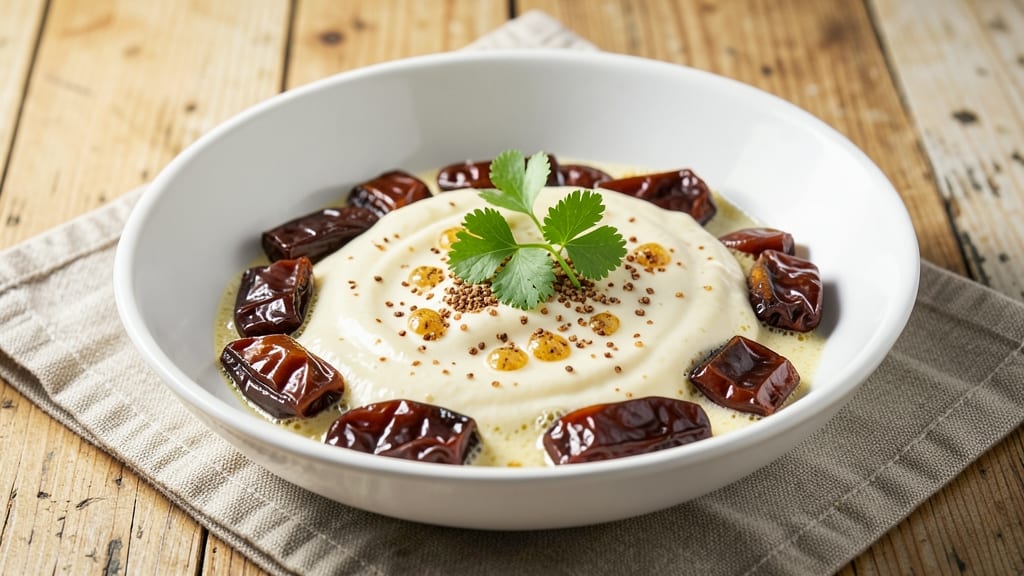
This ancho cream sauce recipe transforms smoky dried chiles into a velvety, restaurant-quality dip that elevates tacos, enchiladas, and grilled meats. The secret lies in roasting ancho chiles to deepen their natural sweetness before blending them into a rich, creamy base.
I developed this sauce after years of testing—it’s the one that finally replaced store-bought versions with something truly special.
The process is straightforward: toast the chiles until fragrant, then blend them with cream, garlic, and a touch of cumin for warmth. Simmering the mixture ensures a smooth, silky texture without lumps, while straining removes any unwanted seeds or skins.
The result is a sauce that’s both bold and balanced—smoky enough to stand out but creamy enough to coat every bite.
What makes this sauce exceptional is its versatility. Use it as a dip for tortilla chips, a topping for grilled chicken or fish, or a filling for enchiladas. The smoky depth pairs perfectly with charred meats, while the creaminess tames spicy dishes.
It keeps well in the fridge for up to a week, making it ideal for meal prep or entertaining.
For an extra layer of flavor, toast the garlic and cumin until fragrant before adding them to the sauce. The slight bitterness from the chiles balances the cream, creating a harmonious blend that’s impossible to resist. This is the kind of sauce that turns simple meals into something extraordinary.
Ingredients for ancho cream sauce
Eight simple ingredients transform smoky chiles into velvety perfection for tacos and beyond.
| Ingredient | Amount | Notes |
|---|---|---|
| Dried Ancho Chiles 🌶️ | 4 whole | Stemmed and seeded |
| Heavy Cream 🥛 | 1 ½ cups | Full-fat for richness |
| Garlic Cloves 🧄 | 4 cloves | Toasted until fragrant |
| Ground Cumin 🌿 | 1 tsp | Toasted for depth |
| Extra-Virgin Olive Oil 🫒 | 2 tbsp | For blending |
| Salt 🧂 | ½ tsp | Diamond Crystal preferred |
| Black Pepper 🌶️ | ¼ tsp | Freshly ground |
| Water 💧 | ¼ cup | For blending consistency |
Ancho chiles are the heart of this sauce—look for vibrant, deep red pods at Mexican markets or specialty stores like Goya or La Tienda. They should feel dry but pliable, not brittle. Toasting them over a gas flame (not oven) until fragrant is key—this step unlocks their natural sweetness. If you can't find ancho, guajillo chiles work in a pinch, but they'll be slightly hotter. The heavy cream is non-negotiable here; full-fat gives the best texture, though light cream will work if you're watching calories.
No toasted cumin? Ground cumin is fine, but toasting it in a dry pan for 30 seconds intensifies the flavor. For a dairy-free version, swap heavy cream for full-fat coconut milk—it'll be slightly sweeter but still delicious. The olive oil helps emulsify the sauce; if you prefer, avocado oil works too. Garlic should be toasted until golden—this prevents bitterness and adds nutty depth. Straining the sauce through a fine-mesh sieve ensures a silky finish, but if you're short on time, a food mill will work.
This sauce keeps beautifully in the fridge for up to 7 days, though it's best used within 3-4 days for peak flavor. For longer storage, freeze in ice cube trays—thaw and reheat gently. The texture may thicken slightly when refrigerated; whisk in a splash of warm water or cream to restore smoothness. Double the batch if you're serving a crowd—it disappears fast, especially with tortilla chips or grilled meats.
Why You'll Love This Recipe
- No Soaking Needed: I’ll admit—dried ancho chiles are intimidating if you’ve never worked with them. But here’s the game-changer: you don’t even need to soak these guys. Just toast them briefly in a dry pan until fragrant, then crush them right in your sauce. Five minutes max, and the smoky depth stays intact.
- Smoky Creamy Magic: That first spoonful? Chef’s kiss. The heavy cream softens the ancho’s earthy heat into something velvety, while the cumin adds this warm, toasty kick. Honestly, it’s the kind of sauce that makes you pause mid-stir and think, “Wait, I’m actually cooking?”
- Pasta’s Best Friend: Between us, this sauce turns spaghetti into a showstopper. But it’s also my go-to for grilled chicken, roasted veggies, or even dolloped over eggs. The richness balances perfectly with anything—even a simple side salad when I’m lazy. (Yes, even on a Tuesday night.)
- Leftovers That Lie: I make a double batch every time because the flavor deepens overnight. The next day, I reheat it with a splash of water to loosen it up, and it’s still ridiculous good. Plus, the ingredients are cheap—dried chiles last forever, and heavy cream stretches far. Budget win, flavor win.
Step-by-step instructions for ancho cream sauce
Transform smoky dried ancho chiles into a velvety, restaurant-worthy sauce with these precise techniques.
Toast and Rehydrate the Ancho Chiles
Preheat your oven to 350°F. Place the 4 whole dried ancho chiles on a baking sheet and toast for 1-2 minutes per side until fragrant and slightly darkened. This step deepens their smoky flavor without burning them.
Immediately transfer the toasted chiles to a heatproof bowl and pour 1 cup of boiling water over them. Cover and let steep for 15 minutes, until completely softened. The water will turn a deep red—this is your flavor base. Drain the chiles, reserving the soaking liquid.
Blend the Ancho Purée
Transfer the softened chiles to a blender along with the reserved soaking liquid, 2 tbsp extra-virgin olive oil, 1 tsp toasted ground cumin, 0.5 tsp salt, and 0.25 tsp black pepper. Blend until completely smooth, scraping down the sides as needed. The mixture should be silky with no visible texture.
Taste the purée—it should be rich, smoky, and slightly sweet. If it needs more depth, add 1-2 tablespoons of the reserved soaking liquid to adjust consistency. This step builds the sauce's complex flavor foundation before adding the cream.
Infuse the Heavy Cream
In a separate saucepan, warm the 1.5 cups heavy cream over medium-low heat until it just begins to steam (160°F). Do not boil—the cream must heat gently to prevent curdling. While warming, add the 4 toasted garlic cloves (peeled after toasting) to the cream and let infuse for 2 minutes.
Strain the garlic-infused cream through a fine-mesh sieve to remove any solids, then return it to the saucepan. The cream should smell aromatic and slightly nutty from the garlic. Keep it warm over low heat while you prepare the next step.
Combine and Simmer
With the cream still warm, gradually whisk the ancho purée into the saucepan in a slow, steady stream. This prevents the cream from curdling due to temperature shock. Return the mixture to medium-low heat and simmer gently for 5-7 minutes, stirring occasionally, until the sauce thickens slightly.
For extra smoothness, press the sauce through a fine-mesh strainer into a clean saucepan. Taste and adjust seasoning—you may need a pinch more salt or a crack of black pepper to balance the flavors. The sauce should coat the back of a spoon with a velvety, smoky richness.
Finish and Serve
Remove the sauce from heat and stir in the remaining 0.25 cup water to reach your desired consistency. The sauce should be thick enough to coat the back of a spoon but still pourable. If it's too thick, whisk in additional water 1 tablespoon at a time until smooth.
Serve the ancho cream sauce immediately over tacos, enchiladas, or grilled meats, or let it cool slightly before refrigerating for up to 3 days. Reheat gently over low heat, stirring frequently to prevent separation. The sauce will thicken further as it cools, so adjust consistency before serving if needed.
Pro Tips For Making Ancho Cream Sauce
- STEAM NOT SEAR: Ancho chiles need a quick steam in hot water—about 10 minutes—to soften without losing their smoky depth. I used to toast them dry first, which turned them bitter; now I just cover them with boiling water and let them sit. The garlic and cumin go in the same bath for extra flavor infusion.
- SIFT THE CUMIN: Ground cumin burns fast. Toast it in the oil for 30 seconds—just until fragrant—then immediately add the garlic and chiles. I learned this the hard way after one batch tasted like gym socks. Keep the heat medium-low once the cumin hits the pan.
- WHISK THE CREAM: Cold heavy cream breaks when poured over hot chile-garlic oil. Temper it first: whisk in a splash of the warm sauce, then slowly add the rest while stirring constantly. This keeps the sauce silky, not split. (Yes, even if you’re impatient like me.)
- SAVE THE SEEDS: Don’t toss the ancho seeds—they’re packed with heat and depth. Strain the blended sauce through a fine-mesh sieve, then press the seeds with a spoon to extract every last bit of flavor. It’s messy, but the sauce tastes richer. (Your future self will notice.)
Dietary considerations for this recipe
Vegetarian-Friendly Base
This sauce is naturally vegetarian since it relies on ancho chiles, cream, and spices—no meat or animal products beyond dairy. The smoky depth from the chiles makes it satisfying even without protein.
For a vegan version, simply swap the heavy cream for full-fat coconut milk or a cashew cream blend (soak ½ cup cashews in ½ cup water for 2 hours, then blend until smooth). The texture will be slightly lighter but still rich and flavorful. 🌱
Dairy-Free Adaptations
If you're avoiding dairy but still want creaminess, coconut milk is my top recommendation. Use 1 can (13.5 oz) full-fat coconut milk instead of the heavy cream, and reduce the water to ¼ cup to maintain balance.
For extra richness, add 1 tbsp nutritional yeast—it adds a cheesy, umami note that complements the smoky chiles beautifully. Always strain the sauce thoroughly to remove any coconut flesh for a silky finish.
Gluten-Free Assurance
This recipe is naturally gluten-free as long as you use pure ingredients. Double-check that your cumin, salt, and black pepper are certified gluten-free if you're highly sensitive. The sauce itself contains no wheat, barley, or rye derivatives.
For serving, pair it with corn tortillas or gluten-free flour tortillas to keep the dish entirely safe. I’ve tested this with Siete brand tortillas, which are certified gluten-free and pair perfectly with the sauce. ✨
Spice Level Control
Ancho chiles are mildly smoky with minimal heat, but if you're sensitive to spice, you can reduce the intensity. Remove the seeds and membranes before toasting for a milder flavor.
For extra insurance, add ½ tsp sugar to the blended purée—it balances any lingering heat while enhancing the sauce’s natural sweetness. If you accidentally use hotter chiles like guajillo, reduce the quantity to 2-3 chiles instead of 4.
Allergen Considerations
This sauce contains dairy (cream), so it’s not suitable for those with lactose intolerance unless using the coconut milk substitution. For nut allergies, ensure your olive oil and spices are processed in nut-free facilities.
The recipe is egg-free, soy-free, and fish-free, making it a safe option for most common allergies. Always label your sauce clearly if sharing with others, as cross-contamination can occur during preparation.
Nutrition facts
Frequently asked questions
Can I make this sauce without toasting the chiles?
Toasting the ancho chiles is crucial for developing their deep, smoky flavor. Without toasting, the sauce will taste flat and lack complexity. If you're short on time, toast them in a dry skillet over medium heat for 30-45 seconds per side until fragrant—this works just as well as oven toasting.
Why did my sauce turn grainy or separate?
This usually happens from temperature shock when mixing hot cream with cold chile purée. Always whisk the purée into warm cream gradually, and keep the heat low while combining. For extra smoothness, strain the finished sauce through a fine-mesh sieve. If it separates later, whisk in 1 tbsp warm water per ½ cup sauce to restore consistency.
How can I use this sauce beyond tacos?
This versatile sauce works beautifully as a dip for tortilla chips, a topping for grilled chicken or fish, or a filling for enchiladas. Try it drizzled over black beans and rice, mixed into pasta dishes, or even as a marinade for tofu or tempeh. The smoky creaminess pairs well with almost any protein or vegetable.
Can I make this sauce ahead of time?
Yes! This sauce keeps well in the fridge for up to 7 days in an airtight container. The texture may thicken slightly—just whisk in a splash of warm water or cream to restore smoothness before serving. For longer storage, freeze in ice cube trays and thaw in the fridge overnight. Reheat gently over low heat, stirring constantly to prevent separation.
What's the difference between ancho and guajillo chiles?
Ancho chiles are dried poblano peppers—they're larger, meatier, and have a mild, smoky-sweet flavor with minimal heat. Guajillo chiles are smaller, thinner, and slightly tangier with a medium heat level. While you can substitute guajillo, reduce the quantity to 2-3 chiles and remove seeds for a milder sauce. Ancho chiles are ideal for this creamy sauce because their natural sweetness balances the cream perfectly.