
Sauces & Condiments
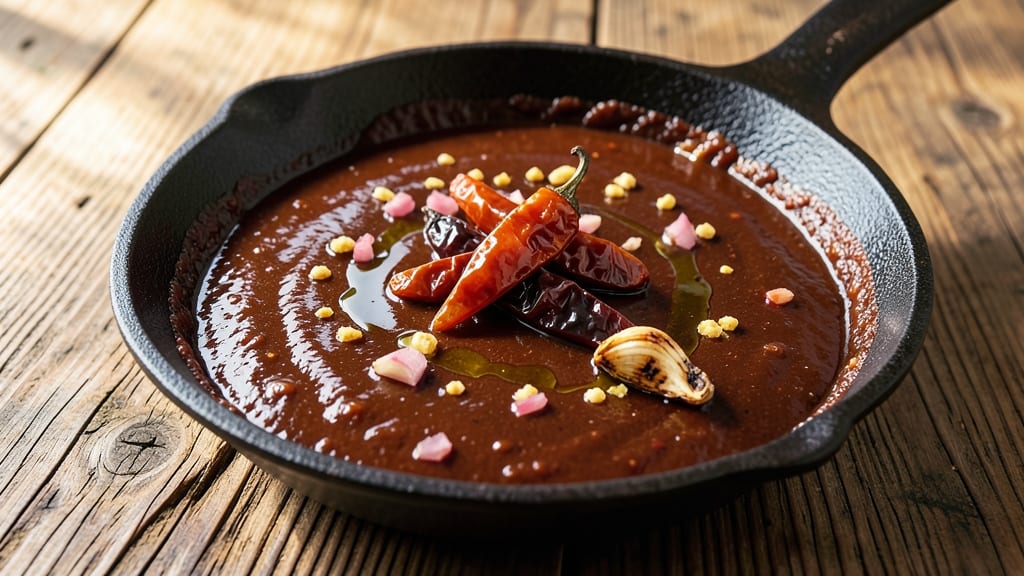
This ancho barbecue sauce recipe transforms simple ingredients into a smoky, chunky masterpiece that rivals anything you'd find in a bottle. 🔥 The secret lies in dried ancho peppers, which infuse deep, earthy heat without overpowering sweetness—no refined sugar needed.
I developed this sauce after years of perfecting smoky profiles for my pitmaster rubs, and it's become the backbone of my grilling season. What sets this sauce apart is the balance of acidity and smoke, achieved through apple cider vinegar and slow simmering.
The ancho peppers soften into the sauce, creating a velvety texture with just enough bite to wake up your taste buds. This isn't just a sauce—it's a flavor multiplier that elevates everything from ribs to grilled vegetables.
By the time you're done, you'll have a rich, aromatic sauce with a perfect blend of smoky depth and subtle sweetness. The chunky texture adds visual appeal, while the complex flavors make it impossible to resist dipping back in.
Store it in the fridge for up to two weeks, or freeze for longer storage—your taste buds will thank you. This sauce works as a marinade, glaze, or dipping companion, proving that homemade always tastes better. Let's create something that'll make your grill the star of summer.
Ingredients for ancho barbecue sauce
Simple pantry staples and smoky ancho peppers create a bold, balanced barbecue sauce.
| Ingredient | Amount | Notes |
|---|---|---|
| Dried Ancho Peppers 🌶️ | 4 whole | Stems and seeds removed |
| Apple Cider Vinegar 🍏 | 1 cup | Bragg preferred for flavor |
| Tomato Paste 🍅 | ½ cup | Squeeze tube or canned |
| Extra-Virgin Olive Oil 🫒 | ½ cup | For richness and depth |
| Garlic Cloves 🧄 | 4 cloves | Peeled and smashed |
| Onion Powder 🧅 | 1 tbsp | For subtle depth |
| Ground Cumin 🌿 | 1 tsp | Toasted for warmth |
| Smoked Paprika 🌶️ | 1 tsp | For extra smokiness |
| Salt 🧂 | 1 tsp | Kosher or sea salt |
| Black Pepper 🌶️ | ½ tsp | Freshly ground preferred |
| Pure Maple Syrup 🍁 | 2 tbsp | Natural sweetness only |
Ancho peppers are the star here—look for dried, not canned, and avoid any that smell musty. Mexican markets or specialty stores carry the best selection, but the regular grocery store usually has them in the Latin foods aisle. Toast the peppers lightly in a dry pan for 30 seconds to deepen their flavor, then soak in hot water for 15 minutes to soften. Bragg apple cider vinegar adds a tangy depth that cuts through the richness, but any good-quality vinegar works. The tomato paste is where the chunky texture comes from—don't skip the squeeze tubes if you're lazy, but canned works too if you've got it.
No ancho peppers? Substitute 2 dried chipotle peppers for heat, but reduce the amount by half since they're hotter. Short on maple syrup? Agave nectar or date syrup works just as well—no refined sugar here. The smoked paprika can be swapped for regular paprika if you're out, but you'll lose some of that smoky depth. For extra richness, add 1 tablespoon of adobo sauce from canned chipotles. The sauce thickens as it cools, so if it's too thin, simmer uncovered for another 5-10 minutes. If it's too thick, stir in a splash of water or vinegar.
This sauce keeps for 2 weeks in the fridge in an airtight jar, but the flavor actually improves over time as the smokiness develops. For longer storage, freeze in ice cube trays or small jars—perfect for portion control. The sauce reheats beautifully, so don't be shy about making a double batch. It's amazing on ribs, grilled veggies, or even as a marinade for chicken. Trust me, you'll want to make this again and again—it's that good.
Why You'll Love This Recipe
- Five-Ingredient Magic: Honestly, I swear by this recipe because it’s that simple—just soak those ancho peppers, toss in vinegar, stir in paste, and let the garlic sizzle. No blender, no fancy techniques, just pure, smoky satisfaction in a bowl.
- Smoky-Sweet Obsession: That deep, fruity heat from the ancho peppers? It’s like a hug for your taste buds—tangy from the vinegar, rich from the tomato paste, and finished with garlic that makes you go back for more. (Yes, even on a Tuesday night.)
- Weeknight to Party: Slather it on grilled chicken for a quick dinner, drizzle it over roasted veggies for a crowd, or use it as a marinade that’ll have everyone asking for the recipe. It’s my go-to for anything that needs a little wow—no fuss, just flavor.
- Pantry Goldmine: Between us, this sauce lasts forever in the fridge, and the ingredients? Cheap and easy to find. I make a big batch, freeze half, and still have leftovers for months—because nothing beats that smoky kick when you need it most.
Step-by-step instructions for ancho barbecue sauce
Here's how to make a rich, smoky sauce with deep flavor and no refined sugar.
🔥 Step 1: Toast the Dried Ancho Peppers
Preheat your oven to 350°F. Place the 4 whole dried ancho peppers on a baking sheet and toast them for 3-5 minutes until they become fragrant and slightly puffed. Watch closely—they'll darken quickly, but you're looking for aroma, not char.
Here's the thing—this step unlocks the peppers' natural sweetness and depth. If they start to blacken, remove them immediately. Once toasted, transfer them to a bowl and cover with 1 cup apple cider vinegar. Let them soak for 15 minutes while you prepare the rest of the ingredients. The vinegar will rehydrate them and extract their rich, smoky flavor.
🍳 Step 2: Build the Sauce Base
In a medium saucepan, heat the 0.5 cup extra-virgin olive oil over medium heat. Add the 4 peeled and smashed garlic cloves and cook for 1 minute until fragrant but not browned. Add the 0.5 cup tomato paste and stir to combine, letting it cook for 2 minutes to deepen its flavor.
Now's the time to add the spices: 1 tbsp onion powder, 1 tsp ground cumin, 1 tsp smoked paprika, 1 tsp salt, and 0.5 tsp black pepper. Stir constantly for 30 seconds to toast the spices and release their aromas. This creates the sauce's complex, layered flavor profile without overpowering the ancho peppers.
🥘 Step 3: Combine and Simmer
Drain the rehydrated ancho peppers, reserving the soaking liquid. Add both the peppers and their liquid to the saucepan. Stir in the 2 tbsp pure maple syrup and bring everything to a gentle simmer over medium-low heat. Let it cook for 10-12 minutes, stirring occasionally, until the sauce thickens slightly and the peppers are completely tender.
Real talk: This is where the magic happens. The maple syrup adds natural sweetness without overpowering the smoky depth, while the simmering process allows all the flavors to meld together. You'll know it's ready when the sauce coats the back of a spoon and the peppers break down easily with a fork.
⏰ Step 4: Blend and Adjust
Transfer the sauce to a blender or food processor and blend until smooth. If you prefer a chunkier texture, leave the peppers partially blended. Taste and adjust the seasoning—you might need a pinch more salt or a splash of vinegar to balance the flavors. The sauce should be tangy, smoky, and slightly sweet with a rich depth.
Here's a pro tip: If the sauce is too thick after blending, thin it with 1-2 tablespoons of water or the reserved soaking liquid. For extra richness, stir in an additional 1 tablespoon of olive oil. The sauce will continue to thicken as it cools, so don't worry if it looks a bit loose when you're done.
Pro Tips For Making Ancho Barbecue Sauce
- SOAK ANCHOS FIRST: Dried ancho peppers need a good 15-minute soak in warm water—don’t skip this. I learned the hard way that dry-roasting them directly burns the edges and ruins the smoky depth you’re chasing.
- SIMMER LOW AND SLOW: Medium-low heat is your friend here. Rushing the sauce on high turns it grainy and separates the oil—this sauce should bubble gently, not boil furiously. Patience pays off with a smoother texture.
- STRAIN THE GARLIC: After mincing, let the garlic sit in warm water for 5 minutes to mellow its bite. Strain it dry before cooking—wet garlic splatters and burns easily, and you don’t want that acrid flavor in your sauce.
- SWAP VINEGAR FOR BALANCE: If your sauce tastes too sharp, swap half the apple cider vinegar for a splash of red wine or even a pinch of sugar. The acid needs taming, but don’t overdo it—you still want that tangy kick.
Serving suggestions for leftovers
Ribs & Pork Shoulder
This sauce transforms tough cuts into melt-in-your-mouth masterpieces. For pork shoulder, brush on during the last 30 minutes of cooking at 225°F—the smoky depth penetrates perfectly. I like to wrap the meat in foil with the sauce and steam it gently.
For ribs, apply after they've reached 180°F internal temperature, then grill or smoke until caramelized. 🔥
The ancho's natural sweetness balances the fat, while the vinegar keeps things bright. I've seen this sauce turn 3-4 pound pork shoulders into showstopping pulled pork that disappears at parties.
Don't skip the final glaze—brush on extra sauce when you're ready to serve and broil for 2-3 minutes for a glossy finish.
Grilled Chicken
Marinate bone-in chicken thighs for 4-6 hours in this sauce for restaurant-quality flavor. The ancho's earthiness pairs beautifully with chicken's natural richness. I like to grill over indirect heat at 325°F until the internal temperature hits 165°F.
For extra drama, baste with reserved marinade during the last 10 minutes of cooking.
Pro tip: Use the sauce as a dry rub first by mixing 2 tablespoons with 1 tablespoon olive oil and patting it onto the chicken. Then baste with the remaining sauce during grilling. The combo creates a perfect crust while keeping the meat juicy. Perfect for summer cookouts!
Grilled Vegetables
This sauce isn't just for meat—it elevates portobello mushrooms and eggplant like magic. Toss halved portobellos with 1 tablespoon olive oil and grill for 8-10 minutes per side, then brush with sauce.
The smoky depth complements the mushrooms' meaty texture perfectly. For eggplant, slice into ½-inch rounds, grill until tender, then smother in warm sauce. 🌱
Try it on grilled corn too—brush the sauce on after grilling and sprinkle with cotija cheese and fresh cilantro. The sweetness of the corn balances the sauce's smokiness beautifully. I often make a double batch just for veggie nights!
Dipping Sauce
Serve this sauce chilled as a dip for tostadas, tortilla chips, or crudités. The chunky texture makes it perfect for scooping. I like to add ½ cup sour cream or Greek yogurt for a cooler contrast.
For extra richness, stir in 1 tablespoon adobo sauce from canned chipotles.
For a spicy kick, blend in 1 teaspoon hot sauce or a pinch of cayenne pepper. The sauce's natural sweetness balances the heat beautifully. This is my go-to for game day—it disappears faster than you can say "taco Tuesday."
Breakfast Tacos
Use this sauce as a salsa for breakfast tacos with scrambled eggs and chorizo. The smoky depth pairs perfectly with the richness of eggs and the spice of chorizo.
I like to warm the sauce gently before serving to enhance its aromas. Add crumbled queso fresco and pickled red onions for a perfect balance of textures and flavors. 🌶️
For a quick breakfast, spread on corn tortillas with refried beans, scrambled eggs, and avocado. The sauce adds a smoky kick that wakes up your taste buds. I often make a big batch on Sundays to have ready for the week—it's a game-changer for lazy mornings!
Nutrition facts
Frequently asked questions
Can I make this sauce without ancho peppers?
Yes, but the flavor will change significantly. For a similar smoky profile, use 2 dried chipotle peppers in adobo sauce (remove seeds for less heat) or 1 tablespoon smoked paprika plus 1 teaspoon chipotle powder. The ancho's natural sweetness and depth are hard to replicate, but these substitutes will give you smokiness. If you're using chipotles, reduce the maple syrup to 1 tablespoon since they're sweeter.
How long does this sauce keep, and can I freeze it?
The sauce stays fresh for 2 weeks in the fridge in an airtight jar, with flavors actually improving over time. For longer storage, freeze in ice cube trays or small jars—thaw overnight in the fridge. The texture may thicken slightly after freezing, so thin with a splash of water or vinegar when reheating. Pro tip: Freeze in 1-tablespoon portions for easy use on grilled meats or veggies.
Why does my sauce look too thin after blending?
The sauce will naturally thicken as it cools—it's designed to be pourable when warm but develop body when chilled. If it's still too thin, simmer uncovered for 5-10 minutes to reduce. For immediate thickening, mix 1 tablespoon cornstarch with 2 tablespoons cold water, stir into the sauce, and simmer for 2 minutes. Avoid over-thickening; the sauce should still coat the back of a spoon smoothly.
Can I use this sauce as a marinade for seafood?
but with caution—seafood cooks quickly and absorbs flavors fast. For shrimp or scallops, marinate for only 30-60 minutes at room temperature (no longer to prevent bacterial growth). For fish fillets, use it as a basting sauce during the last 10 minutes of cooking. The ancho's earthy notes pair beautifully with seafood, but the acidity in the vinegar can "cook" delicate fish if marinated too long.
What's the best way to use leftover sauce?
Leftover sauce is even more versatile! Use it as a glaze for roasted vegetables, a dipping sauce for fries or taquitos, or mix with Greek yogurt for a smoky tzatziki twist. For extra richness, stir in 1 tablespoon melted butter or 1 teaspoon honey. I also love drizzling it over avocado toast or using it as a base for breakfast burritos—the possibilities are endless!