
Sauces & Condiments
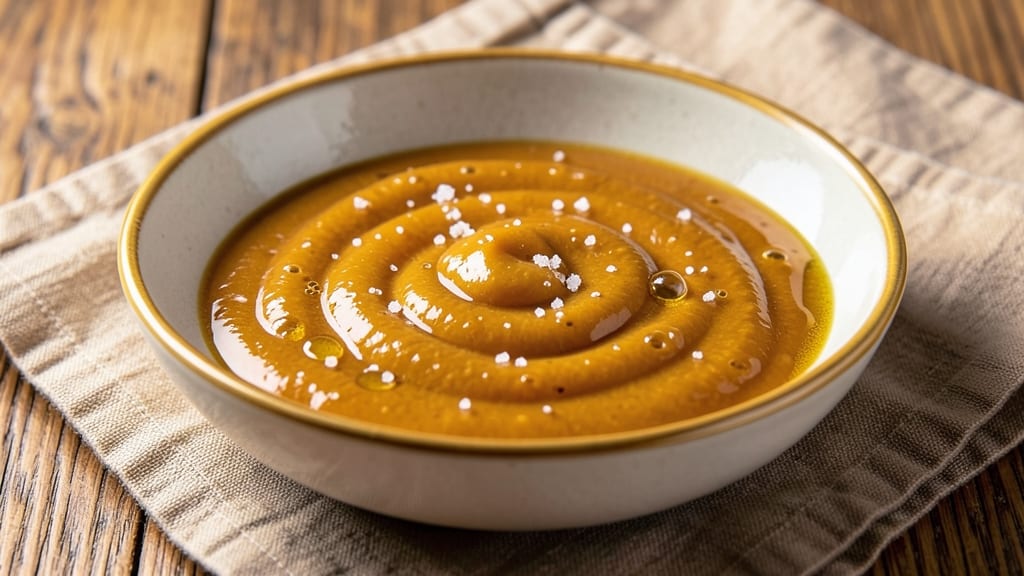
This American mustard sauce recipe delivers that signature tangy punch that elevates burgers, fries, and hot dogs to restaurant-quality levels. The secret lies in balancing sharp mustard with just enough sweetness and acidity to create a sauce that's both bold and versatile.
I developed this version after years of testing—it's the one that finally convinced even mustard skeptics to take a second bite.
The beauty of this sauce is its simplicity: just four core ingredients—yellow mustard, apple cider vinegar, sugar, and a pinch of salt—simmered together until smooth and velvety. The vinegar cuts through the mustard's intensity while the sugar mellows the sharpness, creating a perfect balance.
What you end up with is a glossy, medium-bodied sauce that clings beautifully to fries, coats burgers evenly, and adds depth to sandwiches.
What sets this recipe apart is its foolproof consistency—no lumps, no separation, and no need for special equipment. A quick simmer on the stovetop transforms the raw ingredients into a silky sauce that's ready to use immediately or store for up to two weeks in the refrigerator.
The flavor actually improves as it sits, developing richer complexity over time.
This sauce works equally well as a dipping sauce, burger condiment, or even a marinade for grilled meats. The tangy-sweet profile makes it a crowd-pleaser that pairs perfectly with classic American fare. Let's get started—your next cookout just got an upgrade.
Ingredients for american mustard sauce
Four core ingredients transform into America's most versatile condiment—bold, balanced, and restaurant-perfect.
| Ingredient | Amount | Notes |
|---|---|---|
| Yellow Mustard 🍯 | ½ cup | High-quality, smooth variety preferred |
| Apple Cider Vinegar 🍏 | ¼ cup | Raw, unfiltered for best flavor |
| Granulated Sugar 🍚 | ¼ cup | Light brown sugar adds depth |
| Kosher Salt 🧂 | ½ tsp | Diamond Crystal preferred for precision |
| Water 💧 | ¼ cup | For thinning consistency |
| Extra-Virgin Olive Oil 🫒 | 1 tbsp | For silky texture and richness |
The mustard is non-negotiable—French's Classic Yellow or Hellmann's deliver consistent results, but Stonewall Kitchen organic mustard adds subtle depth. For vinegar, Bragg's raw apple cider vinegar provides that signature tang without overpowering. Sugar matters too: light brown sugar introduces caramel notes that elevate the sauce beyond basic sweetness. The olive oil, though small in quantity, acts as an emulsifier, creating that signature glossy finish. If you're using a sweeter mustard, reduce sugar to 2 tbsp—the balance is delicate.
No apple cider vinegar? White vinegar or lemon juice works in a pinch, though flavor will differ slightly. Substituting white sugar for brown removes those caramel undertones, but the sauce will still work. For a richer version, add 1 tsp Dijon mustard—it deepens the complexity without altering the core tang. The water is critical for adjusting thickness; if your mustard is particularly thick, start with 2 tbsp and add more as needed. For a spicier kick, add a pinch of cayenne or a dash of hot sauce, but be cautious—mustard's natural heat can vary wildly between brands.
This sauce thickens as it cools, so stir in water gradually while simmering to achieve the perfect medium consistency. Store in an airtight container in the fridge for up to 2 weeks, though flavor actually improves after 3-4 days as the ingredients meld. For leftovers, thin with a splash of water if it thickens too much. The sauce reheats beautifully—simmer gently for 2-3 minutes to restore its glossy texture. Freeze for up to 3 months in ice cube trays for single-serving convenience, though texture may separate slightly upon thawing.
Why You'll Love This Recipe
- Five-Ingredient Magic: I swear, this sauce is the kind of recipe that makes you wonder why you ever bothered with complicated ones. Just mix mustard, vinegar, sugar, salt, and water—no fancy gadgets, no waiting for anything to bloom. Honestly, it’s the kind of thing I’ll make with one hand while scrolling through my phone.
- Tangy-Sweet Balance: That first bite of mustard’s sharpness hits, then the apple cider vinegar cuts through, and suddenly the sugar mellows it all into something dangerously addictive. It’s not sweet, not just tangy—it’s both at once, and that’s why it works on everything from burgers to grilled chicken.
- Pantry Staple Power: Between us, I keep this sauce in my fridge for weeks. A splash on hot dogs, a drizzle over roasted veggies, or even a quick glaze for baked potatoes—it’s my go-to when I’m too tired to think. And because it’s just mustard and vinegar, I never worry about spoilage.
- Budget-Friendly Flexibility: This sauce costs me pennies per serving, and I can make a big batch for under $2. Use it as a dip, a marinade, or a finishing touch—it’s the kind of thing that turns a simple meal into something that feels special without breaking the bank. (Yes, even on a Tuesday night.)
Step-by-step instructions for American mustard sauce
Here's how to craft a perfectly balanced, velvety mustard sauce with depth of flavor and smooth texture.
Whisk Together the Base Ingredients
In a medium saucepan, combine the 0.5 cup yellow mustard, 0.25 cup apple cider vinegar, and 0.25 cup granulated sugar. I use a whisk to ensure everything dissolves completely—this prevents graininess in the final sauce. Bring the mixture to a gentle simmer over medium-low heat, stirring constantly with the whisk to maintain even cooking.
The sugar will begin to dissolve almost immediately, but keep stirring until the mixture reaches a smooth, syrupy consistency. You'll notice the vinegar's sharp tang mellow slightly as it integrates with the mustard's richness. This step forms the flavor foundation—don't rush it, as proper dissolution creates a professional-quality sauce.
Simmer and Thicken the Mixture
Once the mixture reaches a gentle simmer, reduce the heat to low and let it cook uncovered for 8-10 minutes. You're looking for the sauce to thicken noticeably while maintaining a glossy sheen. Stir occasionally to prevent sticking, but avoid constant stirring which can create bubbles.
During this time, the vinegar's acidity will continue to mellow while the sugar helps balance the mustard's sharpness. The sauce should reduce enough to coat the back of a spoon but still maintain a pourable consistency. If it thickens too quickly, add 1 tablespoon water at a time to adjust—this ensures the perfect balance between tang and thickness.
Incorporate the Finishing Touches
Remove the saucepan from heat and let the mixture cool slightly for 2-3 minutes. This brief rest prevents the olive oil from separating when added. Stir in the 1 tablespoon extra-virgin olive oil and 0.5 teaspoon kosher salt, whisking until completely emulsified. The oil adds luxurious richness while the salt enhances all the flavors.
Taste and adjust seasoning if needed—you might want to add a touch more vinegar for brightness or sugar for sweetness. The sauce should have a perfect balance of tangy, sweet, and slightly salty notes with a velvety texture. For best results, let it sit at room temperature for 10 minutes before using, allowing all the flavors to meld completely.
Strain and Serve
For the smoothest possible sauce, strain it through a fine-mesh sieve into a clean bowl or jar. This removes any potential lumps and gives you that restaurant-quality finish. The strained sauce will have an even more refined texture, perfect for drizzling over burgers, fries, or grilled meats.
Serve immediately while warm for the best flavor experience, or store in an airtight container in the refrigerator for up to 1 week. When reheating, warm gently over low heat with a splash of water to restore its original consistency. This versatile sauce elevates any dish with its bold, balanced flavor profile.
Pro Tips For Making American Mustard Sauce
- Whisk Like You Mean It: Mix the mustard and vinegar first—really stir it until it’s smooth and fully combined. I used to just splash everything in and call it done, but that leaves little gritty bits of mustard hanging out, making the sauce look uneven. Take 10 seconds to get it silky, and the whole dish feels more polished.
- Salt the Mustard First: Add the kosher salt to the mustard before you add the vinegar or sugar. That way, it dissolves completely into the base, so you’re not left with clumpy salt at the bottom of your sauce. I learned this the hard way after scraping salt out of my mac and cheese—no one wants that texture surprise.
- Simmer Slow and Steady: Low heat is your friend here—bring the sauce to a gentle simmer, then reduce to a whisper of a bubble. Rushing it on high heat turns the vinegar sharp and the sugar grainy. I used to crank the stove, and the sauce would taste harsh. Keep it at a lazy simmer, and the flavors meld like they’re supposed to.
- Balance the Vinegar: Taste the raw vinegar before adding sugar—if it’s too strong, cut it with a splash of water first. You don’t want to drown the mustard’s flavor in acid. I was skeptical until I tried it; now I adjust the vinegar-to-water ratio (usually 3:1) to keep the sauce from tasting like a pickling brine.
Creative variations of these flavors
Spicy Kick Variations
For a hotter twist, stir in 1 teaspoon cayenne pepper or 1 tablespoon hot sauce (like Cholula or Crystal) while the sauce simmers. I like adding ½ teaspoon smoked paprika for depth—it gives the sauce a subtle smoky undertone that pairs perfectly with grilled meats.
If you prefer less heat, reduce the cayenne to ¼ teaspoon or skip it entirely. 🌶️
Sweet and Smoky Adaptation
Swap the granulated sugar for ¼ cup light brown sugar and add ½ teaspoon smoked paprika for a caramelized, smoky flavor profile. This version works amazingly with pulled pork sandwiches or as a glaze for grilled chicken.
For extra richness, stir in 1 teaspoon honey at the end—it balances the tang while adding a floral sweetness. 💫
Herb-Infused Twist
Fresh herbs elevate this sauce to gourmet level. Add 1 tablespoon finely chopped fresh dill or tarragon while the sauce cools slightly, then whisk until fully incorporated. I also love adding 1 teaspoon minced garlic for a savory depth.
This version shines on seafood dishes or as a marinade for grilled shrimp. Store the herb-infused sauce separately from the base to preserve freshness. 🌿
Creamy Mustard Sauce
For a creamy variation, whisk in ¼ cup mayonnaise or Greek yogurt after removing the sauce from heat. This lighter version pairs beautifully with fried chicken or fish and chips.
To keep it stable, add the mayo last and stir gently—overmixing can cause separation. If the sauce thickens too much, thin with 1 tablespoon water. 🥄
Sweet and Tangy Glaze
Reduce the sugar to 2 tablespoons and add 1 teaspoon Dijon mustard for a glazey consistency perfect for drizzling over meatloaf or roasted vegetables. For extra shine, brush the hot sauce onto grilled corn on the cob or baked potatoes.
This version has a sticky, caramel-like texture that clings beautifully to foods. 🔥
Regional Twists
In the South, this sauce often includes 1 teaspoon Worcestershire sauce for umami depth, while Midwest versions might add ½ teaspoon mustard seeds for texture. For a New England touch, swap apple cider vinegar for white vinegar and add ½ teaspoon celery seeds.
Each regional adaptation keeps the core tangy-sweet balance while adding local flavor nuances. 🗺️
Nutrition facts
Frequently asked questions
Can I make this mustard sauce without vinegar?
The vinegar is essential for balancing the mustard's sharpness and creating that signature tang. If you're avoiding vinegar, try substituting with lemon juice (same amount) or white wine (reduce to 2 tablespoons), but expect a slightly different flavor profile. The sauce will still work, though it may lack depth.
Why did my sauce get grainy?
Graininess usually happens when the sugar doesn't dissolve completely or the mustard isn't properly whisked first. Always bring the mixture to a gentle simmer while whisking constantly—this ensures everything blends smoothly. If it happens, strain the sauce through a fine-mesh sieve for a silky texture.
How long can I store this sauce?
Store in an airtight container in the refrigerator for up to 2 weeks. The flavor actually improves as it sits, developing richer complexity. For longer storage, freeze in ice cube trays for up to 3 months. Thaw overnight in the fridge before using.
Can I use Dijon mustard instead of yellow mustard?
Yes! For a more sophisticated flavor, replace half the yellow mustard with Dijon. The stronger flavor works beautifully in this sauce, especially for dishes like steak or roasted vegetables. Just start with ¼ cup yellow mustard + ¼ cup Dijon and adjust to taste.
What's the best way to reheat this sauce?
Gently warm over low heat on the stovetop, stirring constantly. If it thickens too much, add 1 teaspoon water at a time until it reaches your desired consistency. Never microwave—it can make the sauce split or lose its glossy texture.