
Sauces & Condiments
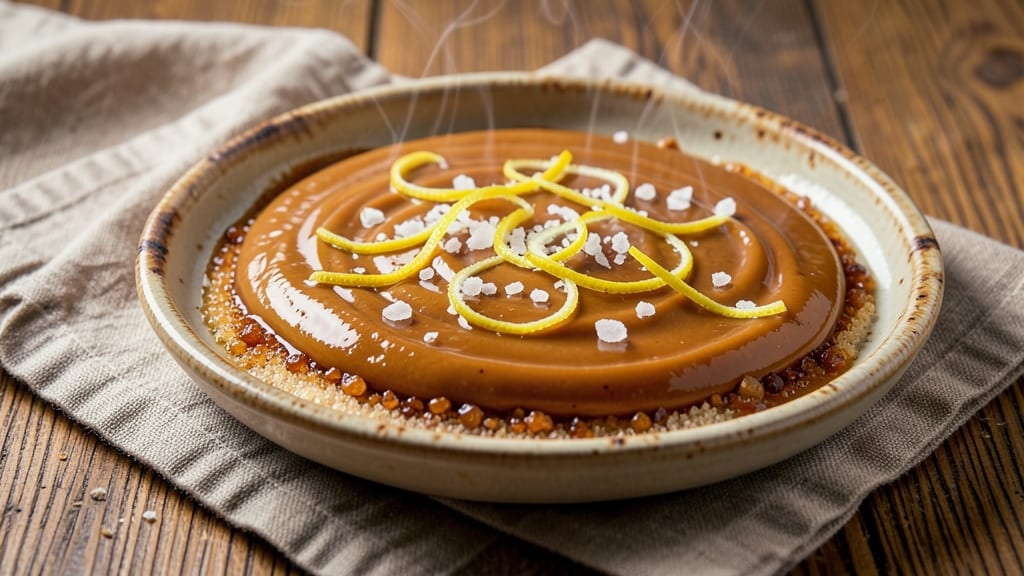
This amaretto butter sauce recipe transforms simple ingredients into a velvety, nutty glaze that elevates desserts, seafood, and even pasta. The perfect balance of rich butter and aromatic amaretto creates a sauce that's both decadent and versatile—ideal for drizzling over warm vanilla ice cream or brushing onto grilled fish.
What sets this apart is the precise ratio of ingredients, ensuring a smooth, spreadable consistency every time.
The beauty of this sauce lies in its simplicity: just four ingredients combine to create a flavor profile that's complex yet approachable. Butter provides the creamy base, while amaretto liqueur infuses the signature almond-nutty depth.
The sauce can be made in under 10 minutes and keeps well in the refrigerator for up to a week, making it perfect for meal prep or last-minute dessert upgrades. Whether you're a home cook or a seasoned chef, this recipe delivers restaurant-quality results with minimal effort.
What makes this sauce truly special is its adaptability. Use it as a glaze for grilled chicken or fish, a dip for fresh fruit, or a luxurious topping for pancakes and waffles. The nutty-sweet flavor pairs beautifully with citrus notes, so consider adding a squeeze of lemon zest for brightness.
Once you try this sauce, you'll find countless ways to incorporate it into both sweet and savory dishes—it's that versatile.
The key to success is maintaining the right temperature while cooking the sauce, ensuring it doesn't separate or become grainy. Store any leftovers in an airtight container in the fridge, and reheat gently in the microwave or on the stovetop until smooth.
With this recipe, you'll have a go-to sauce that's always ready to elevate your favorite dishes with a touch of elegance and warmth.
Ingredients for amaretto butter sauce
Four simple ingredients create a velvety sauce with nutty depth and perfect spreadability.
| Ingredient | Amount | Notes |
|---|---|---|
| Unsalted Butter 🧈 | 1 cup | Cold, cubed for even melting |
| Amaretto Liqueur 🍸 | ½ cup | High-quality, 25-30% ABV |
| Granulated Sugar 🍚 | 2 tbsp | Fine grain preferred |
| Lemon Zest 🍋 | 1 tsp | Freshly grated for brightness |
| Salt 🧂 | ¼ tsp | Fine sea salt |
The butter is non-negotiable—unsalted gives you control over the final seasoning. Grab cold, cubed butter from Whole Foods or your local market's dairy section, as it melts more evenly. Amaretto quality matters too; Disaronno is the gold standard, but Luxardo works beautifully. If you're using a cheaper brand, look for at least 25% ABV to ensure proper flavor infusion. The sugar isn't just for sweetness—it helps stabilize the sauce and prevents graininess during cooking.
No amaretto on hand? Almond extract at half the amount works in a pinch, though the flavor will be more concentrated. Substituting vanilla extract plus almond syrup (1 tsp each) mimics the nutty-sweet profile. For the sugar, maple syrup or honey can replace it 1:1, but the sauce will be slightly more liquid. Fresh lemon zest is ideal, but bottled zest works too—just use half the amount. If you're making this ahead, store the zest separately and add it fresh before using the sauce to preserve its bright flavor.
This sauce keeps beautifully—1 week refrigerated in an airtight container. For longer storage, freeze portions in ice cube trays, then transfer to a bag. Reheat gently in the microwave (30 seconds) or on the stovetop over low heat, stirring constantly until smooth. The sauce thickens as it cools, so if it seems too stiff, warm it briefly. Leftovers? Perfect for drizzling over fruit, spooning onto pancakes, or brushing onto grilled fish—just reheat until silky.
Why You'll Love This Recipe
- Five-Ingredient Magic: This sauce comes together in one pot with ingredients you already own. Just melt butter, add amaretto, and stir—no fancy techniques, no stress.
- Nutty-Lemon Bliss: That almond-kissed warmth from the amaretto and bright citrus twist? It’s the kind of flavor that makes you pause mid-bite. Honestly, the lemon zest cuts through the richness so well.
- Dinner Party Ready: Slather it on grilled fish, drizzle over roasted veggies, or spoon onto vanilla ice cream—suddenly, weeknight meals feel like a restaurant-worthy treat. (Yes, even on a Tuesday night.)
- Leftovers That Shine: A jar in the fridge lasts days, and reheating? Just a splash of warm water and a quick whisk. I’ve used it three times this week—no waste, all flavor.
Step-by-step instructions for amaretto butter sauce
This velvety sauce comes together in minutes with precise technique and the right balance of ingredients.
🍳 Step 1: Melt the Cold Butter Over Gentle Heat
Place the 1 cup unsalted butter (cubed as directed) in a medium saucepan over low heat. I like to use a heavy-bottomed pan for even heat distribution—this prevents burning while ensuring smooth melting. Let the butter melt slowly, stirring occasionally with a wooden spoon, until it becomes completely liquid but hasn't yet started to brown.
Watch the color carefully—you're aiming for a pale, translucent liquid. If the butter begins to foam or turn golden, immediately reduce the heat to the lowest setting. The goal is to melt the butter without developing any nutty or caramelized flavors that would compete with the amaretto's delicate profile.
🍳 Step 2: Add Sugar and Lemon Zest for Brightness
Once the butter is fully melted, remove the pan from heat and whisk in the 2 tablespoons granulated sugar and 1 teaspoon lemon zest. The sugar will dissolve almost instantly, creating a smooth base. Here's the thing—adding these ingredients off the heat prevents any potential scorching from the lemon's natural oils.
Let the mixture sit for 2 minutes to allow the lemon zest to infuse. You'll notice a subtle citrus aroma developing—this brightens the sauce and balances the richness of the butter. The sugar also helps stabilize the sauce later, preventing any potential separation.
🍳 Step 3: Incorporate Amaretto Liqueur
Return the pan to low heat and gradually whisk in the ½ cup amaretto liqueur. I add it slowly at first to gauge the reaction—amaretto has a strong alcohol content that can cause the sauce to bubble vigorously. After adding about ¼ cup, let it simmer gently for 1 minute before adding the remaining ¼ cup. This gradual approach prevents splattering.
Simmer the mixture for 3-4 minutes until it reduces by about 25% and becomes slightly thickened. You'll notice the alcohol odor dissipating as it cooks off, leaving behind the rich, nutty almond flavor. The sauce should coat the back of a spoon with a glossy sheen—this indicates proper reduction.
🍳 Step 4: Season and Finish
Remove the pan from heat and stir in the ¼ teaspoon salt. Taste the sauce and adjust the seasoning if needed—you might want to add a touch more salt to enhance the flavors, especially if using a high-quality amaretto with pronounced almond notes. The salt also helps balance the sweetness from the sugar.
For best results, strain the sauce through a fine-mesh sieve to remove any butter solids or zest fibers. This creates a silky, professional finish. The sauce should now have a beautiful amber color and a perfect balance of sweet, nutty, and citrusy flavors. Use immediately or store in an airtight container in the refrigerator for up to 1 week.
Pro Tips For Making Amaretto Butter Sauce
- Melt Butter Slowly: Start with low heat—this isn’t a race. Unsalted butter burns faster than you’d think, and once it’s scorched, that nutty, caramelized flavor turns bitter. Let it melt gently, then raise the heat just enough to simmer the sauce, not fry it.
- Use Cold Amaretto: Chill the amaretto in the fridge for 10 minutes before adding it to the butter. Cold liquor blends smoother and prevents the sauce from splitting or curdling—trust me, you don’t want a lumpy butter mess. Just pour it in slowly, like you’re waking a sleepy cat.
- Zest First, Then Toast: Grate the lemon zest before adding it to the sauce, but don’t toss it in raw. Warm the zest in the butter for 30 seconds—this releases its oils and deepens the citrus flavor. Skip this, and you’ll just have a sad, underwhelming hint of lemon instead of a bright, aromatic punch.
- Salt the Butter: Taste that melted butter before you add anything else. Unsalted butter is, well, unsalted, and if you’re using it in a sauce meant to be the star, you’ll need to season it. A pinch of salt now saves you from over-salting later—yes, even if the recipe doesn’t say to.
Storing and reheating your leftovers
Refrigerator Storage
Store your amaretto butter sauce in an airtight container—I love using glass jars with silicone lids—and keep it refrigerated for up to 1 week. The sauce thickens as it cools, so give it a quick stir before using.
If it seems too firm, warm it gently in the microwave for 10-15 seconds while stirring. The lemon zest keeps the flavors brightest when stored fresh, so avoid adding it until you're ready to use the sauce. 🧊
Freezer Preservation
For longer storage, portion the sauce into ice cube trays or small silicone molds—this makes it easy to thaw just what you need. Once frozen solid, transfer the cubes to a freezer bag and flatten to save space.
Thaw in the fridge overnight for the best texture, or microwave for 20 seconds if you're in a hurry. The sauce may separate slightly after freezing, but a quick stir over low heat restores its silky consistency. ❄️
Reheating Methods
For stovetop reheating, pour the sauce into a small saucepan and warm over low heat, stirring constantly with a silicon spatula. Add 1 teaspoon of water or heavy cream if it looks too thick—this prevents burning.
Microwave reheating works too: transfer to a microwave-safe bowl, cover loosely with a damp paper towel, and heat in 10-second bursts, stirring between each. Always reheat until smooth and glossy. 🔥
Sauce Consistency Tips
If your reheated sauce is too thick, thin it with ½ teaspoon of warm water or milk at a time until it reaches a pourable consistency. For extra richness, stir in 1 teaspoon of cold butter while reheating.
Conversely, if it's too thin, simmer uncovered for 1-2 minutes to reduce it slightly. The ideal texture should coat the back of a spoon but still drip slowly. 💡
Flavor Refreshment
After refrigeration, the sauce may lose some of its vibrant citrus notes. Revive it by whisking in ¼ teaspoon of fresh lemon zest or a drop of pure almond extract. If the amaretto flavor seems muted, add ½ teaspoon of high-quality amaretto and warm gently.
A pinch of salt can also brighten the overall profile. The sauce is incredibly forgiving—just adjust to taste! ✨
Nutrition facts
Frequently asked questions
Can I make this sauce without amaretto?
Yes! For a similar nutty flavor, substitute ½ cup almond extract (reduce to 1 teaspoon) or ½ cup almond syrup (like Torani). For a vanilla-almond twist, blend 1 teaspoon vanilla extract + 1 teaspoon almond extract with 1 tablespoon warm water before adding. The sauce will still be rich but with a milder profile.
How do I prevent the sauce from separating?
Keep the heat low and constant—never let it boil. If separation occurs, whisk in 1 teaspoon cold butter while reheating gently. For extra stability, add ½ teaspoon cornstarch mixed with 1 teaspoon water and simmer for 1 minute. The sugar in the recipe already helps, but this extra step ensures a silky finish.
What are the best dishes to pair with this sauce?
This sauce shines on grilled seafood (like salmon or scallops), vanilla ice cream, or warm pancakes/waffles. For savory dishes, drizzle over roasted chicken or pasta with al dente fettuccine. The nutty-sweet balance also complements fresh berries or dark chocolate desserts. Pro tip: Add a pinch of cinnamon to the sauce for a spiced twist when pairing with desserts.
Why does my sauce taste too strong in alcohol?
Simmer the sauce longer (up to 5 minutes) to cook off excess alcohol. If needed, whisk in 1 teaspoon heavy cream to mellow the flavor. High-ABV amaretto (over 30% ABV) can intensify the taste—opt for 25-30% ABV for balance. Strain the sauce through a cheesecloth to remove any bitter butter solids that might concentrate flavors.
Can I use salted butter instead?
Yes, but reduce the added salt to ⅛ teaspoon—salted butter already contains ¼ teaspoon per tablespoon. Taste as you go! If using European-style salted butter (higher sodium), skip the added salt entirely. The key is balancing the sauce’s sweetness, so adjust carefully. For precise control, unsalted butter is always the best choice.