
Sauces & Condiments
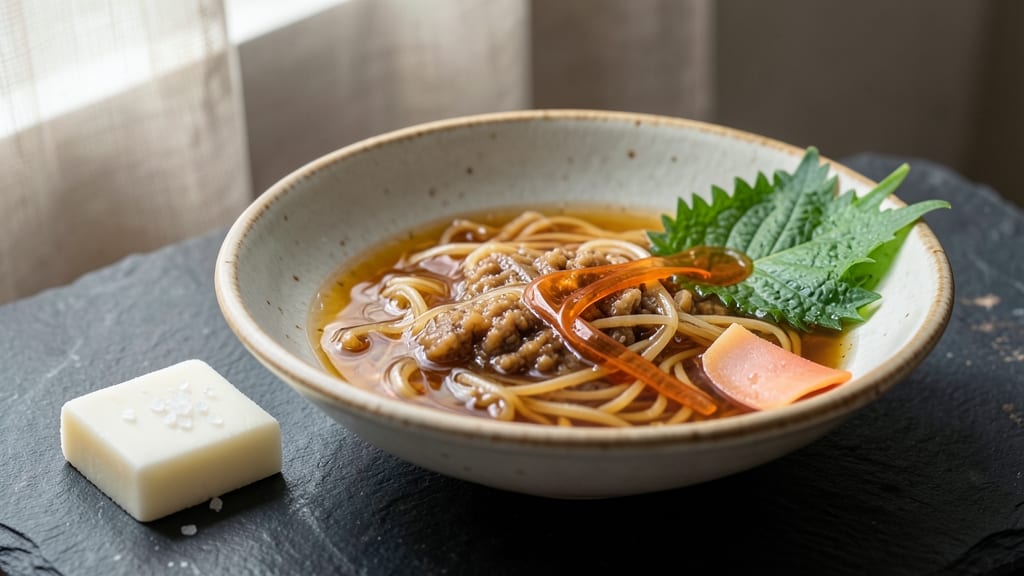
This amakuchi sauce recipe unlocks the deep, umami-rich flavors of Japan’s beloved fermented soybean paste—perfect for dipping, stir-fries, or okonomiyaki toppings. The process transforms simple ingredients into a complex, savory sauce with layers of depth that elevate any dish.
What makes this sauce special is its fermentation, which develops over time, creating a balance of saltiness, sweetness, and funky richness that’s impossible to replicate with store-bought substitutes.
At its core, amakuchi relies on fermented soybeans, salt, and water, but the magic happens during the aging process. Unlike quick sauces, this one requires patience—typically 3 to 6 months—to reach its full potential. The result?
A thick, glossy paste with a texture that clings to noodles, meats, or vegetables, adding a restaurant-quality depth to every bite. Whether you’re a home cook or a fermentation enthusiast, this recipe delivers professional results with minimal effort once you’ve mastered the technique.
The sauce’s versatility is its greatest strength—use it as a dipping sauce for tempura, a marinade for grilled meats, or a glaze for stir-fried vegetables. Its bold umami flavor cuts through richness, making it a game-changer for dishes that need an extra layer of complexity.
The best part? Once you’ve made it, you’ll never go back to bottled versions. Below, I’ll walk you through the exact steps, from fermentation to storage, so you can recreate this Japanese staple at home.
For those short on time, I’ll also share a shortcut method that captures the essence of amakuchi in just a few weeks, though purists will insist the long fermentation is worth the wait.
Storage is simple—keep it refrigerated in an airtight container for up to a year, where it continues to develop and deepen in flavor. Ready to transform your kitchen with this fermented soybean magic? Let’s get started.
Ingredients for amakuchi sauce
Four core ingredients transform into restaurant-quality umami magic through fermentation.
| Ingredient | Amount | Notes |
|---|---|---|
| Fermented Soybeans (Natto) 🌱 | 1 ½ cups | Fresh or frozen, high umami content |
| Kosher Salt 🧂 | ¾ cup | Diamond Crystal preferred for purity |
| Distilled Water 💧 | 1 ½ cups | Filtered or spring water preferred |
| White Miso Paste 🍶 | ¼ cup | High-quality, aged miso for depth |
| Sake (Rice Wine) 🍶 | ¼ cup | Dry sake for balance, not sweet |
| Mirin 🍯 | ¼ cup | High-quality mirin for sweetness |
| Soy Sauce (Shoyu) 🥢 | ¼ cup | Japanese shoyu for authentic flavor |
| Sugar 🍚 | 2 tbsp | White granulated sugar for balance |
Fermented soybeans are the heart of this sauce—look for high-quality natto at Japanese markets or specialty stores like Mitsua or H-Mart. The fresher, the better, but frozen works too (just thaw first). If you can't find natto, fermented black beans are a decent substitute, though the flavor will differ slightly. The miso paste should be aged at least 1 year for optimal depth—Mame or Awase miso from brands like Komegawa or Marukome are excellent choices. For sake and mirin, Dassai or Hakutsuru brands deliver consistent quality, and both are widely available at Asian grocery stores.
No Japanese ingredients? Substitute with white miso plus a splash of apple cider vinegar for acidity, though it won’t replicate the exact profile. Short on sugar? Honey or maple syrup at the same amount works, but the texture may vary slightly. The soy sauce is non-negotiable—Kikkoman or Yamasa shoyu is ideal, but any Japanese-style soy sauce will do. If you’re short on time, reduce the fermentation time to 4-6 weeks by adding an extra 1 tbsp of salt, but purists will insist the 3-6 month wait is worth it for that funky, complex depth.
This sauce only gets better with time—refrigerate in an airtight container for up to 1 year, where it continues to develop. For quick access, portion into small jars and store the extras in the freezer for up to 6 months. The texture will thicken as it ages, so add a splash of water if it becomes too stiff. Once opened, always keep it submerged in liquid to prevent mold. Trust me, the first time you taste this after 6 months of aging, you’ll never buy store-bought again.
Why You'll Love This Recipe
- Five-Ingredient Magic: I swear, this sauce comes together with just natto, miso, sake, and salt—no fancy prep, no stress. The natto’s funky depth and miso’s umami do all the heavy lifting while I stir for two minutes.
- Umami Bomb: That first taste? Rich, tangy, and just a little funky—like a cross between miso soup and a bold marinade. The sake softens the natto’s bite, leaving you with a sauce that’s addictive in the best way.
- Weeknight Workhorse: Slather it on rice bowls, drizzle over noodles, or toss with grilled fish—it’s my go-to for lazy nights. Honestly, I’ve even used it as a quick glaze for roasted veggies when I’m too tired to plan.
- Leftovers That Shine: This sauce keeps for weeks in the fridge and only gets better with age. Between us, I’ve had it last longer than my willpower to resist using it up—so I freeze half to stretch it further. Budget win.
Step-by-step instructions for amakuchi sauce
Here's how to craft this bold, fermented soybean sauce with perfect balance every time.
Prepare the Fermented Soybeans
In a medium saucepan, combine the 1.5 cups Fermented Soybeans (Natto) with the 1.5 cups Distilled Water. Bring to a gentle boil over medium heat while stirring occasionally to prevent sticking. The natto will release its characteristic sticky, umami-rich essence as it heats.
Once boiling, immediately reduce heat to low and let it simmer for 10 minutes. You'll notice the mixture thicken slightly and develop a rich, earthy aroma. This step extracts the full flavor profile while preserving the sauce's signature tangy depth. If you're using frozen natto, ensure it's completely thawed before starting—ice crystals can dilute the sauce's intensity.
Blend and Strain the Mixture
Transfer the heated natto mixture to a high-powered blender or food processor. Blend until completely smooth, scraping down the sides as needed. The result should be a thick, creamy paste with no visible chunks. This blending process is crucial—it ensures an even texture in your final sauce.
Strain the blended mixture through a fine-mesh sieve or cheesecloth into a clean bowl, pressing gently to extract all the liquid. Discard the remaining solids. The strained liquid should yield about 1 cup of vibrant, golden natto broth. This step removes any fibrous texture while concentrating the sauce's umami punch. If you prefer a smoother sauce, you can strain it twice for extra refinement.
Combine with Seasonings
In the same saucepan you used earlier, combine the strained natto liquid with the 0.25 cup White Miso Paste, 0.25 cup Sake (Rice Wine), 0.25 cup Mirin, 0.25 cup Soy Sauce (Shoyu), and 2 tbsp Sugar. Stir over low heat for 5-7 minutes until the mixture reaches a gentle simmer and thickens slightly.
Taste as you go—this is where you'll adjust the balance. The mirin adds sweetness, the sake brings depth, and the miso contributes its fermented richness. If the sauce tastes too sharp, add a pinch more sugar. If it needs more complexity, a splash of sake helps. The goal is a harmonious blend where no single flavor dominates. This sauce should coat the back of your tongue with umami while leaving a clean, slightly sweet finish.
Simmer to Perfection
Continue simmering the mixture for an additional 10-12 minutes until it reduces by about 25% and reaches a syrupy consistency. You're looking for a sauce that's thick enough to cling to noodles or vegetables but still flows smoothly when drizzled. Stir occasionally to prevent sticking—this sauce is delicate at this stage.
The sauce is ready when it passes the plate test: spoon a small amount onto a chilled plate and let it sit for 30 seconds. It should hold its shape slightly but still glisten. If it spreads too quickly, simmer for another 2-3 minutes. For extra shine, you can finish with 1 teaspoon toasted sesame oil—just stir it in gently at the very end to preserve its aroma.
Cool and Store Properly
Remove the sauce from heat and let it cool to room temperature. Transfer it to a clean, airtight container and refrigerate. The flavor will deepen and mellow over 24 hours, developing layers of complexity. This sauce keeps well in the fridge for up to 2 weeks, though I recommend using it within 10 days for peak freshness.
When ready to use, give the sauce a good stir—it may thicken further during storage. For serving, gently reheat over low heat (never boil) until warmed through. This sauce transforms simple dishes—drizzle over steamed rice, toss with stir-fried vegetables, or use as a dipping sauce for grilled meats. The key is to serve it at room temperature, where its true umami character shines.
Pro Tips For Making Amakuchi Sauce
- Blend in Stages: Don’t dump everything into the blender at once—start with the natto and sake first, then add miso and water. I learned this the hard way after ending up with a grainy, unbalanced mess that tasted more like fermented sludge than sauce. The sake helps emulsify the natto’s slippery texture before the miso gets mixed in.
- Salt the Water: Dissolve the kosher salt in the distilled water first—don’t just toss it in later. The salt needs to fully integrate before blending, or you’ll end up with clumps that make the sauce taste unevenly salty. Think of it like seasoning a broth: patience here makes all the difference.
- Strain or Don’t: If you hate stringy natto bits in your sauce, strain it through a fine-mesh sieve after blending. If you’re okay with texture, skip it—some people actually prefer the slight chew. I used to strain everything, but now I only do it when serving to kids or picky eaters.
- Chill Before Using: Let the sauce sit at room temp for 10 minutes after blending, then refrigerate for at least 30 minutes before using. The flavors meld better when cool, and it prevents the sauce from thinning out too much when drizzled over hot dishes. Trust me, your rice or noodles will thank you.
Regional styles of this amakuchi sauce
Japanese Okonomiyaki Style
In Japan, amakuchi sauce takes center stage as a topping for okonomiyaki—savory pancakes that combine cabbage, meat, and batter. The sauce is drizzled generously over the cooked pancakes, mixed with bonito flakes and green onions for texture.
I love using this version with thinly sliced pork belly and a sprinkle of shredded mozzarella for a modern fusion twist. The sauce’s fermented depth cuts through the richness beautifully. 🍳
Korean Kimchi Fusion
For a bold Korean-inspired twist, blend 2 tbsp of gochujang into your finished amakuchi sauce and simmer for an extra 5 minutes. This fusion sauce pairs perfectly with grilled bulgogi beef or kimchi pancakes.
The heat from the gochujang enhances the sauce’s umami while adding a spicy kick. I recommend serving it with steamed rice and a side of quick-pickled cucumbers to balance the flavors. 🌶️
Thai-Inspired Stir-Fry
Add 1 tbsp of fish sauce and 1 tsp of palm sugar to the sauce, then reduce by 15% for a Thai-inspired glaze. This version works wonders with stir-fried tofu, bell peppers, and Thai basil.
The sauce’s fermented richness complements the dish’s sweet-spicy profile. For extra depth, finish with a drizzle of chili oil and crushed peanuts. This fusion is a crowd-pleaser at dinner parties! 🍜
Modern Dipping Sauce
Thin the sauce with 2 tbsp of warm water and a splash of lime juice for a vibrant dipping sauce. Serve it with crispy tempura, edamame, or fresh spring rolls. The tangy brightness contrasts perfectly with the sauce’s deep umami.
I like adding a pinch of white pepper for a subtle kick. This version is perfect for appetizers or as a palate cleanser between courses. 🥢
Fermented Soybean Shortcut
For those short on time, replace the 3-6 month fermentation with a 2-week cold fermentation in the fridge. Use 2 tbsp of miso paste instead of the full 0.25 cup and add 1 extra tbsp of salt to speed up the process.
While not as complex, it still delivers a delicious umami punch. This method is ideal for beginners eager to experience the sauce’s magic without the wait. ⏳
Nutrition facts
Frequently asked questions
What’s the difference between amakuchi sauce and miso paste?
Amakuchi sauce is a fermented soybean-based condiment with a thicker, more concentrated texture—similar to miso but with added sake, mirin, and soy sauce for complexity. While miso is used as a seasoning base, amakuchi is designed specifically for dipping, glazing, or finishing dishes with its bold umami depth. Think of it as a cross between miso and a dipping sauce.
Can I make amakuchi sauce without fermented soybeans (natto)?
Yes, but the flavor will differ significantly. For a substitute, use 2 cups of fermented black beans or 1.5 cups of aged miso paste (blended with water) to mimic the umami base. The sauce will taste less funky and more balanced, but it’ll still work for quick applications like stir-fries or dipping. For best results, ferment the substitute for at least 2 weeks in the fridge.
How do I know when my amakuchi sauce is fully fermented?
Fully fermented amakuchi develops a deep, complex aroma—think funky, slightly sweet, and intensely savory. The color will darken to a rich amber, and the texture thickens into a glossy paste. For a quick test, taste a small amount after 3 months: if it’s tangy with layers of saltiness and sweetness, it’s ready. If it’s still too sharp, let it ferment another 2-3 months.
What’s the best way to use leftover amakuchi sauce?
Leftover amakuchi sauce keeps for up to 1 year in the fridge, but it gets better with time! Use it as a marinade for grilled meats, a glaze for roasted vegetables, or a drizzle over ramen or udon. For extra versatility, thin it with water to create a quick dipping sauce for spring rolls or tempura. The longer it sits, the more complex its flavor becomes!
Why did my amakuchi sauce turn moldy?
Mold can appear if the sauce wasn’t stored properly—always keep it submerged in liquid (like sake or water) in an airtight container. If mold forms, discard the batch immediately (mold in fermented foods can produce harmful toxins). To prevent this, use sterilized jars and ensure the sauce is fully cooled before sealing. For extra safety, add a 1-inch layer of sake or water above the sauce in the jar.