
Sauces & Condiments
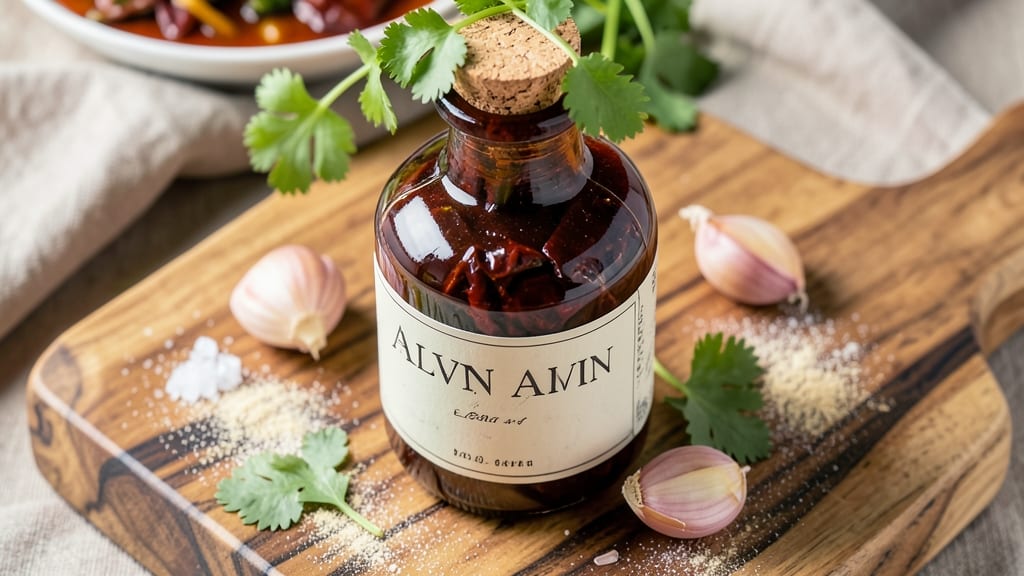
This Alvin's hot sauce recipe delivers smoky chipotle heat with a bright cilantro finish that transforms any dish into a flavor explosion. 🔥 The secret lies in balancing roasted peppers, aged vinegar, and a touch of sweetness—creating a sauce that's complex yet approachable for home cooks.
Unlike store-bought versions, this recipe lets you control the heat level exactly to your taste.
What sets this hot sauce apart is the two-stage cooking process: first simmering the peppers and spices to develop deep smoky notes, then blending with vinegar for tangy brightness. Fresh cilantro adds a zingy freshness that cuts through the heat, while garlic and onion powder build layers of flavor.
The result? A versatile sauce that works on tacos, wings, or even drizzled over eggs.
By the time you're done, you'll have a bold, restaurant-quality hot sauce that's smoother than commercial brands but packed with authentic flavor. The aging process (at least 2 weeks) allows the spices to mellow and meld, creating a balanced heat that's addictive rather than overwhelming.
Store it properly, and this sauce will keep for months.
Perfect for gifting or stocking your pantry, this recipe scales easily—double the batch if you plan to share. The key is patience: letting the flavors develop over time transforms simple ingredients into something extraordinary. Let's get started on your homemade hot sauce journey.
Ingredients for alvin's hot sauce
Nine ingredients transform into a bold, restaurant-quality hot sauce with smoky depth and bright cilantro zing.
| Ingredient | Amount | Notes |
|---|---|---|
| Dried Chipotle Peppers in Adobo Sauce 🌶️ | 4 whole | Stems and seeds removed |
| White Vinegar 💧 | 2 cups | Distilled or apple cider |
| Fresh Cilantro Leaves 🌿 | 1 cup | Stems removed, tightly packed |
| Garlic Cloves 🧄 | 6 cloves | Peeled, lightly crushed |
| Granulated Sugar 🍯 | ¼ cup | Light brown sugar preferred |
| Onion Powder 🧅 | 1 tsp | Freshly ground preferred |
| Ground Cumin 🌿 | 1 tsp | Toasted for deeper flavor |
| Salt 🧂 | 1 ½ tsp | Diamond Crystal preferred |
| Black Peppercorns 🌶️ | ½ tsp | Freshly cracked preferred |
| Cayenne Pepper 🔥 | ½ tsp | Adjust for heat preference |
The chipotle peppers are the heart of this sauce—adobo-packed from Mexican markets delivers the deepest smoky flavor. Trader Joe's or H-Mart carry excellent options, but any brand will work as long as the peppers are plump and not shriveled. Toasting them lightly in a dry pan before blending (optional but recommended) intensifies their smokiness. For vinegar, distilled white vinegar is the standard, but apple cider vinegar adds subtle sweetness. The cilantro? Fresh is non-negotiable—dried just won't cut it here.
No chipotle peppers? Smoked paprika at double the amount mimics the smokiness, though it lacks the heat. Running short on vinegar? Lemon juice works in a pinch, but the flavor will be brighter and less stable. The sugar can be swapped for honey or agave, though granulated dissolves more smoothly. For heat adjustments, reduce cayenne by half for mild heat or double it for fire. The garlic can be roasted (wrap in foil at 400°F for 20 minutes) for a sweeter, deeper flavor—worth the extra minute if you're ambitious.
This sauce improves with age—2 weeks minimum for flavors to meld, up to 6 months in the fridge. Store in a sterilized glass jar with an airtight seal, submerged in vinegar to preserve freshness. For gifting, double the batch and use amber glass bottles to protect from light. The sauce thickens as it ages, so thin with vinegar if needed. Always taste before bottling—adjust salt or sweetness as desired.
Why You'll Love This Recipe
- No-Fuss Blend: I swear by this recipe because it’s basically hands-off after the initial chop. Toss the adobo peppers, garlic, and cilantro into a blender with vinegar—no peeling, no dicing, no mess. Honestly, I’ve made it while scrolling through my phone, and it still turns out rich and smoky.
- Smoky-Sweet Magic: That sugar isn’t just for sweetness—it balances the chipotle’s heat into something ridiculously good. The adobo sauce gives it depth, while the cilantro brightens it up like a little herb hug. I’ll be real: my first batch was too spicy, but adding more sugar fixed it instantly.
- Pantry Staple Power: Between us, this sauce is my secret weapon for lazy nights. Drizzle it on tacos, mix it into mayo for sandwiches, or even stir it into soups when I’m out of ideas. It’s the kind of thing that makes grocery shopping feel productive because I’m always using it up.
- Makes a Month’s Worth: One batch lasts me weeks—seriously. Store it in the fridge, and it keeps its kick without turning sad. I even freeze extras in ice cube trays for easy single-use portions. Budget-friendly? Absolutely. Worth the shelf space? Without a doubt.
Step-by-step instructions for Alvin's smoky chipotle hot sauce
Here's how to blend smoky heat with bright cilantro for a sauce that's bold yet balanced.
🍳 Step 1: Toast the Spices for Depth of Flavor
In a dry skillet over medium-low heat, toast the 6 cloves garlic cloves and 1 tsp ground cumin for 2-3 minutes until fragrant and lightly golden. Watch carefully—they'll darken quickly. Remove from heat immediately and transfer to a blender jar. This toasting step unlocks deeper, more complex flavors that raw spices can't provide.
While the spices toast, place the 4 whole dried chipotle peppers in adobo sauce in a small bowl. I like to give them a quick rinse under cold water to remove any excess adobo sauce clinging to their surfaces—this prevents a overly salty sauce. Pat them completely dry with paper towels before adding to the blender. The peppers should be clean but still slightly damp to help them blend smoothly.
🍳 Step 2: Blend the Base Ingredients
Add the toasted spices and chipotle peppers to your blender jar along with the 1 cup fresh cilantro leaves, 0.25 cup granulated sugar, 1 tsp onion powder, 1.5 tsp salt, 0.5 tsp black peppercorns, and 0.5 tsp cayenne pepper. I use a high-quality blender here—you want to pulverize those peppercorns and garlic into a fine powder that will dissolve completely in the vinegar. Pulse until everything is finely ground, scraping down the sides as needed.
Here's the thing—don't skip the scraping step. I've seen people rush this and end up with uneven texture in their sauce. You want a completely smooth blend before adding the vinegar, so every drop of liquid incorporates all those flavor particles evenly. The sugar might seem odd in a hot sauce, but it balances the acidity and caramelizes slightly during storage, adding subtle complexity.
🥘 Step 3: Simmer the Sauce to Develop Flavor
Pour the 2 cups white vinegar into the blender with the dry ingredients. Secure the lid tightly—this mixture will foam up as it blends. Pulse until completely smooth, then transfer to a clean saucepan. Bring to a gentle simmer over medium heat and cook for 15-20 minutes, stirring occasionally. You're looking for the sauce to reduce slightly and the flavors to meld together.
I like to taste the sauce at the 10-minute mark—this is when the heat starts to really develop. If it's too acidic, you can add a pinch more sugar. If it needs more depth, let it simmer another 5 minutes. The sauce should coat the back of a spoon with a velvety texture, not be watery. Remember, it will thicken more as it cools, so don't over-reduce it.
⏰ Step 4: Strain and Bottle for Maximum Shelf Life
Remove the sauce from heat and let it cool for 10 minutes. While it cools, line a fine-mesh strainer with a clean cheesecloth or coffee filter. Pour the sauce through the strainer into a clean bowl, pressing gently on the solids to extract all the liquid. This step ensures your sauce is completely smooth with no fibrous bits—trust me, you'll appreciate this when you're drizzling it over tacos or wings.
Once strained, transfer the sauce to clean glass bottles or jars. I prefer wide-mouth jars because they're easier to pour from when the sauce thickens over time. Seal tightly and let the sauce sit at room temperature for 24 hours before refrigerating. This resting period allows all the flavors to fully integrate and the heat to develop properly. The sauce will continue to improve in flavor for up to 2 weeks in the refrigerator.
Pro Tips For Making Alvin'S Hot Sauce
- STRAIN THE ADOBO FIRST: The canned adobo sauce is thick with oil and spices you don’t need—it just gums up your hot sauce. Pour the peppers into a fine-mesh strainer, press them with the back of a spoon, then discard the sludge. Rinse the peppers briefly under cold water to remove any lingering oil residue. Trust me, your sauce will be brighter and smoother.
- MINCE GARLIC FINE (NO LUMPS): I used to chop garlic roughly for hot sauce, thinking it’d blend later. Wrong. The chunks linger, turning your sauce into a textured disaster. Pulse garlic in a food processor until it’s almost paste-like—just before it turns to butter. If you’re doing it by hand, chop it so fine you could strain it through a tea ball. The smoother, the better.
- SIMMER LOW AND LONG: Alvin’s recipe isn’t a race. After blending, simmer the sauce on low heat for at least 20 minutes—30 if you can. Skipping this step leaves the vinegar sharp and the flavors underdeveloped. Stir occasionally, and resist the urge to crank the heat. Patience here makes the difference between a drinkable sauce and one that pops.
- STORE CILANTRO LAST: Cilantro wilts fast in vinegar, turning your sauce bitter. Add the fresh leaves after simmering, right when you’re ready to bottle. If you must prep ahead, store the chopped cilantro in a sealed container with a paper towel to absorb moisture, and mix it in just before serving. Freshness matters more than you’d think.
Regional styles of alvin's hot sauce
Texas BBQ Twist
In Texas, hot sauce takes on a deeper, smokier profile inspired by the state's legendary BBQ culture. Swap the chipotle peppers for 2 tablespoons smoked paprika and add 1 teaspoon chipotle powder to the blend.
Use apple cider vinegar instead of white vinegar for a subtle sweetness that pairs perfectly with brisket or pulled pork. I like to add 1 teaspoon of brown sugar extra to enhance the caramelized notes that Texans love in their sauces. 🔥
Carolina Cayenne Kick
Carolina-style hot sauce leans into bold heat with a touch of sweetness, perfect for shrimp or chicken dishes. Replace the chipotle peppers with 2 tablespoons of cayenne pepper and add 1 tablespoon of honey to the vinegar mixture.
Use 1 teaspoon of mustard powder for a tangy depth that’s signature to the region. The sauce should be thicker—simmer it for an extra 5 minutes to achieve that signature Carolina consistency. This version is so versatile, it’s a staple at any Lowcountry cookout. 🌶️
Mexican Mole-Inspired
For a fusion that nods to Mexican cuisine, incorporate 1 teaspoon of ground coriander and ½ teaspoon of cinnamon into the spice blend. Use 1 tablespoon of adobo sauce from the chipotle can as part of the vinegar mixture to deepen the smoky flavor.
Add 1 tablespoon of chopped dried oregano to the cilantro for an earthy note that’s quintessential in Mexican hot sauces. This version is perfect for drizzling over tacos or enchiladas. ✨
Cajun Creole Heat
Cajun and Creole flavors bring a unique spice blend to hot sauce, perfect for gumbo or jambalaya. Replace the onion powder with 1 teaspoon of garlic powder and add ½ teaspoon each of thyme and bay leaves to the simmering sauce.
Use 1 tablespoon of Worcestershire sauce in place of some vinegar for an umami depth. The result is a rich, complex sauce that’s as much about flavor layers as it is about heat. This version is a game-changer for seafood dishes. 💫
Smoky Mountain Style
Inspired by Appalachian mountain flavors, this version swaps chipotle peppers for 1 tablespoon of black pepper and adds 1 teaspoon of ground mustard to the blend. Use 1 tablespoon of apple cider vinegar mixed with 1 tablespoon of bourbon for a smoky-sweet depth.
The addition of ½ teaspoon of ground cloves gives it a warm, aromatic kick that’s reminiscent of traditional mountain hot sauces. This sauce is perfect for drizzling over fried chicken or cornbread. 🌿
Nutrition facts
Frequently asked questions
Can I adjust the heat level in this hot sauce?
The recipe includes 0.5 tsp cayenne pepper for moderate heat, but you can easily customize it. For milder heat, reduce to ¼ tsp cayenne or omit it entirely. For extra spice, increase to 1 tsp or add 1-2 fresh habanero peppers (seeds removed) to the blend. Always taste before bottling!
How long does this hot sauce keep fresh?
Properly stored in a sterilized glass jar, this sauce stays fresh for 6-12 months in the pantry or up to 2 years in the refrigerator. The vinegar acts as a natural preservative, but always check for mold or off smells. For gifting, use amber glass bottles to protect from light and extend shelf life.
Why does my hot sauce look cloudy or have sediment?
Cloudiness is normal—it indicates natural oils from the peppers and spices. For a clearer sauce, strain through a coffee filter instead of cheesecloth. Sediment means some spices settled; simply shake before use. The flavor won't be affected, but if you prefer smooth texture, strain again after 2 weeks of aging.
Can I make this hot sauce without fresh cilantro?
Fresh cilantro is ideal for that bright zing, but you can substitute with 1 tbsp dried cilantro or 1 tsp cilantro powder. For extra freshness, add 1 tsp lime juice to the vinegar mixture. The flavor won't be identical, but it'll still add herbal depth. If you omit it entirely, the sauce will taste more like a traditional smoky chipotle blend.
What's the best way to use up extra hot sauce?
This versatile sauce works on tacos, wings, eggs, or even pizza! For creative uses, try mixing it with mayo for spicy dips, drizzling over grilled meats, or using it as a marinade (1:3 sauce-to-oil ratio). Freeze extras in ice cube trays for easy portioning—perfect for adding heat to soups or stews later.