
Sauces & Condiments
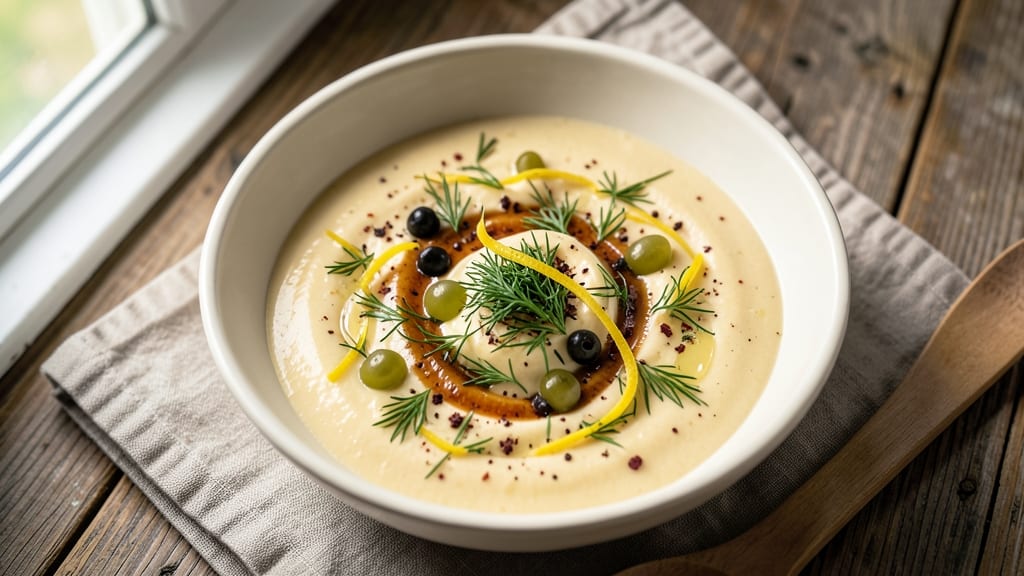
Alton Brown's tartar sauce recipe delivers the perfect balance of creamy richness and bright, briny crunch that elevates everything from fish and chips to loaded fries. This isn’t your basic mayo-and-pickle mix—it’s a carefully emulsified sauce where capers and finely chopped cornichons add complexity, while fresh dill and lemon zest brighten the yolk-based foundation. The secret lies in proper emulsification, ensuring that sauce stays silky-smooth without breaking, even after chilling.
What sets this sauce apart is the texture contrast: the velvety mayo base meets the sharp, tangy crunch of pickles and capers, creating a bite that keeps your taste buds engaged.
Alton’s method involves folding in ingredients gently to maintain that luxurious creaminess while preserving the distinct flavors of each component. The result is a sauce that’s bold enough to stand up to crispy fried foods but delicate enough to complement delicate seafood.
This tartar sauce is designed to be made ahead—it actually tastes better after resting for a few hours, as the flavors meld and the texture becomes even more refined. Store it in an airtight container in the refrigerator for up to five days, or freeze for longer storage.
The key to success is patience: don’t rush the emulsification, and let the flavors develop before serving.
For variations, consider swapping cornichons for bread-and-butter pickles or adding a touch of smoked paprika for depth. The sauce works equally well as a dip, a topping for burgers, or a finishing touch for deviled eggs. Let’s get started on creating this restaurant-quality condiment at home.
Ingredients for alton brown tartar sauce
Nine essential ingredients transform into Alton Brown's signature tartar sauce—creamy, briny, and perfectly balanced.
| Ingredient | Amount | Notes |
|---|---|---|
| Mayonnaise 🥫 | ¾ cup | High-quality, room temperature |
| Fresh Dill Weeds 🌿 | ⅓ cup | Finely chopped, stems removed |
| Cornichons 🥒 | ¼ cup | Finely chopped, drained |
| Capers 🍃 | 2 tbsp | Rinsed, finely chopped |
| Lemon Zest 🍋 | 1 tbsp | Fresh, finely grated |
| Lemon Juice 🍋 | 1 tbsp | Freshly squeezed |
| Egg Yolks 🥚 | 2 whole | Fresh, room temperature |
| Dijon Mustard 🌶️ | 1 tsp | Mild variety preferred |
| Salt 🧂 | ½ tsp | Diamond Crystal kosher |
| Black Pepper 🌶️ | ¼ tsp | Freshly ground |
The mayo is non-negotiable here—Hellmann's or Best Foods are the gold standards, but any high-quality brand works. Fresh dill is a must; dried just won't cut it. Trader Joe's and Whole Foods carry excellent cornichons, but any small French-style pickles will do. Capers should be rinsed well to remove excess brine, which can make the sauce too salty. For lemon zest, use a fine grater and avoid the bitter white pith. Egg yolks should be at room temperature to emulsify smoothly—30 minutes out of the fridge is ideal. If you're short on time, microwave them for 20 seconds.
No Dijon mustard? Yellow mustard at half the amount works in a pinch, though it lacks the depth. Substitute cornichons for bread-and-butter pickles if you prefer a sweeter tang, but reduce by half to avoid overwhelming the sauce. For extra richness, add 1 tbsp sour cream at the end. If the sauce breaks during emulsification, simply whisk in another 1 tbsp mayo to restore creaminess. For a smoky twist, add ½ tsp smoked paprika at the end—just fold it in gently to preserve texture. Always taste as you go; adjustments are key to perfect balance.
This sauce improves with time—4 hours in the fridge lets flavors meld beautifully. Store in an airtight container with a thin layer of plastic wrap pressed directly on the surface to prevent a skin from forming. Keeps for 5 days in the fridge or 3 months frozen. For freezing, portion into ice cube trays first—perfect for single servings. If the sauce thickens after refrigeration, whisk in 1-2 tsp water or milk to restore original consistency.
Why You'll Love This Recipe
- Five-Ingredient Magic: I swear by this recipe because it’s the kind of sauce that feels fancy but takes zero effort. Just mix mayo, finely chopped cornichons, capers, a handful of fresh dill, and a whisper of lemon zest—no cooking, no fuss, just bright, tangy perfection.
- Bright & Tangy: That zesty lemon and briny capers cut through the richness of the mayo like a breath of fresh air. Honestly, it’s the kind of flavor that makes you want to dip everything—fish, chips, even a grilled cheese—just to taste it again.
- Game for Any Meal: Between us, I keep this in the fridge for everything from weeknight dinners to last-minute potlucks. It’s the secret weapon for fish tacos, burger toppings, or even a quick sandwich upgrade. No one will guess it’s just five ingredients.
- Makes Extra, Keeps Forever: I always double the batch because it lasts forever—no spoilage, no waste. That means I’m never scrambling for a sauce again, and my wallet stays happy since I’m not buying overpriced store versions. Win-win.
Step-by-step instructions for Alton Brown's tartar sauce
This method delivers a perfectly balanced tartar sauce with a velvety yolk base and bright, herby crunch.
Whisk Together the Creamy Base
In a medium bowl, combine the 0.75 cup mayonnaise with the 2 whole egg yolks using a whisk or rubber spatula. The mixture should be smooth and homogeneous, with no visible streaks of yolk. This step creates the creamy foundation that prevents the sauce from becoming grainy later.
Next, add the 1 tablespoon lemon juice and 1 tablespoon lemon zest to the bowl. The lemon juice brightens the flavors while the zest adds a subtle citrus aroma. Whisk vigorously for 30 seconds until fully incorporated. You'll notice the mixture lightens slightly in color and develops a fresh, tangy scent.
Incorporate the Mustard and Seasonings
Add the 1 teaspoon Dijon mustard, 0.5 teaspoon salt, and 0.25 teaspoon black pepper to the bowl. The Dijon mustard adds depth and helps emulsify the sauce, while the salt and pepper balance the flavors. Whisk continuously for 1 minute until the mustard is completely dissolved and the seasonings are evenly distributed throughout the mixture.
At this point, the sauce should be smooth and cohesive. If you notice any lumps, continue whisking for an additional 15 seconds. The texture should be thick but still pourable—similar to heavy cream. This consistency ensures the pickled elements will blend seamlessly without making the sauce watery.
Fold in the Fresh Dill and Pickled Ingredients
Gently fold in the 0.33 cup finely chopped fresh dill weeds using a rubber spatula, being careful not to overmix. The dill should be evenly distributed throughout the sauce, adding a bright, herbal note. Next, add the 0.25 cup chopped cornichons and 2 tablespoons chopped capers, folding them in gently to maintain their texture and prevent crushing.
You'll want to work quickly here—the cornichons and capers should remain distinct pieces that add crunch to the creamy base. Taste the sauce at this stage and adjust the seasoning if needed. The sauce should have a balanced tanginess from the lemon and pickled ingredients, with a subtle mustard warmth underlying the flavors.
Chill and Rest for Optimal Texture
Transfer the tartar sauce to an airtight container and refrigerate for at least 1 hour before serving. This chilling time allows the flavors to meld together and the texture to set properly. The sauce should thicken slightly and develop a glossy sheen, indicating it's ready to serve.
When you're ready to use it, give the sauce a gentle stir to redistribute any settled ingredients. The final product should have a creamy, velvety consistency with bright, herby notes from the dill and a satisfying crunch from the cornichons and capers. Serve immediately with fish, chicken, or as a dip for crispy vegetables.
Pro Tips For Making Alton Brown Tartar Sauce
- CHOP CORNICHONS SMALL: I learned this the hard way—big chunks of cornichon scream "amateur." Pulse them in a food processor for 2-3 seconds or finely dice by hand. You want them to disappear into the sauce, not sit like little pickled rocks.
- ZEST, DON’T JUICE: Lemon zest adds brightness; juice adds water. Use a microplane and scrape only the outermost yellow layer—about 1 teaspoon. Skip the juice unless the sauce tastes flat, and even then, add it sparingly.
- FOLD IN DILL GENTLY: Dill weeps when you mix it roughly. After combining mayo and other ingredients, stir in the dill with a rubber spatula in a figure-eight motion. This keeps the herbs bright and evenly distributed—no clumps, no sad brown bits sinking to the bottom.
- LET IT REST 10 MINUTES: Taste it fresh off the bowl, and it’ll seem bland. Walk away for 10 minutes—let the flavors marry. The capers and cornichons mellow, and the lemon zest’s oils soften. Patience here turns a good sauce into a great one.
Regional styles of these flavors
Classic American Diner
This is the tartar sauce you’d find at classic American diners like Howard Johnson’s or Wendy’s, where it’s a must-have with fish and chips. The key here is balancing the Hellmann’s mayo with just enough lemon to keep it bright but not overpowering.
I’ve seen diners serve this with everything from golden-fried cod to crispy onion rings—it’s that versatile. The dill and capers give it that signature tangy crunch that cuts through greasy fries perfectly. 🍟
New England Clam Shack
Up north, tartar sauce takes on a more robust character, often featuring fresh chives instead of dill and a touch of white wine vinegar> for extra acidity. At clam shacks in Maine or Massachusetts, you’ll find this sauce paired with steamed clams or fried haddock.
For a regional twist, swap the cornichons for tiny pickled okra> (a Southern favorite) or add 1 tsp Old Bay seasoning> for a Chesapeake Bay-inspired flavor. The sauce should be slightly thicker to handle the moisture from seafood.
French Bistro Adaptation
French bistros often serve a lighter, more herb-forward tartar sauce, sometimes called sauce tartare>. The base remains mayo and egg yolk, but the French version leans into tarragon and chervil> instead of dill, with finely chopped shallots> for depth.
Cornichons are a must, but they’ll use grainy mustard> (like Dijon>) for extra texture. I’ve seen this sauce drizzled over steak tartare> or served with crispy duck confit>. The French approach is all about elegance—think delicate flavors and a silky texture.
Southern BBQ Twist
In the South, tartar sauce gets a smoky, spicy kick, often incorporating hot sauce> (like Crystal>) or Cajun seasoning>. This version pairs perfectly with fried catfish> or pulled pork sliders>.
For a true Southern touch, add ½ tsp smoked paprika> and 1 tsp hot sauce> to the base before folding in the pickles. The heat balances the creaminess, making it a bold dip for anything fried.
Serve it warm for extra comfort—trust me, it’s a game-changer at tailgates. 🔥
British Fish and Chips
The British version of tartar sauce is all about simplicity and crunch. It’s often made with English mustard> (like Colman’s>) and malt vinegar> for a tangy kick. The pickles used are usually bread-and-butter pickles>, which add sweetness to contrast the richness of fried fish.
For authenticity, skip the dill and use fresh parsley> instead. This sauce is thicker and chunkier, designed to handle the oiliness of battered fish. Pair it with thick-cut chips> (fries) and a pint of bitter> for the full experience.
Modern Fusion Variations
For a contemporary twist, try swapping the mayo for Greek yogurt> to lighten it up—this works surprisingly well with grilled shrimp skewers>. Or, for a sweet-and-sour balance, add 1 tbsp honey> and 1 tsp sriracha> to the base.
I’ve also seen tartar sauce used as a burgersauce>—just add 1 tsp Worcestershire sauce> and a pinch of garlic powder>. The possibilities are endless, but always keep the emulsification technique intact to avoid a broken sauce. 💡
Nutrition facts
Frequently asked questions
Why does Alton Brown's tartar sauce use egg yolks instead of just mayo?
The egg yolks create a richer, more velvety texture that prevents the sauce from becoming grainy after chilling. They also help emulsify the ingredients better, ensuring a smooth, cohesive sauce rather than a separated one. The yolks add subtle depth that plain mayo can't match.
Can I make this tartar sauce without fresh dill?
Fresh dill is ideal, but you can substitute with 1 tablespoon dried dill if needed. However, the flavor will be less vibrant. For a similar herbal note, try 1 tablespoon chopped fresh parsley combined with ½ teaspoon dried tarragon. The texture and brightness won't be identical, but it'll work in a pinch.
How do I fix tartar sauce that's too thick or too thin?
If it's too thick, whisk in 1-2 teaspoons milk or water until smooth. For a thinner sauce, add 1 teaspoon extra mayo and whisk gently. The key is to adjust gradually while tasting. If the sauce breaks (separates), whisk in another 1 tablespoon mayo to re-emulsify.
What's the best way to store leftover tartar sauce?
Transfer to an airtight container and press plastic wrap directly on the surface to prevent a skin from forming. It keeps for 5 days in the fridge. For longer storage, freeze in ice cube trays (perfect for single servings) and transfer to a bag. Thaw overnight in the fridge before using.
Can I make this tartar sauce ahead of time?
This sauce tastes even better after resting for 4-6 hours as flavors meld. For maximum flavor development, make it a day ahead. The texture may thicken slightly after chilling, so adjust with a splash of milk or water when ready to serve.