
Sauces & Condiments
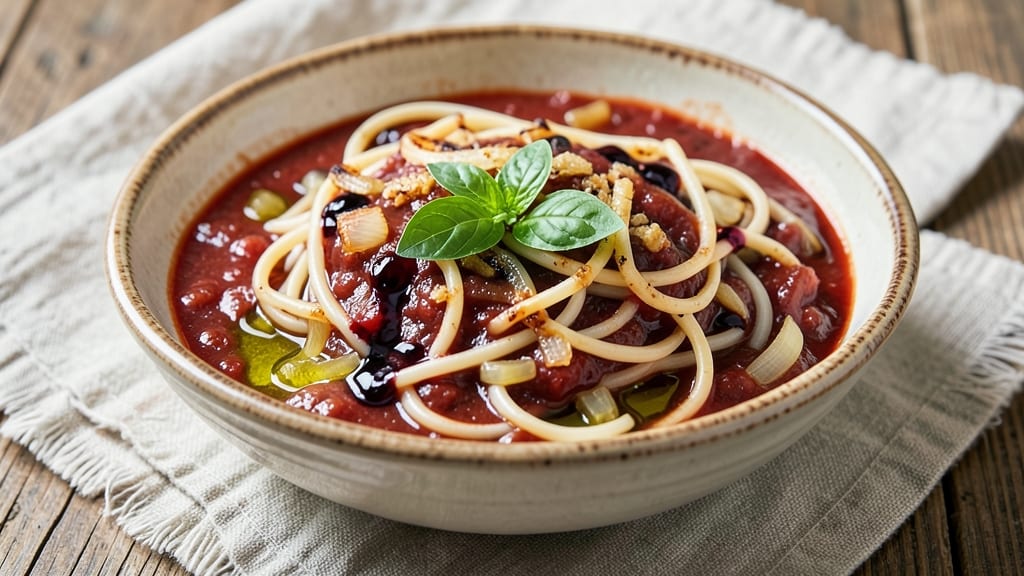
Alton Brown's spaghetti sauce transforms simple ingredients into a rich, layered masterpiece that sings with tomato depth and fresh herb brightness. The key lies in slow-simmering aromatics until they dissolve into the sauce, creating a flavor foundation that builds complexity over time.
This isn't just sauce—it's a symphony of caramelized onions, garlic, and herbs that clings to every strand of pasta.
What sets this sauce apart is the technique: deglazing the pan to capture every flavorful browned bit, then reducing the sauce for hours to develop concentrated richness. Fresh basil and oregano are added at the end to preserve their bright, vibrant notes.
The result? A sauce that's bold yet balanced, with just enough acidity from tomatoes to cut through the richness.
This sauce works as a weeknight staple or holiday centerpiece, scaling effortlessly from family dinners to potlucks. The slow simmering transforms humble ingredients into something extraordinary—no shortcuts, just layered flavor development that makes every bite memorable. Ready to elevate your pasta nights?
Perfect for pairing with al dente spaghetti, grilled meats, or even as a marinade. The versatility of this sauce means it becomes the heart of countless meals, not just a side dish. Let's create something that tastes like it simmered all day.
Ingredients for alton brown spaghetti sauce
These carefully selected ingredients create a symphony of caramelized aromatics and vibrant herbs for Alton Brown's signature spaghetti sauce.
| Ingredient | Amount | Notes |
|---|---|---|
| Extra-Virgin Olive Oil 🫒 | ½ cup | High-quality, fruity variety preferred |
| Yellow Onions 🧅 | 2 whole | Yellow or red, finely diced |
| Garlic Cloves 🧄 | 6 cloves | Peeled, thinly sliced |
| San Marzano Crushed Tomatoes 🍅 | 28 oz | High-quality canned tomatoes |
| Tomato Paste 🍅 | ½ cup | Smooth, no sugar added |
| Dry Red Wine 🍷 | ½ cup | Bold, dry variety like Chianti |
| Vegetable Broth 💧 | 2 cups | Low-sodium preferred |
| Fresh Basil Leaves 🌿 | ½ cup | Packed, stems removed |
| Fresh Oregano Leaves 🍃 | ¼ cup | Packed, finely chopped |
| Bay Leaves 🌿 | 2 whole | Dried, removed before serving |
| Diamond Crystal Kosher Salt 🧂 | 1 ½ tsp | Adjust to taste |
| Freshly Ground Black Pepper 🌶️ | ½ tsp | Freshly cracked preferred |
| Granulated Sugar 🍚 | 1 tsp | Balances acidity |
The foundation begins with San Marzano tomatoes—their natural sweetness and low acidity create the perfect base. Trader Joe's and Whole Foods carry the best quality in cans, but any reputable brand will work. For the onions, yellow or red varieties both work, but yellows caramelize more beautifully. The olive oil should be extra-virgin with fruity notes—none of that cheap, bitter stuff. Garlic cloves should be fresh and plump, not dried out. The fresh herbs are non-negotiable; dried versions simply can't replicate that bright, vibrant finish. If you can't find fresh oregano, Mexican oregano from Latin markets adds a distinct depth that's worth seeking out.
No red wine? Substitute with additional vegetable broth plus a splash of balsamic vinegar—it mimics the acidity and depth. Running short on fresh basil? Dried basil at one-third the amount will work in a pinch, though it lacks that fresh brightness. The tomato paste can be swapped for additional crushed tomatoes, though you'll lose some of that concentrated umami. For the sugar, honey or maple syrup work equally well if you prefer. The bay leaves are crucial for that subtle earthy note, but if you're out, a pinch of dried thyme provides a similar depth. Always deglaze the pan after cooking the onions and garlic—those browned bits are pure flavor gold.
This sauce develops better with time, so make it a day ahead if possible. Store in an airtight container in the refrigerator for up to 5 days, or freeze for 3 months in portions. For freezing, leave a little headspace as the sauce expands. The flavors actually deepen overnight, so don't rush it. If you're making this for a crowd, double the batch—it reheats beautifully and becomes even more concentrated. The sauce thickens as it cools, so you may need to add a splash of broth when reheating. Always taste before serving and adjust the salt accordingly—this sauce should be bold but balanced.
Why You'll Love This Recipe
- One-Pot Magic: I swear by this sauce because it’s actually one-pot—no blender, no strainer, just onions and garlic caramelizing in olive oil until they’re sweet and jammy. The San Marzano tomatoes handle all the work while I sip wine and pretend I’m a chef.
- Garlic Confidence: That moment when you crush fresh garlic into the paste? Chef’s kiss. The slow simmer lets it mellow into deep, aromatic layers—no overpowering bite, just rich, golden flavor. Honestly, I’ve tried pre-minced, but this is where it’s at.
- Leftovers That Beg: This sauce tastes better the next day—like a slow-cooked secret. I make a big batch on Sundays, freeze half, and still have enough for Tuesday’s lazy dinner. (Yes, even when I forget to reheat it properly.)
- Budget-Friendly Luxury: San Marzano tomatoes and good olive oil might sound fancy, but they stretch so far. A single jar of paste and a bag of crushed tomatoes feed my family for a week, and the taste? Feels like a splurge without the cost.
Step-by-step instructions for Alton Brown-inspired spaghetti sauce
Here's the method for crafting a rich, slow-simmered tomato sauce with layered depth and vibrant fresh herbs.
Build the Flavor Base with Aromatics
Heat the 0.5 cup extra-virgin olive oil in a heavy Dutch oven over medium-low heat. Add the 2 whole yellow onions, finely diced, and cook for 8-10 minutes until completely softened and just beginning to turn golden. You're developing the sauce's foundational flavor here, so don't rush this step.
Add the 6 cloves garlic cloves, thinly sliced, and cook for another 1-2 minutes until fragrant but not browned. Watch carefully—garlic burns quickly and becomes bitter. Remove the pot from heat at this point to prevent color change, then return it to the stove once you've added the remaining ingredients.
Develop Depth with Wine and Tomatoes
Pour in the 0.5 cup dry red wine and scrape up any browned bits from the bottom of the pot with a wooden spoon. This deglazing captures all the concentrated flavors you've built. Let the wine simmer for 3-4 minutes until nearly completely evaporated, allowing its alcohol to cook off and leave behind rich wine notes.
Stir in the 0.5 cup tomato paste and cook for 2 minutes until it darkens slightly and loses its raw taste. Then add the 28 oz San Marzano crushed tomatoes and 2 cups vegetable broth. Bring to a gentle simmer, then reduce heat to low and let it cook uncovered for 30 minutes, stirring occasionally. This initial simmer allows the tomatoes to break down and release their natural sweetness.
Season and Simmer for Complexity
Add the 2 whole bay leaves, 1.5 tsp Diamond Crystal kosher salt, 0.5 tsp freshly ground black pepper, and 1 tsp granulated sugar. The sugar isn't about sweetness—it's about balancing the acidity of the tomatoes and enhancing their natural fruitiness. Stir well to distribute the seasonings evenly throughout the sauce.
Continue simmering uncovered for 45-60 minutes, stirring occasionally. You're looking for a sauce that coats the back of a spoon and has reduced to a thick, syrupy consistency. The longer it simmers, the more complex the flavors become. If the sauce gets too thick before reaching the desired depth of flavor, add 2-4 tablespoons water to maintain proper consistency.
Finish with Fresh Herbs
Remove the 2 whole bay leaves and stir in the 0.5 cup fresh basil leaves and 0.25 cup fresh oregano leaves. These herbs should be added at the very end to preserve their bright, vibrant flavors. Simmer gently for just 5 minutes—any longer and they'll turn bitter. Taste and adjust seasoning if needed, adding more salt or pepper as required.
The sauce should be rich, velvety, and deeply flavorful with bright herbal notes. For best results, let it rest at room temperature for 15-20 minutes before serving. This allows the flavors to meld completely and the sauce to reach its ideal consistency. Serve over al dente spaghetti with freshly grated Parmesan cheese.
Pro Tips For Making Alton Brown Spaghetti Sauce
- Cook the Onions Slow: I learned this the hard way—when you add onion to olive oil, turn the heat down to medium and let it sweat for 8-10 minutes. The goal is translucent, not golden; you’ll caramelize later with the garlic. Rushing this step makes the whole sauce taste raw and sharp.
- Use a Splatter Screen: That first garlic hit? It’s a fire hazard if you’re not ready. After the onions soften, throw a splatter screen over the pan before adding the garlic. It’s the only way to avoid a greasy mess on your walls (or your ceiling fan). Trust me, your future self will clean up faster.
- Stir the Tomato Paste: This isn’t the prettiest method, but it’s the tastiest: once you add the tomato paste, grab a wooden spoon and stir it constantly for the first 2 minutes. The paste burns faster than you think, and a scorched bottom ruins the whole sauce. Think of it like a babysitting job—no distractions.
- Simmer Uncovered After Tomatoes: After adding the crushed tomatoes, resist the urge to cover the pot. Let it bubble away uncovered for 10 minutes first—this drives off excess moisture and concentrates the flavor. Only then do you cover and simmer. Skipping this step leaves you with a watery, sad sauce. (Yes, even if you’re impatient like me.)
Troubleshooting your alton brown spaghetti sauce
Sauce Too Thin?
If your sauce isn't thickening enough, let it simmer uncovered for 10-15 extra minutes—this evaporates excess liquid naturally. For immediate thickening, mix 1 tablespoon cornstarch with 2 tablespoons cold water, stir into the sauce, and simmer for 3-5 minutes until it reaches your desired consistency.
I've found that reduction is key—patience pays off with deeper flavor and better texture. 🔥
Tomatoes Too Acidic?
The 1 tsp granulated sugar balances acidity, but if your tomatoes are particularly tart, add ½ tsp more sugar or a pinch of baking soda (just ¼ teaspoon) to neutralize.
For a more sophisticated approach, stir in 1 teaspoon tomato paste and simmer for 5 minutes—it adds natural sweetness and umami depth. Always taste as you go!
Herbs Losing Brightness?
Fresh herbs like basil and oregano should be added at the very end, but if they wilt too quickly, try adding them 5 minutes before finishing instead of the full 10 minutes.
For extra protection, use whole leaves when possible and tear them by hand rather than chopping—this preserves more of their delicate oils. Store-bought dried herbs can't replace fresh, but if needed, use ⅓ the amount of dried oregano.
Sauce Too Salty?
If you oversalt, add ¼ cup warm water or vegetable broth and stir well. The extra liquid will dilute the salt concentration while maintaining flavor. For a more elegant fix, stir in 1 tablespoon lemon juice—it brightens the sauce and helps balance the saltiness.
Always taste before adding herbs, as they can mask flavors if added too early. 💡
Meat or Veggie Additions?
Want to add protein? Brown ½ lb Italian sausage or ground beef in the Dutch oven before deglazing with wine—this adds rich, meaty depth. For vegetarian versions, sauté 8 oz mushrooms or lentils with the onions.
Just remember: cook meat thoroughly (to 165°F) before adding other ingredients to prevent overcooking.
Storage & Reheating Issues?
This sauce thickens as it cools, so add 2-3 tablespoons water or broth when reheating. For best texture, warm it on the stovetop over low heat for 10-15 minutes, stirring occasionally.
If reheating from frozen, thaw overnight in the fridge first—microwaving can make it watery. The sauce actually improves overnight, so make a big batch! ❄️
Nutrition facts
Frequently asked questions
Why does Alton Brown's sauce need such a long simmer time?
The extended simmering (over 1 hour) is what creates the deep, complex flavors. This slow reduction allows the onions and garlic to caramelize fully, the wine to cook off its alcohol, and the tomatoes to develop concentrated sweetness. Patience transforms simple ingredients into something extraordinary—it's all about building layers of flavor through time.
Can I make this sauce without red wine?
Replace the 0.5 cup dry red wine with 0.5 cup vegetable broth plus 1 tablespoon balsamic vinegar. The vinegar adds acidity to mimic the wine's depth while the broth maintains the sauce's consistency. For extra richness, add 1 teaspoon tomato paste to compensate for the wine's umami contribution.
What's the secret to getting the perfect texture?
The ideal texture comes from proper reduction and timing. Simmer uncovered for the full 1 hour to evaporate excess liquid naturally. If it thickens too much before then, add 2-4 tablespoons water. The sauce should coat the back of a spoon but remain saucy enough to cling to pasta. For extra silkiness, whisk in 1 tablespoon olive oil at the end.
How can I make this sauce ahead of time?
This sauce actually tastes better the next day! Let it cool completely, then store in an airtight container in the refrigerator for up to 5 days. For longer storage, freeze in portions for up to 3 months. When reheating, warm gently on the stovetop with 2-3 tablespoons water or broth to restore proper consistency. The flavors meld beautifully overnight.
What's the best way to use this sauce beyond spaghetti?
This versatile sauce works beautifully as a marinade for chicken or pork, a pizza sauce base, or even a dipping sauce for crusty bread. Try using it in lasagna layers or as a topping for grilled vegetables. The rich tomato base pairs perfectly with grilled meats, polenta, or roasted potatoes. Don't be afraid to get creative—it's the heart of many Italian-inspired dishes!