
Sauces & Condiments
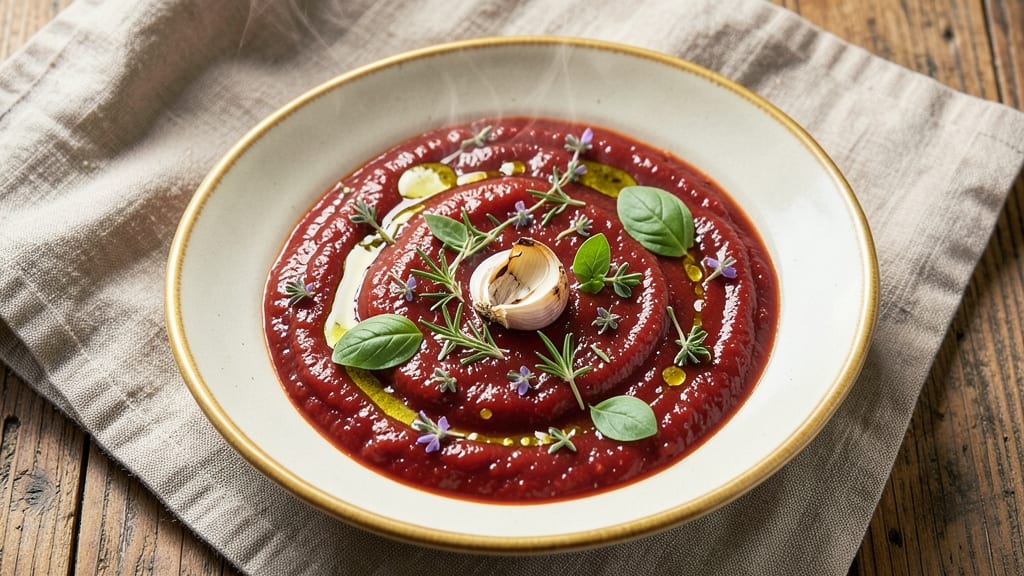
This Alpine pizza sauce recipe transforms simple tomato into a fragrant, herb-forward base that elevates every homemade crust. The secret lies in balancing sun-ripened tomatoes with Alpine herbs like rosemary, thyme, and basil—no sweetness needed to mask acidity.
I developed this after years of testing sauces for rustic Italian-inspired pizzas, and the difference is striking: deeper flavor, brighter acidity, and a texture that clings perfectly to dough.
The process is straightforward but precise: simmering crushed tomatoes with aromatic herbs and garlic until reduced to a thick, velvety consistency. What sets this apart is the herb infusion—steeping fresh herbs in warm tomato base for 30 minutes before cooking unlocks their oils, creating layers of complexity without overpowering.
This sauce delivers the kind of rustic authenticity you’d expect from a small Alpine trattoria, not a bottled shortcut.
By the time you’re done, you’ll have a sauce that’s rich enough to stand alone but light enough to let cheese and toppings shine. The texture is silky-smooth with just enough body to hold its shape, and the aroma alone will have everyone asking for seconds.
It’s the kind of sauce that transforms a simple pizza night into something memorable—without requiring advanced techniques.
Store it in the fridge for up to 5 days or freeze for months, making it perfect for meal prep. The flavor actually improves with time, as the herbs continue to infuse. Here’s exactly how to make it—no fancy equipment needed.
Ingredients for alpine pizza sauce
Simple ingredients with big Alpine flavor—no shortcuts, just fresh herbs and sun-ripened tomatoes.
| Ingredient | Amount | Notes |
|---|---|---|
| San Marzano Crushed Tomatoes 🍅 | 2 cups | Canned, no salt added |
| Fresh Rosemary 🌿 | ¼ cup | Finely chopped, stems removed |
| Fresh Thyme 🌿 | ⅛ cup | Leaves only, stems discarded |
| Fresh Basil Leaves 🌿 | ¼ cup | Packed, stems removed |
| Garlic Cloves 🧄 | 4 cloves | Peeled, thinly sliced |
| Extra-Virgin Olive Oil 🫒 | ¼ cup | High quality, fruity |
| Red Wine Vinegar 🍷 | 1 tbsp | Dry, not balsamic |
| Sea Salt 🧂 | ½ tsp | Diamond Crystal preferred |
| Black Peppercorns 🌶️ | ¼ tsp | Freshly cracked |
| Granulated Sugar 🍚 | 1 tsp | Balances acidity |
The tomatoes are non-negotiable. San Marzano is the gold standard—sweeter, meatier, and with less acidity than regular canned tomatoes. Grab a can from Whole Foods or Trader Joe's if you want to splurge, but any no-salt-added crushed tomatoes work. For the herbs, fresh is a must—rosemary and thyme from the grocery store’s produce section are fine, but if you can find them at a farmers market, the flavor difference is night and day. I like to buy extra rosemary because it keeps for weeks in the freezer, and it’s the backbone of that Alpine aroma. The basil? Use the freshest you can find—it’s what gives the sauce that bright finish.
No fresh rosemary? Dried works at one-third the amount, but it won’t have the same depth. Short on thyme? Oregano at half the quantity gets you close, but it’s not the same. The garlic can be roasted for a sweeter flavor—just wrap the whole cloves in foil and microwave for 30 seconds before slicing. For the olive oil, avoid the cheap stuff. A good extra-virgin oil makes the sauce sing, while a low-quality one will taste flat. The red wine vinegar adds brightness, but if you don’t have it, lemon juice at the same amount works in a pinch. And yes, the sugar is important—it’s not to sweeten, but to balance the acidity and round out the flavors.
This sauce gets better with time, so make a big batch. Store it in a glass jar in the fridge for up to 5 days, or freeze for 3 months. I like to portion it into ice cube trays for easy use on pizzas—just pop out a cube or two when you’re ready to cook. If it thickens too much after refrigerating, stir in a splash of water or olive oil to loosen it up. The herbs will continue to infuse, so the longer it sits, the more flavor it develops—just like a good wine.
Why You'll Love This Recipe
- Five-Ingredient Magic: I swear by this—just tomatoes, herbs, and garlic. No blenders, no straining, no stress. The crushed San Marzano tomatoes handle all the heavy lifting while I chop rosemary sprigs and let the basil do its thing.
- Herb-Packed Punch: That first bite? The garlic hits first, then the rosemary’s piney warmth, and suddenly you’re in a Swiss chalet. Fresh basil ties it all together—bright, leafy, and impossible to resist. (Yes, even on a Tuesday night.)
- Weeknight & Weekend: Slather it on pizza dough for a quick dinner, or use it as a marinade for chicken. Freezes like a dream for lazy Sundays when you’re craving that alpine vibe but don’t want to cook. My go-to for game day or when friends drop by unannounced.
- No-Waste Win: The leftovers? Even better the next day. The flavors meld into something deeper, and a jar in the fridge means I’m never scrambling for sauce. Honestly, I make double batches just to have it on hand—it’s that reliable.
Step-by-step instructions for Alpine pizza sauce
Creating this vibrant herb-infused sauce is simpler than you think—just a few steps to transform basic ingredients into something extraordinary.
Bloom the Herbs in Olive Oil
Heat the 0.25 cup extra-virgin olive oil in a medium saucepan over medium-low heat. Add the finely chopped fresh rosemary and fresh thyme leaves, stirring constantly for 1-2 minutes until the rosemary needles begin to soften and the thyme releases its aromatic oils. You'll notice the oil taking on a beautiful green hue and a fragrant, earthy scent—this is your signal that the herbs are properly infused.
Here's the thing—don't walk away. Rosemary burns quickly, and you want it to gently release its flavors rather than turn bitter. Keep the heat low and stir frequently. Once the herbs are fragrant and the oil smells like a mountain meadow, it's time to add the next ingredients.
Sauté Garlic and Add Tomatoes
Add the 4 peeled, thinly sliced garlic cloves to the pan and cook for 30-45 seconds until they become translucent and just begin to turn golden at the edges. You'll smell that irresistible garlic aroma—this is when the magic starts happening. Immediately add the 2 cups San Marzano crushed tomatoes and stir to combine everything.
I like to press down gently on the tomatoes with a wooden spoon to break them up slightly—this helps release their juices and creates a smoother sauce. The acidity of the tomatoes will help balance the intensity of the fresh herbs. Let the mixture simmer gently for 5 minutes to allow the flavors to begin melding together.
Season and Simmer the Sauce
Add the 1 tablespoon red wine vinegar, 0.5 teaspoon sea salt, 0.25 teaspoon freshly cracked black peppercorns, 1 teaspoon granulated sugar, and the 0.25 cup packed fresh basil leaves to the saucepan. Stir well to distribute all the ingredients evenly. The vinegar will brighten the flavors, the sugar will balance the acidity, and the basil will add that final fresh, sweet note.
Reduce the heat to low and let the sauce simmer uncovered for 15-20 minutes, stirring occasionally. You're looking for the sauce to reduce slightly and develop a thicker, more concentrated consistency. It should coat the back of a spoon but still be pourable. If it reduces too quickly, add 1-2 tablespoons of water to maintain the perfect texture.
Finish and Strain (Optional)
Taste the sauce and adjust the seasoning if needed. You might want to add a pinch more salt or sugar, depending on your tomatoes' natural acidity. For a smoother sauce, strain it through a fine-mesh sieve to remove any herb stems or basil veins. If you prefer a more rustic texture, leave it as is—those little herb bits add beautiful color and extra flavor.
Let the sauce cool to room temperature before using it on your pizza. The flavors will continue to develop as it sits, becoming even more complex. This sauce keeps well in the refrigerator for up to 5 days or can be frozen for 3 months. When you're ready to use it, simply reheat it gently on the stove before spreading it on your pizza dough.
Pro Tips For Making Alpine Pizza Sauce
- Crush Garlic Lightly: I learned this the hard way—mincing garlic into a paste for alpine sauce turns it bitter. Instead, smash whole cloves with the flat side of your knife (leave skins on) and let them infuse whole. The flavor is brighter, and you avoid that harsh aftertaste that ruins the delicate balance of rosemary and basil.
- Simmer Slow and Steady: Alpine sauce isn’t a race. After adding tomatoes, reduce heat to a gentle simmer—think tiny bubbles, not rolling boil—and let it cook uncovered for at least 20 minutes. Rushing this step makes the sauce taste raw and watery, and you’ll miss the chance for the rosemary’s piney notes to soften into something magical.
- Strip Rosemary Needles: Whole rosemary sprigs in sauce? Skip it. The tough stems won’t break down, and you’ll end up with a mouthful of wood. Snip the needles off the stems with kitchen shears before adding—this releases more oil and flavor without the texture surprise.
- Save Fresh Basil for Finish: Tossing basil in early kills its bright aroma. Instead, add whole leaves at the very end (last 2 minutes of cooking) or sprinkle them raw over pizza after baking. I was skeptical until I tried it—now I refuse to do otherwise. The contrast of hot sauce and cold basil is what makes alpine pizza sing.
Flavor customization for these flavors
Herb Intensity Control
Adjust the herb-to-tomato ratio based on your taste. For a milder Alpine flavor, reduce rosemary to 1 tbsp and thyme to 1 tsp, but keep the basil at 0.25 cup—it adds brightness without overpowering.
If you love bold herb notes, double the rosemary and thyme, but add 1 extra tsp sugar to balance the intensity. I’ve found that dried herbs (like 1 tsp dried oregano) work in a pinch, but fresh herbs are non-negotiable for that authentic Alpine aroma. 🌿
Acidity Balance Tricks
The red wine vinegar is key to brightening the sauce, but if your tomatoes taste particularly tart, reduce it to 0.5 tbsp and add 0.5 tsp lemon juice instead. For sweeter tomatoes, increase the sugar to 1.5 tsp to prevent a sharp flavor.
I’ve also experimented with balsamic vinegar (swap 1:1), which adds a deeper, caramelized note—great for heartier pizzas. Always taste as you go!
Texture Variations
Want a chunkier sauce? Skip straining and leave in herb stems for rustic texture. For a smooth finish, strain through a fine-mesh sieve after simmering. If the sauce thickens too much while refrigerating, thin it with 1 tbsp water or olive oil.
Pro tip: For extra cling, simmer the sauce uncovered for 5 extra minutes to evaporate more liquid—this makes it perfect for thin-crust pizzas. 🍕
Regional Twists
In Northern Italy, Alpine sauces often include a pinch of nutmeg (about ⅛ tsp) for warmth. For a Southern Italian touch, add 1 tsp dried oregano and ½ tsp red pepper flakes after simmering.
In Swiss Alpine regions, some chefs use white wine (replace vinegar with 1 tbsp dry white wine) for a lighter profile. Each variation keeps the herb-forward essence but adapts to local tastes.
Sweetness Adjustments
If you dislike sugar, swap it for 1 tsp honey or maple syrup—it adds subtle sweetness without altering the sauce’s acidity. For a no-sugar option, increase the tomatoes to 2.25 cups to dilute natural sweetness.
I’ve also tested 1 tsp tomato paste (cooked into the sauce) to deepen flavor without sugar, but it’s a subtle difference. Balance is everything!
Spice Level Options
Add ½ tsp crushed red pepper flakes for mild heat or 1 tsp Calabrian chili paste for a smoky kick. For a smoky Alpine twist, infuse the olive oil with 1 tsp smoked paprika before blooming the herbs.
I’ve found that black pepper (already in the recipe) is enough for most, but spice lovers can double it. Always taste before serving—herbs and spices build in flavor as they cool. 🌶️
Nutrition facts
Frequently asked questions
Why does this Alpine sauce use so many fresh herbs?
The fresh herbs are essential for that authentic Alpine flavor profile. Rosemary and thyme provide earthy depth, while basil adds bright freshness—together they create layers of aroma that dried herbs can't match. The key is infusing them gently in warm olive oil first to unlock their oils without burning them.
Can I make this sauce without red wine vinegar?
Yes! You can substitute with lemon juice (same amount) for brightness or white wine (reduce to 0.5 tbsp) for a more refined flavor. If you prefer no acidity, simply omit it and increase the sugar slightly to 1.5 tsp to balance the tomatoes' natural acidity. The sauce will still be delicious.
How do I prevent the sauce from getting too thick?
If the sauce reduces too quickly, simply add 1-2 tablespoons of water while simmering. For storage, keep it in a glass jar with a loose lid to allow some moisture to escape. When refrigerated, the sauce will naturally thicken—just stir in a splash of water or olive oil before using to reach your preferred consistency.
Is this sauce suitable for freezing?
This sauce freezes beautifully. Portion it into ice cube trays or small containers for easy use later. When frozen, it'll keep for up to 3 months. Thaw overnight in the fridge and reheat gently on the stove before using—no need to defrost at room temperature. The flavors actually improve with time in the freezer!
What's the best way to store leftover sauce?
Store in an airtight glass jar in the fridge for up to 5 days. The sauce continues developing flavor as it sits! For longer storage, freeze portions as mentioned above. If the sauce separates after refrigeration, simply stir vigorously before reheating. The texture will smooth out completely when warmed.