
Sauces & Condiments
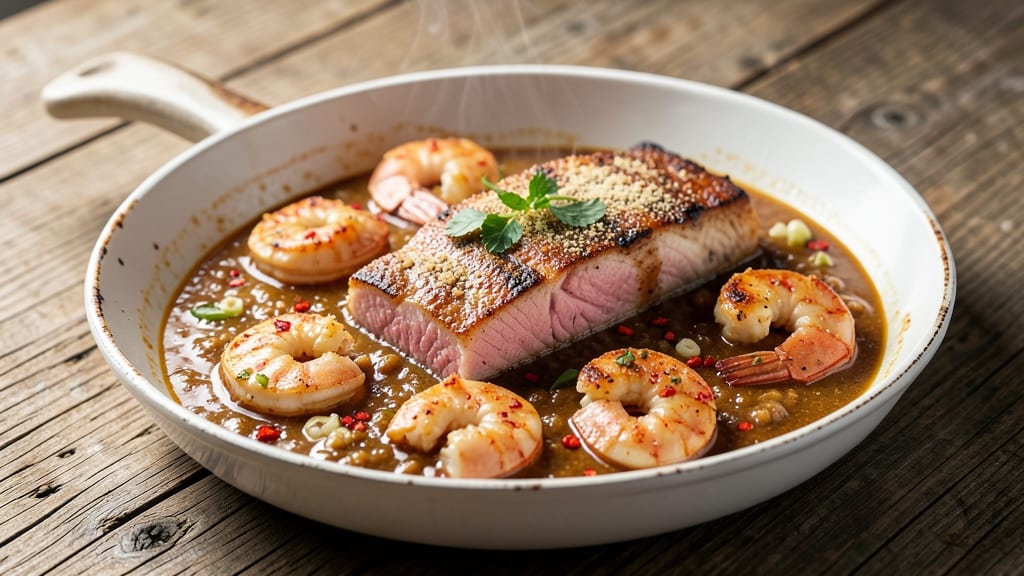
This alligator sauce recipe brings bold Cajun flavor to your table with a rich, spicy kick that transforms everyday dishes into something extraordinary.
The secret lies in slow-simmered alligator meat—though chicken or shrimp work beautifully as substitutes—infused with cayenne, garlic, and a deep roux base that gives it that signature Louisiana depth.
What makes this sauce special is its versatility, perfect for dipping fried shrimp, drizzling over fries, or even enhancing grilled meats with a tangy, fiery punch.
The foundation of great alligator sauce starts with a proper roux—equal parts butter and flour cooked until nutty brown—which forms the creamy backbone of the sauce. As the alligator (or substitute) simmers in a blend of spices, the flavors meld into a harmonious balance of heat and richness.
The key is patience; letting it reduce slowly ensures a sauce that’s thick enough to cling but still smooth enough to drizzle. This isn’t just a condiment—it’s a flavor explosion in every bite.
What you’ll end up with is a versatile, restaurant-quality sauce that’s spicy, smoky, and deeply satisfying. The cayenne brings the heat, while the garlic and onion powder add layers of complexity that make it irresistible.
Unlike store-bought versions, this sauce develops a depth of flavor that comes from slow cooking and traditional techniques. It’s the kind of condiment that elevates simple dishes into something memorable, whether you’re serving it at a backyard cookout or a cozy dinner at home.
Ready to make it? This sauce keeps well in the fridge for up to a week, so you can make a big batch and enjoy it all week long.
Pair it with fried seafood, grilled sausages, or even as a bold dipping sauce for fries. The possibilities are endless, and the flavor? Unmatched. Let’s get cooking!
Ingredients for alligator sauce
Nine ingredients for a sauce that packs Cajun heat and Louisiana soul.
| Ingredient | Amount | Notes |
|---|---|---|
| Unsalted Butter 🧈 | ½ cup | Cold, cut into small cubes |
| All-Purpose Flour 🌾 | ½ cup | White, bleached preferred |
| Alligator Meat 🦎 | 1 ½ lb | Pre-cut into bite-sized pieces (or substitute) |
| Chicken or Shrimp 🍗 | 1 ½ lb | Boneless, skinless, cubed (substitute) |
| Cayenne Pepper 🌶️ | 1 tbsp | Adjust for heat preference |
| Garlic Powder 🧄 | 2 tsp | Freshly ground preferred |
| Onion Powder 🧅 | 1 tsp | Not onion salt |
| Smoked Paprika 🌶️ | 1 tsp | For authentic Cajun smokiness |
| Dried Thyme 🌿 | ½ tsp | Or 1 tsp fresh thyme leaves |
| Chicken or Vegetable Broth 💧 | 1 cup | Low-sodium preferred |
The alligator meat is the star, but don’t stress if you can’t find it—chicken or shrimp works perfectly. Look for alligator at specialty butchers or online retailers like Louisiana Seafood Market or Cajun Market. If substituting, bone-in chicken thighs hold up best to the long simmer. The cayenne is non-negotiable for that signature kick, but start with the 1 tbsp and adjust—this sauce is meant to be bold. For the roux, use unsalted butter and white flour to avoid graying. Trust me, the nutty brown color is worth the patience.
No cayenne? Red pepper flakes at half the amount will get you close, but the flavor won’t be quite the same. Fresh thyme is ideal, but dried works in a pinch. The broth can be swapped for tomato paste mixed with water if you’re avoiding umami. For a deeper smokiness, add a pinch of liquid smoke. The key is balance—taste as you go. If the sauce is too thin, simmer longer; if it’s too thick, stir in a splash of broth. And if you’re really feeling adventurous, add a dash of hot sauce at the end for extra punch.
This sauce keeps beautifully in the fridge for up to 1 week, with flavor actually improving over time. For longer storage, freeze in ice cube trays—perfect for adding heat to future dishes. Reheat gently on the stove, stirring constantly to avoid burning. Leftovers? Use them to drizzle over fried shrimp, grilled meats, or even mac and cheese. The versatility is what makes this sauce a game-changer in any kitchen.
Why You'll Love This Recipe
- Same sauce, endless uses: dump it over grilled chicken for a quick dinner, drizzle it on rice for a Cajun-style bowl, or serve it as a dip with crusty bread when unexpected company shows up. I’ve even frozen leftovers—thaw and reheat, and no one suspects it’s been sitting in the freezer.
- One-Pot Magic: The roux of butter and flour thickens in minutes—no stirring for hours like some sauces. I toss in the alligator pieces (or shrimp if you’re feeling lazy) and let the cayenne work its heat while I chop veggies for the side. That’s it. No extra bowls, no fuss.
- Heat Meets Cream: The cayenne gives this sauce a slow-building kick, but the butter and flour smooth it into something rich and velvety. Honestly, the first time I made it with shrimp, my husband asked for seconds before I even finished serving. That’s the power of a little spice and a lot of fat.
- Weeknight to Party Fix: Same sauce, endless uses: dump it over grilled chicken for a quick dinner, drizzle it on rice for a Cajun-style bowl, or serve it as a dip with crusty bread when unexpected company shows up. I’ve even frozen leftovers—thaw and reheat, and no one suspects it’s been sitting in the freezer.
Step-by-step instructions for alligator sauce
This Cajun-inspired sauce delivers bold heat and smoky depth with minimal effort.
Create the Roux Foundation
Melt the 0.5 cup unsalted butter in a heavy-bottomed saucepan over medium heat. Once fully melted, whisk in the 0.5 cup all-purpose flour all at once. This creates a roux—the flavor backbone of your sauce. Cook and stir constantly for 3-4 minutes until the mixture turns a rich, nutty golden brown color. If it darkens too quickly, reduce the heat slightly—burnt roux ruins everything.
Here's the thing—don't walk away. A good roux requires constant attention. You'll know it's ready when it smells toasty and coats the back of a spoon smoothly. This step builds the sauce's thickness and carries all those Cajun spices we're about to add.
Build Flavor with Spices and Protein
Immediately remove the pan from heat and stir in the 1 tbsp cayenne pepper, 2 tsp garlic powder, 1 tsp onion powder, 1 tsp smoked paprika, and 0.5 tsp dried thyme. Let the spices bloom for 30 seconds off the heat—they'll release their essential oils and aromas. Then return the pan to medium-low heat and add the 1.5 lb alligator meat (or substitute chicken/shrimp).
Cook for 5-6 minutes, stirring occasionally, until the alligator pieces are just barely cooked through—they'll finish in the sauce. The meat should be opaque but still slightly tender. If using shrimp, cook for only 2-3 minutes to prevent overcooking. This step develops the sauce's signature depth while keeping the protein tender.
Deglaze and Simmer
Pour in the 1 cup chicken or vegetable broth all at once, scraping up any browned bits from the bottom of the pan with a wooden spoon. This deglazing step captures all the flavor that would otherwise stick to your cookware. Return the pan to medium heat and bring the mixture to a gentle simmer.
Let it bubble away for 8-10 minutes, stirring occasionally, until the sauce thickens enough to coat the back of a spoon. You're looking for a consistency between gravy and thin sauce—smooth but still pourable. If it thickens too quickly, whisk in 1-2 tablespoons of water to adjust. The sauce should coat the alligator pieces completely, creating that signature Louisiana-style finish.
Finish with Protein and Rest
Add the remaining 1.5 lb chicken or shrimp (if using as substitute) to the sauce. Simmer together for 3-4 minutes until the chicken reaches 165°F or the shrimp turns opaque. The sauce should now be perfectly balanced—spicy, smoky, and rich with umami from the alligator.
Remove from heat and let the sauce rest for 5 minutes. This resting period allows the flavors to meld completely and the sauce to thicken slightly. Taste and adjust seasoning—you might need a pinch more cayenne for heat or salt if using low-sodium broth. Serve immediately over rice, grits, or with crusty bread to soak up every last drop of that bold Cajun flavor.
Pro Tips For Making Alligator Sauce
- Brown the Flour First: Skip the roux shortcut—melt your unsalted butter over medium heat, then add the flour and cook it for 3-4 minutes until it’s a light golden brown. That nutty flavor is what separates good sauce from just okay, and it cuts through the alligator’s natural richness without tasting like raw flour.
- Trim Alligator Fat Early: Alligator meat has more fat than you’d think, and it can make your sauce greasy if you don’t handle it. Before cooking, run a sharp knife along the edges of the meat to remove any visible fat—even if it looks lean, this step keeps your sauce silky instead of slick.
- Don’t Rush the Deglaze: After searing the alligator (or chicken/shrimp), let those browned bits caramelize for a full 2 minutes before pouring in any liquid. Scrape the pan aggressively with a wooden spoon—this is where the deep, savory base of your sauce lives, and skipping it means missing out on half the flavor.
- Balance the Cayenne Gradually: Cayenne burns easy, and alligator sauce needs heat but not pain. Start with half the amount listed in the recipe, taste as you go, and add more in small pinches—you can always adjust, but you can’t un-burn your tongue. (Yes, I’ve learned this the hard way.)
Troubleshooting this recipe
Roux Gone Wrong
If your roux turns gray or smells burnt, you’ve gone too far—this is the #1 rookie mistake. The secret is patience: cook on medium heat and stir constantly with a wooden spoon. A proper roux should be golden brown and nutty-smelling, not dark and acrid.
If it darkens too quickly, reduce heat immediately. For extra insurance, use unsalted butter and white flour—they resist graying better than salted or whole wheat. 🔥
Sauce Too Thin?
If your sauce is too thin after simmering, don’t panic—simmer longer or reduce heat to low and let it thicken naturally. For a quick fix, mix 1 tbsp cornstarch with 1 tbsp cold water, then whisk it into the sauce.
Simmer for 1-2 minutes until it thickens. Avoid adding flour directly—it can clump and create a grainy texture. Pro tip: Skim off any excess fat that rises to the top while simmering for a cleaner finish.
Protein Overcooked
Alligator (or shrimp/chicken) should be just barely cooked when added to the sauce—it’ll finish cooking during the simmer. If your protein turns rubbery or dry, you’ve overcooked it. For shrimp, cook for no more than 2-3 minutes before adding to the sauce.
For chicken, remove it from the sauce once it reaches 165°F—overcooking turns it tough. The sauce’s residual heat will keep it tender.
Spice Imbalance
Too much cayenne? Balance it with a pinch of sugar (½ tsp) to mellow the heat. Too little heat? Add ½ tsp more cayenne or a dash of hot sauce at the end. For a smokier flavor, increase the smoked paprika by ¼ tsp.
Taste as you go—this sauce should be bold but balanced, not overwhelming. If it tastes flat, a splash of lemon juice (½ tsp) brightens the flavors without altering the heat.
Lumpy Sauce Disaster
Lumps happen when flour or spices aren’t fully incorporated. Whisk vigorously when adding flour to butter, and bloom spices off the heat for 30 seconds before returning to the pan. For stubborn lumps, blend the sauce briefly with an immersion blender (or carefully with a regular blender).
If all else fails, strain the sauce through a fine-mesh sieve for a silky texture. Prevention is key—stir constantly during the roux stage!
Nutrition facts
Frequently asked questions
Can I make this sauce without alligator meat?
This recipe works beautifully with chicken thighs or shrimp as substitutes. Bone-in chicken thighs hold up best to the long simmer, while shrimp adds a lighter, briny flavor. Just adjust cooking times—shrimp should only simmer for 2-3 minutes after adding to avoid overcooking. The sauce's bold spices will still shine through.
How spicy is this sauce, and can I adjust the heat?
The recipe starts with 1 tbsp cayenne, which delivers noticeable heat but isn't overwhelming. For milder heat, reduce to ½ tsp cayenne and add ½ tsp smoked paprika instead. Want more kick? Add an extra ½ tsp cayenne or finish with a dash of hot sauce. Remember, the sauce thickens as it cools, so taste before serving.
What's the best way to store and reheat leftovers?
Store in an airtight container in the fridge for up to 1 week, or freeze in ice cube trays for easy portioning. Reheat gently on the stove over low heat, stirring constantly to prevent burning. The sauce actually tastes better after resting—its flavors deepen over time. Never microwave, as it can make the sauce watery.
Can I use this sauce on dishes other than seafood?
This versatile sauce works wonderfully with grilled meats, fried chicken, or even as a dipping sauce for fries or mozzarella sticks. The smoky, spicy profile pairs especially well with rich dishes like mac and cheese or mashed potatoes. For vegetarian options, try drizzling it over portobello mushrooms or grilled halloumi.
Why does my roux turn gray instead of brown?
Gray roux happens when heat gets too high or you use salted butter or whole wheat flour. Keep heat at medium and stir constantly with a wooden spoon. For insurance, use unsalted butter and white flour—they resist graying. If it starts darkening too quickly, immediately reduce heat. A proper roux should smell nutty, not burnt.