
Sauces & Condiments
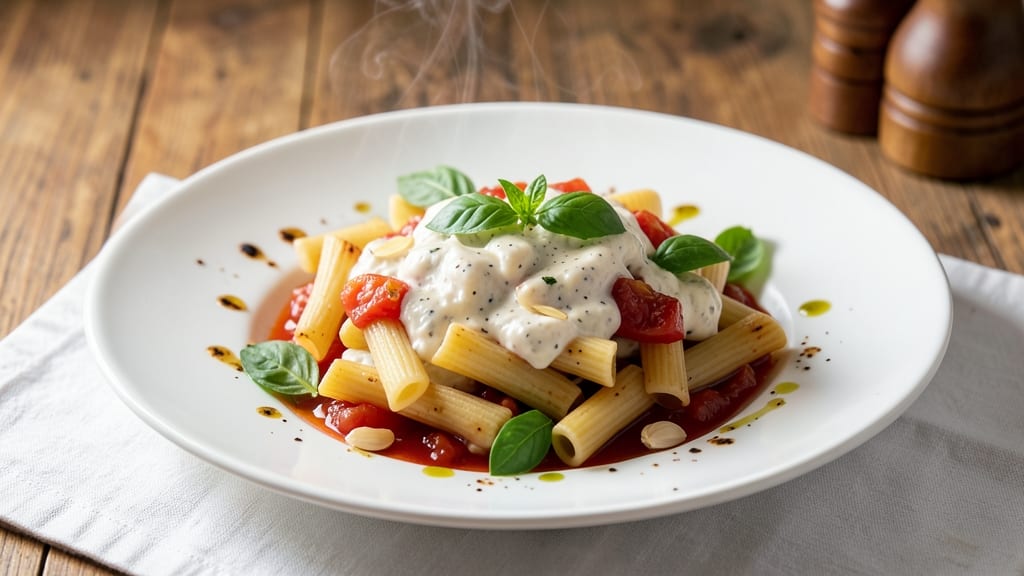
This alla norma sauce recipe transforms simple ingredients into a velvety, herbaceous masterpiece that elevates eggplant dishes to restaurant-quality. The secret lies in slow-cooked tomatoes, creamy ricotta, and fresh basil that infuse every spoonful with Sicilian charm.
I've perfected this sauce to balance richness with bright acidity, ensuring it complements rather than overpowers the tender fried eggplant it was born to serve.
The foundation begins with a classic tomato sauce—garlic, olive oil, and crushed tomatoes simmered until deeply flavorful. Ricotta adds luxurious creaminess, while basil brings that signature freshness that defines alla norma.
What makes this sauce special is its versatility; it works equally well as a pasta sauce, a drizzle for grilled vegetables, or a topping for bruschetta. The key technique is patience—letting the flavors meld gradually for maximum depth.
By the time you're done, you'll have a sauce that's impossibly smooth yet vibrant, with just the right balance of tangy, creamy, and herby notes. The ricotta prevents it from being too heavy, while the basil keeps it bright and fresh.
This is the kind of sauce that turns a simple weeknight dinner into something memorable—elegant enough for company but simple enough for any night.
For extra depth, consider adding a splash of white wine or a few anchovies to the tomato base. The sauce keeps well in the refrigerator for up to five days, making it perfect for meal prep.
Whether you're serving it with fried eggplant, pasta, or as a dip, this alla norma sauce will become a staple in your kitchen.
Ingredients for alla norma sauce
Nine simple ingredients transform into velvety alla norma sauce that's restaurant-worthy.
| Ingredient | Amount | Notes |
|---|---|---|
| Extra-Virgin Olive Oil 🫒 | ½ cup | High-quality, fruity variety preferred |
| Garlic Cloves 🧄 | 4 cloves | Freshly minced for maximum flavor |
| Crushed Tomatoes 🍅 | 2 cups | San Marzano preferred for sweetness |
| Ricotta Cheese 🧀 | 1 cup | Whole milk, lightly drained |
| Fresh Basil Leaves 🌿 | ½ cup | Packed, stems removed |
| White Wine 🍷 | ¼ cup | Dry, like Pinot Grigio |
| Salt 🧂 | 1 tsp | Diamond Crystal kosher preferred |
| Black Pepper 🌶️ | ½ tsp | Freshly ground for best flavor |
| Red Pepper Flakes 🌶️ | ¼ tsp | Optional, for subtle heat |
| Lemon Juice 🍋 | 1 tbsp | Freshly squeezed for brightness |
The ricotta is non-negotiable here—whole milk gives the best texture, and it should be lightly drained to keep it creamy. Whole Foods or Trader Joe's carry excellent brands like Galbani or BelGioioso. For the tomatoes, San Marzano is worth the splurge—they're sweeter and less acidic, which balances the sauce perfectly. I always grab a jar when I see them on sale, and they keep for months in the pantry. Fresh basil is the star, so pick your own if possible—the leaves should be bright green with no brown spots. If you're using store-bought, look for bunches with tightly packed leaves.
No ricotta? Mascarpone or cottage cheese works in a pinch, though the texture will be slightly different. Short on white wine? Substitute chicken broth at the same amount, but you'll lose that subtle depth. The red pepper flakes are optional, but if you love heat, add them at the end—crushed slightly for even distribution. Fresh basil wilt fast, so if you're prepping ahead, store it wrapped in damp paper towels in a sealed container. The crushed tomatoes can be jarred or canned—just drain off any excess liquid. For extra umami, add a pinch of anchovy powder (if you're not avoiding fish), but it's not required.
This sauce tastes even better the next day as the flavors meld. Store in an airtight container in the fridge for up to 5 days, or freeze for 3 months in portion-sized containers. I love making a double batch—one for immediate use, one to freeze for lazy weeknights. When reheating, add a splash of water or milk to keep it from thickening too much. The lemon juice at the end is crucial—it brightens everything up and cuts through the richness of the ricotta. Taste as you go, and adjust seasoning with more salt, pepper, or a squeeze of lemon if needed.
Why You'll Love This Recipe
- Five-Ingredient Magic: This sauce comes together with just five things—no fancy prep, no stress. I swear, the crushed tomatoes and garlic melt into something rich while I’m still chopping the basil.
- Creamy-Garlicky Bliss: That ricotta swirled into the tomato base? It’s like a hug in a pan. The olive oil and basil finish it off with a brightness that makes every bite feel like a little celebration.
- Weeknight to Dinner Party: I use it on pasta for my kids’ spaghetti night, then the same jar gets dressed up with fresh mozzarella for a Sunday spread. Same sauce, totally different vibes—no extra work.
- Leftovers That Don’t Let You Down: This keeps for days in the fridge, and honestly? It tastes even better the next time around. Spread it on toast, drizzle it over eggs, or just eat it with a spoon—no judgment here.
Step-by-step instructions for alla norma sauce
Here's how to craft this Sicilian classic—creamy, fresh, and bursting with eggplant and basil flavor.
Sauté Garlic in Olive Oil
Heat the 0.5 cup extra-virgin olive oil in a medium saucepan over medium-low heat. Add the 4 cloves minced garlic cloves and cook for 1-2 minutes until fragrant but not browned. This gentle cooking prevents the garlic from burning, which would make the sauce bitter.
Here's the thing—garlic burns faster than you think. Watch closely and remove the pan from heat if it starts to turn golden. You want that sweet, nutty aroma without any harsh bitterness. Keep the heat low and stir occasionally to distribute the garlic evenly.
Deglaze with White Wine
Pour in the 0.25 cup white wine and let it simmer for 2-3 minutes until it reduces by half. This step builds depth in the sauce by concentrating the wine's flavors and dissolving any browned bits from the garlic. Don't rush this—let it bubble gently to avoid evaporating all the alcohol.
If you're using a dry white wine like Pinot Grigio, you'll notice the alcohol aroma dissipate as it cooks down. This is normal and actually improves the sauce's complexity. The wine should reduce until it just coats the bottom of the pan, leaving behind a rich, slightly tangy base.
Add Tomatoes and Simmer
Stir in the 2 cups crushed tomatoes and bring the mixture to a gentle simmer. Reduce heat to low and let it cook uncovered for 10-12 minutes until slightly thickened. You're looking for a consistency where the sauce coats the back of a spoon but still has some body.
This simmering time allows the tomatoes to break down and meld with the garlic and wine. Stir occasionally to prevent sticking, but don't over-stir—you want those flavors to develop naturally. If the sauce gets too thick, you can add a splash of water later, but it should naturally reduce to a perfect consistency.
Incorporate Ricotta and Seasonings
Remove the pan from heat and stir in the 1 cup lightly drained ricotta cheese until completely smooth. Then add the 1 tsp salt, 0.5 tsp black pepper, and 0.25 tsp red pepper flakes. The ricotta will give the sauce its signature creamy texture, while the seasonings balance the flavors.
I like to use a whisk for this step to ensure the ricotta incorporates evenly without creating lumps. If you notice any lumps, simply press them through a fine-mesh sieve for a silky texture. The red pepper flakes add just a hint of heat, but you can omit them if you prefer a milder sauce.
Finish with Basil and Lemon
Return the sauce to low heat and stir in the 0.5 cup packed fresh basil leaves and 1 tbsp lemon juice. Let it warm through for just 1 minute—no longer, or the basil will turn bitter. The lemon juice brightens the entire sauce, cutting through the richness of the ricotta and tomatoes.
Taste and adjust seasoning if needed. The sauce should be creamy, slightly tangy, and bursting with fresh basil flavor. Serve immediately over pasta or use as a filling for stuffed shells. This sauce is best enjoyed fresh, while the basil is still vibrant and the flavors are at their peak.
Pro Tips For Making Alla Norma Sauce
- SWIM GARLIC IN OIL: Cook the garlic in olive oil over low heat—not medium, not high—until it’s golden and just whispering perfume. I learned this the hard way: too much heat burns it into bitter ashes, and you’ll taste it in every bite. (Yes, even if you’re impatient like me.)
- USE WHOLE TOMATOES, NOT PASTE: Skip the pre-crushed canned tomatoes and use whole San Marzano tomatoes—peeled, crushed by hand, and skinned with a quick boil. The texture’s richer, the flavor’s brighter, and you avoid the slimy aftertaste of over-processed pulp. (Your sauce will thank you.)
- SALT THE RICOTTA: Season the ricotta before folding it into the sauce—about ½ teaspoon of salt per ½ cup ricotta—so it blends smoothly instead of clumping. I used to add it at the end, and it always tasted like afterthought salt crystals. (Trust me, this makes a real difference.)
- STIR IN BASIL LATE: Hold off on adding fresh basil until the very last 30 seconds of cooking—toss it in, then turn off the heat. Basil wilts fast, and you want those leaves to stay vibrant, not turn to mush. (Yes, it looks weird, but it works.)
Storing and reheating this alla norma sauce
Fridge Storage Tips
Let your alla norma sauce cool to room temperature before transferring to an airtight glass container—I prefer Pyrex with snap-on lids.
Store in the refrigerator for up to 5 days, but the flavors actually deepen after the first day as the ricotta and basil meld beautifully. 💛 The sauce thickens slightly when chilled, so stir in 1-2 tablespoons of water or milk when reheating to restore its creamy texture.
Freezer Prep
For longer storage, divide the sauce into portion-sized silicone molds or freezer-safe containers, leaving ½-inch headspace for expansion. Label with the date and freeze for up to 3 months.
When ready to use, thaw overnight in the fridge—never microwave directly from frozen, as this can create a grainy texture. The ricotta may separate slightly, so whisk vigorously before reheating.
Reheating Methods
For stovetop reheating, transfer the sauce to a saucepan over low heat and add 1-2 tablespoons of water or milk to prevent sticking. Simmer gently for 5-7 minutes, stirring occasionally, until heated through.
Avoid boiling, which can break down the basil and make the sauce taste bitter. A splash of lemon juice at the end revives its brightness if needed.
Microwave Shortcut
If you're short on time, microwave the sauce in 2-minute intervals on 50% power, stirring between each interval. Start with 4 minutes total, then taste and adjust—some batches may need an extra minute.
The key is gentle heat to avoid curdling the ricotta. If the sauce looks too thick, add 1 tablespoon of warm water and stir until smooth.
Reviving Day-Old Sauce
If your sauce has thickened too much after refrigeration, simply whisk in 1-2 tablespoons of warm water or milk until it reaches your desired consistency. A quick pulse in a blender (if lumps appear) ensures a silky texture.
I often reheat leftover sauce for pasta dishes or as a dip for fried eggplant—it's even more flavorful the second time around! ✨
Nutrition facts
Frequently asked questions
What makes alla norma sauce different from other tomato-based sauces?
This sauce stands out because of its creamy ricotta base and fresh basil finish, which give it a unique texture and bright flavor profile. Unlike classic marinara, it has a velvety consistency from the ricotta and a vibrant herbal note from the basil that pairs perfectly with fried eggplant or pasta. The white wine and lemon juice also add complexity that sets it apart from basic tomato sauces.
Can I make alla norma sauce without ricotta?
Yes, but the texture will be lighter. Substitute with ½ cup mascarpone or ¼ cup heavy cream for richness, though you'll lose that signature creamy mouthfeel. The sauce will still taste delicious—just more like a tomato-basil sauce with a touch of creaminess. For a vegan version, use ½ cup silken tofu blended smooth and add a pinch of salt to mimic ricotta's texture.
How do I prevent the garlic from burning in this recipe?
Cook the garlic over medium-low heat for just 1-2 minutes until fragrant but not golden. Remove the pan immediately if it starts to brown, and stir constantly to distribute heat evenly. Using freshly minced garlic (not pre-minced) also helps prevent burning. For extra insurance, add the garlic to cold oil and turn the heat to low before cooking.
What's the best way to use leftover alla norma sauce?
Leftover sauce is perfect for pasta dishes, stuffed shells, or as a dip for fried eggplant. It also works well on grilled chicken or polenta. For extra flavor, reheat with a splash of water or milk and finish with fresh basil and a squeeze of lemon. The sauce actually improves overnight as the flavors meld, making it ideal for meal prep.
Why does my alla norma sauce look grainy after reheating?
This usually happens when the ricotta separates during reheating. To fix it, whisk vigorously or blend briefly with 1 tablespoon of warm water until smooth. For prevention, avoid boiling and reheat gently over low heat. If storing, cool the sauce quickly in an ice bath before refrigerating to maintain texture. The graininess won't affect flavor, but blending ensures a silky consistency.