
Sauces & Condiments
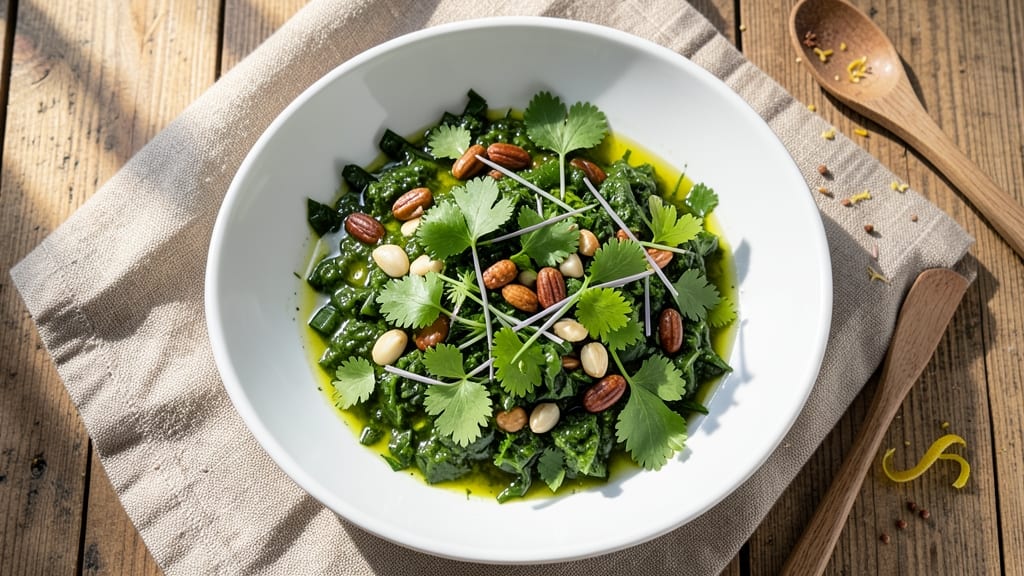
This all-purpose green sauce recipe transforms simple ingredients into a vibrant, herb-infused condiment that elevates everything from grilled meats to fresh salads. The secret lies in balancing fresh herbs, bright acidity, and rich olive oil—creating a sauce that's equally at home as a dip, drizzle, or marinade.
With just 10 minutes of prep and no cooking required, it's the perfect way to add freshness to any dish without complicating your meal prep.
The foundation of this sauce is a trio of fresh herbs—parsley, cilantro, and chives—that provide a bright, grassy flavor profile. A touch of garlic and lemon juice adds depth and acidity, while high-quality olive oil binds everything together into a silky, emulsified sauce.
The beauty of this recipe is its adaptability: you can customize it with capers for a briny kick, toasted nuts for texture, or even a splash of white wine for complexity.
What makes this sauce truly special is its versatility. Drizzle it over grilled chicken or fish for instant freshness, use it as a dip for crudités or chips, or toss it with grains like quinoa or couscous.
The flavors develop and deepen as it sits, making it even more delicious the next day. Store it in an airtight container in the refrigerator for up to 5 days, or freeze for longer storage.
This isn't just another green sauce—it's a game-changer for home cooks who want restaurant-quality flavor without the fuss. Whether you're prepping for a summer BBQ, assembling a charcuterie board, or simply looking to brighten up a weeknight dinner, this all-purpose green sauce delivers. Let's get started!
Ingredients for all purpose green sauce
Ten ingredients for a sauce that transforms everything from grilled meats to fresh salads.
| Ingredient | Amount | Notes |
|---|---|---|
| Fresh Flat-Leaf Parsley 🌿 | ¾ cup | Stems removed, loosely packed |
| Fresh Cilantro 🌱 | ½ cup | Stems removed, loosely packed |
| Fresh Chives 🌱 | ¼ cup | Finely chopped, loosely packed |
| Extra-Virgin Olive Oil 🫒 | ¾ cup | High-quality, fruity variety |
| Garlic Cloves 🧄 | 3 cloves | Peeled, roughly chopped |
| Lemon Juice 🍋 | ¼ cup | Freshly squeezed, strained |
| Capers 🍈 | 1 tbsp | Optional, for briny kick |
| Toasted Pine Nuts 🥜 | ¼ cup | Optional, for texture |
| Salt 🧂 | ½ tsp | Diamond Crystal preferred |
| Black Pepper 🌶️ | ¼ tsp | Freshly ground |
The herbs are non-negotiable here—farmers market bundles always win over grocery store containers. Look for parsley with vibrant green leaves and cilantro that smells fresh, not wilted. Chives? Trader Joe's has the best pre-chopped kind if you're short on time. For the olive oil, California avocado oil or Italian extra-virgin adds the best fruity depth. Garlic should be firm and free of sprouts—Costco's organic cloves are my go-to for bulk purchases. The lemon juice needs to be freshly squeezed; bottled just won't cut it here.
No capers? Green olives chopped fine work in a pinch, though they'll be less briny. Skip the pine nuts? Toasted almonds or walnuts add a nice crunch instead. Running low on chives? Substitute green onions at double the amount, but chop them extra fine. The sauce holds up beautifully with substitutions—just remember the lemon juice is the acidity anchor, so don't skimp there. For a wine twist, add 1 tbsp dry white wine to the mix. And if you're feeling fancy, a pinch of smoked paprika adds unexpected depth.
This sauce keeps like a dream—5 days in the fridge with a layer of olive oil on top to preserve freshness. For longer storage, freeze in ice cube trays and pop out as needed. The flavors actually improve overnight, so make extra if you're planning to use it over multiple meals. I like to portion it into small jars for easy grab-and-go drizzling. If it separates, just give it a quick whisk before using—it'll come back together perfectly.
Why You'll Love This Recipe
- No-Chop Nightmare: I swear by this sauce because it’s the only one where I can skip the tiny parsley stems and cilantro stems—just roughly chop the leaves, pulse in a food processor, and call it done. The chives add that bright, oniony punch without extra fuss.
- Garlic-Oil Magic: That moment when you blend warm olive oil with raw garlic? Pure satisfaction. The oil softens the garlic’s bite while keeping it bright, and the herbs soak up the flavor like a dream. Honestly, it’s the kind of taste that makes you pause mid-bite.
- Dresses Everything: This isn’t just for tacos or salads—it’s my go-to for roasted veggies, grilled chicken, even as a dip for crusty bread. The parsley and chives give it a fresh edge, while the olive oil keeps it rich enough to stand up to bold flavors.
- Makes Leftovers Shine: I always double the batch because it lasts a week in the fridge, and it only gets better as the flavors meld. Plus, it’s cheap—just herbs, garlic, and a drizzle of olive oil. My wallet and my taste buds both win.
Step-by-step instructions for all-purpose green sauce
This vibrant green sauce comes together in minutes with fresh herbs and bright citrus.
Toast the Pine Nuts and Prepare the Herbs
Start by lightly toasting the 0.25 cup toasted pine nuts in a dry skillet over medium heat for 2-3 minutes until fragrant and golden. Watch them closely—they burn quickly. Transfer to a small bowl and let cool completely. Meanwhile, remove stems from the 0.75 cup fresh flat-leaf parsley, 0.5 cup fresh cilantro, and 0.25 cup fresh chives, then chop all herbs together finely. I like to use the pulse function on a food processor for even consistency, but a sharp knife works too.
The herbs should be uniformly chopped to prevent any texture inconsistencies in the finished sauce. If using capers, rinse them briefly to remove any brine, then pat dry with a paper towel. These tiny briny bites add depth but can overpower if not balanced.
Blend the Wet Ingredients
In a blender or food processor, combine the chopped herbs, 3 cloves peeled garlic, 0.25 cup lemon juice, and 0.5 tsp salt. Pulse until everything is finely minced but not yet pureed. This step ensures even distribution of flavors before adding the oil. The lemon juice will brighten the herbs and help emulsify the sauce later.
Taste the mixture at this stage—it should be vibrant and herby with a tangy kick. If the lemon feels too sharp, reduce slightly; if the herbs taste mild, increase the amount next time. This is your flavor baseline before adding the oil.
Gradually Incorporate the Olive Oil
With the blender running on low speed, slowly drizzle in the 0.75 cup extra-virgin olive oil over 30-45 seconds. This gradual approach prevents the sauce from breaking or separating. The oil should blend smoothly, creating a thick, velvety texture. If the mixture looks too thick, add 1-2 teaspoons of water to loosen it.
I use a high-quality fruity olive oil here—its peppery notes complement the herbs beautifully. The sauce should now be smooth with a vibrant green hue. If you added capers, pulse them in now for a briny surprise in every bite.
Finish with Toasted Pine Nuts and Pepper
Transfer the sauce to a bowl and fold in the toasted pine nuts using a silicone spatula. Their nutty crunch contrasts perfectly with the smooth sauce. Finish with 0.25 tsp freshly ground black pepper and taste again. Adjust seasoning if needed—perhaps a pinch more salt or a splash of lemon juice for brightness.
The sauce should be thick enough to cling to foods but still drizzle smoothly. If it's too thick, thin with a little more water or lemon juice. This versatile sauce keeps well in the fridge for 5-7 days—perfect for drizzling over salads, dipping with crusty bread, or finishing grilled proteins.
Pro Tips For Making All Purpose Green Sauce
- STOP CHOPPING GARLIC TOO SMALL: I learned this the hard way—when garlic turns to paste in green sauce, it kills the freshness. Use a chef’s knife to smash 2-3 cloves flat with the heel of your blade, then slice into thin half-moons (not minced). The texture stays bright and the flavor integrates without disappearing.
- SALT THE HERBS BEFORE PULSING: This isn’t just seasoning—it’s flavor extraction. Sprinkle ½ teaspoon fine sea salt over the chopped parsley, cilantro, and chives before adding olive oil. Let them sit for 1 minute while you prep the garlic; the salt draws out their juices, making the sauce richer with less oil.
- PULSE DON’T BLEND: I used to hit the blend button until it looked smooth, but that turns green sauce into a sad, oily paste. Pulse in short bursts (3-4 seconds on, 5 off) until just combined—you want visible herby flecks, not a uniform sludge. The texture stays vibrant, and the sauce clings better to pasta or meat.
- SWAP STALE HERBS FOR LEMON ZEST: If your cilantro or parsley smells dull, skip it—no amount of olive oil fixes wilted greens. Instead, add 1 teaspoon lemon zest with the garlic. It brightens the sauce instantly and cuts through any bitterness from overworked herbs. (Yes, even if you’re skeptical.)
Serving suggestions for this recipe
Drizzle Over Proteins
This green sauce transforms grilled meats into showstoppers. I love drizzling it over seared scallops or grilled shrimp skewers just before serving—it adds a bright, herby finish that cuts through the richness. For chicken, brush it on during the last 2 minutes of grilling to infuse the skin with flavor.
Even steak benefits from a post-sear drizzle, especially ribeye or sirloin where the sauce clings beautifully. 🔥
Salad Topper Extraordinaire
Toss this sauce with mixed greens, arugula, or kale salads for instant elevation. I often combine it with cherry tomatoes, shaved fennel, and crumbled feta for a Mediterranean-inspired bowl.
The acidity in the lemon juice helps wilt greens slightly, making them more tender. For heartier salads, add roasted sweet potatoes or grilled halloumi to balance the freshness.
Dip for Crudités
Serve this sauce in a small bowl with carrot sticks, celery, bell pepper strips, and cucumber slices for a refreshing dip. The toasted pine nuts add texture that contrasts perfectly with the smooth sauce.
I also love pairing it with warm pita chips or baked tortilla triangles for a casual appetizer. The capers (if included) add a briny kick that makes every bite more satisfying. ✨
Grain Game-Changer
Stir this sauce into cooked quinoa, couscous, or farro for a flavor boost that requires zero extra effort. I recommend adding it after the grains have cooled slightly to let the flavors meld.
It also works beautifully with warm polenta or mashed potatoes—just a spoonful per serving adds herby brightness. For a complete meal, top with grilled chicken or sautéed mushrooms.
Pasta Perfection
Toss linguine, spaghetti, or angel hair pasta with this sauce for a quick, restaurant-quality dish. I like to reserve ½ cup pasta water and stir it in at the end to emulsify the sauce and coat the noodles evenly.
Add cherry tomatoes and fresh mozzarella for a Caprese-inspired twist. The sauce also works as a finishing drizzle for cold pasta salads, especially with farfalle or penne.
Breakfast Boost
Don’t overlook this sauce for breakfast! Drizzle it over avocado toast on sourdough or brioche for a herby, tangy kick. It also elevates scrambled eggs or poached eggs on toasted baguette slices.
For a heartier meal, spoon it over shakshuka or breakfast tacos with black beans and sautéed peppers. The acidity cuts through rich breakfast foods beautifully. 💫
Nutrition facts
Frequently asked questions
Can I make this sauce without a food processor?
You can achieve the same texture by finely chopping the herbs by hand with a sharp knife. For best results, pulse the herbs in batches in a mini food processor or use a mortar and pestle. The key is to get them as finely minced as possible before blending with the oil. Just be prepared for slightly more elbow grease!
How do I fix a separated sauce?
If your sauce separates, don't worry—it's easily fixable! Simply give it a good whisk or blend with 1-2 teaspoons of water or lemon juice to re-emulsify. The sauce should come back together smoothly. For extra insurance, add ½ teaspoon of Dijon mustard next time to help stabilize the emulsion.
Can I use dried herbs instead of fresh?
Fresh herbs are ideal for this recipe as they provide the brightest flavor, but you can use dried herbs in a pinch. Use ⅓ the amount of dried herbs (so ¼ teaspoon dried parsley instead of 1 tablespoon fresh) and add 1 extra teaspoon of lemon juice to compensate for the lack of moisture. The texture will be slightly less vibrant but still delicious.
What's the best way to store leftovers?
Store your sauce in an airtight container in the refrigerator for up to 5-7 days. To preserve freshness, press a piece of plastic wrap directly onto the surface before sealing the container. For longer storage, freeze in ice cube trays and transfer to a bag—perfect for portion control!
Can I make this sauce spicier?
Yes! Add ½ teaspoon of red pepper flakes or 1-2 slices of jalapeño (seeds removed) when blending the herbs. For heat lovers, try ½ teaspoon of cayenne pepper or a pinch of Aleppo pepper. Always taste as you go—you can adjust the heat level to your preference.