
Sauces & Condiments
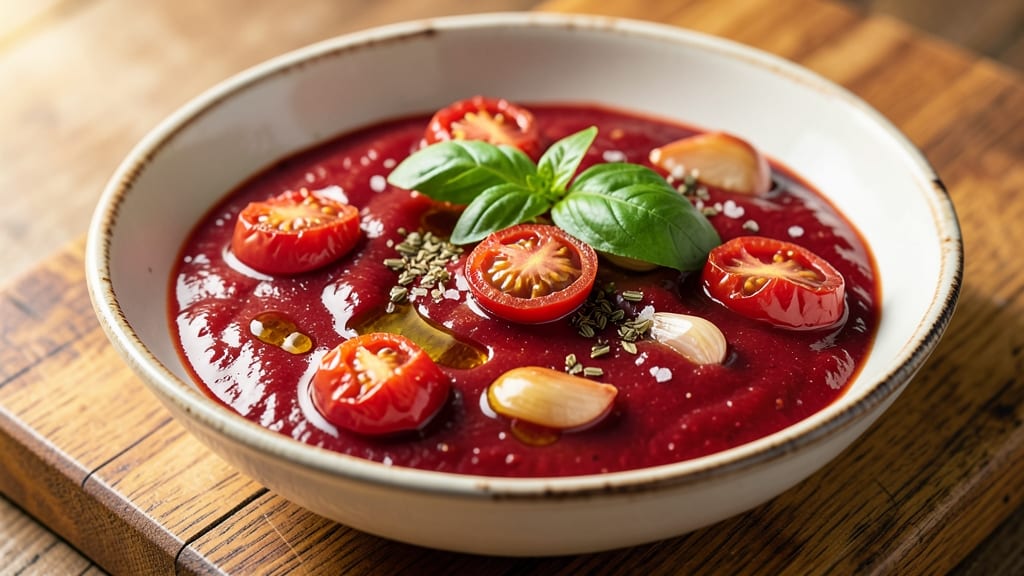
This all-natural marinara sauce recipe delivers restaurant-quality depth in just 20 minutes—no shortcuts, no preservatives, just vibrant tomatoes, aromatic herbs, and a simmer that builds layers of flavor.
The secret lies in proper garlic blooming and slow reduction, transforming simple ingredients into a sauce so rich it elevates any dish. I developed this version after years of testing store-bought alternatives that always fell short of homemade quality.
What sets this marinara apart is the balance of acidity and sweetness—crushed tomatoes simmer with fresh basil, oregano, and a touch of sugar to create a sauce that's neither too tangy nor overly sweet.
The key technique is deglazing the pan after sautéing garlic to capture all those flavorful browned bits, which form the sauce's foundation. This method ensures every spoonful bursts with authentic Italian taste without any artificial additives.
By the time you're done, you'll have a velvety, herb-infused sauce with perfect texture—smooth enough to coat pasta beautifully but with enough body to stand alone. The aroma alone will have everyone asking what you're serving, and the flavor improves with time, making it ideal for meal prep.
Store it in the fridge for up to 5 days or freeze for months without losing quality.
This marinara works as a base for everything from classic spaghetti to homemade pizza or as a dipping sauce for crusty bread. The recipe scales perfectly whether you're feeding a family or prepping for the week. Let's create this vibrant, herb-infused sauce that tastes like a trip to Italy.
Ingredients for all natural marinara sauce
Restaurant-quality marinara starts with these 10 simple, natural ingredients—no shortcuts, just pure flavor.
| Ingredient | Amount | Notes |
|---|---|---|
| San Marzano Crushed Tomatoes 🍅 | 28 oz | Canned, no salt added |
| Extra-Virgin Olive Oil 🫒 | ½ cup | High quality, fruity |
| Garlic Cloves 🧄 | 4 cloves | Fresh, peeled, minced |
| Fresh Basil Leaves 🌿 | ½ cup | Packed, stems removed |
| Dried Oregano 🌿 | 1 tsp | Italian or Mediterranean |
| Granulated Sugar 🍚 | 1 tbsp | Balances acidity |
| Red Wine Vinegar 🍷 | 1 tbsp | For brightness |
| Sea Salt 🧂 | 1 tsp | Diamond Crystal preferred |
| Black Pepper 🌶️ | ½ tsp | Freshly ground |
| Bay Leaves 🌿 | 2 whole | Fresh or dried |
The tomatoes are non-negotiable. San Marzano is the gold standard—sweet, meaty, and packed with flavor. Whole Foods and Trader Joe's carry them canned, or grab a jar from the Italian section. Fresh basil matters too—farmers markets have the best, but grocery store bunches work if the leaves are bright green. The garlic should be fresh and plump, not shriveled. For the olive oil, California extra-virgin adds fruity depth that store brands can't match—look for bottles labeled 'first cold press'.
No fresh basil? Dried oregano at half the amount keeps the flavor profile intact. Running low on red wine vinegar? Balsamic vinegar or lemon juice works in a pinch. The sugar balances the tomatoes' acidity—brown sugar adds subtle caramel notes if you prefer. For a deeper flavor, toast the oregano and bay leaves in the oil for 30 seconds before adding tomatoes. Deglazing the pan after sautéing garlic is crucial—those browned bits are flavor gold. If you're short on time, tomato paste can replace half the crushed tomatoes for a thicker sauce.
This sauce tastes better with time—24 hours in the fridge lets flavors meld perfectly. Store in an airtight container with a thin layer of olive oil on top to preserve freshness. Freezes beautifully for up to 6 months—portion into ice cube trays for single-use servings. The bay leaves should be removed before serving, but if you forget, they're harmless. Double the batch and freeze half—you'll thank yourself later when you're pulling it out for a quick weeknight dinner.
Why You'll Love This Recipe
- No-Fuss Simplicity: I swear by this sauce because it’s literally one pot, 20 minutes max. Just crush those San Marzanos, toss in garlic and olive oil, and let it simmer—no peeling cans, no blender, no stress. Honestly, I make it while scrolling through my phone.
- Garlic-Basil Magic: That first bite of pasta? The crushed tomatoes sweeten into richness, the olive oil adds silkiness, and the garlic—oh, the garlic—hits just right. Fresh basil at the end? It’s like a little flavor hug you didn’t know you needed.
- Pantry to Plate: This sauce works for everything: a quick weeknight dinner, Sunday family feasts, or even slathered on grilled cheese. I’ll be real, I’ve frozen jars of it for lazy Mondays, and it’s still spot-on after a month.
- Budget Bright Spot: San Marzanos are pricier, sure, but one can stretches into three meals—pasta, pizza, or braised meats. Plus, dried oregano and a handful of basil make it feel fancy without breaking the bank. My wallet and taste buds thank me.
Step-by-step instructions for all natural marinara sauce
Here's how to craft a rich, herb-infused marinara that captures the essence of Italian tradition.
Sauté Aromatics in Olive Oil
Heat the 0.5 cup Extra-Virgin Olive Oil in a medium saucepan over medium heat. Add the 4 cloves Garlic Cloves and cook for 1-2 minutes until they're fragrant but not browned. This step develops the sauce's aromatic foundation—don't walk away, as garlic burns quickly.
Next, add the 2 whole Bay Leaves and 1 tsp Dried Oregano. Stir gently for 30 seconds to toast the spices. You'll notice the oregano releases its earthy aroma while the bay leaves infuse subtle pine notes. This aromatic base will carry through the entire sauce, creating depth of flavor.
Incorporate Tomatoes and Balance Flavors
Pour in the 28 oz San Marzano Crushed Tomatoes, stirring to combine with the oil and aromatics. Add the 1 tbsp Granulated Sugar, 1 tbsp Red Wine Vinegar, 1 tsp Sea Salt, and 0.5 tsp Black Pepper. The sugar helps balance the tomatoes' natural acidity while the vinegar adds brightness.
Bring the mixture to a gentle simmer over medium-low heat. You'll see the sauce thicken slightly as it reduces, which typically takes 8-10 minutes. Stir occasionally to prevent sticking, and taste after 5 minutes—this is when you can adjust seasoning if needed. The sugar should mellow the acidity, leaving a balanced sweetness.
Simmer and Develop Depth
Once the sauce reaches a simmer, reduce the heat to low and let it cook uncovered for 10-12 minutes. This slow simmer allows the flavors to meld and the sauce to thicken naturally. You'll see the surface develop a glossy sheen, indicating proper reduction.
Here's the thing—don't rush this step. The longer you simmer, the more complex the flavors become. After 10 minutes, remove the 2 whole Bay Leaves (they've done their job) and taste again. The sauce should be vibrant, with bright tomato notes and a subtle herbal backbone. If it's too thick, add 1-2 tablespoons of water to reach your desired consistency.
Finish with Fresh Basil
In a small bowl, gently pack the 0.5 cup Fresh Basil Leaves and finely chop them with a chef's knife. Stir the chopped basil into the sauce and cook for 1-2 minutes over low heat. This final step infuses the sauce with fresh, bright basil flavor—don't overcook, or the basil will turn bitter.
Remove the sauce from heat immediately. The basil should be vibrant and fragrant, adding a fresh contrast to the rich tomato base. Let the sauce rest for 5 minutes before serving—this allows the flavors to fully integrate. The result should be a glossy, vibrant marinara with layers of sweet, tangy, and herbal notes.
Pro Tips For Making All Natural Marinara Sauce
- Bloom the Oregano: Toss the dried oregano into the warm oil for 30 seconds before adding tomatoes—this releases its flavor faster. I used to just dump it in later, and the sauce always tasted like it was missing something.
- Sauté Garlic Low and Slow: Cook the minced garlic at the very lowest heat until it’s golden, not browned—just 2-3 minutes. After burning two batches, I learned patience here makes all the difference.
- Crush Tomatoes by Hand: Skip the can’s ridges—drain the tomatoes, then press them through a sieve or large-holed strainer. This removes skins and seeds for a silky texture without extra effort.
- Simmer Uncovered, Then Cover: Let the sauce bubble uncovered for the first 15 minutes to evaporate excess water, then cover loosely for the last 10. This thickens it naturally without a sticky mess. (Yes, even if you’re impatient like me.)
Pro cooking tips for all natural marinara sauce
Garlic Blooming Magic
Never skip this step—properly blooming your garlic transforms bland sauce into something extraordinary. Heat the 0.5 cup extra-virgin olive oil until shimmering, then add the 4 cloves minced garlic and cook just until fragrant (1-2 minutes).
Overcooking turns garlic bitter, so keep a close eye. I use a 10-inch stainless steel saucepan because it distributes heat evenly and prevents hot spots. 🌡️
Deglaze for Depth
After removing the pan from heat, add 2 tablespoons water and scrape up all those browned bits from the bottom—this is where the sauce's umami magic happens. The Maillard reaction creates complex flavors that store-bought sauces can't replicate.
I like to use a wooden spoon for this because it's gentle on the pan and helps lift those flavorful deposits. Swirl the pan to ensure even distribution.
Simmer Control
Maintaining a steady low simmer is critical—too high and your sauce will break down into a thin, watery mess. I set my stove to medium-low heat and adjust as needed. If you see bubbles vigorously rising, reduce the heat immediately.
The ideal simmer has gentle bubbles with occasional small bursts. This patience pays off with a sauce that coats the back of your spoon beautifully.
Acidity Balance
The 1 tbsp red wine vinegar and 1 tbsp sugar work together to create perfect balance. Taste your sauce after 5 minutes of simmering—if it's too acidic, add a pinch more sugar; if it's too sweet, add a splash of vinegar.
I keep a small bowl of each nearby for quick adjustments. The goal is a sauce that's neither cloying nor tart but perfectly harmonized. 💡
Basil Timing
Adding fresh basil at the very end preserves its bright, peppery flavor. I chop it finely with a chef's knife rather than a food processor to maintain texture. Stir it in for just 1-2 minutes—any longer and it turns bitter.
Remove from heat immediately after to lock in that fresh aroma. Pro tip: Use the largest, most vibrant leaves from the center of the bunch for maximum flavor impact.
Resting Period
Never serve marinara straight from the stove—always let it rest for 5-10 minutes before using. This allows the flavors to fully meld and the sauce to thicken slightly. I cover it loosely with a lid to retain heat while letting any excess moisture evaporate.
The resting period also helps the basil's oils distribute evenly throughout the sauce, creating that signature Italian brightness. 💛
Nutrition facts
Frequently asked questions
Can I make this marinara sauce without fresh basil?
Yes! If you don't have fresh basil, use 1 tablespoon dried basil instead. For an even deeper flavor, combine ½ teaspoon dried basil with ½ teaspoon dried oregano—this mimics the fresh basil's complexity. The sauce will still taste amazing, though it'll lack that bright, peppery freshness.
How do I adjust the thickness of the sauce?
For a thicker sauce, simmer uncovered for an extra 5-10 minutes to reduce moisture. If it's too thick, add 1-2 tablespoons water or broth while stirring. For a smoother texture, blend briefly with an immersion blender after simmering. The ideal consistency coats the back of a spoon but isn't gluey.
Can I use regular canned tomatoes instead of San Marzano?
You can substitute, but expect less depth of flavor. Regular tomatoes often contain added salt or preservatives, which can make your sauce taste flat. If using them, reduce the added salt to ½ teaspoon and add ½ teaspoon tomato paste to enhance richness. The sauce will still be good, just not as vibrant.
How long can I store homemade marinara sauce?
In the fridge, it keeps for up to 5 days in an airtight container with a thin layer of olive oil on top to preserve freshness. For longer storage, freeze for up to 6 months. Portion into ice cube trays for single-use servings—just thaw overnight in the fridge. The flavor actually improves after 24 hours of refrigeration!