
Sauces & Condiments
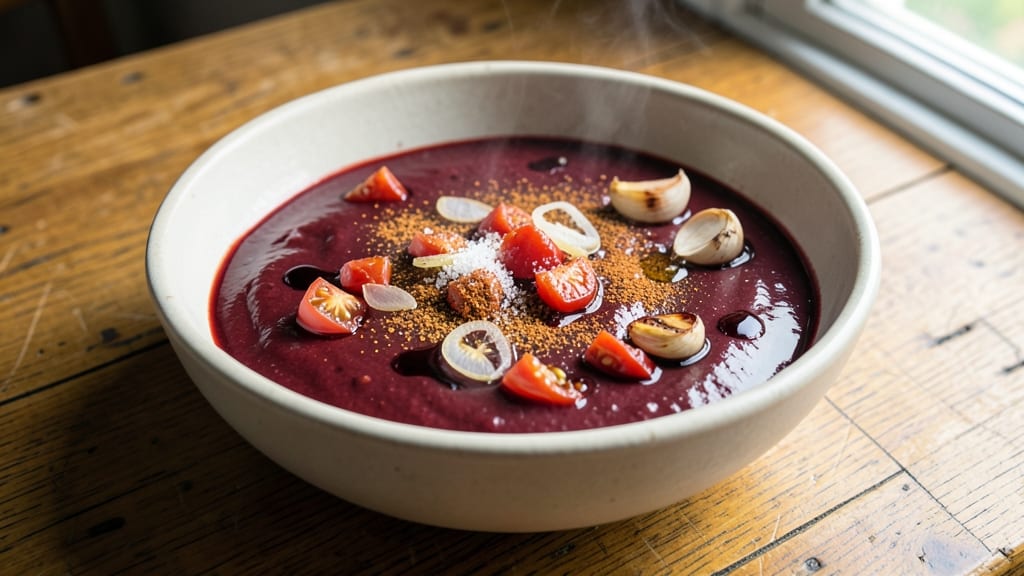
This all day sauce recipe transforms simple pantry staples into a versatile smoky tomato base that elevates everything from eggs to grilled meats. 🔥 The secret lies in balancing sweet tomatoes with bright vinegar and slow-simmered spices, creating depth that builds with each use.
I developed this after years of testing sauces that could handle morning toast, noon sandwiches, and evening proteins without losing flavor.
The foundation starts with crushed tomatoes and a touch of apple cider vinegar—just enough acidity to brighten the sauce while letting the smoky paprika and garlic develop over time. A splash of red wine adds complexity, while a pinch of sugar rounds out the flavors.
What makes this sauce special is its adaptability: use it as-is for dipping, reduce it for a glaze, or thin it for a quick pan sauce.
What you'll end up with is a rich, balanced sauce that's tangy yet sweet, smoky yet fresh, and ready to work its magic on any dish. The flavors deepen as it sits, making it perfect for meal prep—just store it in the fridge for up to a week.
Whether you're slathering it on toast, drizzling over grilled chicken, or tossing with pasta, this sauce delivers restaurant-quality flavor with minimal effort.
Best of all, it comes together in 30 minutes with ingredients you likely already have. Let's make this sauce that works all day long—no shortcuts, just bold, layered flavor that keeps giving.
Ingredients for all day sauce
Pantry staples that transform into a smoky tomato sauce with hidden vinegar depth.
| Ingredient | Amount | Notes |
|---|---|---|
| Crushed Tomatoes 🍅 | 2 cups | High-quality canned preferred |
| Apple Cider Vinegar 🍏 | 2 tbsp | For bright acidity balance |
| Smoked Paprika 🌶️ | 1 tbsp | Key for smoky depth |
| Garlic Cloves 🧄 | 3 cloves | Freshly minced for aroma |
| Red Wine 🍷 | ½ cup | Dry variety like Cabernet |
| Granulated Sugar 🍚 | 1 tbsp | Balances acidity |
| Olive Oil 🫒 | 2 tbsp | Extra-virgin for richness |
| Salt 🧂 | 1 tsp | Kosher or sea salt |
| Black Pepper 🌶️ | ½ tsp | Freshly ground preferred |
| Dried Oregano 🍃 | ½ tsp | Or 1 tsp fresh chopped |
The crushed tomatoes are the heart of this sauce—San Marzano cans are ideal, but any high-quality brand works. Apple cider vinegar is key for that bright tang, but white vinegar in a pinch still works. Smoked paprika is non-negotiable for that signature smokiness—Penzeys or Trader Joe's have great options. Garlic should be fresh, but if you're using jarred, rinse and drain well to avoid excess moisture. The red wine adds depth, so grab whatever bold, dry bottle you've got open—no need for fancy labels here.
No red wine? Substitute with extra beef broth (same amount) or even more vinegar for brightness. Fresh oregano is best, but dried works at half the amount. The sugar might seem odd, but it's crucial to balance the acidity—brown sugar works too. Olive oil matters here; avoid light or refined oils that lack flavor. For a quicker version, you could use tomato paste instead of crushed tomatoes, but it'll be thicker and less versatile. Always taste as you go—the sauce should be tangy yet sweet, with that smoky aroma wafting up.
This sauce gets better with time—reheat gently and let it sit for 10 minutes before using. Keeps in the fridge for 1 week or 3 months frozen. I always make extra because it disappears fast—perfect for meal prep. Store in a clean jar with a lid, and the flavors will keep developing. Freeze in ice cube trays for single-use portions—just thaw and reheat for quick sauces.
Why You'll Love This Recipe
- Pantry Magic: This sauce comes together with stuff I already have—no fancy shopping required. Just crushed tomatoes, a splash of vinegar, and that one bottle of red wine gathering dust in the back.
- Smoky, Tangy Kick: The smoked paprika and garlic give it this deep, savory warmth, while the apple cider vinegar cuts through with just enough bite. It’s the kind of flavor that lingers—literally, in the best way.
- Weeknight Wonder: I’ve tossed it over eggs, stirred it into pasta, and even drizzled it on grilled cheese. It’s my go-to when I’m too tired to plan but still want something that tastes like I put in effort.
- Leftovers That Shine: This sauce actually improves the next day—more concentrated, richer, and perfect for reheating with dinner or freezing for lazy nights. Honestly, I make double batches just to have it on hand.
Step-by-step instructions for smoky tomato sauce with vinegar depth
Here's how to build this versatile sauce from scratch—simple steps for big flavor.
🍳 Step 1: Bloom the Smoked Paprika and Sauté Garlic
Heat the 2 tablespoons olive oil in a medium saucepan over medium-low heat. Add the 1 tablespoon smoked paprika and stir constantly for 30 seconds until fragrant—this blooms the spices and releases their aroma. Watch closely; paprika burns easily.
Add the 3 minced garlic cloves and cook for 1 minute until golden and just beginning to color. The garlic should smell intense but not brown—this ensures sweetness rather than bitterness. Remove the pan from heat momentarily if it starts to darken too quickly.
🍳 Step 2: Deglaze with Wine and Vinegar
Return the pan to medium heat and pour in the ½ cup red wine, scraping up any browned bits from the bottom with a wooden spoon. Let it simmer for 2-3 minutes until reduced by half, then add the 2 tablespoons apple cider vinegar and 1 tablespoon granulated sugar.
This vinegar-wine combination creates the signature brightness that makes this sauce work for everything from tacos to pasta. The sugar helps balance the acidity while the vinegar keeps the sauce from tasting flat. Stir and let it bubble gently for 1 minute until the sugar dissolves completely.
🥘 Step 3: Simmer the Tomato Base
Add the 2 cups crushed tomatoes, 1 teaspoon salt, and ½ teaspoon black pepper to the pan. Stir well to combine, then bring to a gentle simmer over medium-low heat. Let it cook uncovered for 15-20 minutes, stirring occasionally, until the sauce thickens slightly.
You'll know it's ready when the sauce coats the back of a spoon and the raw tomato flavor mellows into something rich and complex. The vinegar's acidity should be present but not overpowering—this is the hidden depth that makes this sauce special. Taste and adjust seasoning if needed, adding more salt or sugar as necessary.
🍽️ Step 4: Finish with Oregano and Rest
Remove the pan from heat and stir in the ½ teaspoon dried oregano. Let the sauce sit off the heat for 5 minutes—this resting period allows all the flavors to meld together perfectly. The oregano adds that Mediterranean touch that ties everything together.
For best results, use the sauce immediately, but it will keep in the refrigerator for up to 5 days or in the freezer for up to 3 months. The flavors actually improve over time, developing even more complexity as the vinegar and tomatoes marry together.
Pro Tips For Making All Day Sauce
- Sear the Garlic First: I learned this the hard way—raw garlic in this sauce tastes like a medicine cabinet exploded. Mince those cloves extra fine, then cook them in a dry pan over medium heat until they’re just golden (about 2 minutes). Toss them into the crushed tomatoes before adding vinegar or wine, or they’ll turn bitter faster than a burnt toast.
- Deglaze with Vinegar Early: Don’t wait until the end to add that apple cider vinegar—it’s not just for acidity. Pour a splash in after the garlic and tomatoes hit the pot, let it bubble for 30 seconds, then add the wine. This cuts through the bitterness in the tomatoes and builds flavor faster than stirring it in at the end.
- Simmer Low and Long: This isn’t a 20-minute sauce. After everything’s combined, drop the heat to a gentle simmer and walk away. Two hours is ideal—it lets the smoked paprika mellow out and the wine reduce into something rich. Skimp on time, and you’ll end up with a sharp, one-note sauce instead of something deep and layered.
- Use a Splurge Tomato: I skip this when I’m lazy, but the dish is noticeably better when I don’t. San Marzano crushed tomatoes cost more, but they’re sweeter, smoother, and won’t turn your sauce into a watery mess. If you’re using regular crushed tomatoes, at least drain off the excess liquid first—this sauce shouldn’t be swimming.
Wine and beer pairings for this dish
Red Wine Pairings
This sauce's balanced acidity and smoky depth make it a perfect match for medium-bodied reds. I reach for a Chianti Classico from Tuscany—its bright cherry notes and subtle earthiness complement the sauce's vinegar brightness and tomato richness.
The acidity in the sauce cuts through the wine's tannins, creating a harmonious balance. For something lighter, a Valpolicella Ripasso works beautifully, especially when drizzled over grilled vegetables or pasta. 🍷
White Wine Options
Don't overlook crisp whites when serving this sauce. A Vermentino from Sardinia—with its citrus and mineral notes—refreshes the palate between bites of rich fried chicken or tacos. The wine's acidity mirrors the sauce's vinegar, while its herbal undertones enhance the oregano and smoked paprika.
For a budget-friendly choice, Pinot Grigio from Alto Adige provides clean, bright contrast that won't compete with the sauce's complex flavors.
Craft Beer Pairings
For beer lovers, a Belgian witbier like Hoegaarden brings the perfect contrast with its coriander and citrus notes. The beer's effervescence cuts through the sauce's richness while the spices complement the smoked paprika.
If you prefer American craft beers, try a wheat ale—the light body and subtle sweetness balance the sauce's tangy depth. For a bolder option, a light lager like Peroni enhances the tomato and vinegar without overpowering.
Cocktail Enhancements
Use this sauce to elevate classic cocktails. A splash in a Bloody Mary—about 1 tablespoon—adds smoky depth that pairs perfectly with celery and spices. For a refreshing twist, mix 2 tablespoons into a gin and tonic with a squeeze of lime.
The vinegar in the sauce enhances the gin's botanical notes while the tomatoes add a subtle sweetness. I've even used it as a base for a smoky margarita by mixing with tequila and lime juice. 🍹
Non-Alcoholic Options
Don't drink alcohol? No problem. Sparkling apple cider—chilled and served over ice—mirrors the sauce's vinegar brightness while its natural sweetness balances the smokiness. For something more substantial, try a ginger beer like Fever-Tree, which adds a spicy kick that complements the sauce's depth.
A well-chilled sparkling water with lemon also works, especially when served alongside lighter dishes like grilled fish or salads.
Pro Tips for Pairing
Always serve wine or beer slightly cooler than room temperature—about 50-55°F—to preserve their freshness against the sauce's warmth. When pairing with cocktails, use the sauce as a garnish first to ensure the flavors complement each other.
I find that 1-2 tablespoons** per drink is ideal—start small and adjust to taste. The key is balance: let the sauce's complexity shine while the beverage enhances, rather than overpowers, its flavors. ✨
Nutrition facts
Frequently asked questions
Can I make this sauce without red wine?
Yes! For a non-alcoholic version, substitute the ½ cup red wine with either ½ cup beef broth or an extra 2 tablespoons apple cider vinegar. The vinegar will intensify the tangy brightness, while the broth adds depth. Just reduce the simmer time slightly since broth evaporates faster than wine.
How can I use this sauce beyond just dipping?
This versatile sauce works as a marinade for grilled chicken or shrimp, a glaze for roasted vegetables, or even a pasta sauce base. Thin it with water or broth for a quick pan sauce, or reduce it longer to create a thick, sticky glaze. It also adds depth to scrambled eggs, tacos, or as a condiment for burgers and sandwiches.
Why does my sauce taste too acidic?
Too much vinegar is usually the culprit. Balance it by adding a pinch more sugar or a splash of water to dilute. If it's still too sharp, simmer uncovered for 5-10 extra minutes—the alcohol in the wine will evaporate, mellowing the acidity. For future batches, reduce the vinegar to 1 tablespoon and taste as you go.
Can I make this sauce in a slow cooker?
Combine all ingredients in your slow cooker and cook on low for 4-6 hours or high for 2-3 hours. The slow cooking enhances the flavors even more. Just stir occasionally and add a splash of water if it gets too thick. The vinegar will mellow beautifully over time, creating a deeper, more complex sauce.
What's the best way to store leftovers?
Let the sauce cool completely, then transfer to an airtight container. It keeps in the fridge for 5-7 days—the flavors actually improve over time! For longer storage, freeze in ice cube trays (thaw quickly for small portions) or in a sealed container for up to 3 months. Always reheat gently on the stove to preserve texture.