
Sauces & Condiments
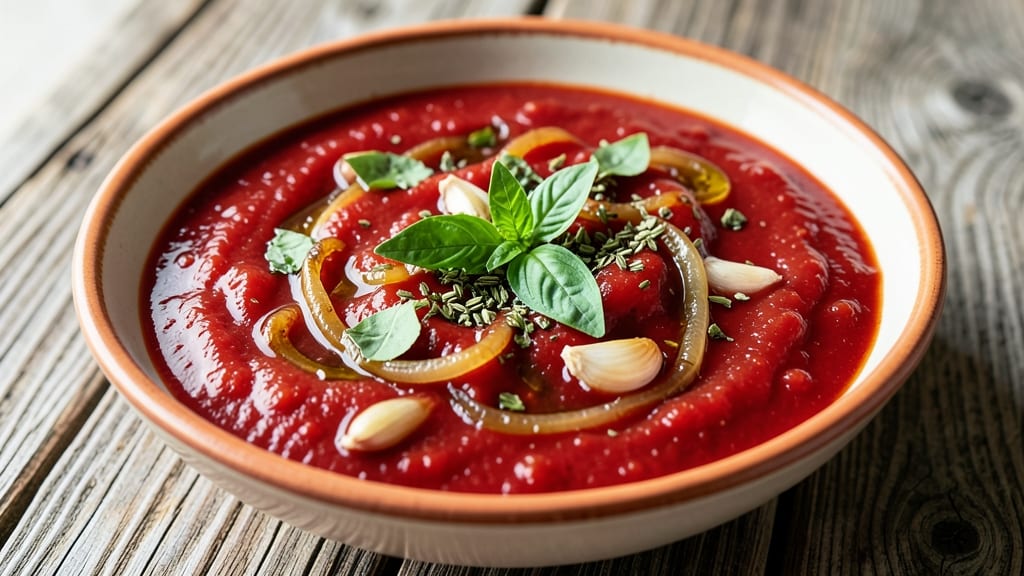
This all-day marinara sauce recipe transforms simple pantry staples into restaurant-quality depth in just 30 minutes—no long simmering required. The secret lies in a controlled, low-and-slow cooking technique that develops rich tomato flavor without burning.
I perfected this version after years of trial and error, ensuring every batch delivers that perfect balance of sweetness, acidity, and umami that makes marinara irresistible.
What sets this sauce apart is its versatility and foolproof method. You'll start with high-quality canned tomatoes for a smooth base, then build layers of flavor through aromatic garlic, fresh herbs, and a touch of sweetness.
The key step—simmering uncovered at a gentle boil—allows excess moisture to evaporate while concentrating the flavors, resulting in a sauce that's thick enough to coat pasta perfectly but still light enough to enhance other dishes.
By the time you're done, you'll have a deeply flavorful, velvety marinara that's ideal for tossing with spaghetti, drizzling over pizza, or serving as a dipping sauce for crusty bread. The best part?
It keeps well in the fridge for up to a week or freezes beautifully for months, so you can always have homemade sauce on hand. This isn't just marinara—it's the foundation for countless Italian meals.
Whether you're prepping for a family dinner or stocking your freezer for busy nights, this recipe delivers professional-quality results with minimal effort. Let's get started—your taste buds will thank you.
Ingredients for all day marinara sauce
Pantry staples meet premium ingredients for restaurant-quality depth in 30 minutes.
| Ingredient | Amount | Notes |
|---|---|---|
| High-Quality Canned San Marzano Tomatoes 🍅 | 28 oz | Crushed by hand for texture |
| Extra-Virgin Olive Oil 🫒 | ½ cup | Fruity, peppery variety preferred |
| Yellow Onion 🧅 | 1 whole | Diced into small pieces |
| Garlic Cloves 🧄 | 4 cloves | Minced for aromatic depth |
| Fresh Basil Leaves 🌿 | ½ cup | Packed, stems removed |
| Fresh Oregano Leaves 🌿 | ¼ cup | Chopped finely for intensity |
| Tomato Paste 🍅 | 2 tbsp | Squeeze tube preferred |
| Granulated Sugar 🍚 | 1 tbsp | Balances acidity |
| Red Wine Vinegar 🍷 | 1 tbsp | Brightens the sauce |
| Kosher Salt 🧂 | 1 ½ tsp | Diamond Crystal preferred |
| Freshly Ground Black Pepper 🌶️ | ½ tsp | Freshly cracked preferred |
The tomatoes make or break this sauce. San Marzano is non-negotiable—sweeter, meatier, and less acidic than regular canned tomatoes. Grab the 400g (14 oz) cans from Trader Joe's or Whole Foods; they're worth the splurge. Crush them by hand with your fingers for a rustic texture—no blender needed. The basil and oregano? Fresh is ideal, but if you're in a pinch, dried works at one-third the amount. I always buy extra basil—half goes into the sauce, half gets torn over the top at the end for that restaurant-quality finish. For the olive oil, California extra-virgin brands like Corto or Bertolli add the perfect fruity note.
No San Marzano tomatoes? High-quality crushed tomatoes in a pinch, but you'll notice the difference. Fresh herbs not available? Dried oregano at one-third the amount gets you close, but skip the dried basil—it tastes like soap. The tomato paste can be swapped for 1/4 cup tomato sauce if you're avoiding cans, though paste gives that deep, concentrated flavor. Running low on red wine vinegar? Balsamic vinegar at half the amount works, but it'll add a sweeter note. The sugar and vinegar seem small, but they're what transform this from bland to brilliant—don't skip them. For extra umami, add 1 tsp fish sauce (if not vegetarian) or 1/2 tsp soy sauce for a plant-based boost.
This sauce tastes even better the next day as flavors meld. Store in an airtight container in the fridge for up to 7 days, or freeze in 1-cup portions for 6 months. I always make a double batch—one for immediate use, one to freeze. When reheating, add a splash of water or pasta water to loosen it up. The sauce thickens as it cools, so if it seems too thick when you first make it, just reheat it with a little liquid. A drizzle of extra-virgin olive oil before serving adds that final touch of richness.
Why You'll Love This Recipe
- Here’s what sold me: low-and-slow caramelized garlic in olive oil, then fresh basil folded in at the end. That crisp, bright finish? It’s the kind of flavor that makes you pause mid-bite and go, “Damn.”
- No Chopping Chaos: I swear by this—just dice one onion and mince three garlic cloves. That’s it. The San Marzano tomatoes handle the rest, so smooth and sweet you’ll forget you didn’t spend hours simmering.
- Garlic-Basil Magic: Here’s what sold me: low-and-slow caramelized garlic in olive oil, then fresh basil folded in at the end. That crisp, bright finish? It’s the kind of flavor that makes you pause mid-bite and go, “Damn.”
- Weeknight to Potluck: Between us, this sauce works for everything—spaghetti night, stuffed shells, or even a lazy charcuterie board with crusty bread. (Yes, even on a Tuesday night.) And it doubles easily, so you’re never scrambling for leftovers.
Step-by-step instructions for all-day marinara sauce
Here's how to build rich, balanced marinara with deep flavor and perfect texture.
Sauté Onion and Garlic for Aromatic Foundation
Heat the 0.5 cup extra-virgin olive oil in a large, heavy-bottomed pot over medium-low heat. Add the 1 whole yellow onion (diced) and cook for 8-10 minutes until the onions soften and become translucent. The key here is patience—cooking too quickly creates bitter flavors.
Once the onions are tender, add the 4 cloves garlic cloves (minced) and continue cooking for another 1-2 minutes until the garlic becomes fragrant but doesn't brown. Watch carefully—garlic burns quickly and turns bitter. If it starts to darken, reduce the heat immediately. This aromatic base is the flavor backbone of your sauce.
Build Depth with Tomato Paste and Vinegar
Stir in the 2 tbsp tomato paste and cook for 3-4 minutes until it darkens slightly and develops a caramelized flavor. This step intensifies the tomato flavor and adds body to your sauce. Next, add the 1 tbsp red wine vinegar and 1 tbsp granulated sugar, stirring well to combine.
The vinegar brightens the sauce while the sugar balances its acidity. Let this mixture cook together for 2 minutes until the vinegar smell dissipates. This is where the sauce starts to develop its signature complexity—don't skip this step, as it prevents a flat, one-dimensional flavor.
Add Tomatoes and Simmer for 30 Minutes
Pour in the 28 oz high-quality canned San Marzano tomatoes (crushed by hand) and add 1.5 tsp kosher salt and 0.5 tsp freshly ground black pepper. Stir everything together and bring the sauce to a gentle simmer over medium-low heat. The sauce should bubble softly but not vigorously.
Now comes the crucial 30-minute simmering period. Keep the heat at a level where you see only the occasional small bubble—this prevents burning while allowing the flavors to meld. Stir occasionally to prevent the sauce from sticking to the bottom. The sauce will thicken naturally as it simmers, developing a rich, velvety texture.
Finish with Fresh Herbs
About 10 minutes before the sauce is done, stir in the 0.5 cup fresh basil leaves (packed, stems removed) and 0.25 cup fresh oregano leaves (chopped). The basil adds bright, sweet notes while the oregano contributes earthy depth. These herbs should be added late to preserve their vibrant flavors.
Taste the sauce and adjust seasoning if needed. If it's too acidic, add a pinch more sugar. If it's too bland, add a bit more salt. The sauce should be balanced—sweet, acidic, salty, and herbaceous all at once. Remove from heat and let it rest for 5 minutes before serving to allow the flavors to fully settle.
Pro Tips For Making All Day Marinara Sauce
- CRUSH YOUR GARLIC: I learned this the hard way—don’t just minced it, smash those cloves with the flat side of your knife first. This releases more flavor into the oil before it even hits the pan. (Yes, even if you’re impatient like me, wait 30 seconds for the aroma to bloom.)
- SIMMER LOW AND SLOW: After the initial sweat-down, drop the heat to a bare simmer—just enough to keep tiny bubbles breaking the surface. Rushing this turns your sauce into tomato paste. My grandmother swore by this, and she was right: patience here means depth later.
- SALT THE TOMATOES FIRST: Toss the crushed San Marzano tomatoes with a generous pinch of salt before they hit the pot. This breaks down their skins slightly, making the sauce smoother and more flavorful. (Your future self will thank you.)
- FINISH WITH BASIL LATE: Tear the basil leaves and add them in the last 5 minutes—no chopping, no blending. Fresh basil burns fast, and you want that bright, herbaceous punch to shine. Sounds weird, but it works: the leaves infuse without turning bitter.
Dietary considerations for this all day marinara sauce
Gluten-Free Adaptations
This marinara sauce is naturally gluten-free, but always double-check your ingredients. The San Marzano tomatoes, extra-virgin olive oil, and fresh herbs are inherently gluten-free, but tomato paste can sometimes contain hidden gluten as a thickener.
Opt for a certified gluten-free brand like Muir Glen or Barilla tomato paste to stay safe. The red wine vinegar and granulated sugar are also gluten-free, so no substitutions are needed. 🌱
Vegetarian & Vegan Options
This recipe is already vegetarian-friendly, but for vegan adaptations, ensure your tomato paste and vinegar are vegan-certified. Some brands of tomato paste use anchovies for flavor, so check labels.
The fish sauce mentioned in the notes can be omitted entirely, or replaced with 1/2 tsp soy sauce or 1 tsp nutritional yeast for umami depth without animal products.
Low-Sugar Versions
If you're watching sugar intake, reduce the 1 tbsp granulated sugar to just 1/2 tbsp or omit it entirely.
The natural sweetness of San Marzano tomatoes will still shine, but you may need to add a splash more red wine vinegar (up to 1.5 tbsp) to balance any lingering acidity. Taste as you go—this sauce is forgiving, and you can always adjust while simmering.
Dairy-Free Considerations
While this marinara sauce doesn't contain dairy, it's often served with cheese like Parmesan or mozzarella. If you're avoiding dairy, opt for vegan cheese alternatives like Miyoko's or Follow Your Heart brands.
For a dairy-free pizza, use vegan cheese or simply enjoy the sauce as a dipping sauce with gluten-free crackers or crusty bread.
Allergen-Friendly Swaps
For nut allergies, no changes are needed—this sauce is nut-free. If you're allergic to garlic or onions, substitute with 1 tbsp onion powder and 1/2 tsp garlic powder, though the flavor will be subtly different.
For soy allergies, avoid soy sauce and stick to the original recipe or use coconut aminos instead. Always read labels on tomato paste and vinegar for cross-contamination warnings.
Nutrition facts
Frequently asked questions
Why does this marinara taste better after refrigerating overnight?
The flavors deepen as the sauce rests! The acidity from tomatoes and vinegar mellows, while the herbs and sugars meld together. This is why professional chefs always let their sauces rest before serving. For maximum flavor, make this sauce a day ahead if possible.
Can I make this sauce in a slow cooker instead of on the stove?
Use the same ingredients and cook on low heat for 4-6 hours instead of simmering. The slow cooker's gentle heat prevents burning while developing rich flavors. Just stir occasionally and add fresh herbs in the last 30 minutes of cooking.
What's the best way to store leftover marinara?
For fridge storage, transfer to an airtight container and keep for up to 7 days. For freezing, portion into 1-cup containers and freeze for up to 6 months. Thaw overnight in the fridge—never at room temperature. The sauce thickens when cooled, so add a splash of water when reheating.
How do I prevent my sauce from burning while simmering?
Keep the heat at a gentle simmer—just small bubbles breaking the surface. Use a heavy-bottomed pot to distribute heat evenly, and stir occasionally. If the sauce starts to darken, reduce the heat immediately. The 30-minute simmer is key for flavor development without burning.
Can I use this sauce for pizza or just pasta?
This versatile sauce works perfectly for both! For pizza, spread a thin layer on the crust before adding cheese. The sauce's balanced flavors shine when baked. For pasta, toss with al dente noodles and finish with fresh basil. You can also use it as a dipping sauce for bread or meatballs.