
Sauces & Condiments
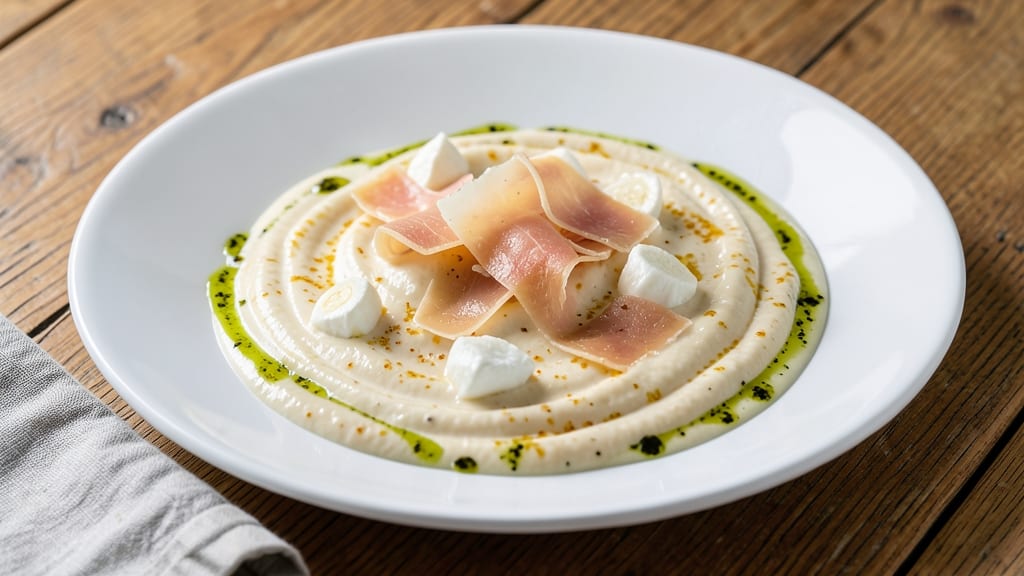
This ultra-creamy Alfredo sauce recipe with Parmesan and mozzarella cheese transforms simple ingredients into velvety perfection—no lumps, no burning, just rich, cheesy goodness that clings beautifully to pasta. 🌟 The secret lies in balancing Parmesan and mozzarella for depth while using a foolproof stovetop method that delivers restaurant-quality results every time.
What sets this recipe apart is the no-burn technique, where you temper the cheese with warm pasta water instead of direct heat. This creates a silky, velvety sauce with just the right balance of tangy Parmesan and mild mozzarella.
The sauce thickens perfectly on its own, coating each noodle in a luxurious, melt-in-your-mouth finish.
You'll end up with a sauce so creamy it feels indulgent, yet light enough to pair with any pasta shape. The combination of cheeses ensures a rich, complex flavor without being overly heavy, and the method is simple enough for weeknight dinners but impressive enough for company.
Use it immediately over fettuccine or save it for later—this sauce reheats beautifully and tastes even better the next day. For extra flavor, consider adding a touch of garlic or nutmeg, but the classic version is already irresistible.
Ingredients for alfredo sauce recipe with parmesan and mozzarella cheese
Nine essential ingredients for velvety perfection—no lumps, no burning, just restaurant-quality Alfredo sauce.
| Ingredient | Amount | Notes |
|---|---|---|
| Extra-Virgin Olive Oil 🫒 | ½ cup | High-quality, fruity, cold-pressed preferred |
| Unsalted Butter 🧈 | ½ cup | Cold, cubed for even melting |
| Parmesan Cheese 🧀 | 1 ½ cups | Freshly grated, block preferred |
| Low-Moisture Mozzarella Cheese 🧀 | 1 cup | Shredded, block preferred |
| Fresh Garlic Cloves 🧄 | 4 cloves | Minced, for aromatic depth |
| Heavy Cream 🥛 | ½ cup | Full-fat for optimal richness |
| Diamond Crystal Kosher Salt 🧂 | ½ tsp | Adjusts to taste |
| Freshly Ground Black Pepper 🌶️ | ¼ tsp | Freshly cracked for flavor |
| Freshly Squeezed Lemon Juice 🍋 | 1 tbsp | Brightens the sauce |
| Pasta Water 🍝 | 1 ½ cups | Reserved from cooking pasta |
The cheeses are non-negotiable for this sauce. Parmigiano-Reggiano from a deli counter delivers the most authentic flavor—look for a wedge with fine, compact grains. Low-moisture mozzarella (block, not pre-shredded) prevents a watery sauce. Whole Foods or specialty Italian markets carry the best quality, but most grocery stores stock decent options. For garlic, fresh is mandatory—jarred lacks the aromatic punch needed here. The olive oil should be extra-virgin with a fruity aroma, not the cheap, refined kind.
No Parmigiano-Reggiano? Pecorino Romano adds a sharper tang, though it lacks the same depth. Substituting pre-shredded mozzarella? Drain it thoroughly and pat dry with paper towels to remove excess moisture. Heavy cream unavailable? Full-fat Greek yogurt works in a pinch, though texture will differ slightly. The lemon juice can be omitted if you prefer a neutral sauce, but it elevates the entire dish—trust me on this. For extra richness, consider adding a splash of white wine during cooking, but keep it to 1 tbsp max.
This sauce is best used immediately, but it reheats beautifully. Store in an airtight container with a thin layer of olive oil on top to preserve freshness. Keeps for 3-4 days in the fridge, though flavor peaks within the first 24 hours. For longer storage, freeze in ice cube trays—perfect for adding to future pasta dishes. Always temper the sauce with pasta water when reheating to maintain that signature silky texture.
Why You'll Love This Recipe
- Here’s what sold me: that perfect balance of sharp, salty parmesan and creamy mozzarella, all tied together by garlic and olive oil. It’s decadent, but somehow lighter than jarred sauce—no heavy cream, no weird aftertaste. One bite and you’ll forget about "healthy" options.
- No-Fuss Melt Magic: I swear by this sauce because it’s the only one where I don’t have to babysit the pan. Toss in the butter, olive oil, and minced garlic—let that sizzle for 30 seconds—then just fold in the shredded mozzarella and grated parmesan. The heat does all the work; no whisking, no lumps, no stress. (Yes, even on a Tuesday night.)
- Rich Without the Guilt: Here’s what sold me: that perfect balance of sharp, salty parmesan and creamy mozzarella, all tied together by garlic and olive oil. It’s decadent, but somehow lighter than jarred sauce—no heavy cream, no weird aftertaste. One bite and you’ll forget about "healthy" options.
- Pasta Party Starter: This sauce is my secret weapon for impromptu dinners. Dump it over fettuccine for a 15-minute meal, or use it as a dip for garlic bread when friends drop by. I’ve even tossed it with roasted veggies for a crowd—works every time. (My roommate still hasn’t figured out my trick.)
Step-by-step instructions for ultra-creamy Alfredo sauce
Master this foolproof method for restaurant-quality Alfredo without risking curdled cheese.
🍳 Step 1: Melt Butter and Olive Oil Over Low Heat
In a medium saucepan, combine the 0.5 cup unsalted butter and 0.5 cup extra-virgin olive oil over low heat. Let them melt together slowly—this gradual approach prevents butter from burning while allowing the olive oil to infuse its fruity notes. You'll know it's ready when the butter has completely melted and the mixture is smooth, with no visible butterfat floating on top.
Here's the thing—starting on low heat is critical. Butter burns in seconds at higher temperatures, and that would ruin your sauce before it even begins. Keep the heat at medium-low throughout this entire process to maintain control. If you notice any golden flecks forming, immediately reduce the heat to the lowest setting.
👨🍳 Step 2: Add Garlic and Cheese Gradually
Remove the pan from heat and stir in the 4 cloves minced fresh garlic. Let it sit off the heat for 30 seconds—just enough time to infuse the oil with garlic's aromatic essence without burning it. Return the pan to low heat and immediately sprinkle in ½ cup of the parmesan cheese (reserve the rest for later).
Watch closely as the cheese begins to melt and create a paste-like consistency. This is where the magic happens—the parmesan emulsifies with the fat, creating a velvety base. Now gradually whisk in the remaining 1 cup low-moisture mozzarella cheese and the remaining 1 cup parmesan cheese, adding 2 tablespoons at a time while continuously stirring. This slow addition prevents clumping and ensures a perfectly smooth sauce.
🥘 Step 3: Incorporate Cream and Acid for Balance
Once all the cheese is melted and the mixture is completely smooth, reduce the heat to very low and pour in the 0.5 cup heavy cream. Stir gently to combine, then add the 1 tbsp freshly squeezed lemon juice and 0.5 tsp kosher salt. The lemon juice brightens the richness while the salt enhances all the flavors. Taste and adjust seasoning—you might want to add a pinch more salt or a few cracks of 0.25 tsp black pepper depending on your preference.
Here's where it gets technical: the sauce should now have a thick, creamy consistency similar to heavy whipping cream. If it's too thick, add 1 tablespoon of reserved pasta water at a time until it reaches a pourable yet coatable texture. If it's too thin, simmer gently for 1-2 minutes to reduce. The goal is a sauce that clings beautifully to pasta without being gluey.
⏰ Step 4: Finish with Pasta Water for Perfect Texture
Return the sauce to low heat and pour in ½ cup of the reserved pasta water all at once. The starch in the pasta water acts as a natural thickener and emulsifier, creating that signature Alfredo silkiness. Stir constantly for 1-2 minutes until the sauce reaches its ideal consistency—it should coat the back of a spoon but still flow smoothly when poured.
This is the moment that matters: the sauce should now be luxuriously creamy with no visible cheese clumps or separated liquid. If you're making this ahead, now's the time to transfer it to a heatproof container and keep it warm over barely simmering water. For immediate serving, keep it on low heat while you cook your pasta, adding more pasta water as needed to maintain the perfect consistency.
Pro Tips For Making Alfredo Sauce Recipe With Parmesan And Mozzarella Cheese
- Melt Butter Slowly: I learned this the hard way—dumping cold butter into the pan and ending up with greasy, grainy sauce. Instead, cut the unsalted butter into small cubes and let them melt gradually over medium-low heat. This keeps the sauce silky and prevents the cheese from seizing up.
- Use Low-Moisture Mozzarella: Skip the fresh mozzarella unless you want a watery mess. Low-moisture mozzarella melts smoothly and doesn’t turn your sauce into a cheese fondue. Shred it yourself—pre-shredded versions have anti-caking agents that ruin texture.
- Toast Garlic Until Golden: Raw garlic makes the sauce bitter. Sauté those cloves in olive oil until they’re just golden at the edges—about 30 seconds—then remove them. The aroma infuses the sauce without overpowering it. (Yes, even if you’re impatient like me.)
- Strain for Smoothness: This isn’t the prettiest method, but it’s the tastiest. After melting the cheese, strain the sauce through a fine-mesh sieve to remove any grit from the Parmesan. It takes 30 seconds and guarantees a restaurant-quality finish. (Your future self will thank you.)
Best sauces and condiments for this recipe
Classic Alfredo Upgrades
Add 1 tsp fresh nutmeg when incorporating the heavy cream for that signature Italian warmth. I find Penzeys Spices ground nutmeg delivers the most authentic flavor. For extra depth, stir in 1 tbsp white wine with the garlic—it cooks off quickly but adds complexity. 🌟
Creamy Substitutions
No heavy cream? Use ½ cup full-fat Greek yogurt (strain excess liquid first) or ½ cup crème fraîche for tangy richness. For a dairy-free version, blend ½ cup raw cashews with ½ cup water until smooth, then add to the cheese mixture. The texture will differ slightly but still impress.
Herb Infusions
Brighten the sauce with 1 tbsp fresh parsley or chives at the very end. I like to pulse ½ cup fresh basil in a food processor with 1 tbsp olive oil, then stir it in for a pesto-like twist.
For a savory kick, add 1 tsp dried oregano with the garlic.
Spicy Variations
Add ½ tsp red pepper flakes when incorporating the lemon juice for gentle heat. For a smoky version, stir in ½ tsp smoked paprika with the garlic. My favorite is ½ tsp Calabrian chili paste—just a pinch adds serious depth without overpowering. 🌶️
Vegetable Add-Ins
Blend in ½ cup roasted garlic or 2 tbsp sun-dried tomato paste for umami richness. For a garden-fresh twist, stir in ½ cup finely chopped roasted mushrooms at the end. The key is to add vegetables after the sauce is fully emulsified to maintain that velvety texture.
Storage Secrets
Let the sauce cool completely before storing in an airtight container. For freshness, press plastic wrap directly onto the surface to prevent a skin from forming. Reheat gently on low heat with 2 tbsp pasta water to restore that signature silkiness.
I freeze portions in ice cube trays for easy single-use additions to future pasta dishes.
Nutrition facts
Frequently asked questions
Why does this recipe use both Parmesan and mozzarella?
Parmesan adds that signature nutty depth and umami richness, while mozzarella creates a smooth, creamy texture that clings beautifully to pasta. The combination balances tangy sharpness with mild meltiness—no single cheese can achieve this perfect harmony alone. For best results, use freshly grated Parmigiano-Reggiano and low-moisture mozzarella.
Can I make this sauce ahead of time?
Store it in an airtight container with a thin layer of olive oil on top to preserve freshness. It keeps for 3-4 days in the fridge, though flavor peaks within the first 24 hours. For longer storage, freeze in ice cube trays—perfect for adding to future pasta dishes. Always reheat gently with 2 tbsp pasta water to maintain that signature silkiness.
What if my sauce gets too thick or too thin?
If too thick, add 1 tablespoon of reserved pasta water at a time until it reaches a pourable yet coatable texture. If too thin, simmer gently for 1-2 minutes to reduce. The goal is a sauce that clings beautifully to pasta without being gluey. Pro tip: The starch in pasta water acts as a natural thickener—always keep some reserved from cooking your noodles.
Can I substitute heavy cream with something else?
For a lighter version, use ½ cup full-fat Greek yogurt (strain excess liquid first) or ½ cup crème fraîche for tangy richness. For a dairy-free option, blend ½ cup raw cashews with ½ cup water until smooth. The texture will differ slightly, but these swaps still deliver impressive results. Just remember—fat content matters for that signature velvety finish.
How do I prevent cheese clumps in my sauce?
The secret is gradual addition! Sprinkle cheese 2 tablespoons at a time while continuously stirring over low heat. Remove the pan from heat briefly when adding garlic to prevent burning, and always whisk vigorously. For extra insurance, use freshly grated cheese (block preferred) and avoid pre-shredded varieties. This method ensures a perfectly smooth, lump-free sauce every time.